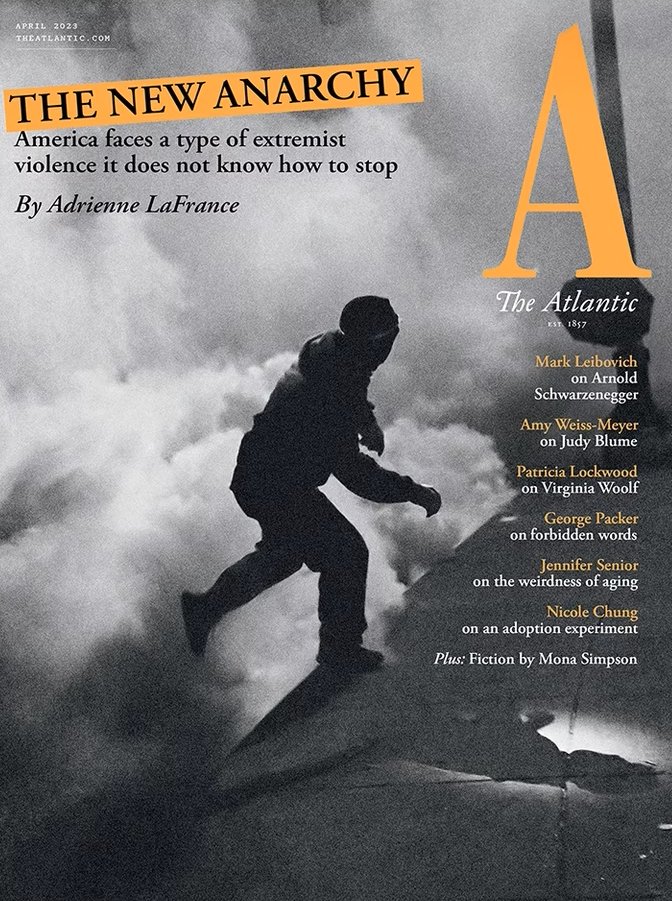

The New Anarchy

America faces a type of extremist violence it does not know how to stop.
The Book That Teaches Us to Live With Our Fears

Wolfish explores the question of what, exactly, we perceive as threats.

America faces a type of extremist violence it does not know how to stop.
Wolfish explores the question of what, exactly, we perceive as threats.


Our constant need for entertainment has blurred the line between fiction and reality—on television, in American politics, and in our everyday lives.
What FTX customers lost may not impoverish them, but they were still cheated.
What to do about the deadly misfits among us? First, recognize the problem.
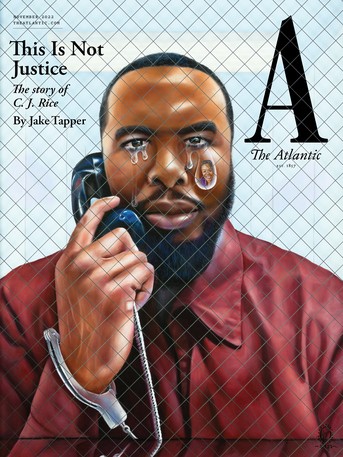
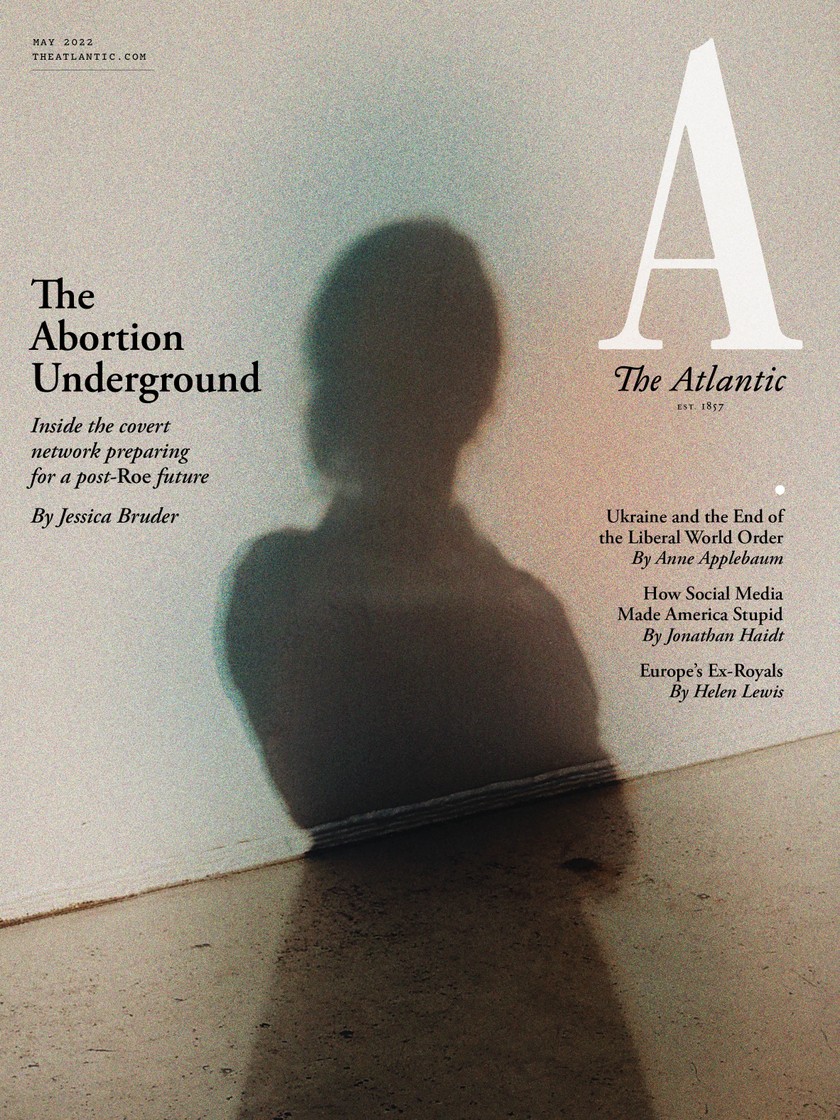
The empty promise of the Sixth Amendment, Siegfried & Roy’s rise and fall, a Guggenheim scapegoat, and independence for Puerto Rico. Plus stopping election deniers, Atlanta hip-hop, Orhan Pamuk, ABBA Voyage, a bygone Boston, new fiction, and more.
A Philadelphia teenager and the empty promise of the Sixth Amendment
At the peak of their fame, they were arguably the most famous magicians since Houdini.
A museum curator was forced out of her job over allegations of racism that an investigation deemed unfounded. What did her defenestration accomplish?
The only just future for my home is not statehood, but full independence from the United States.
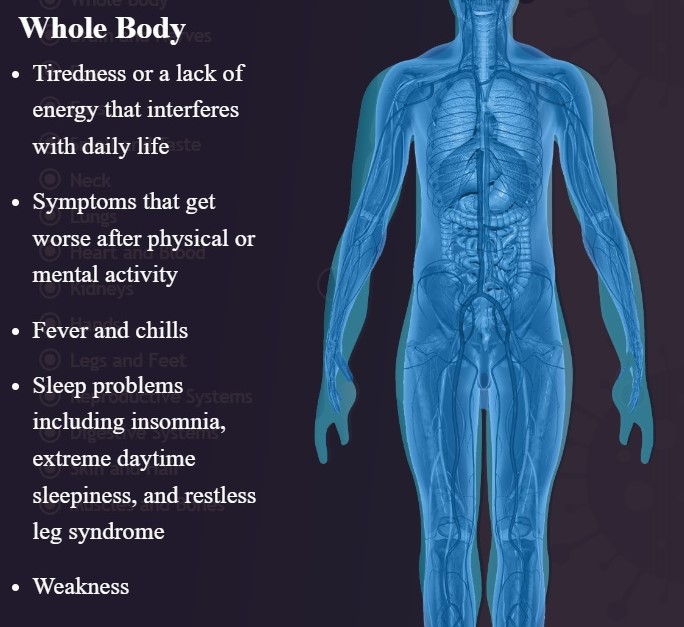
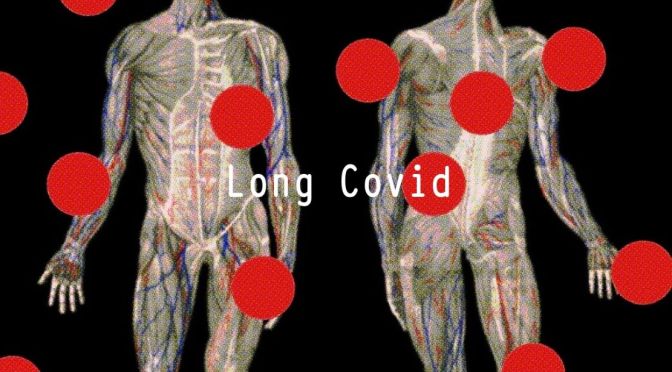
Even mild COVID-19 is at least correlated with a startlingly wide spectrum of seemingly every illness. We need a much better taxonomy to address people’s suffering.
From The Atlantic, October 5, 2022:
The cases of long covid that turn up in news reports, the medical literature, and in the offices of doctors like me fall into a few rough (and sometimes overlapping) categories. The first seems most readily explainable: the combination of organ damage, often profound physical debilitation, and poor mental health inflicted by severe pneumonia and resultant critical illness.
This serious long-term COVID-19 complication gets relatively little media attention despite its severity. The coronavirus can cause acute respiratory distress syndrome, the gravest form of pneumonia, which can in turn provoke a spiral of inflammation and injury that can end up taking down virtually every organ. I have seen many such complications in the ICU: failing hearts, collapsed lungs, failed kidneys, brain hemorrhages, limbs cut off from blood flow, and more. More than 7 million COVID-19 hospitalizations occurred in the United States before the Omicron wave, suggesting that millions could be left with damaged lungs or complications of critical illness. Whether these patients’ needs for care and rehabilitation are being adequately (and equitably) met is unclear: Ensuring that they are is an urgent priority.
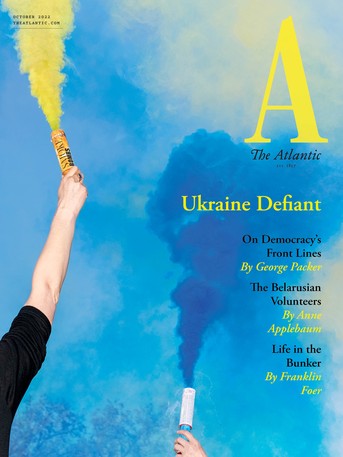
Ukraine defiant: George Packer, Anne Applebaum, and Franklin Foer on democracy’s front lines. Plus the myopia generation, the Benin bronzes’ contested return, Ian McEwan’s anti-memoir, cursive’s demise, redshirting boys, John Roberts v. the Voting Rights Act, the GOP’s extremist history, and more.
Six months into Ukraine’s defiant stand against Russia’s invasion, The Atlantic is publishing a special cover package devoted to life in the country and the state of the war, with new, on-the-ground reporting by staff writers George Packer, Anne Applebaum, and Franklin Foer. Packer, Applebaum, and Foer are three of the most influential and established voices on the perils of war, authoritarian threats to democracy, and Ukrainian and Russian politics.
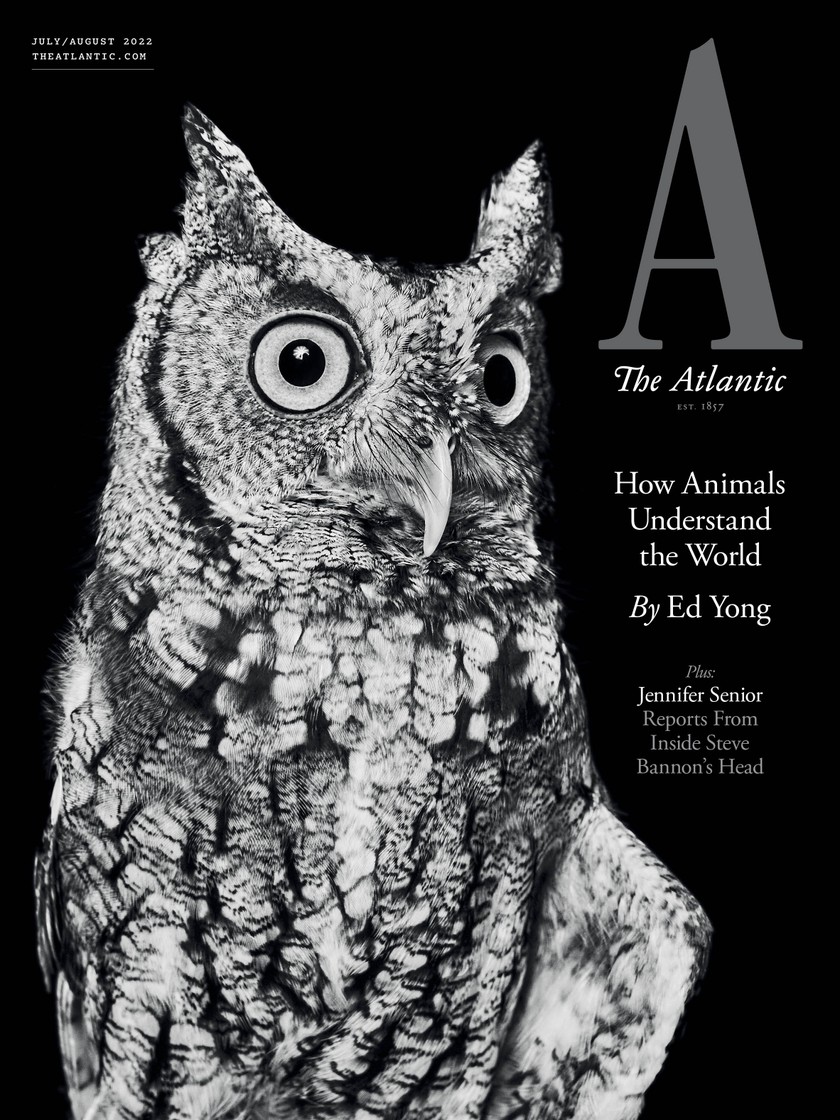
How animals perceive the world, a return to Chagos, Steve Bannon, and a mad hunt for Civil War gold. Plus Jack White, how the U.S. has no nuclear strategy, dad rage, Ulysses at 100, one family’s doll test, downsides of beach resorts, and more.

How to find happiness: the satisfaction trap, friendship, and changing your personality. Plus the betrayal of Afghan allies, the myth of ‘the Latino vote,’ bald eagles, Sheila Heti, Method acting, lateness, and more.
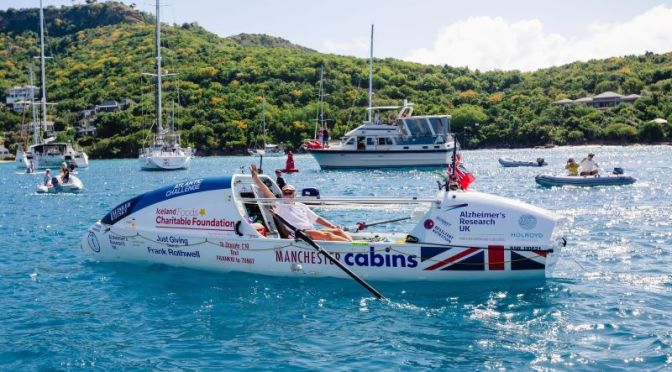
Frank Rothwell, 70, from Oldham, Scotland set off from Canary Island La Gomera on December 12 and crossed the finish line in Antigua in the Caribbean on Saturday – reuniting with Judith, his wife of 50 years, with time to spare until Valentine’s Day.
He said crossing the finish line was a “completely euphoric moment” as he fundraised more than £648,000 for Alzheimer’s Research UK in tribute to his brother-in-law Roger, who died with Alzheimer’s aged 62 during his row.


 Boomers Daily