
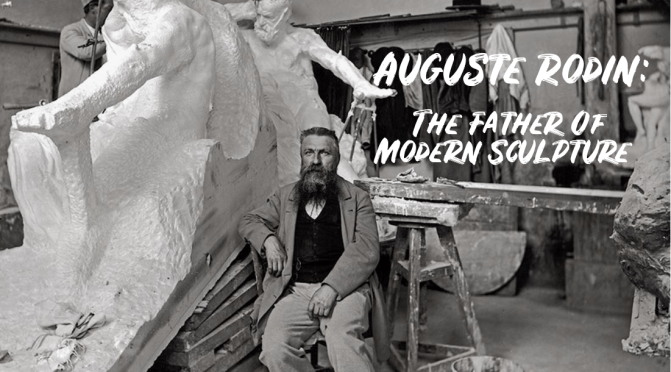
From Christie’s online magazine (May 2020):
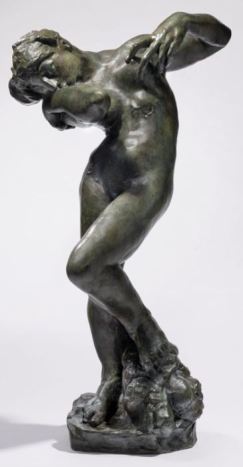
Rodin travelled to Italy in 1875, a trip described by the late art historian Kirk Varnedoe as, ‘one of the seminal events in modern art’.
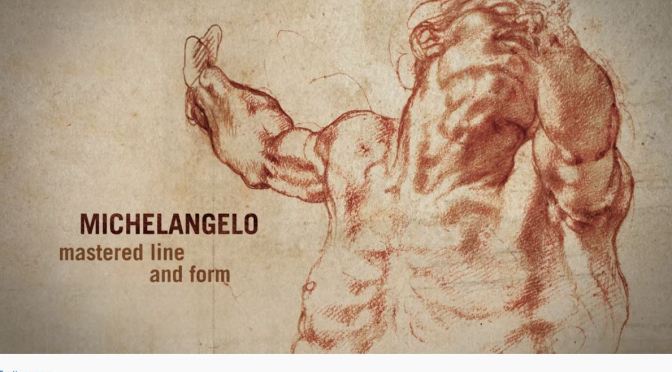
Here, in his mid-thirties, he fell under the spell of the Renaissance master, Michelangelo. His monumental, exaggerated nude figures would have a deep and lasting influence on the artist. ‘My liberation from academicism was via Michelangelo,’ Rodin later recalled. ‘He is the bridge by which I passed from one circle to another.’
Auguste Rodin (1840-1917) is renowned for breathing life into clay, creating naturalistic, often vigorously modelled sculptures which convey intense human emotions: love, ecstasy, agony or grief. Breaking the rules of academic convention and classical idealism, Rodin ushered in a new form of highly expressive sculpture that went on to influence generations of artists that followed.

Read full article at Christie’s
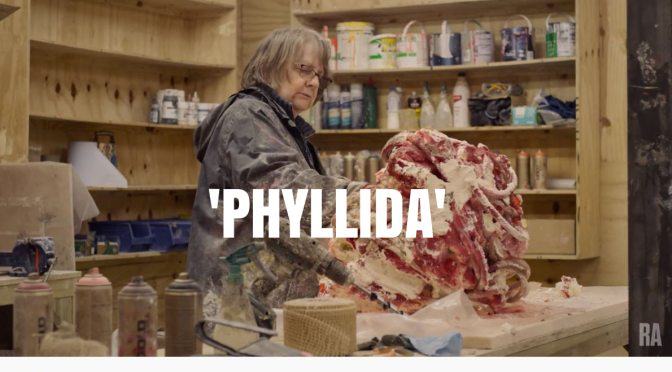
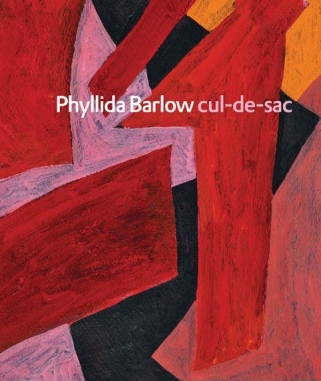 year. Directed by Cosima Spender, this film maps the roots of Barlow’s oeuvre, as she revisits childhood memories, domestic and urban spaces, and their subsequent role in her creative process.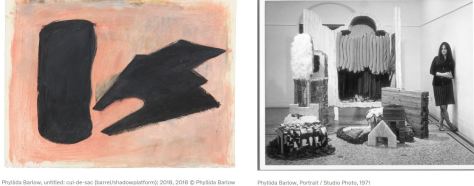
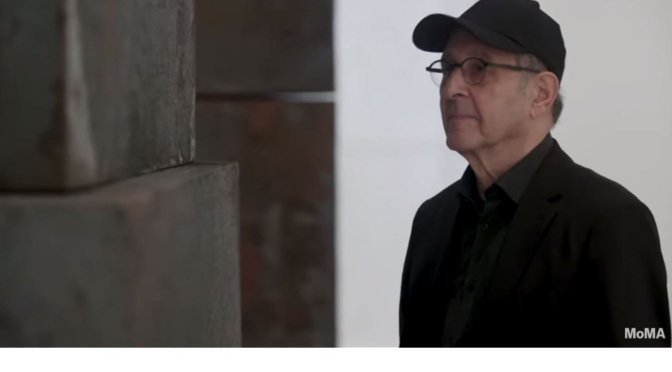
 In this episode of The Way I See It, our radio collaboration with BBC, we’ve captured composer Steve Reich’s audible awe as he sees his friend Richard Serra’s monumental 2015 sculpture Equal for the first time. As Reich puts it, he and Serra are “in tune to the same frequencies,” so their meeting in Manhattan in the 1960s and subsequent friendship was both important and inevitable.



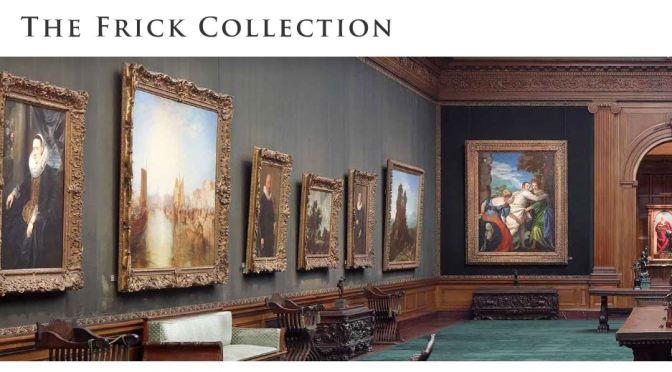
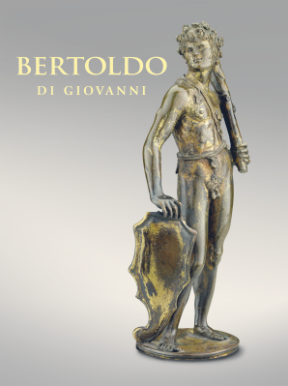 This fall, The Frick Collection will present the first-ever exhibition on the Florentine sculptor Bertoldo di Giovanni (ca. 1440–1491), a renowned student of Donatello, a teacher of Michelangelo, and a great favorite of Lorenzo “il Magnifico” de’ Medici, his principal patron. More than twenty statues, reliefs, medals, and statuettes — constituting nearly his entire extant oeuvre — will be on view exclusively at the Frick, which houses the only sculptural figure by Bertoldo outside of Europe. The exhibition will
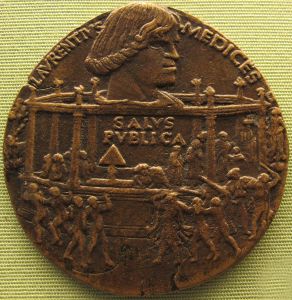 highlight the ingenuity of the artist’s designs across media, including bronze, wood, and terracotta, and provide the first chance to fully explore longstanding questions of attribution, function, groupings, and intended display. Bertoldo di Giovanni: The Renaissance of Sculpture in Medici Florence will bring into focus the sculptor’s unique position at the heart of the artistic and political landscape in fifteenth-century Italy.
 Boomers Daily