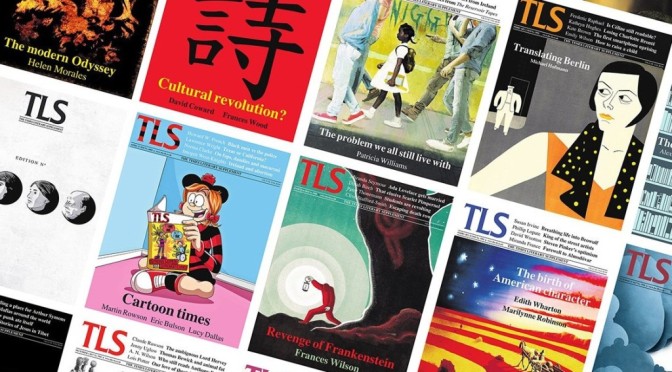
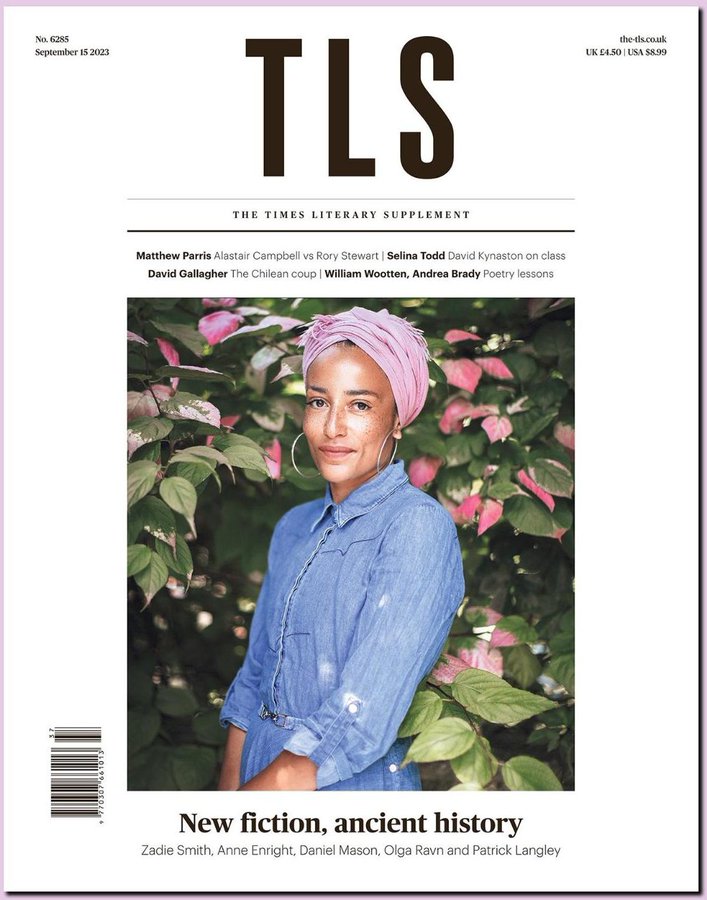
Times Literary Supplement (September 15, 2023): The new issue features what connects the novelist William Harrison Ainsworth, the Tichborne Trial and life on a sugar plantation in Jamaica? In a New Yorker essay Zadie Smith spelt out the preoccupations of The Fraud, her novel set in the Victorian era, as “fake identities, fake news, fake relationships, fake histories”. Ainsworth, in Smith’s view, was a fraud as a historical novelist.
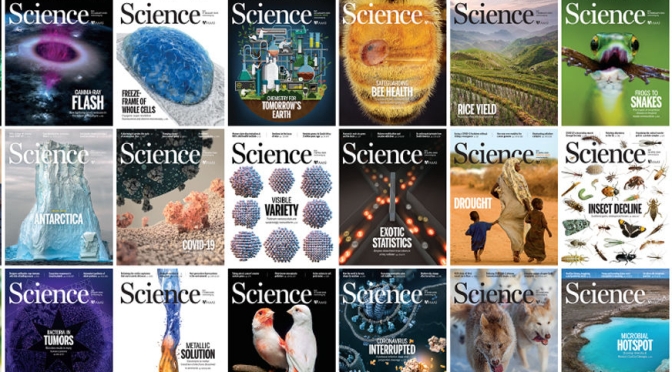
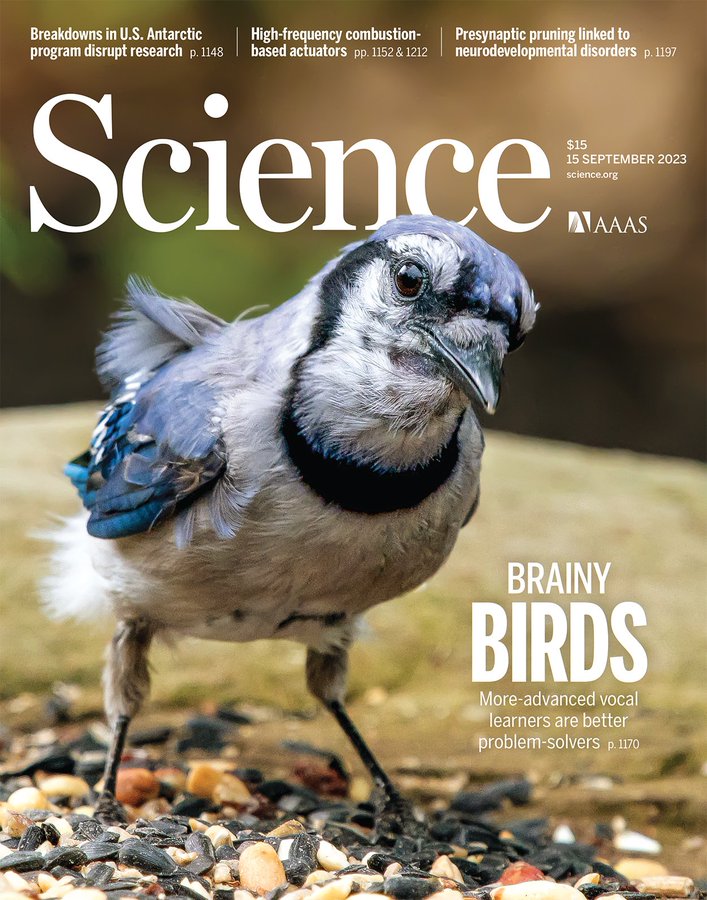
Science Magazine – September 15, 2023: Blue jays, similar to other corvid songbirds, are known for their impressive cognitive abilities, presumably due to their relatively large brains.
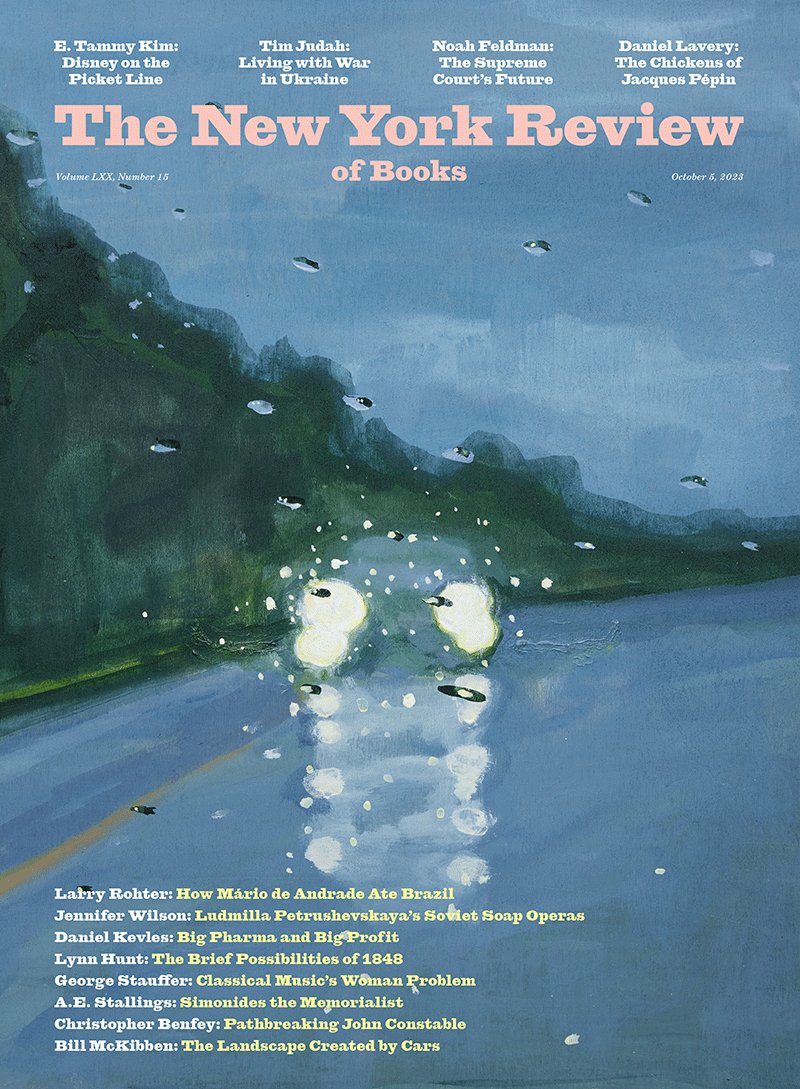
The New York Review of Books (October 5, 2023) – The new issue features Jennifer Wilson on Ludmilla Petrushevskaya’s unsettlingly funny tales of domestic un-bliss, Tim Judah on the new normal in Ukraine, Daniel M. Lavery on Jacques Pépin, E. Tammy Kim on the 1941 Disney animators’ strike, Christopher Benfey on John Constable, Bill McKibben on a planet smothered in asphalt, Lynn Hunt on the revolutions of 1848, Noah Feldman on the Supreme Court’s conservative bloc, A.E. Stallings on Simonides, poems by Devin Johnston and Claire DeVoogd, and much more.
Some months ago I was having dinner with a writer from Moscow. I told him I was thinking of reviewing a new translation of Ludmilla Petrushevskaya’s Kidnapped, a Bollywood-inspired novella that pays homage to the Soviets’ love of Indian cinema. “Don’t do it,” he—a friend of hers—warned me. “If she doesn’t like what you write, she will turn you into a character in one of her stories—the stupid girl in New York who doesn’t know anything.” Being a longtime admirer of Petrushevskaya, I wasn’t too worried: realism is not her thing.
On August 8 I went to the Jellyfish Museum in Kyiv. During my previous visits to the city, it had been closed because of the war. Now it has reopened. In the gloom the fantastical creatures drifted about in their tanks while couples, friends, and families drifted about happily looking at them. In Kharkiv, in eastern Ukraine close to the Russian border, the Half an Hour café, where I wrote for a couple of days before Russia launched its full-scale invasion on February 24, 2022, has also just reopened.
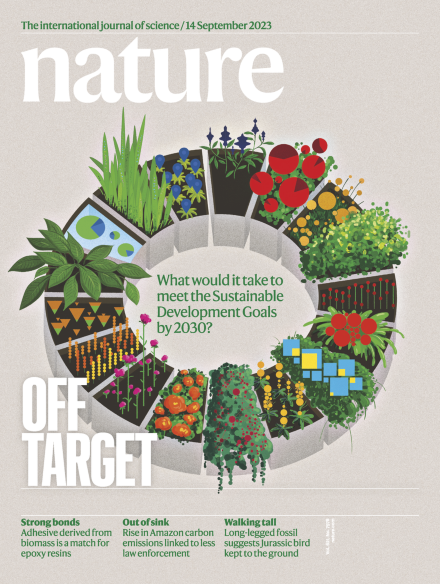
nature Magazine – September 14, 2023: In this week’s issue, 193 countries agreed to work towards 17 goals aimed at improving the lives of people around the world. From eliminating poverty and reducing hunger to tackling global warming and taking care of biodiversity, the Sustainable Development Goals have since taken their place in corporate plans and government policy.
Nature looks at the detective work required to confirm a controversial claim of finding interstellar debris.
A research team made headlines last week when it claimed to have scooped up from the sea floor fragments of a meteorite that came from beyond our Solar System1. Finding such an interstellar sample on Earth would be exciting because it might shed light on how planets and stars beyond our own form. But a number of scientists say that the evidence that the material came from another planetary system is not convincing so far.
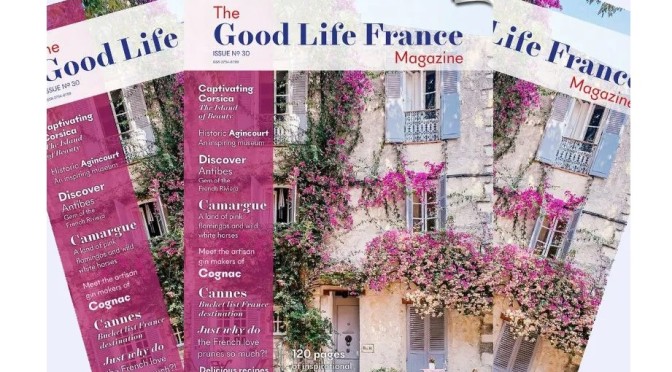
The Good Life France Magazine – Autumn 2023:The latest issue features A real-life sleeping beauty castle at Chateau de Gudanes, the historic city of Rouen, and highlights of Saint Malo, Brittany, Breton and Provence…
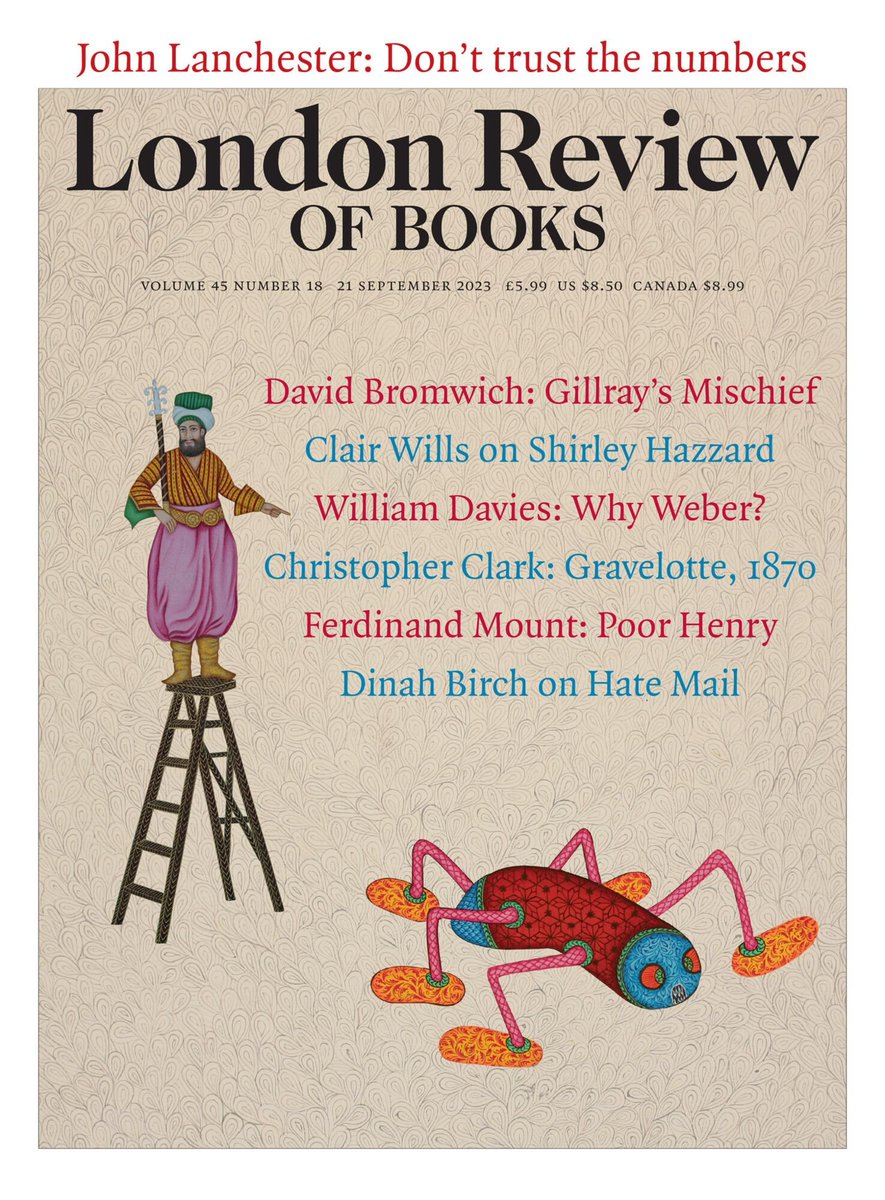
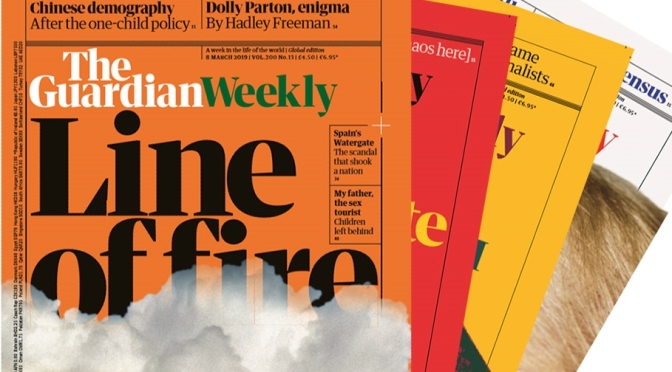
London Review of Books (LRB) – September 21, 2023: The new issue features John Lanchester on statistics, William Davies on Weber, nihilism and universities @dlbirch1 on hate mail, Ferdinand Mount on Henry III Clair Wills on Shirley Hazzard and a cover by Alexander Gorlizki.
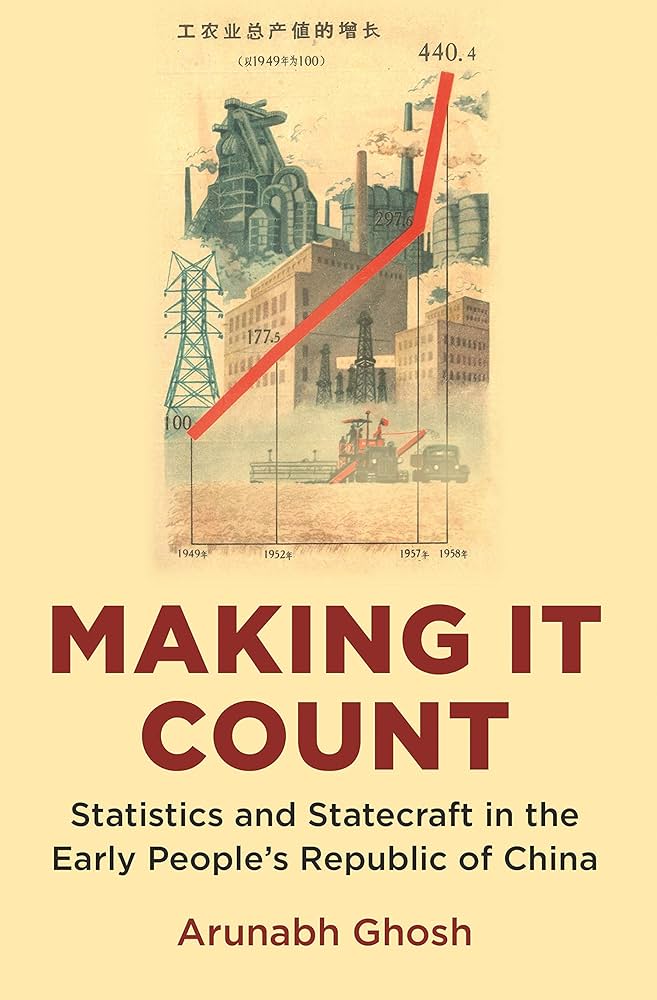
Making It Count: Statistics and Statecraft in the Early People’s Republic of China (Histories of Economic Life, 10) by Arunabh Ghosh
At a dinner with the American ambassador in 2007, Li Keqiang, future premier of China, said that when he wanted to know what was happening to the country’s economy, he looked at the numbers for electricity use, rail cargo and bank lending. There was no point using the official GDP statistics, Li said, because they are ‘man-made’. That remark, which we know about thanks to WikiLeaks, is fascinating for two reasons. First, because it shows a sly, subtle, worldly humour – a rare glimpse of the sort of thing Chinese Communist Party leaders say in private. Second, because it’s true. A whole strand in contemporary thinking about the production of knowledge is summed up there: data and statistics, all of them, are man-made.
Desperate searches for survivors continued in Morocco’s Atlas mountains after last Friday’s 6.8-magnitude earthquake, which killed thousands of people. Peter Beaumont reports from remote villages devastated by the country’s deadliest quake in six decades.
A worse disaster still appeared to be unfolding further along the north African coast in Libya, where up to 10,000 people were feared missing after flooding caused by the collapse of two dams. Details were only just emerging at the time of the Weekly going to press on Tuesday, but you can find the latest updates here.
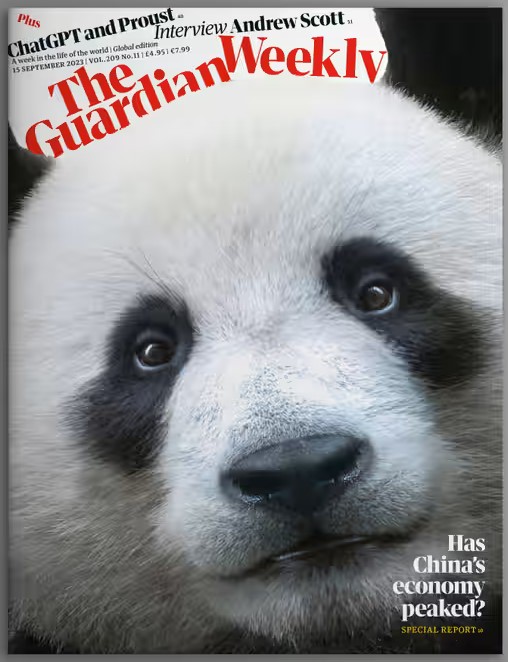
First there were the bewildering DNA test results, then the long-forgotten fertility blog. Jenny Kleeman tells the remarkable tale of a discovery that would change the lives of two American families for ever.
Also in Features is American author Elif Batuman’s entertaining account of what happened when she asked the AI chatbot ChatGPT for assistance with a quote from Proust, leading her down a digital rabbit hole she never could have foreseen.
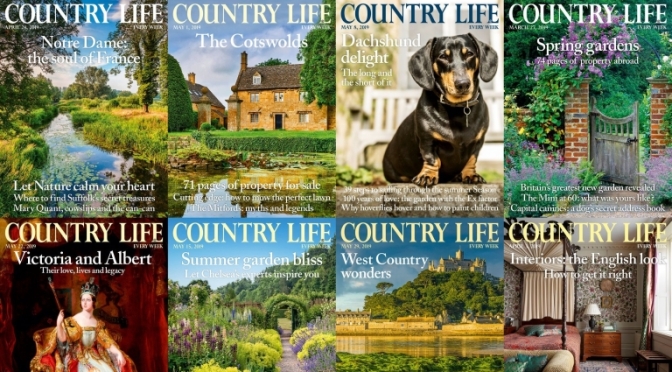
Country Life Magazine – September 13, 2023:The new issue features the more outlandish and risqué techniques plants have developed to spread their seed, a magical garden restoration at Aldourie Castle in Inverness-shire, the origins of Spetchley Park, Worcestershire, and more…
Fifty shades of green
John Wright investigates some of the more outlandish and risqué techniques plants have developed to spread their seed
A Scottish fairy tale
George Plumptre is spellbound by a magical garden restoration at Aldourie Castle in Inverness-shire
An architectural accident
In the first of two articles, John Goodall explores the origins of Spetchley Park, Worcestershire
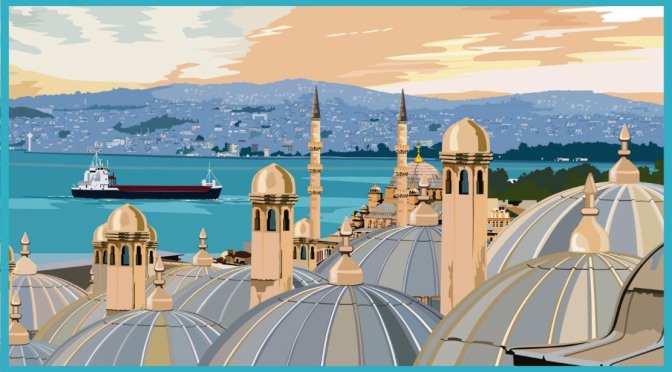
The Times and The Sunday Times (September 11, 2023) – No exaggeration, Turkey’s rambling former capital, unspooling either side of the broad Bosphorus strait, is up there among the friendliest places you could visit for a long Euro-style weekend. Hospitality is in the Turks’ DNA, whatever you might think about the politics. The weather will always deliver too: midwinter has a snowy, Soviet chill that is super atmospheric, while spring and late summer into autumn turn the city into a giant urban resort, with bars, cafés and pool-trimmed hotels lining the endless waterfronts on Asian and European banks.
Karabatak
What to do
● What was founded as the Byzantine emperor Justinian’s 6th-century church has ballooned over aeons into the Hagia Sophia. Now a mosque, it’s a gargantuan spectacle. Enter and in the spiritual gloom a magnificence develops, daylight angling through windows in the galactic dome light years above. Remarkably there is even runic graffiti, carved by a mercenary from the Viking age (free; muze.gen.tr).
● Allocate a day to explore Topkapi Palace, home of the Ottoman sultans built in 1459 by Mehmet the Conqueror, who grabbed Constantinople from the fading Byzantines. Chamber after chamber reveals military regalia and priceless gifts from dynasties as far away as China. The Bosphorus views are magnificent and the emerald lawns are made for lounging on (£20, includes harem access; muze.gen.tr).
● The Ecumenical Patriarch, spiritual leader of Eastern Orthodox Christians worldwide, resides at the Patriarchate of Constantinople, a serene neoclassical complex in Fener district, above the waters of the Golden Horn creek. Join global pilgrims in the glittery cathedral aisles and witness, perhaps, the divine liturgy or, later, vespers — black-clad, scented and seductively mystic (free; ec-patr.org).
● We associate art nouveau with Paris and Budapest, but in the twilight years of the Ottomans it flourished in Istanbul. Casa Botter (originally Botter Apartmani), built on Istiklal Caddesi at the turn of the 20th century for a tailor to Sultan Abdul Hamid, was the city’s first example. After decades of neglect it’s now a must-visit art gallery and, façade-wise, a real kooky looker, chiselled and Viennese-ornate (free; Instagram @casabotter).





















 Boomers Daily