Tag Archives: Research

Dementia: Antioxidant “Flavonols” From Fruits & Vegetables Lower Alzheimer’s Risk By 48%

From a Rush University Medical Center online article:

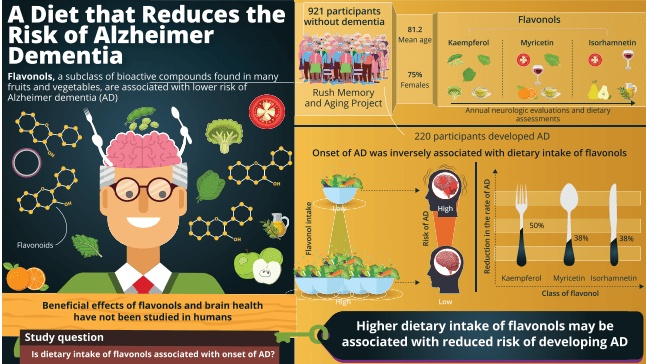
The study found that participants in the group with the highest flavonol consumption were 48% less likely to develop Alzheimer’s dementia later on in life than participants with the lowest level. Of the 186 people in the highest group, 28 people, or 15%, developed Alzheimer’s dementia, compared to 54 people, or 30%, of the 182 people in the lowest group.

flavonols infographic Neurology Journal January 29 2020

People who eat or drink more foods with flavonol, which is found in nearly all fruits and vegetables, plus tea and wine, may be less likely to develop Alzheimer’s dementia, according to the Rush researchers. They published the results of their study in the Jan. 29 online issue of Neurology.

Flavonols are a type of flavonoid, a group of phytochemicals found in plant pigments. They are known for their beneficial effects on health due to their antioxidant and anti-inflammatory properties.

A total of 921 people with an average age of 81 participated in the Neurology study. These participants did not have Alzheimer’s dementia when starting the study.

Read more

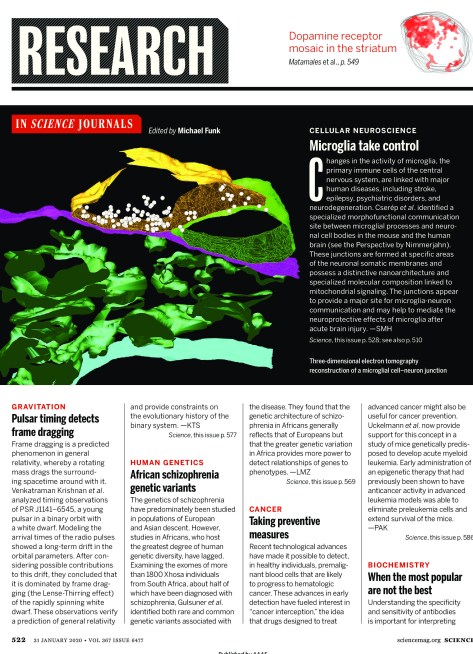
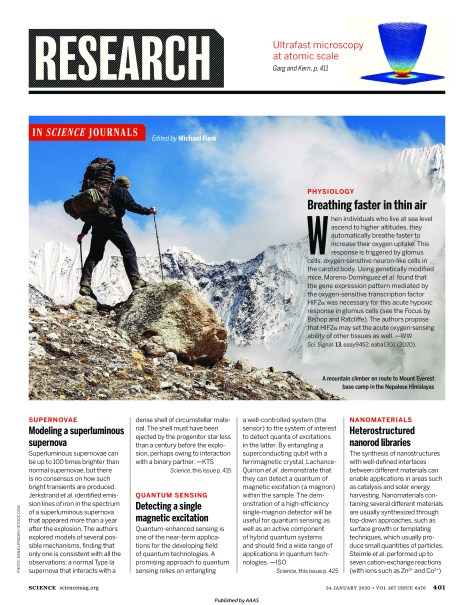
Science Podcasts: Low-Cost Cryo-Electron Microscopes & Genetic Roots Of Schizophrenia

Science Magazine PodcastsStructural biologists rejoiced when cryo–electron microscopy, a technique to generate highly detailed models of biomolecules, emerged. But years after its release, researchers still face long queues to access these machines. Science’s European News Editor Eric Hand walks host Meagan Cantwell through the journey of a group of researchers to create a cheaper, more accessible alternative.

Cryo-Electron Microscopes

Also this week, host Joel Goldberg speaks with psychiatrist and researcher Goodman Sibeko, who worked with the Xhosa people of South Africa to help illuminate genetic details of schizophrenia. Though scientists have examined this subject among Western populations, much less is known about the underlying genetics of people native to Africa.

Website

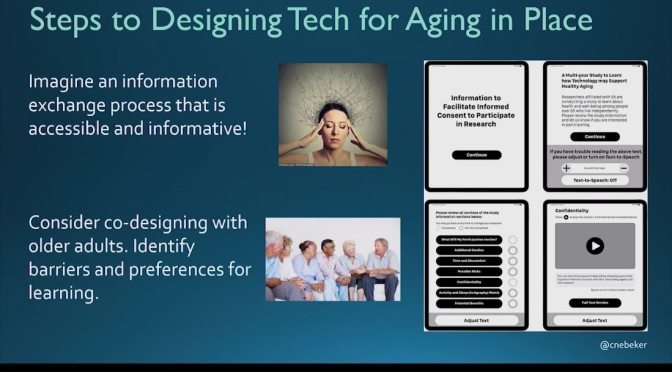
Research: “Designing Tech For Healthy Aging In Place” (UC San Diego Video)

Digital tools including mobile apps, wearable sensors, and social network platforms offer unprecedented opportunities in health research and healthcare. However, this rapidly emerging sector is outpacing existing regulatory structures and challenging norms for ethical practice.

Camille Nebeker, EdD, MS, Associate Professor of Behavioral Medicine in the Department of Family Medicine & Public Health at the UC San Diego School of Medicine describes how technologies, including wearable sensors and artificial intelligence, are leveraged to capture personal health data and infer health status. Nebeker presents the ethical considerations specific to informed consent, risks of harm and potential benefits while underscoring the role that funding agencies, policy makers, researchers, ethicists, and editors have in creating the infrastructure needed to advance safe digital health research and practice.

Studies: Depression Diagnosis Increases Risk Of Dementia For Decades

From a PLOS Medicine online study:

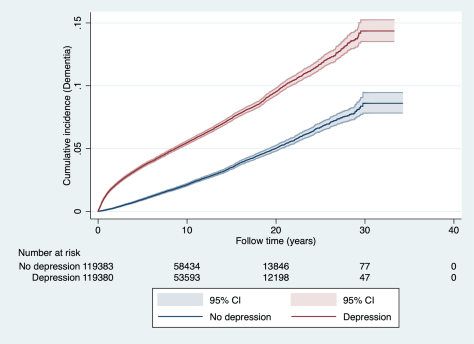
Depression is associated with increased odds of dementia, even more than 20 years after diagnosis of depression, and the association remains after adjustment for familial factors. Further research is needed to investigate whether successful prevention and treatment of depression decrease the risk of dementia.

The risk of dementia is increased for decades after a diagnosis of depression, where those diagnosed with especially severe depressions are at increased risk.

Risk of Dementia increased after diagnosis of Depression chart 2020

Dementia is common among the elderly, causing severe individual suffering as well as societal strain. As the proportion of people aged 65 years and above is rapidly increasing in the world population, the number of individuals with dementia is expected to double within 20 years, and this condition was estimated to have a worldwide cost of US$604 billion in 2010. Effective treatments for dementia remain scarce; however, a preventive approach may be possible through the identification of high-risk individuals and potentially modifiable risk factors.

Read full study

Science Podcasts: Stress Turns Hair Grey, Giant Sloths, Fake Whiskeys And Climate Change (Nature)

Nature PodcastsHear the latest science news, brought to you by Nick Howe and Benjamin Thompson.  This week, why stress makes mice turn grey, and how to think about climate change.

In this episode:

00:45 Going grey

Anecdotal evidence has long suggested stress as a cause of grey hair. Now, a team of researchers have showed experimental evidence to suggest this is the case. Research Article: Zhang et al.News & Views: How the stress of fight or flight turns hair white

08:39 Research Highlights

Ancient bones suggest that giant ground sloths moved in herds, plus an atomic way to check for whiskey fakes. Research Highlight: A bone bed reveals mass death of herd of giant ground slothsResearch Highlight: Nuclear-bomb carbon unmasks fraudulent luxury whisky

10:40 Climate optimism

To tackle climate change, the former UN secretary for climate change argues that the biggest change needs to be mindset. Comment: Paris taught me how to do what is necessary to combat climate change

18:09 News Chat

The latest on a new virus from Wuhan in China, and insights from ancient African genomes. News: China virus latest: first US case confirmedResearch Article: Lipson et al.

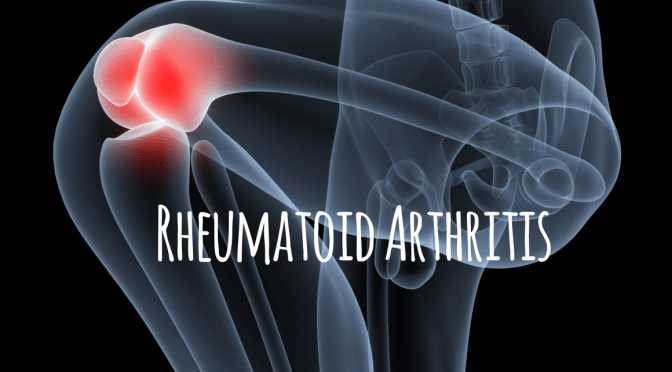
Research: Scientists Find Protein To Regulate Immune Attacks, Reduce Rheumatoid Arthritis

From a New Atlas online article:

1200px-Karolinska_Institutet_seal.svgScientists have just discovered a new mechanism that can be key in regulating these immune attacks, raising new hopes of drugs that can protect against joint inflammation and the ailments it can bring.

Through the use of the CRISPR gene-editing tool, the Karolinska Institutet scientists have now shed further light on the role they play in inflammation. The technology enabled the team to make adjustments to a set of hand-picked immune cell genes as a way of learning how those tweaks can impact the behavior of the cells.

“The results we obtained using CRISPR were key to quickly understanding how the system under study is regulated,” says Dr Wermeling. “I have high hopes that the experimental use of CRISPR will be hugely important to our understanding of how immune-cell behavior is regulated, and that this can guide us in the development of new efficacious drugs.”

https://newatlas.com/medical/newly-understood-protein-raises-hopes-of-advanced-arthritis-treatments/?utm_source=New+Atlas+Subscribers&utm_campaign=68b0bd3225-EMAIL_CAMPAIGN_2020_01_21_02_40&utm_medium=email&utm_term=0_65b67362bd-68b0bd3225-93002753

Top New Science Podcasts: Lack Of Clinical Trial Reporting, Gut Microbe Links To Chronic Disease

Science Magazine PodcastsThough a law requiring clinical trial results reporting has been on the books for decades, many researchers have been slow to comply. Now, 2 years after the law was sharpened with higher penalties for noncompliance, investigative correspondent Charles Piller took a look at the results. He talks with host Sarah Crespi about the investigation and a surprising lack of compliance and enforcement.

Also this week, Sarah talks with Brett Finlay, a microbiologist at the University Of British Columbia, Vancouver, about an Insight in this week’s issue that aims to connect the dots between noncommunicable diseases like heart disease, diabetes, and cancer and the microbes that live in our guts. Could these diseases actually spread through our microbiomes?

Top New Science Podcasts: Latest Trends In Research, Carnivorous Plant Traps

Science Magazine PodcastsWe start our first episode of the new year looking at future trends in policy and research with host Joel Goldberg and several Science News writers. Jeffrey Mervis discusses upcoming policy changes, Kelly Servick gives a rundown of areas to watch in the life sciences, and Ann Gibbons talks about potential advances in ancient proteins and DNA.

In research news, host Meagan Cantwell talks with Beatriz Pinto-Goncalves, a postdoctoral researcher at the John Innes Centre, about carnivorous plant traps. Through understanding the mechanisms that create these traps, Pinto-Goncalves and colleagues elucidate what this could mean for how they emerged in the evolutionary history of plants.