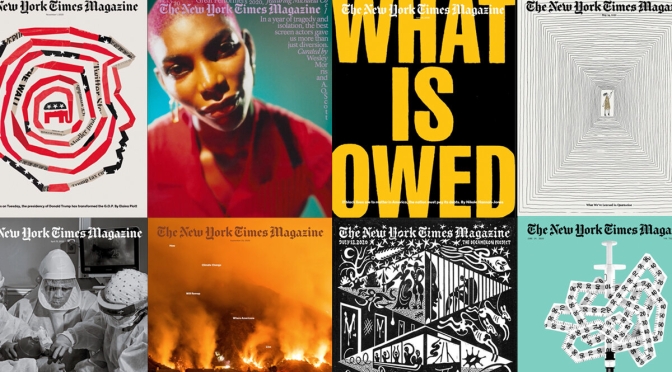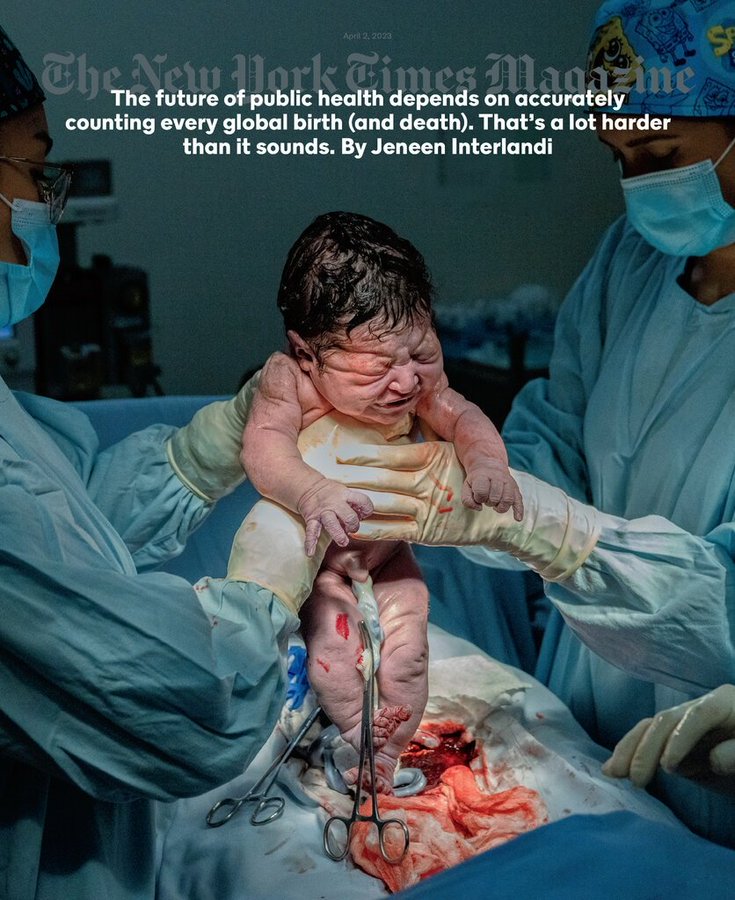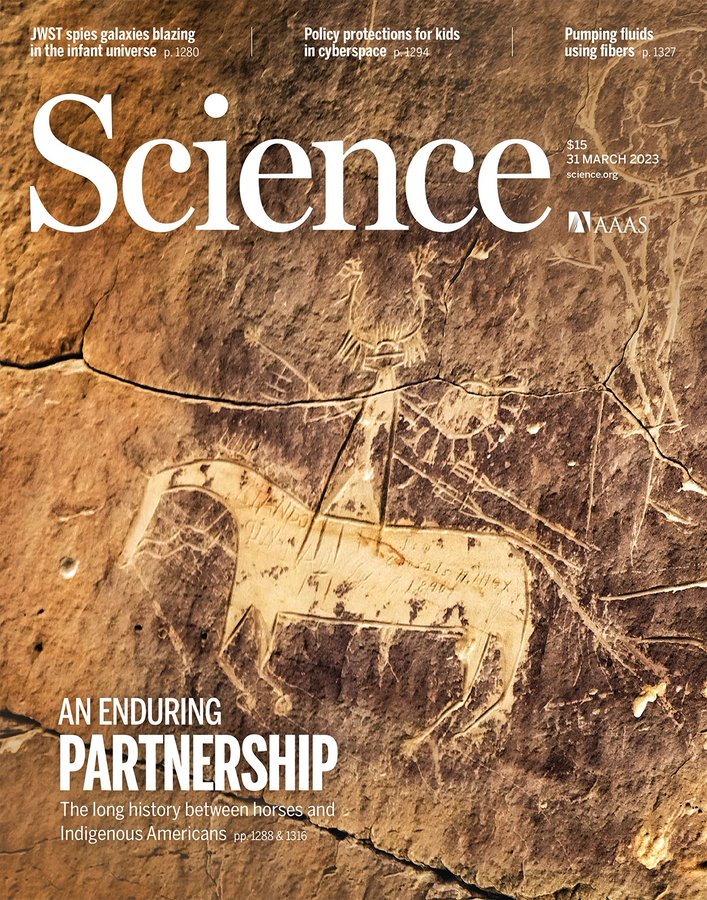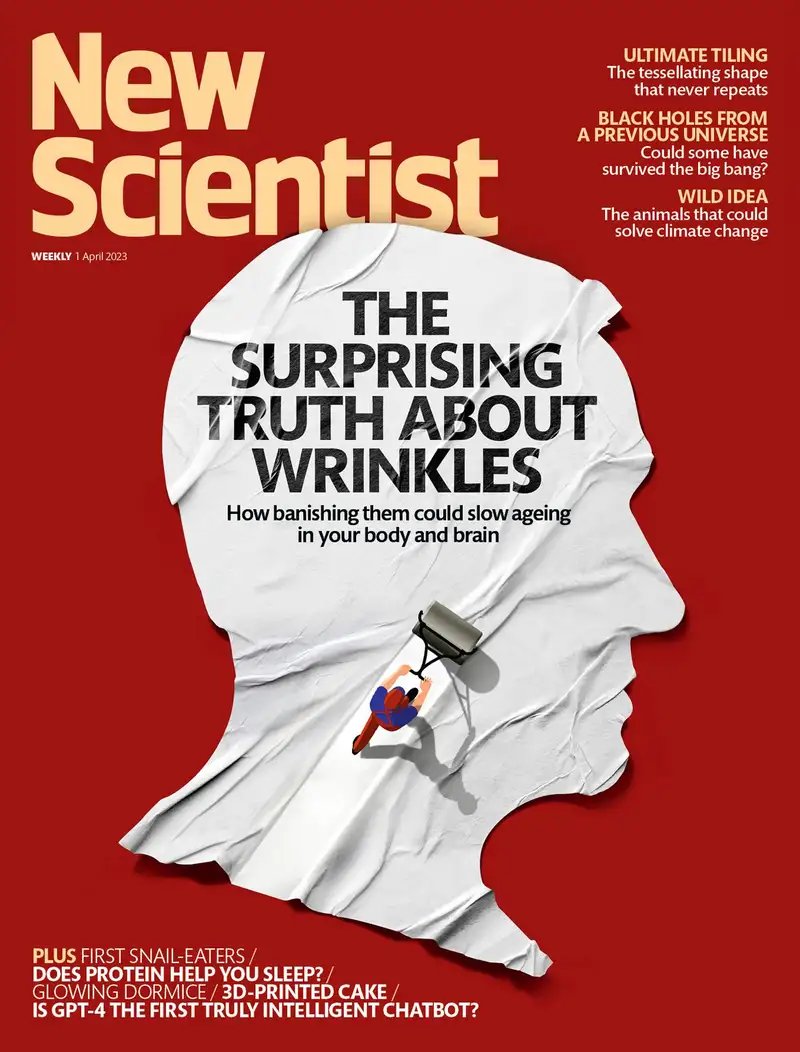
The number of people under 50 with cancer is increasing in many countries and for many different tumour types. Why this is occurring isn’t entirely clear, but it may be due to some aspects of modern life
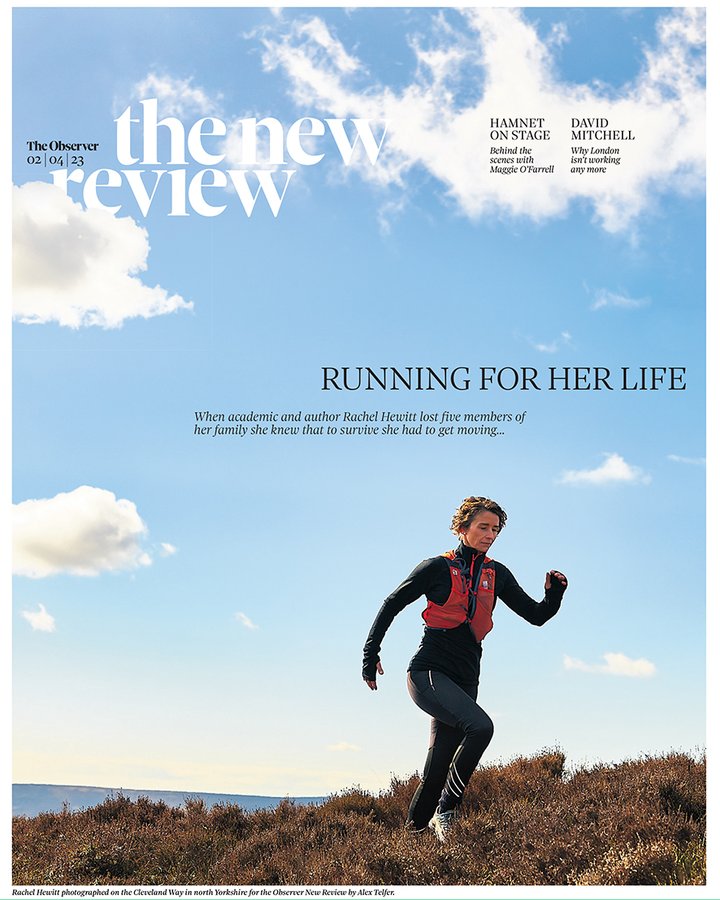
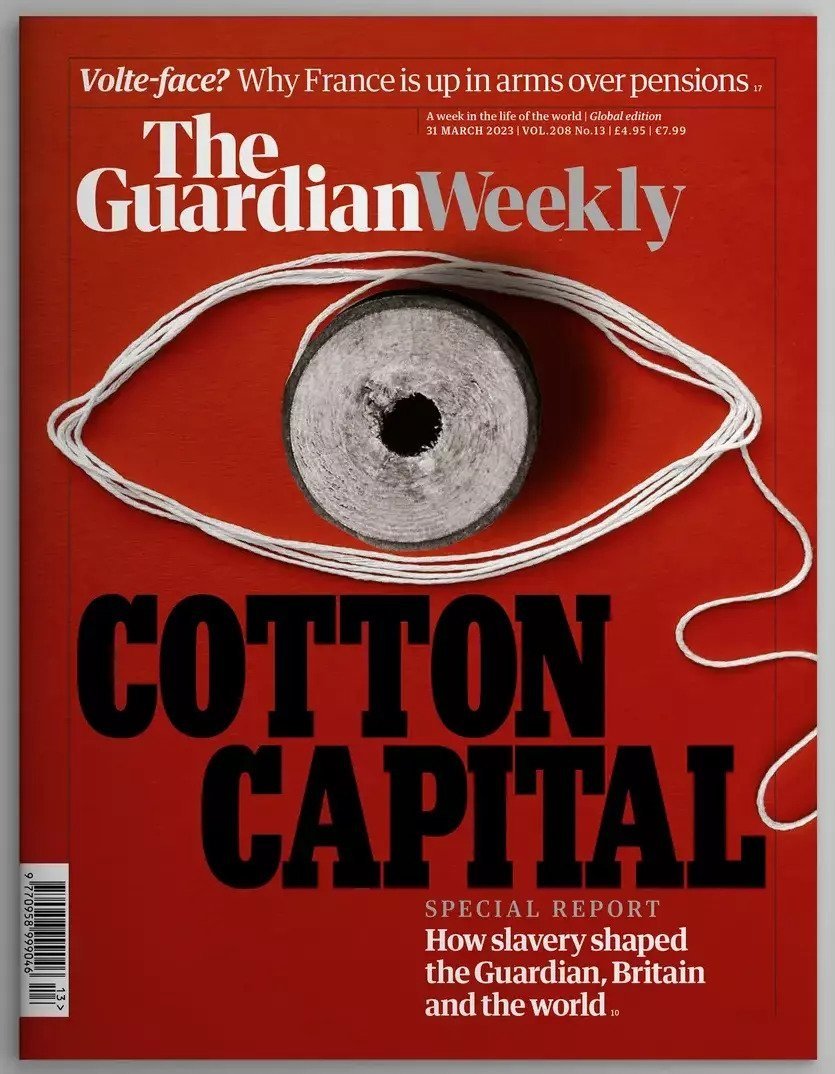
The Guardian Weekly (March 31, 2023) – This week sees an important moment in the history of the Guardian with the launch of Cotton Capital, a series revealing the links between the 19th-century Manchester founders of the newspaper, the transatlantic cotton industry and the enslaved labour upon which the trade was built.
In France, national protests against the proposed increase to the pension agehave become so inflamed that a state visit by Britain’s King Charles had to be postponed. Kim Willsher reports on a wave of anger and how women are at the forefront of the demonstrations.
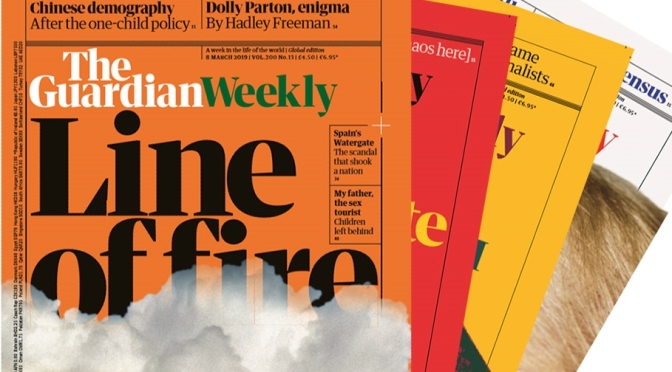
As if life wasn’t pressurised enough already for top-level football referees, the advent of video assistant technology only seems to have made the job even harder than ever, leading to a slew of controversial decisions. From hotel breakfasts to being holed up in front of TV monitors, William Ralston goes behind the scenes with the men and women in black.
On the Culture pages, there’s also a great interview with the indie supergroup Boygenius, whose band members Phoebe Bridgers, Lucy Dacus and Julien Baker talk to Laura Barton about songwriting, friendship and group therapy.
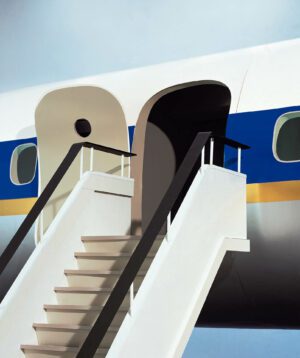
Sotheby’s (March 29, 2023) – In 1962, the late legendary Italian-American art dealer Leo Castelli hosted Roy Lichtenstein’s first solo exhibition at his eponymous gallery in New York City, and subsequently worked with the artist throughout his life.
In this Expert Voices, art historian and Director of Leo Castelli Gallery, Barbara Bertozzi Castelli shares her interpretation of Figures, recalling her memories working with her husband and Lichtenstein whom she felt was a modest and dedicated artist, and among those that changed the path of American art in the postwar period.
A key figure in the Pop art movement and beyond, Roy Lichtenstein (1923–1997) grounded his profoundly inventive career in imitation—beginning by borrowing images from comic books and advertisements in the early 1960s, and eventually encompassing those of everyday objects, artistic styles, and art history itself. Referring to Lichtenstein’s equalizing treatment of the subjects he chose for his art, Richard Hamilton, a fellow Pop artist, wrote in 1968: “Parthenon, Picasso or Polynesian maiden are reduced to the same kind of cliché by the syntax of the print: reproducing a Lichtenstein is like throwing a fish back into water.”
Left to right: Gerald Cassidy, Cui Bono?, about 1911. Collection of the New Mexico Museum of Art: Gift of Gerald Cassidy, 1915 (282.23P). Gerald Cassidy, Midday Sun, North Africa, 1920s.
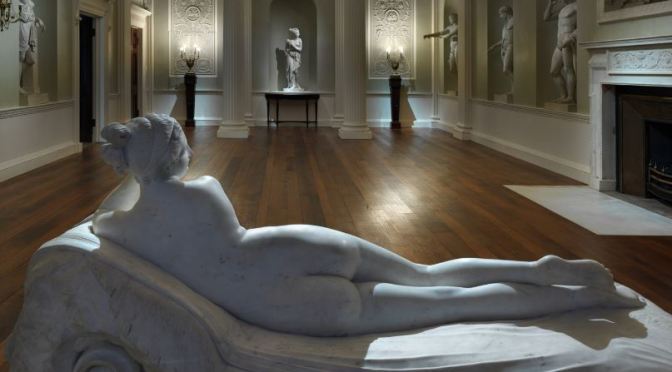
Denver Art Museum (March 27, 2023): Artworks in Near East to Far West: Fictions of French and American Colonialism(through May 29)present a range of representations from sympathetic to stereotyped. Indeed, racialized stereotypes such as the “Noble Savage” and odalisque (a woman in a female-only domestic space, or harem, who is often overly sexualized in European art) circulated throughout French Orientalism and western American art.
Acknowledging the ongoing harm of such representations, we knew that we needed to make space for diverse perspectives: essentially, to make room for the voices too often repressed or ignored in the artwork.
Many Americans who advocate it have little interest in religion and an aversion to American culture as it currently exists. What really defines the movement?
Kenyon Review – Spring 2023 issue includes a folio of literature in translation guest edited by award-winning translators Jennifer Croft, Anton Hur, and Jeremy Tiang. The issue also includes poetry by Kwame Dawes, Timothy Donnelly, K. Iver, and Danusha Lameris; fiction by Sam J. Miller, Michael Tod Powers, J. T. Sutlive, and Lindsay Turner; nonfiction by A. J. Bermudez; and the winner of the 2022 Short Fiction Contest, judged by Karen Russell. The cover art is by Pamela Phatsimo Sunstrum.
“A Field Guide to the Bear-Men of Leningrad” : a rare non-speculative thing from me, about boyhood & masculinity & human monstrosity in 1930s Russi… https://instagr.am/p/CqDkW1jsCI5/
While retirement planning is a decadeslong endeavor, the way you handle your final decade before leaving the workforce will have a critical impact on how ready you’ll be when that day finally arrives.
“It hits about 10 years out—this train is coming to me,” says Danielle Byrd Thompson, a financial professional at Equitable Advisors in Washington, D.C. “It’s like a time clock is starting.”
With fat yields and more safety than common stock, preferred shares can be lifeboats for investors navigating banking’s stormy seas. Why bigger is better for small investors.
Margaret Atwood’s new book is “Old Babes in the Wood.”Credit…Arden Wray for The New York Times
Her new story collection, “Old Babes in the Wood,” offers elegiac scenes from a marriage plus a grab bag of curious fables.
There are authors we turn to because they can uncannily predict our future; there are authors we need for their skillful diagnosis of our present; and there are authors we love because they can explain our past. And then there are the outliers: those who gift us with timelines other than the one we’re stuck in, realities far from home. If anyone has proved, over the course of a long and wildly diverse career, that she can be all four, it’s Margaret Atwood.
Michael Lesy’s book of historical photographs and found text offers a singular portrait of American life.
Michael Lesy’s 1973 book “Wisconsin Death Trip” is an American oddity, a cult classic for a reason. In a way that few documentary texts do, it makes us leave the baggage of modernity at the trailhead. It forces us back into the inconceivably long nights in rural and small-town America before the widespread use of electricity, before radio, before antibiotics for dying children and antidepressants for anxiety bordering on mania, when events could make a family feel that some nocturnal beast had chalked its door.
The first installment of an essay series on American literature and faith.
I am a child of the church. In an early memory, I am 6 years old, half-asleep in the back of my grandparents’ station wagon on the way home from a revival…
News, Views and Reviews For The Intellectually Curious