

 The motifs of Thöny’s art are informed by the pervasive unease of the interwar years, whose apprehensions he portrayed in the grotesque and nightmarishly somber drawings he created around 1920 for his unpublished Buch der Träume (Book of Dreams). Other works, however, render serene and idyllic landscapes and urban views as well as scenes from social life.
Wilhelm Thöny (1888 Graz, AT—1949 New York, US) was a restless cosmopolitan and indefatigable networker whose peripatetic career took him far beyond Austria’s borders. A cofounder of the Secession in his native Graz, he made friends along the way—he spent time in Munich and Paris, on the Côte d’Azur and in New York, among other places—but zealously guarded his creative independence, building an oeuvre that did not align with any of the major tendencies of the period.
The Museum der Moderne Salzburg’s first exhibition devoted to Thöny’s oeuvre since 2010 presents around two hundred works from the museum’s own collection. One highlight in the show are the (letter) illustrations in the artist’s Scrap Book from the 1930s. Observations from everyday life captured with lighthearted humor are interspersed between reflections on the increasingly oppressive political situation. It is the first time that this body of work, which is of outstanding value both for its artistic quality and as a document of its time, is shown in its entirety in Salzburg.

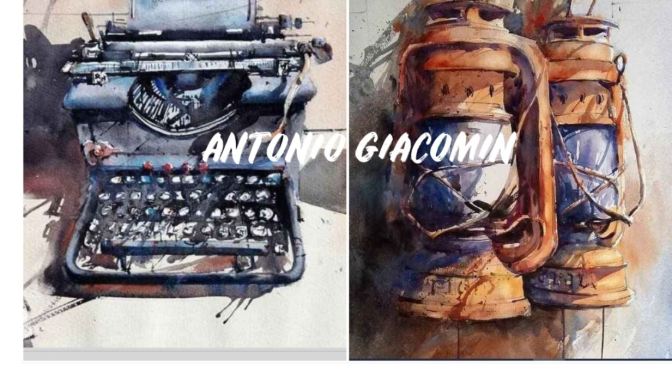
 was born in Serra Gaúcha, where, in 1980, he started in the universe of painting. It was to improve in the United States, Mexico and Europe. In 2007, he launched the book “Poesias em Aquarela”, an inventory of thematic images resulting from trips undertaken in various regions of Rio Grande do Sul.

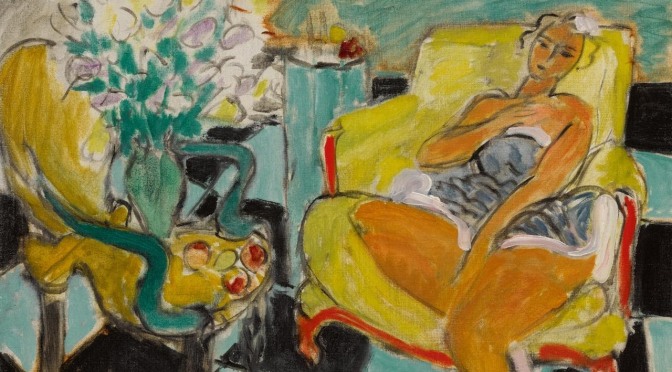
 Unseen since 1949 and set to appear at auction for the first time, this beautiful work is a quintessential example of Henri Matisse’s sensuous odalisques. The elegant model is Italian countess Carla Avogadro, reclining on an extravagant Venetian Rococo armchair that Matisse bought on a whim and, in his own words, became “obsessed” with. ‘Danseuse dans un intérieur, carrelage vert et noir’
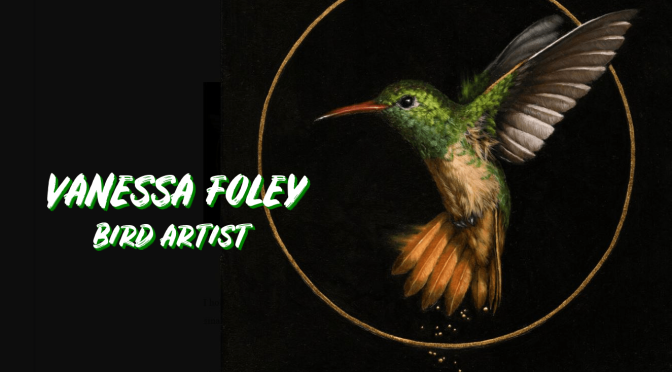
 Vanessa Foley is a professional bird artist based in the North of England. She regularly shows her work in notable galleries in the UK and America, has work in private collections worldwide and is a member of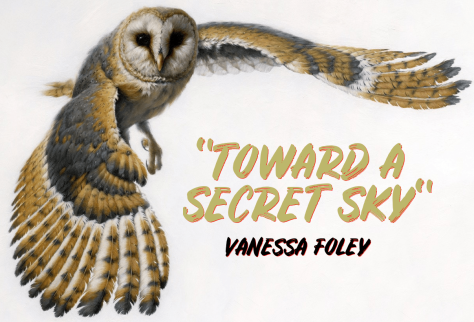
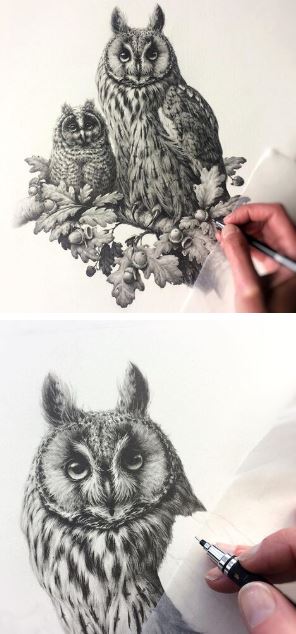 An artist from Newcastle, England she is known for her intensely detailed graphite drawings and emotionally rich oil paintings. She has become a long-standing member of the Antler Gallery roster since we first exhibited her work four years ago.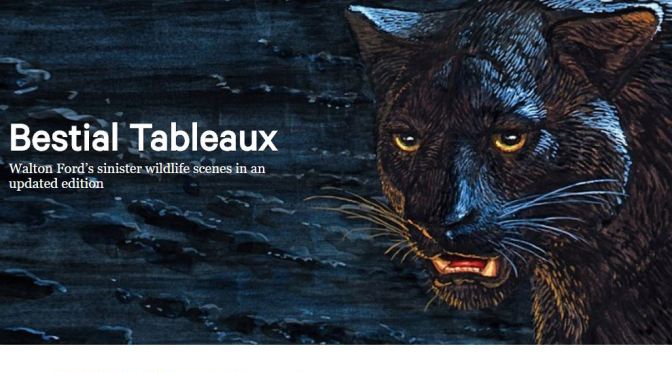
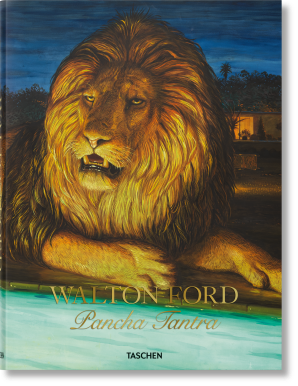 In this stunning but sinister visual universe, beasts and birds are not mere aesthetic objects but dynamic actors in allegorical struggles: a wild turkey crushes a small parrot in its claw; a troupe of monkeys wreaks havoc on a formal dinner table; an American buffalo is surrounded by bloodied white wolves. In dazzling watercolor, the images impress as much for their impeccable realism as they do for their complex narratives.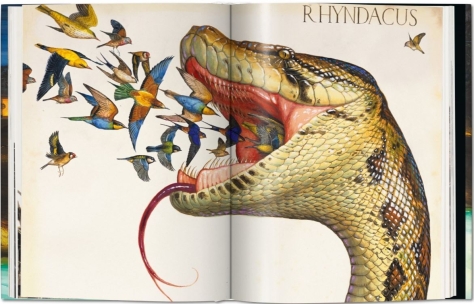
 Boomers Daily