

 Peggy Cyphers has a persistent vision of nature that she translates into richly colored and textured quasi-abstract paintings. She pours and lightly brushes countless layers of paint and sand onto the canvas until she achieves luminous and sumptuous surface. Approaching each canvas as a kind of garden where organic and geometric elements intermingle with intense light, she nurtures elaborate hybrid forms. David Ebony, ArtNet Magazine
Peggy Cyphers (born 1954) is an American painter, printmaker, professor and art writer, who has shown her work in the U.S. and internationally since 1984. Since Cyphers’ move to New York City over 30 years ago, her inventive and combinatory approaches to the materials of paint, silkscreen and sand have developed into canvases that explore the “Politics of Progress” as it impacts culture and the natural world.

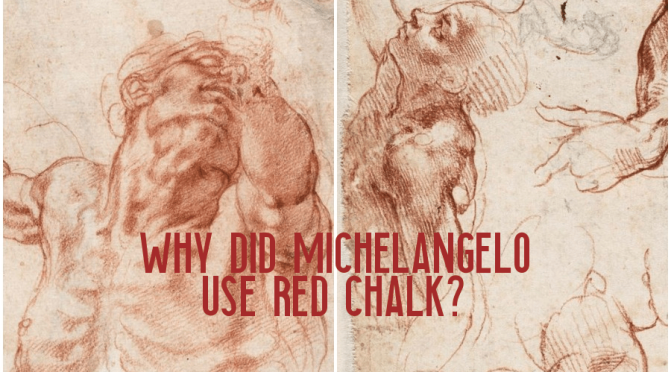
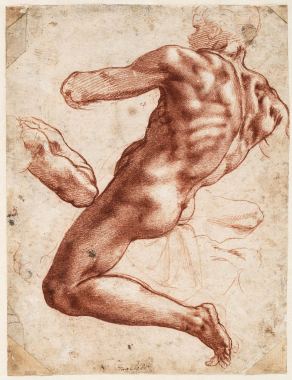 To work out the details of all the figures in pen and ink would have been extremely labor-intensive, and sharpening quills and mixing inks would’ve added an additional distraction. Drawing in chalk necessitated great skill, but it also allowed Michelangelo a flexibility. He could create subtle tonal variations by applying more or less pressure onto the chalk or by wetting it. The red chalk also provided an immediate mid-tone on the paper and could be easily blended when modeling and shading forms. Being a naturally occurring material that was available to artists in sticks that could be sharpened as desired, it was also convenient and portable.
 During his lifetime, Michelangelo likely produced tens of thousands of drawings. But being protective of his ideas, and to give an impression of effortless genius, he destroyed many of them. Today only about 600 drawings by the Renaissance artist survive.
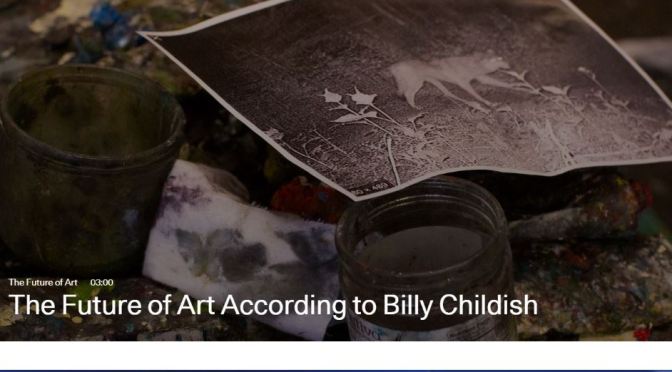
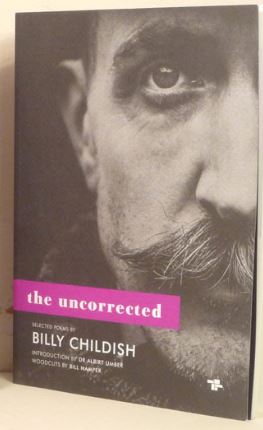 “The art world is the same as the rest of the world,” says British artist, writer, and punk-rocker Billy Childish. “What it requires is new, more, and now.” Childish has worked defiantly and prolifically outside of the mainstream since his expulsion from art school in the early 1980s. To the polymath—whose paintings, poems, novels, and music draw heavily from his autobiography—art is a deeply personal experience that should not rely on external validation, whether from critics or audiences. From his painting studio located on a historic dockyard in Kent, United Kingdom, Childish speaks passionately about the freedom that comes with self-validation. When asked about his perspective on the future of art, he demurs. “People think we’re continually ascending a mountain to success or to enlightenment,” he says. “It’s here and now and this is it.”
 Boomers Daily