
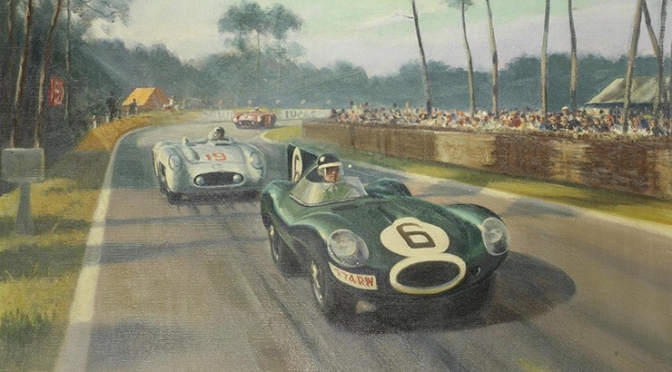
From a Grand Prix History online posting:
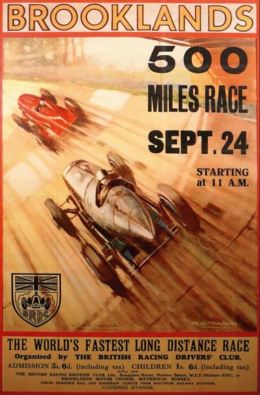 His work was displayed in many exhibitions in the UK and twenty four of his paintings were exhibited in New York in 1960. the exhibition was entitled ‘British Motoring Achievements’ and was a collection of paintings depicting outstanding performances of British cars during the previous ten years. These included the Vanwall and Cooper in Grand Prix, Monte Carlo and Alpine Rallies, speed records by MG and Austin, and Le Mans wins by Jaguar and Aston Martin.
Roy Anthony Nockolds was born in Croydon in south London, England on the 24th January 1911. He was the last of seven children; one of his brothers Harold F. L. Nockolds would later become a motoring journalist and author of the classic Rolls-Royce history, “Magic of a Name”. His mother Flora Mary van der Heyden was the great grand daughter of Dutch Baroque-era painter and inventor, Jan van der Heyden. His farther Walter Herbert Nockolds was a descendent of farmers who had originally come to Britain from the Frisian Islands.
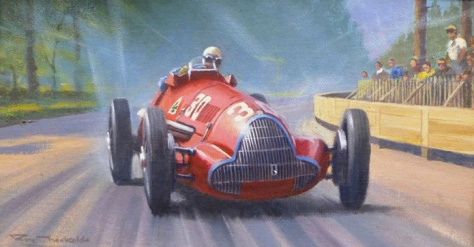
To read more: http://www.grandprixhistory.org/nockolds.htm
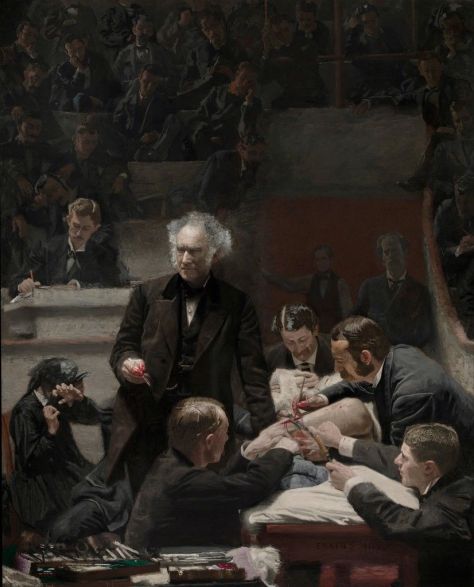
 One of the most successful artists of the Italian Renaissance, Titian was the master of the sixteenth-century Venetian school and admired by his royal patrons and fellow artists alike. Several of his contemporaries, including the authors and art theorists Giorgio Vasari, Francesco Priscianese, Pietro Aretino, and Ludovico Dolce, wrote accounts of Titian’s life and work.
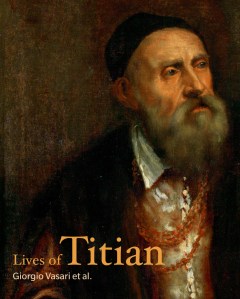 In this episode, Getty assistant curator of paintings Laura Llewellyn discusses what these “lives” teach us about Titian and the artistic debates and rivalries of his time. All of these biographies are gathered together in Lives of Titian, recently published by the Getty as part of our Lives of the Artists series.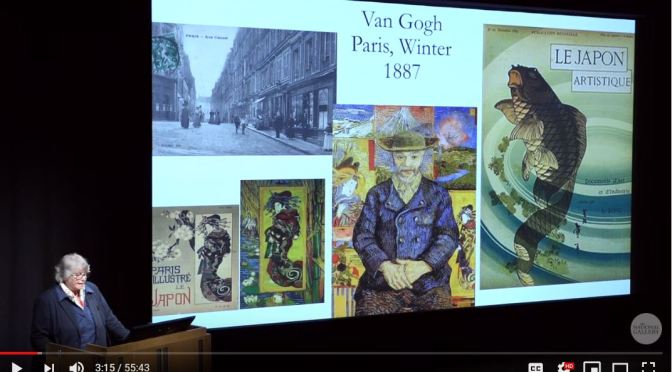
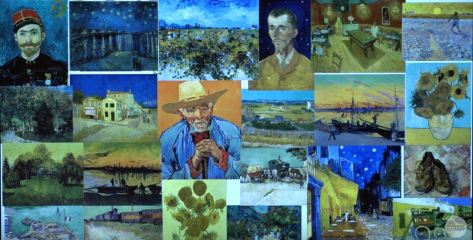
 The Credit Suisse Exhibition: Gauguin Portraits 7 October 2019 – 26 January 2020 Book tickets online and save, Members go free:

 In this artist’s book of 120 iPhone and iPad drawings,
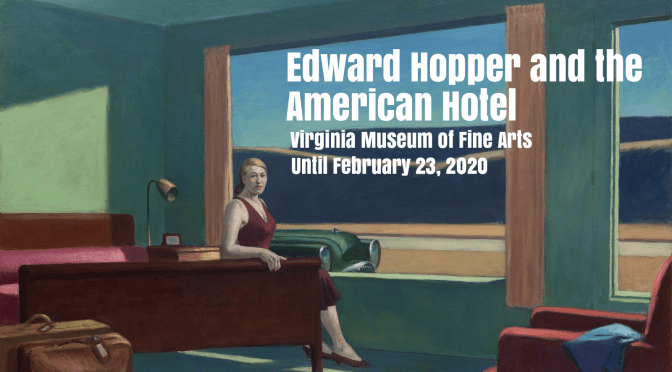
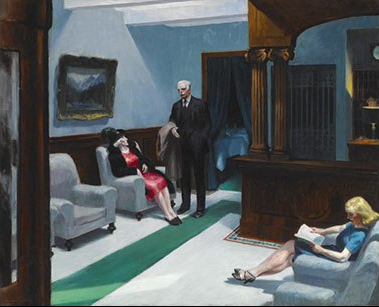 Isolation was a persistent theme in Hopper’s art and life. Was he dogged by isolation or did he pursue it? ‘Did anybody really know this silent, non-communicative man?’ asked Raphael Soyer in a 1981 interview, 14 years after Hopper’s death. His friends recollected a cynical and taciturn artist, self-doubting, introspective and distrustful of fame. But before Hopper became the painter of lonely figures in all-night diners, he was the illustrator of raucous party scenes and smiling couples waltzing together at summer fêtes.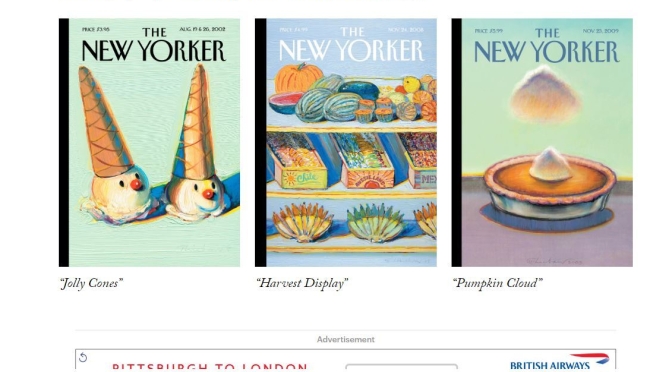
 Since all of my paintings—almost every single one except for the figure paintings—are done from memory, I rely specifically on the memory of working in restaurants, or of visiting farms on which I worked as a young person. I try to recall the look and feel and love of what I have experienced.
 The artist incorporates an array of art historical scenes such as John Martin’s English-Romantic apocalypses and Edouard Manet’s Luncheon on the Grass with ubiquitous imagery sourced from the Internet. The highly rendered areas in her paintings resemble a cascade of Google image search results where cellphone photos of skylines and gardens slide past gestural marks.
  Shulamit Nazarian is pleased to present Strange Little Beast, a solo exhibition of new works by Los Angeles-based painter Annie Lapin. This will be the artist’s first solo exhibition with the gallery.
 We conclude that Pollock avoided the appearance of the hydrodynamic instabilities, contrary to what was argued by previous studies. Pollock selected the physical properties of the paint to prevent filament fragmentation before deposition, and applied it while moving his hand sufficiently fast and at certain heights to avoid fluid filaments from coiling into themselves. An understanding of the physical conditions at which these patterns were created is important to further art research and it can be used as a tool in the authentication of paintings.
 Considered one of the most prominent American painters of the 20th century, the life and work of Jackson Pollock have been the subject of books, movies, and documentaries [
 Boomers Daily