
 This week, how the ‘sniff-response’ can help clinicians determine a patient’s state of consciousness, and how vaccines could help drive down antibiotic use.
In this episode:
00:45 Sniffing out consciousness
Researchers have found that the sniff reflex can indicate whether a patient is in a vegetative state, and even the likelihood that they will recover consciousness. Research Article: Arzi et al.
08:37 Research Highlights
The stupefying effect of carbon dioxide, and a chameleon gemstone that tricks your eyes. Research Highlight: Rising carbon dioxide levels will make us stupider; Research Highlight: How a chameleon gemstone changes from red to green
11:12 Vaccination and antibiotic usage
Looking at data from low- and middle-income countries, researchers have determined that vaccination could prevent millions of infections currently treated by antibiotics. Research Article: Lewnard et al.
16:49 Pick of the Briefing
We pick our highlights from the Nature Briefing, including the forgotten mother of climate change science, and a new global study on insect declines. Chemistry World: Eunice Foote: the mother of climate change; Science: Meta-analysis reveals declines in terrestrial but increases in freshwater insect abundances


 Coronavirus affects far more than just the lungs, and doctors and researchers in the midst of the pandemic are trying to catalog—and understand—the virus’ impact on our bodies. Staff Writer Meredith Wadman joins host Sarah Crespi to discuss what we know about how COVID-19 kills. See all of our News coverage of the pandemic here, and all of our Research and Editorials here.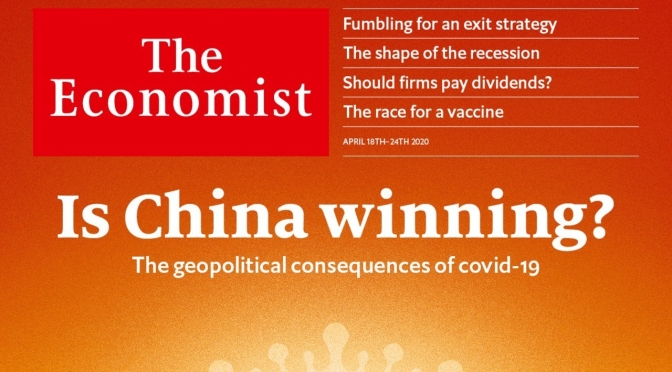
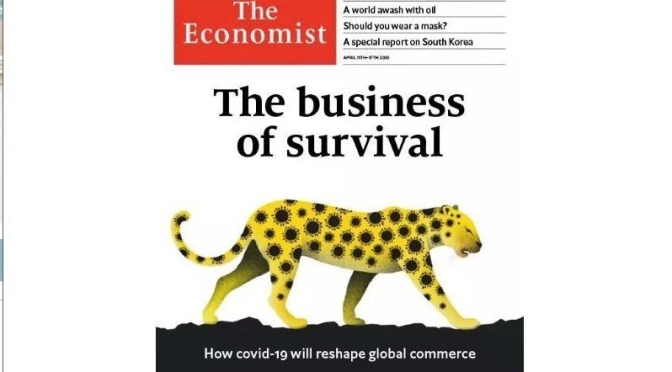
 A selection of three essential articles read aloud from the latest issue of The Economist. This week, is
 Jamie Waters explains how the fashion industry emerged as a vital contributor in the fight against the pandemic. Many brands, big and small, have pivoted to make masks and other protective equipment.

 Boomers Daily