
 The book features eleven curated neighborhood destination walks–guiding the reader through the energetic New York streets, passing restaurants and coffee shops, historical sights, museums and galleries, parks, and the kind of authentic and timeless sites that one hopes to find when imagining the city. Interwoven throughout are insider guides on how to eat like a New Yorker; explore the city’s most beautiful parks and gardens; navigate transit via ferry, subway, and bike; visit some of NYC’s most iconic TV and film locations.
“A locals’ treasure map to the secret spots favored by true New Yorkers.”
The “must-visit, must-see” travel list given to you by the New Yorker friend you wish you had. Vibrantly illustrated throughout, this practical guide transports readers to discover an insider’s view of the Big Apple. The vivid watercolors illustrate destinations of the architectural marvels, cultural hubs, food and drink spots, and music venues that make New York so exciting. Cultural musings, accessible histories, anecdotes, and informative details accompany the illustrations throughout, making this volume as practical as it is beautiful.
About The Author
Jessie Kanelos Weiner is an illustrator, food stylist, and author of Paris in Stride (Rizzoli) and Edible Paradise: A Coloring Book of Seasonal Fruits and Vegetables (Universe). Jacob Lehman is the coauthor of several guidebooks to the city, including The Best Things to Do in New York: 1001 Ideas and In Love in New York.
To purchase or review (February 2020)



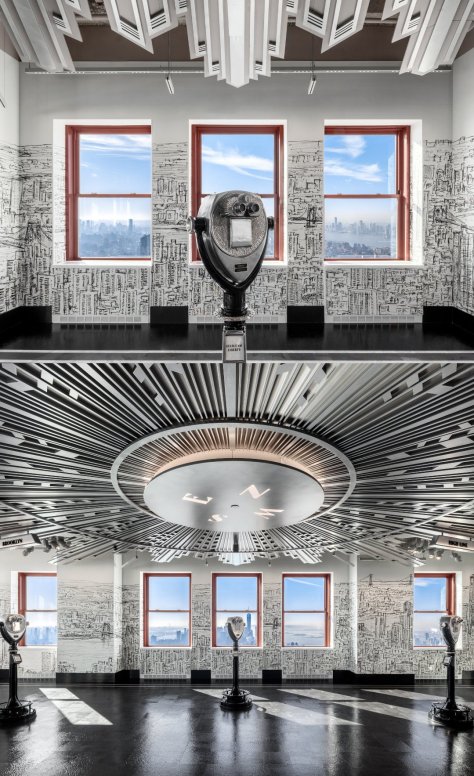

 Expect many of those chairs to be filled in the months ahead. The Winter Village is a huge draw, built around a massive ice rink enjoyed by upwards of 300,000 skaters throughout the holiday season. “We want people to enjoy great cocktails and drinks at the Porch, to take time to relax and appreciate the city with all its extraordinary energy,”
 …at Camden’s Roundhouse in London, the
  The World’s 50 Best Bars 2019
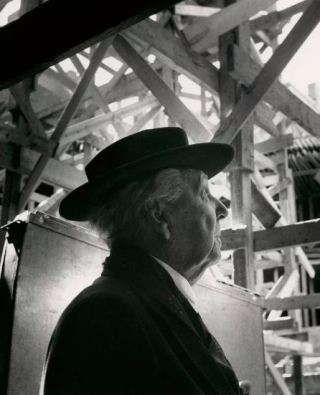 This year marks the 60th anniversary of Frank Lloyd Wright’s building for the Solomon R. Guggenheim Museum. Since opening its doors on October 21, 1959, the architectural icon has inspired countless visitors and is widely seen as Wright’s masterpiece.
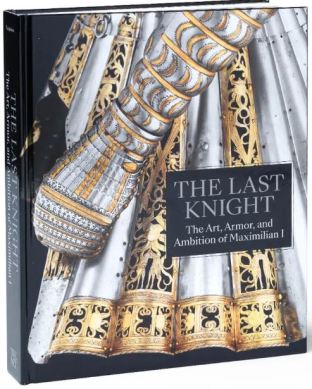 The Last Knight: The Art, Armor, and Ambition of Maximilian I examines the profound significance of European armor at the dawn of the Renaissance, through the lens of Emperor Maximilian I’s (1459–1519) remarkable life. On view only at The Met, The Last Knight coincides with the five-hundredth anniversary of Maximilian’s death, and is the most ambitious North American loan exhibition of European arms and armor in decades. Including 180 objects selected from some thirty public and private collections in Europe, the Middle East, and the United States, The Last Knight will explore how Maximilian’s unparalleled passion for the trappings and ideals of knighthood served his boundless worldly ambitions, imaginative stratagems, and resolute efforts to forge a lasting personal and family legacy.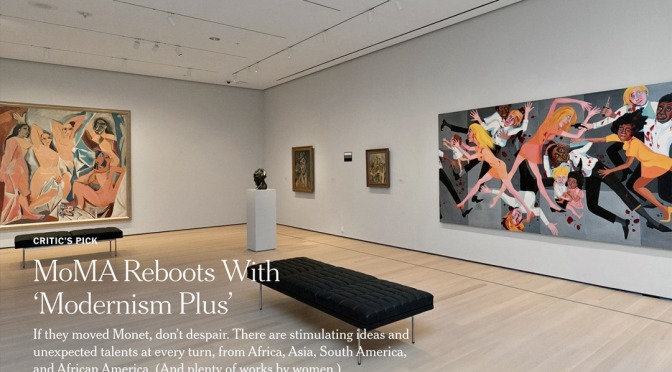
 There’s also a special focus on architecture and design in this new approach to the collection: Several galleries are devoted to various aspects of those fields, including “The Vertical City,” an examination of skyscraper construction that includes photos by Berenice Abbott, Hugh Ferriss’s architectural drawings, and other ephemera. Elsewhere, building models of the Guggenheim and a spec design of MoMA by modernist master William Lescaze emphasize the importance of architecture to museums, and vice versa.
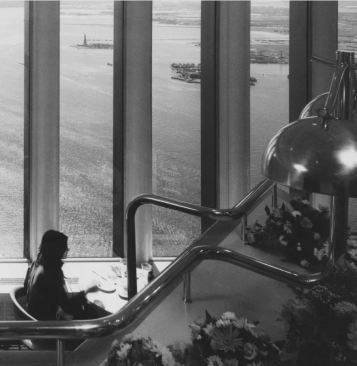 The light is different, higher contrast. Real-life chiaroscuro. And sound is muted, still, almost absent. Except when the wind is kicking up a tremendous, otherworldly, howl. And the city looks so small, innocent, like a child’s train set, the Statue of Liberty a tchotchke in a tourist shop. Sixty-mile views that reach the Hudson Highlands up north, the Atlantic Ocean to the east and south, and, much closer, planes landing and taking off at three major airports.


 Boomers Daily