
 Interview with Dr. Nicole Lurie on rapid vaccine development, including new tools to facilitate vaccine testing and manufacturing and persistent challenges.
The need to rapidly develop a vaccine against SARS-CoV-2 comes at a time of explosion in basic scientific understanding, including in areas such as genomics and structural biology, that is supporting a new era in vaccine development. Over the past decade, the scientific community and the vaccine industry have been asked to respond urgently to epidemics of H1N1 influenza, Ebola, Zika, and now SARS-CoV-2. An H1N1 influenza vaccine was developed relatively rapidly, largely because influenza-vaccine technology was well developed and key regulators had previously decided that vaccines made using egg- and cell-based platforms could be licensed under the rules used for a strain change. Although a monovalent H1N1 vaccine was not available before the pandemic peaked in the Northern Hemisphere, it was available soon afterward as a stand-alone vaccine and was ultimately incorporated into commercially available seasonal influenza vaccines.
Nicole Lurie is a strategic advisor to the CEO of the Coalition for Epidemic Preparedness Innovations. Stephen Morrissey, the interviewer, is the Executive Managing Editor of the Journal.

 Featuring articles on deaths due to e-cigarette– or vaping-associated lung injury, apixaban for venous thromboembolism in cancer, the management of coronary disease in patients with advanced kidney disease, health-status outcomes in the ISCHEMIA-CKD trial, and ten weeks to crush the curve.
 Cardiovascular consults are way down. Is the threat of COVID-19 infection scaring people away from ED’s?


 Though U.S. legislation targeting the problem of surprise medical bills advanced out of key congressional committees in 2019 with support from leaders in both parties, Congress ultimately failed to pass a law to end such bills.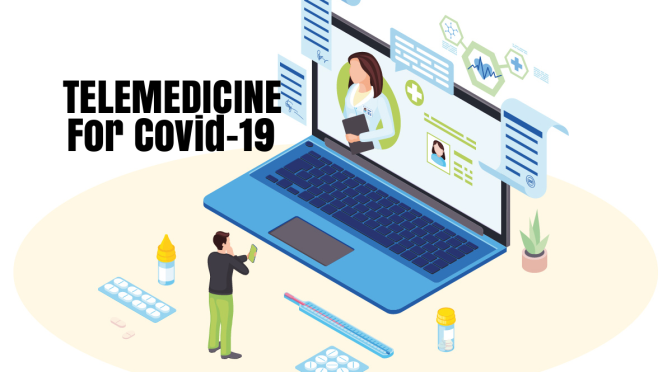
 A central strategy for health care surge control is “forward triage” — the sorting of patients before they arrive in the emergency department (ED). Direct-to-consumer (or on-demand) telemedicine, a 21st-century approach to forward triage that allows patients to be efficiently screened, is both patient-centered and conducive to self-quarantine, and it protects patients, clinicians, and the community from exposure.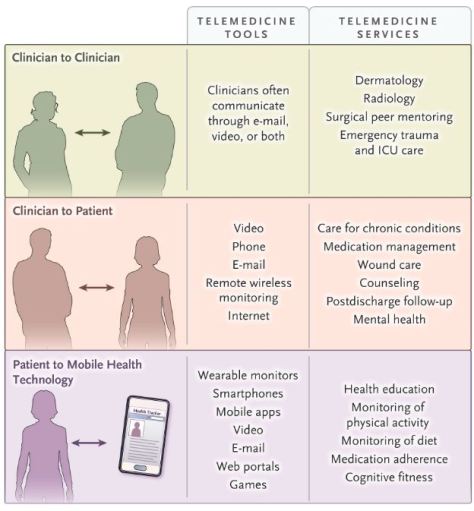
 In our opinion, the current recommendation to greatly increase consumption of dairy foods to 3 or more servings per day does not appear to be justified…When consumption of milk is low, the two nutrients of primary concern, calcium and vitamin D (which is of particular concern at higher latitudes), be obtained from other foods or supplements without the potential negative consequences of dairy foods.
 Intermittent fasting has salutary effects. Listen how Dr. Mark P. Mattson, co-author of a recent NEJM review on the topic, assesses the practice — and how he’s managed to skip breakfast for the past 30 years or so.
 Listen to a chat with Julia Adler-Milstein, the author of an editorial that comments on a recent Annals of Internal Medicine study detailing the amount of time clinicians typically spend hunched over their EHRs during a patient visit.
 Boomers Daily