Tag Archives: Health
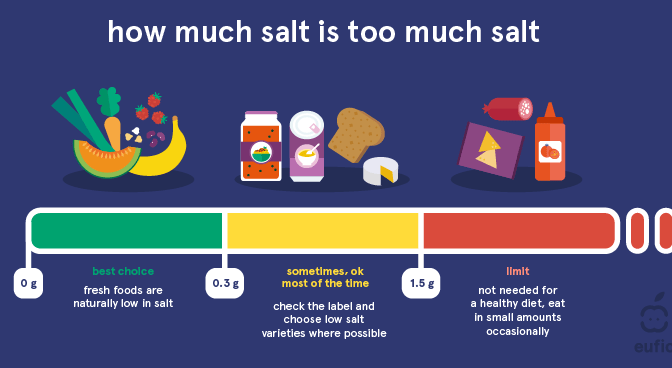
Infographics: “Reducing Salt In Diet & Foods To Improve Blood Pressure”
Does reducing salt improve our blood pressure?
There is consistent evidence that moderate reductions (i.e. a decrease of 3 to 5 g or ½ to 1 teaspoon a day) in salt intake can lead to a reduction in blood pressure.5,6 However, these effects may not be the same for everyone and will depend on an individual’s starting blood pressure (greater benefits are seen in those with higher blood pressure), their current level of salt intake, genetics, disease status and medication use.
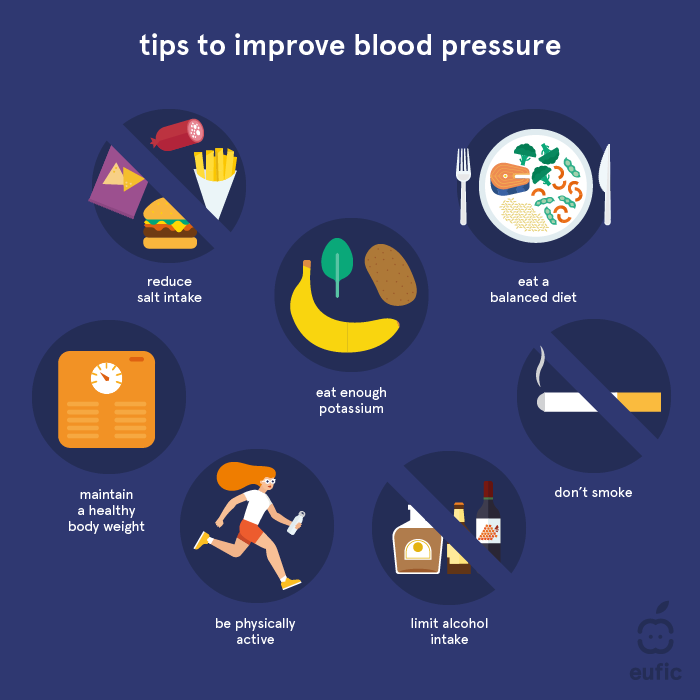
It is important to note that salt is not the only lifestyle factor that can influence our blood pressure. Other factors such as eating enough potassium, maintaining a healthy body weight, not smoking, and being physically active are also important when it comes to reducing blood pressure. You can find 7 lifestyle tips to help reduce blood pressure here.
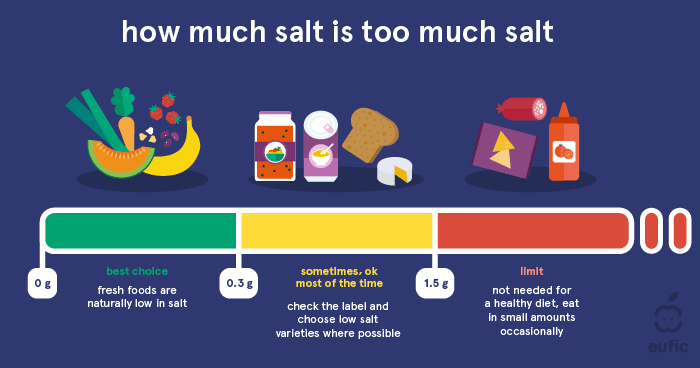
High salt foods:
- Processed meats such as bacon, salami, sausages and ham
- Cheeses
- Gravy granules, stock cubes, yeast extracts
- Olives, pickles and other pickled foods
- Salted and dry-roasted nuts and crisps
- Salted and smoked meat and fish
- Sauces: soy sauce, ketchup, mayonnaise, BBQ sauce
What is salt?
Salt is the common name for sodium chloride (or NaCl). It consists of 40% sodium and 60% chloride. In other words, 2.5 g of salt contains 1 g of sodium and 1.5 g of chloride.
Why do we need salt?
Both sodium and chloride are essential for many body functions. They help regulate blood pressure, control fluid balance, maintain the right conditions for muscle and nerve function and allow for the absorption and transport of nutrients across cell membranes. Chloride is also used to produce stomach acid (hydrochloric acid, HCl) which helps us digest foods.
How much salt do we need per day?
The exact minimum daily requirement for salt is unknown, but it is thought to be around 1.25 g – 2.5 g (0.5 – 1 g sodium) per day.1 As salt is found in a large variety of foods the risk of deficiency is low.1,2 The European Food Safety Authority (EFSA) has stated that a salt intake of 5 g per day (equivalent to 2 g of sodium) is sufficient to meet both our sodium and chloride requirements as well as reduce our risk of high blood pressure and heart disease.1,2 This is equivalent to around 1 teaspoon of salt per day from all sources.
Both sodium and chloride are released from our body through our urine and when we sweat. This means bouts of heavy sweating such as during exercise can increase our salt requirements slightly. However, as most people consume well above required levels it is usually not necessary to increase salt intake during these conditions.1
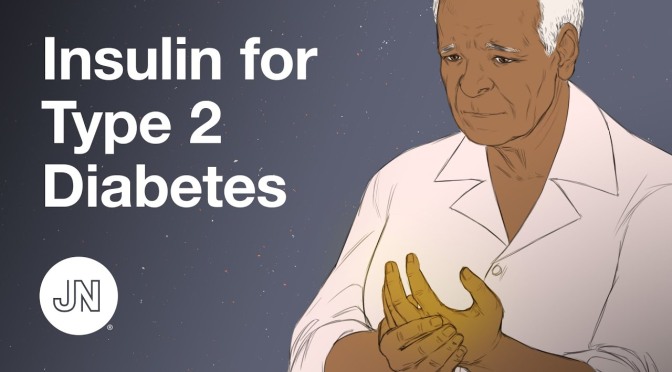
Health Video: Starting Insulin Early For Type 2 Diabetes (JAMA Network)
2020 American Diabetes Association (ADA) guidelines recommend that after a trial of metformin, doctors add additional drugs based on the presence of cardiovascular and kidney-related comorbidities, risk of weight gain and hypoglycemia, and cost. In this video, Irl B. Hirsch, MD, of the University of Washington in Seattle, explains the rationale for starting insulin next for patients with persistent HbA1c elevation above 9-9.5% despite lifestyle changes and metformin.
Click https://ja.ma/2DhR4DV for complete details.
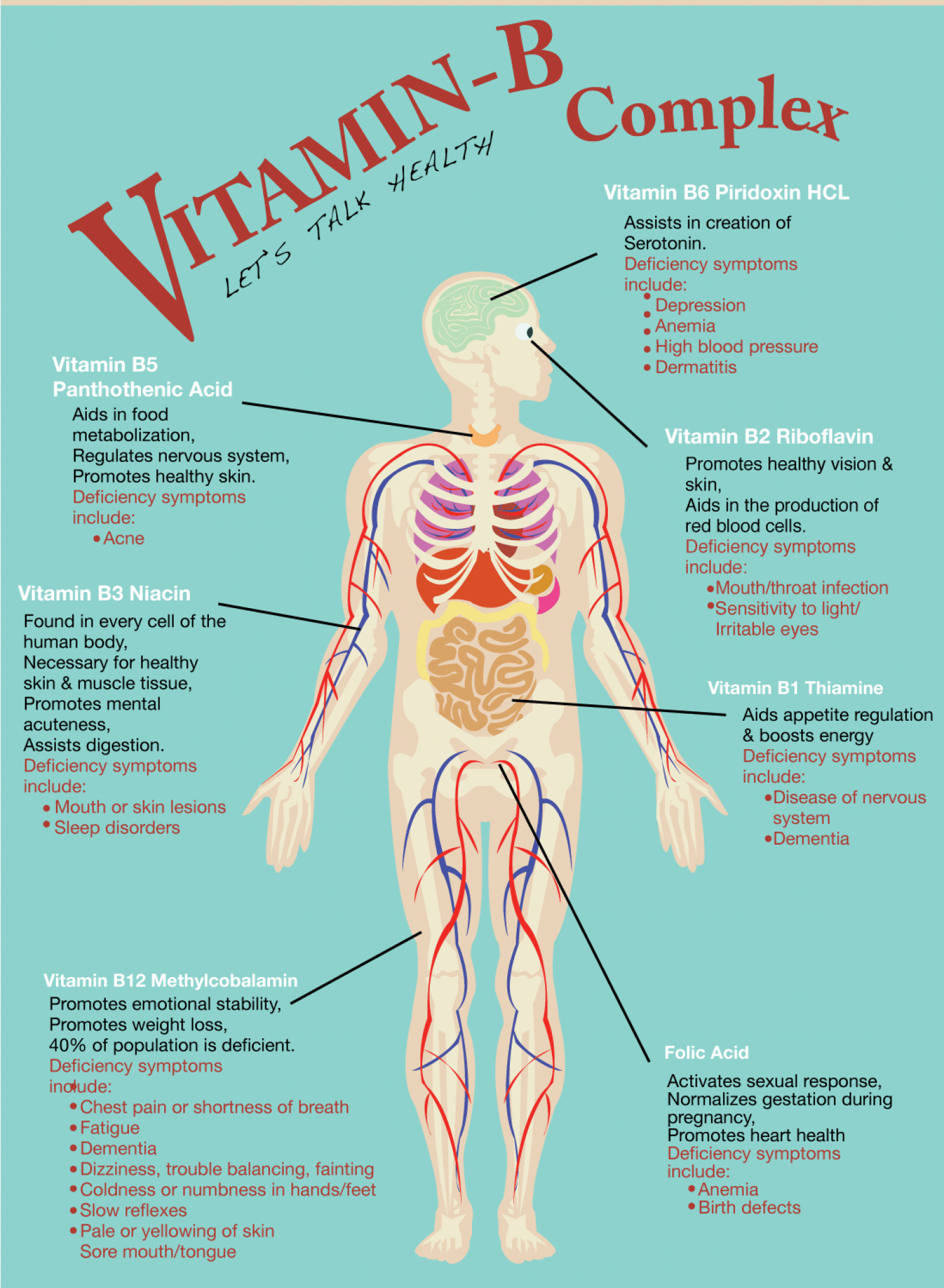
Infographic: Vitamin-B Complex Health Benefits


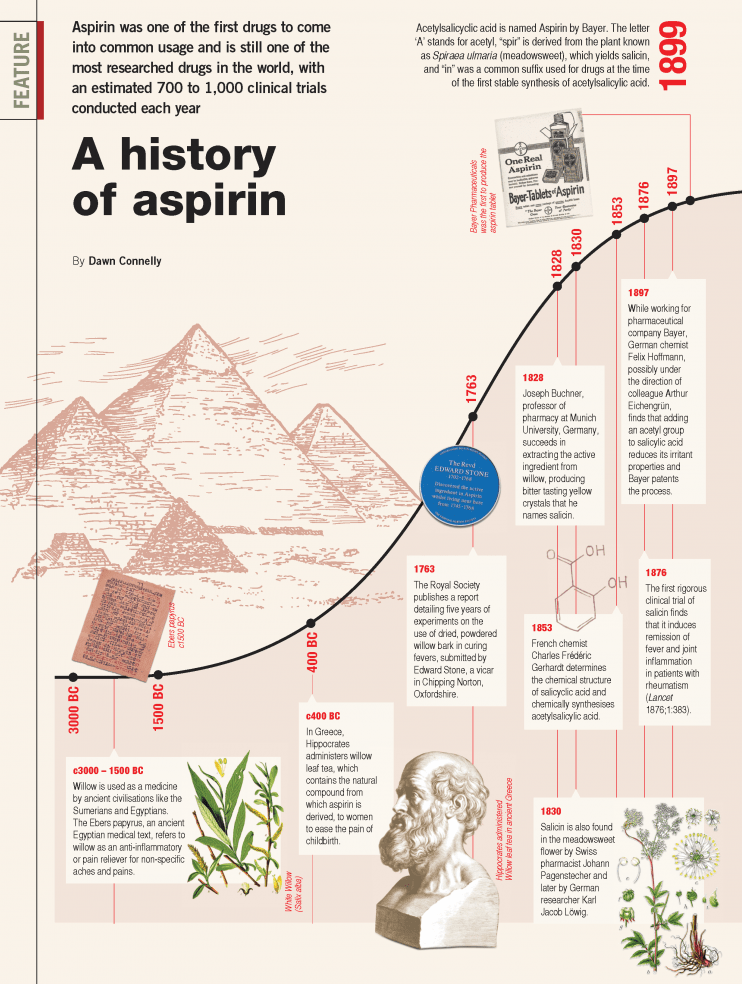
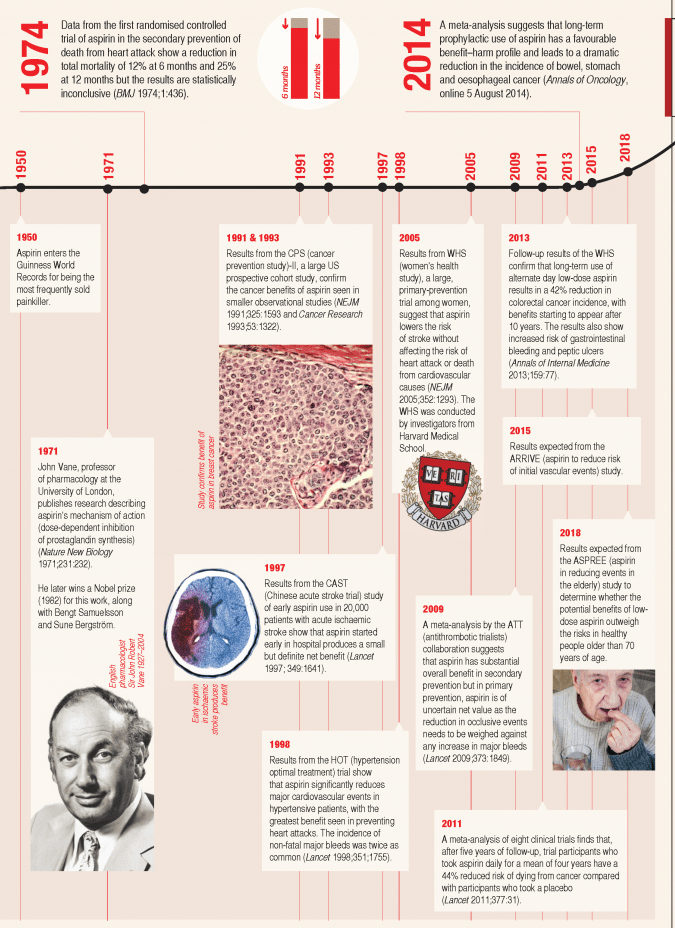
Health Infographics: “A History Of Aspirin”
New Restaurants: “Ampia Rooftop NYC” – “Sanitary, Social Distance Dining”
Ampia Rooftop (Ampia meaning “Space” in Italian) is a sprawling 4,500 Sq. foot outdoor rooftop terrace featuring individual greenhouses for a social distance dining experience, opulent clusters of colorful flower gardens, and Italian-themed art and décor dispersed throughout. Chef Michele Iuliano offers up an authentic Italian menu of lite casual fare, along with a selection of inventive seafood paninis.
Restaurant Business (August 1, 2020) – The first step was a name change. When New York City announced that restaurants could open for outdoor dining during Phase 2, the Iulianos changed the name from Gnoccheria Rooftop to Ampia—a move that gave it a distinct identity. Then they set about redesigning the space to satisfy all the restrictions.
The entire space was sprayed with an electrostatic sanitary coating, including the tables, chairs, bar and every touchable surface. The process sanitizes for up to three months. The pair also purchased a facial recognition thermometer and all the essential PPE specified in New York Gov. Andrew Cuomo’s Phase 2 guidelines.
Next, the space was reconcepted from the original 250-seat restaurant to an outdoor dining venue with a limited bar and food menu. The beer garden in the original plan had to be scrapped; it’s impossible to enforce social distancing in that kind of setting. Instead, tables were spread out and seating areas set far apart, accommodating 60 to 65 guests.
The regulations around social distancing state that if tables cannot be arranged six feet apart, a restaurant can use plexiglass dividers between them. But the Iulianos wanted to infuse Ampia with the same stylish elements that differentiate their other restaurants.
Health & Business: “The Office Redesign Is Just Beginning” (WSJ Video)
Plexiglass dividers and floor decals might not be permanent, but the pandemic will bring lasting change to offices. Experts from the architecture and real-estate industries share how they are getting back to work and what offices will look like in the future.
Photo: Cesare Salerno for The Wall Street Journal
Brain Research: 40% Of Dementia Cases Prevented With Lifestyle Changes

“We are learning that tactics to avoid dementia begin early and continue throughout life, so it’s never too early or too late to take action,” says commission member and AAIC presenter Lon Schneider, MD, co-director of the USC Alzheimer Disease Research Center‘s clinical core and professor of psychiatry and the behavioral sciences and neurology at the Keck School of Medicine of USC.
LOS ANGELES — Modifying 12 risk factors over a lifetime could delay or prevent 40% of dementia cases, according to an updated report by the Lancet Commission on dementia prevention, intervention and care presented at the Alzheimer’s Association International Conference (AAIC 2020).
Twenty-eight world-leading dementia experts added three new risk factors in the new report — excessive alcohol intake and head injury in mid-life and air pollution in later life. These are in addition to nine factors previously identified by the commission in 2017: less education early in life; mid-life hearing loss, hypertension and obesity; and smoking, depression, social isolation, physical inactivity and diabetes later in life (65 and up).
Schneider and commission members recommend that policymakers and individuals adopt the following interventions:
- Aim to maintain systolic blood pressure of 130 mm Hg or less from the age of 40.
- Encourage use of hearing aids for hearing loss and reduce hearing loss by protecting ears from high noise levels.
- Reduce exposure to air pollution and second-hand tobacco smoke.
- Prevent head injury (particularly by targeting high-risk occupations).
- Limit alcohol intake to no more than 21 units per week (one unit of alcohol equals 10 ml or 8 g pure alcohol).
- Stop smoking and support others to stop smoking.
- Provide all children with primary and secondary education.
- Lead an active life into mid-life and possibly later life.
- Reduce obesity and the linked condition of diabetes.
Morning News Podcast: Covid-19 Hospital Data, Protests In Portland
NPR News Now reports on tracking hospital data on Covid-19, continuing protests in Portland, and other top news stories.
Healthcare Rankings: “America’s Top Hospitals 2020-2021” (U.S. News)
The Best Hospitals Honor Roll highlights 20 hospitals that excel across most or all types of care evaluated by U.S. News. Hospitals received points if they were nationally ranked in the 16 specialties – the more specialties and the higher their rank, the more points they got – and if they were rated high performing in any of the 10 procedures and conditions. The top point-scorers made the Honor Roll.

- 1. Mayo Clinic, Rochester, Minnesota
- 2. Cleveland Clinic
- 3. Johns Hopkins Hospital, Baltimore
- 4 (tie). New York-Presbyterian Hospital-Columbia and Cornell, New York
- 4 (tie). UCLA Medical Center, Los Angeles
- 6. Massachusetts General Hospital, Boston
- 7. Cedars-Sinai Medical Center, Los Angeles
- 8. UCSF Medical Center, San Francisco
- 9. NYU Langone Hospitals, New York
- 10. Northwestern Memorial Hospital, Chicago
- 11. University of Michigan Hospitals-Michigan Medicine, Ann Arbor
- 12. Brigham and Women’s Hospital, Boston
- 13. Stanford Health Care-Stanford Hospital, Stanford, California
- 14. Mount Sinai Hospital, New York
- 15. Hospitals of the University of Pennsylvania-Penn Presbyterian, Philadelphia
- 16. Mayo Clinic-Phoenix
- 17. Rush University Medical Center, Chicago
- 18 (tie). Barnes-Jewish Hospital, St. Louis
- 18 (tie). Keck Hospital of USC, Los Angeles
- 20. Houston Methodist Hospital