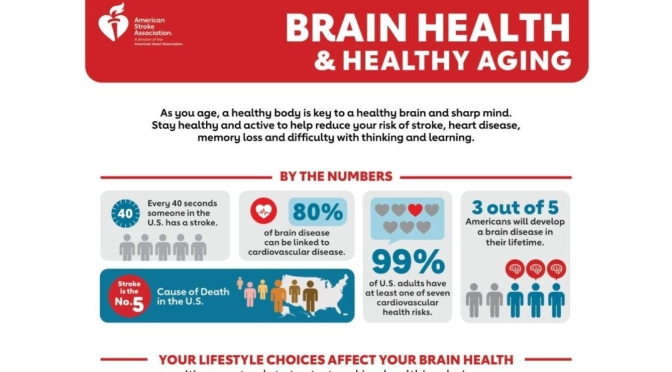

Infographic: Brain Health, Strokes & Healthy Aging


With the annual flu season looming, GPs are anticipating a frenzy of vaccinations, perhaps more so than ever this year. As so many ‘flu and respiratory viruses circulate every year, and as the ‘flu vaccine is for one strain of influenza only, is the vaccine worth getting, and what are the risks associated with vaccinating vs. not vaccinating?
In this week’s episode, we discuss the high vaccine uptake in New Zealand, and the role that social distancing for COVID-19 may have played in their low numbers of seasonal flu. We also talk about whether or not the message we give to patients about the benefits and risks of vaccination is transparent enough, and how we might communicate better with them to allow them to make an informed decision. We feel pressure to increase vaccination rates, because we believe we are protecting people, but does the evidence support that?
Our guests: Nikki Turner is the director of the Immunisation Advisory Centre (IMAC) at the university of Auckland. She is an academic general practitioner, and a professor at the university. Jeff Kwong is a professor at the University of Toronto, and the interim director of the Centre for Vaccine Preventable Diseases at the university’s Dalla Lana School of Public Health. Newest Oldest Longest Shortest Random


How might the coronavirus pandemic transform the fitness industry? To find out, WSJ spoke with the CEO of Planet Fitness, an independent gym owner, and an industry analyst to learn about what we can expect for the future of fitness.

Syndicated columnist Mark Shields and New York Times columnist David Brooks join Judy Woodruff to discuss the week in politics, including President Trump’s vaccine rhetoric, the administration’s political manipulation of science, Joe Biden’s campaign message for working-class voters and Trump’s approach to U.S. history education.

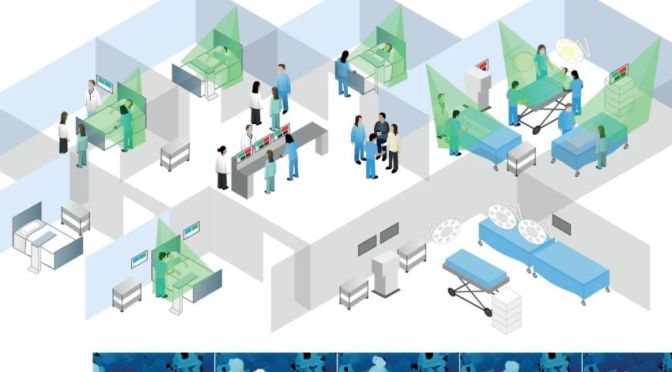
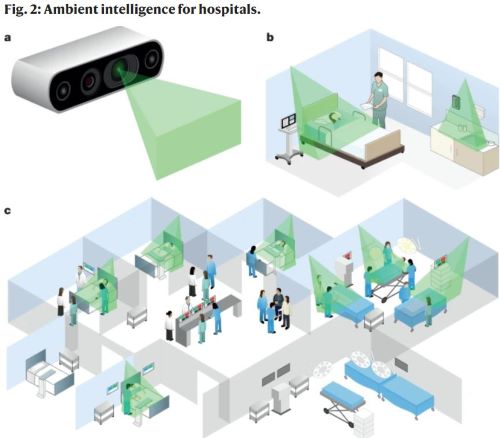
As many as 400,000 Americans die each year because of medical errors, but many of these deaths could be prevented by using electronic sensors and artificial intelligence to help medical professionals monitor and treat vulnerable patients in ways that improve outcomes while respecting privacy.
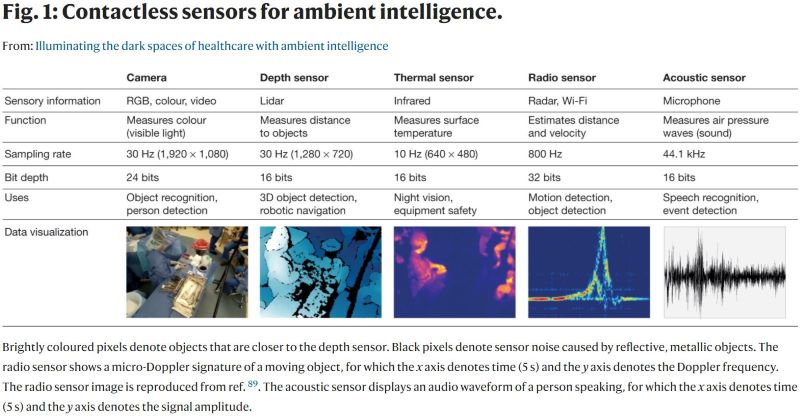
Haque, who compiled the 170 scientific papers cited in the Nature article, said the field is based largely on the convergence of two technological trends: the availability of infrared sensors that are inexpensive enough to build into high-risk care-giving environments, and the rise of machine learning systems as a way to use sensor input to train specialized AI applications in health care.
These alert systems are being tested to see if they can reduce the number of ICU patients who get nosocomial infections — potentially deadly illnesses contracted by patients due to failure of other people in the hospital to fully adhere to infection prevention protocols.
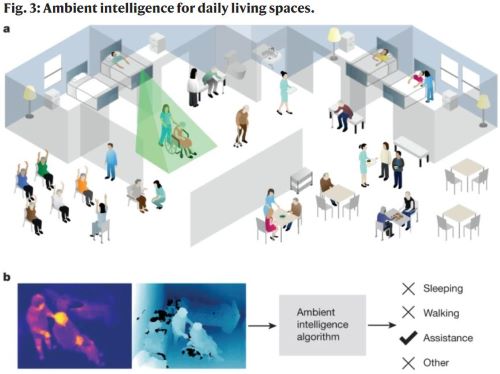
Constant monitoring by ambient intelligence systems in a home environment could also be used to detect clues of serious illness or potential accidents, and alert caregivers to make timely interventions. For instance, when frail seniors start moving more slowly or stop eating regularly, such behaviors can presage depression, a greater likelihood of a fall or the rapid onset of a dangerous health crisis. Researchers are developing activity recognition algorithms that can sift through infrared sensing data to detect changes in habitual behaviors, and help caregivers get a more holistic view of patient well-being.


But on its own, “BMI [body mass index] remains a strong independent risk factor” for severe COVID-19, according to several studies that adjusted for age, sex, social class, diabetes, and heart conditions, says Naveed Sattar, an expert in cardiometabolic disease at the University of Glasgow. “And it seems to be a linear line, straight up.”
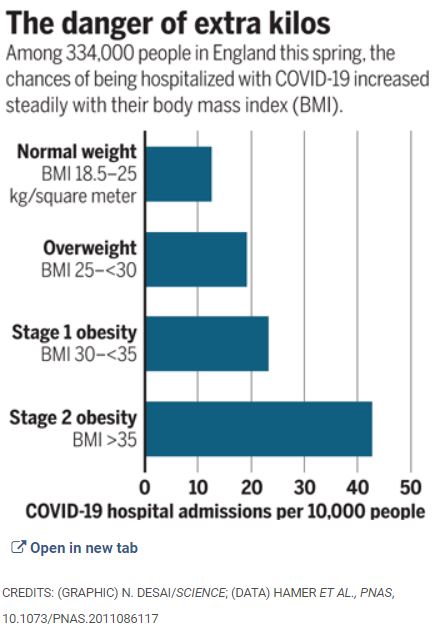
The impact extends to the 32% of people in the United States who are overweight. The largest descriptive study yet of hospitalized U.S. COVID-19 patients, posted as a preprint last month by Genentech researchers, found that 77% of nearly 17,000 patients hospitalized with COVID-19 were overweight (29%) or obese (48%). (The Centers for Disease Control and Prevention defines overweight as having a BMI of 25 to 29.9 kilograms per square meter, and obesity as a BMI of 30 or greater.)







 Boomers Daily