

Tag Archives: Health
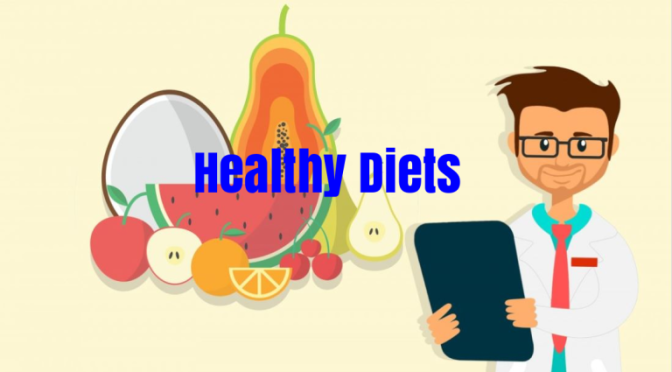
Health: ‘Top Five Diets’ Ranked – “Keep It Simple”

Every year, as millions of people around the world forge new resolutions to eat healthier and lose weight, US News & World Report releases a conveniently timed ranking of the best diets. A panel of experts in obesity, nutrition, diabetes, heart disease, and food psychology rigorously rate each of 39 diets on seven criteria:
- Likelihood of losing significant weight in the first 12 months
- Likelihood of losing significant weight over two years or more
- Effectiveness for preventing diabetes (or as a maintenance diet)
- Effectiveness for preventing heart disease (or for reducing risk for heart patients)
- How easy it is to follow
- Nutritional completeness
- Health risks (like malnourishment, too-rapid weight loss, or specific nutrient deficiencies)
1. Mediterranean diet
Emphasis on fruits, veggies, whole grains, olive oil, beans, nuts, legumes, fish and other seafood. Eggs, cheese, and yogurt can be eaten in moderation. Keep red meats and sugar as treats.
2. DASH (dietary approaches to stop hypertension) diet — TIE
Eat lots of fruits, veggies, lean protein, whole grains, and low-fat dairy. Avoid saturated fats and sugar.
2. Flexitarian diet — TIE
Be a vegetarian most of the time. Swap in beans, peas, or eggs for meats, and consume plenty of fruits, veggies, and whole grains. You can look up more details because there’s actually a full meal plan involving breakfast, lunch, dinner, and two snacks to add up to a total 1500 calories per day. But feel free to also just swap in flexitarian meals ad hoc.
4. Weight Watchers
The first actual paid program on the list, WW uses a points system to guide dieters towards foods lower in sugar, saturated fat, and overall calories while consuming slightly more protein. There are a variety of paid WW plans, with the lowest being about $20 per month.
5. Mayo Clinic diet — TIE
A two-part system, with part one (‘Lose it!’) involving adding a healthy breakfast (i.e. fruits, veggies, whole grains, healthy fats) plus 30 minutes of exercise per day. You’re not allowed to eat while watching TV or consume sugar except what’s naturally found in fruit. Meat is only allowed in limited quantities, as is full-fat dairy. The second phase (‘Live it!’) is basically the first phase but with more flexibility. You aren’t realistically going to cut out sugar forever, and the Mayo Clinic diet acknowledges that. So the long term plan involves lots of whole grains, fruits, veggies, and healthy fats. Less saturated fats and sugar.

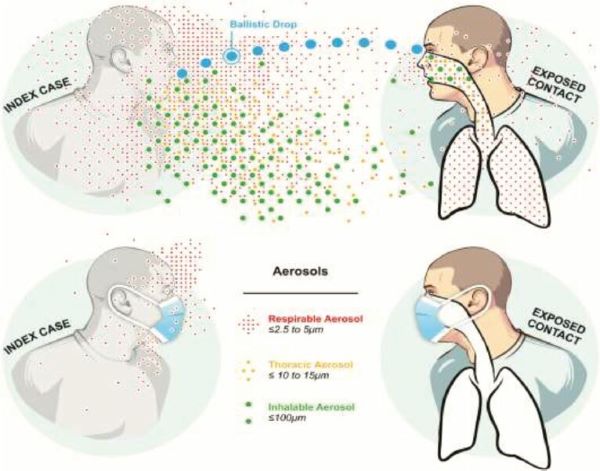
Covid-19 Infographic: ‘Why Masks Must Be Worn’

Climate Change: What Are Covid-19’s Impacts? (Video)
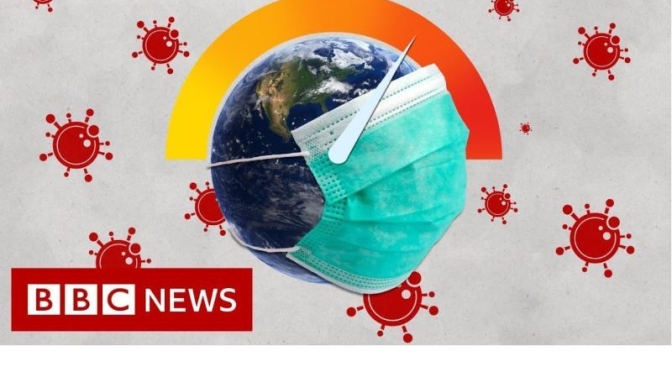
When Covid-19 sparked lockdowns around the world, emissions of one of the greenhouse gases responsible for climate change, atmospheric carbon dioxide, plummeted. But is this record drop a short-term effect of the 2020 pandemic or a ‘new normal’? BBC Weather’s Ben Rich explores the impact of coronavirus on the global climate.
Motion graphics by Jacqueline Galvin
Produced by Soraya Auer

Aging: ’80-Year Olds On Happiness In 2021′ (Video)
Does your grandparent hold the secret to a happier New Year? Because Americans over 80 years old report feeling happier than any other age group, we asked them to share their wisdom as 2021 begins during a time of challenge and uncertainty. These elders include cannabis comedian Tommy Chong, a psychologist, a transgender burlesque performer, and a 90-year-old nudist who lets it all hang out. Self-Evident: A PBS American Portrait Miniseries seeks to answer the question: what does it really mean to be an American today? Join our hosts — Dr. Ali Mattu, a licensed therapist and clinical psychologist and YouTuber behind “The Psych Show,” as well as Danielle Bainbridge, Ph.D., historian and the writer/creator of PBS’s “The Origin of Everything” — as they explore the lives of real Americans, living during this unprecedented moment in time.
Global Health: ‘A Look At Challenges In 2021’ (Video)
From the race to roll-out coronavirus vaccinations around the world, to other concerns such as mental health and measles, BBC Health Reporter Smitha Mundasad looks at the health challenges facing the world in the next year.

New Terminology: ‘Long-Hauler’ – Chronic Long-Term Effects Of Covid-19
Now the stories of “long-haulers” have become a central component of how scientists, doctors and policymakers view long-term effects of the coronavirus.

As a current article in the journal Social Science & Medicine explains, researchers are scrambling to keep up with what patients report in online support groups such as Ms. Watson’s. Co-author Elisa Perego, a research associate at University College London, is a long-hauler herself, and dubbed the post-viral condition “long Covid” on Twitter in May. Both “long-haulers” and “long Covid” are fast becoming standard terminology in the medical field.
Kate Porter, a digital marketer from Beverly, Mass., and an administrator for Ms. Watson’s group, has watched as the “long-hauler” term has exploded in popularity. Ms. Porter, who tracks the latest research and policy initiatives on the Covid-19 Recovery Awareness website, told me, “Even if it’s not necessarily the most scientific term, you get the gist right away—you don’t even need to really explain it.”

Analysis: ‘How Airlines Are Transporting The Covid-19 Vaccines’ (CNBC Video)
Major U.S. airlines like American Airlines, United and Delta have stepped up to become a crucial part of the vaccine delivery supply chain alongside logistic giants like UPS, FedEx and DHL. Even though it’s only one part of the journey, it’s a critical one. DHL and McKinsey estimate vaccinating the world will require up to 15,000 flights.
Covid-19: ‘Reducing Risk Now & Preparing For The Next Pandemic’ (Podcast)
Virologist Angela Rasmussen talks about her battle against misinformation in the media, the virus, vaccines, disinfecting surfaces, home testing, and the next pandemic.
Eric J. Topol, MD: Hello, I’m Eric Topol for Medscape, and this is Medicine and the Machine. I’m so glad to have my colleague and partner in this podcast, Abraham Verghese, with me from Stanford. Today, we have the rarefied privilege to discuss the whole pandemic story, the virus and vaccines, with one of the country’s leading virologists, Dr Angela Rasmussen. Welcome, Angie.
Angela L. Rasmussen, MA, MPhil, PhD: Thank you so much for having me, Eric. It’s wonderful to be here.

Covid-19 In 2021: End Is In Sight, Challenges Remain
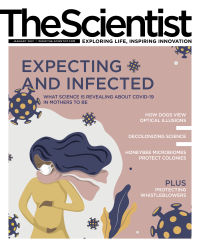
We enter 2021 surrounded by these rays of hope that the end of the pandemic might be in sight. But monumental challenges remain. Vaccine manufacture, distribution, and uptake are substantial pieces of a complex puzzle that must be completed to reach the 75–90 percent vaccination rate that global health experts say is key to stopping the spread.
And the virus itself is almost sure to change as it infects more people, possibly becoming more transmissible or dangerous. For instance, as I write this in late December 2020, public health officials in the UK are reporting the rapid spread of a new strain of SARS-CoV-2 that seems to be highly infectious.
This is a perfect example of the continued surprises this pandemic may yet throw at us. But virologists, epidemiologists, drug developers, and other scientists will continue to band together to study this virus and share information that can help humanity address this and future issues appropriately. In addition to careful monitoring of the virus as it mutates and spreads, I fully expect there to be regular monitoring of vaccinated individuals, further refinement of vaccine, and continued development of new COVID-19 therapies. And I can promise that The Scientist will continue to track these developments closely and provide up to date and accurate information about the COVID-19 pandemic and other scientific issues in 2021 and beyond.
 Boomers Daily