

The neurons behind acupuncture’s effect on inflammation, and how antibiotics affect gut bacteria.
In this episode:
00:54 The neuronal basis for acupuncture’s effect on inflammation
In mice, electroacupuncture has been shown to reduce inflammation, but only when certain points on the body are stimulated. Why this is has puzzled scientists, but now, researchers have identified the specific neurons that are involved. They hope that this knowledge could be used in future to help treat certain inflammatory-related diseases.
Research article: Liu et al.
News and Views: Electroacupuncture activates neurons to switch off inflammation
07:28 Research Highlights
The Aztec origins of an obsidian ‘spirit mirror’, and the damage done by a Soviet plutonium complex.
Research Highlight: A ‘spirit mirror’ used in Elizabeth I’s court had Aztec roots
Research Highlight: Cold-war spy pictures reveal a Soviet nuclear ‘cloud generator’
10:18 Assessing antibiotics’ collateral damage.
Antibiotics are known to cause damage to the communities of bacteria that live in our guts. To better understand why this happens, a team has mapped the effects that different antibiotics have on individual gut-bacteria species, which may offer new insights into preventing this collateral damage.
Research article: Maier et al.
17:32 Briefing Chat
We discuss some highlights from the Nature Briefing. This time, the latest species to be declared extinct in the US, and a potential planet that orbits three stars.
New York Times: Protected Too Late: U.S. Officials Report More Than 20 Extinctions
New York Times: This May Be the First Planet Found Orbiting 3 Stars at Once


 Though a law requiring clinical trial results reporting has been on the books for decades, many researchers have been slow to comply. Now, 2 years after the law was sharpened with higher penalties for noncompliance, investigative correspondent Charles Piller took a look at the results. He talks with host Sarah Crespi about the investigation and a surprising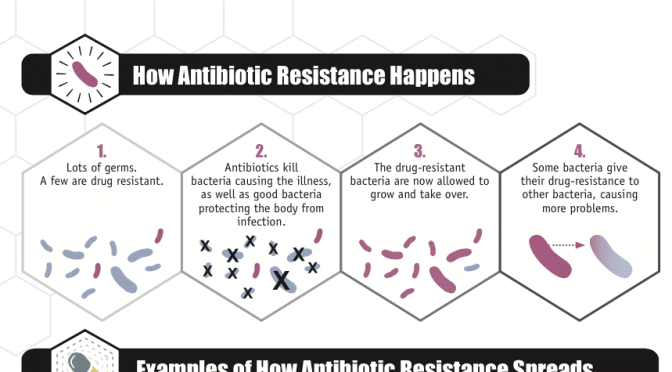
 “We were able to show that if you can stop the plasmid from replicating, then most of the bacteria lose the plasmid as the bacteria grow and divide. This means that infections that might otherwise be hard to control, even with the most powerful antibiotics available, are more likely to be treatable with standard antibiotics.”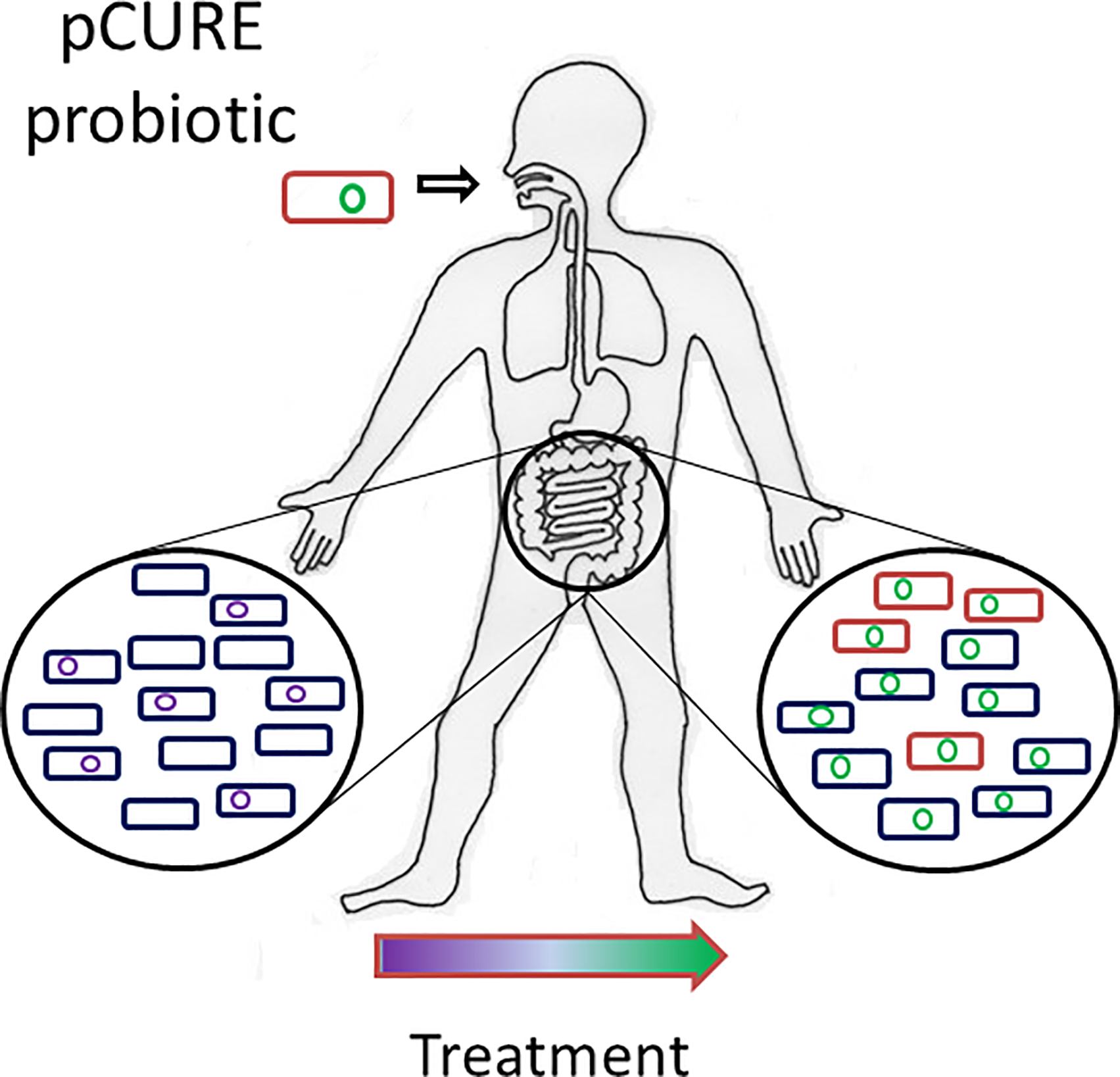

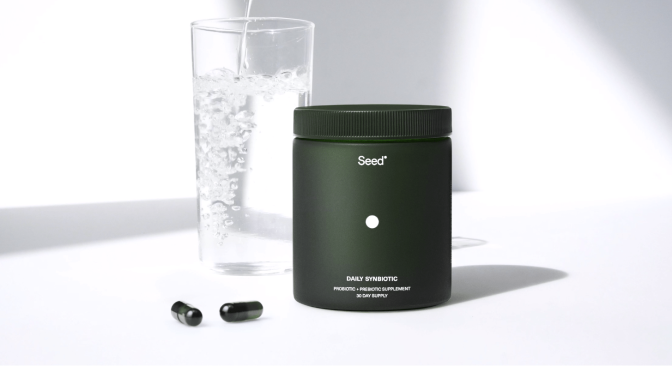
 microbiome company pioneering the application of bacteria for both human and planetary health. He leads Seed’s R&D, academic collaborations, technology development, clinical trial design, supply chain, and intellectual property strategy.
 Together with Dr. Jacques Ravel, he Co-Chairs Seed’s Scientific Advisory Board–an interdisciplinary group of scientists and doctors who lead research teams and teach at institutions including the
 Infections with the Enterococcus bacterium are a major threat in healthcare settings. They can lead to inflammation of the colon and serious illnesses such as bacteremia and sepsis, as well as other complications.
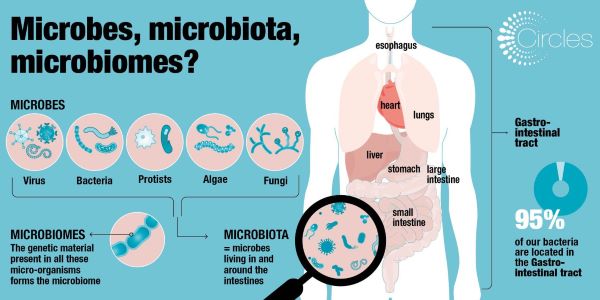
 Their previous research has shown that when harmless strains of microbes are wiped out, often due to treatment with antibiotics, Enterococcus and other harmful types of bacteria can take over due to lack of competition. As part of the new study, which included analysis of microbiota samples from more than 1,300 adults having BMTs, the team confirmed the link between Enterococcus and GVHD.
 One of the immune system’s jobs is to protect us from harmful bacterial. And the beneficial organisms that we refer to as probiotics contribute to this effort in a number of ways. In the gut, a robust population of beneficial bacteria can help crowd out harmful bacteria, making it harder for them to thrive. In addition, probiotic bacteria can influence the activity of our own immune cells, regulating inflammation, barrier function, and cell-to-cell signaling.
  Boomers Daily