
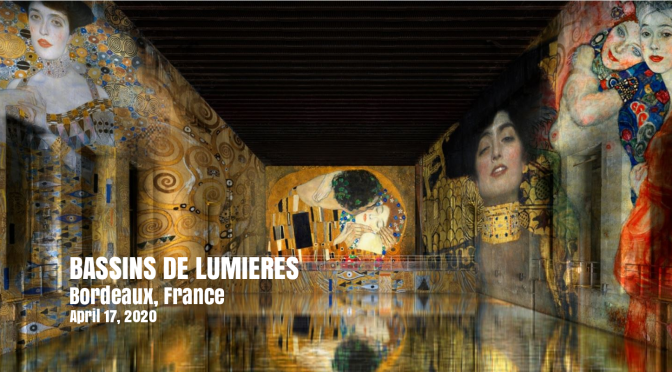
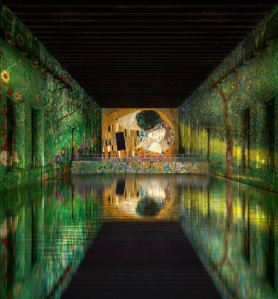
 Located in Bordeaux’s former submarine base, the BASSINS DE LUMIÈRES will present monumental immersive digital exhibitions devoted to the major artists in the history of art and contemporary art. The submarine base’s surface area is three times the size of that of the Carrières de Lumières in Les Baux-de-Provence and five times that of the Atelier des Lumières in Paris.
The digital exhibitions will be perfectly adapted to the monumental architecture of the submarine base and will be reflected in the water of the four enormous basins, thereby adding a new dimension to the immersive experience. Visits will be conducted on gangways above the water and along the quays of the enormous basins.
On 17 April 2020, Culturespaces will open the largest digital art centre in the world: the Bassins de Lumières. France’s leading private operator in the management and promotion of monuments, museums, and art centres, Culturespaces is pursuing the creation of digital art centres and immersive exhibitions.






 When Madame Clicquot, who had become the veuve (widow) Clicquot Ponsardin, inherited the house in 1805, she followed the motto “Only one quality, the finest” and created the first vintage and the riddling rack, two major innovations for champagne production. Centuries later, the brand behind the characteristic yellow label continues to make history, going beyond champagne to represent a complete lifestyle.
 At the trial, experts analyzed and propounded, and he himself spoke lucidly and in apparent control. Yet Carrère, on hand to cover the proceedings for Le Nouvel Observateur, remarks that those in the courtroom “have had ample time to wonder, from the height of our clinical ignorance and flying in the face of four psychiatric experts, if he really belonged in a criminal court, and if what you felt on your nape wasn’t the cold wind of psychosis.” He ends his two-part article this way: “Behind his glass enclosure, Romand listens expressionless. No one knows what he’s thinking, not even him.”
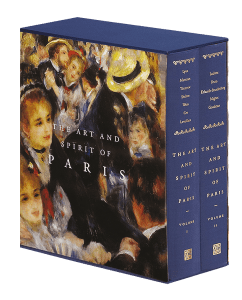 “…I am almost more interested in the paintings I didn’t get! I wish I could do a small photo exhibition of all the works that we failed to get. Of the early titans, we have two important ones, Giotto and Cimabue, but we don’t have Duccio, the third master of the birth of painting in Europe, if I may say. There was one in the Stoclet collection in Brussels, that we were following through dealer friends, but finally it was purchased by the Met. Also Velázquez, our biggest weakness!”
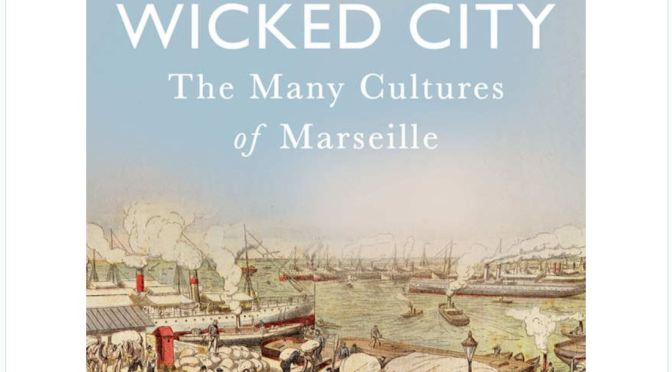
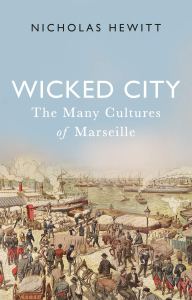 The Toulousain Charles Dantzig wrote, ‘I find the Marseillais tiresome, especially those who, as soon as you speak to them, start to bang on about the uniqueness of being Marseillais, adding with a particular sort of whining machismo that no one likes them and everyone defames them. Their humour is nothing more than pitiable braggadocio.’ Régis Jauffret, who grew up there, is pithier: ‘Marseille is a tragic city. It formed my imagination.’ (It’s an imagination of peerless bleakness.)
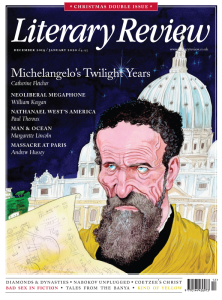 Nicholas Hewitt died in March, less than a month after completing the text of Wicked City. It’s a fine monument to his curiosity, compendious knowledge, resourcefulness and measured enthusiasm. He calls it ‘a series of snapshots’, which is perhaps too modest. If they are snapshots, they have been photoshopped and retouched to accord with his vision of the city and its well-rehearsed mythology of outsiderdom and exceptionalism, edginess and banditry. And his aspiration to explore Marseille’s hold on the ‘nation’s imagination’ is also too modest. The ‘international imagination’ would be more apt.
 Between the Franco-Prussian War and WWI, France in the 1900s was a gilded moment of peace and prosperity. Critically acclaimed authors Sabine Arqué and Marc Walter curate this XXL collection of some 800 vintage photographs, postcards, posters, and photochromes. From the grand Paris World’s Fair to the honey light of the Côte d’Azur, it’s a glimpse into an era of rose-tinted optimism.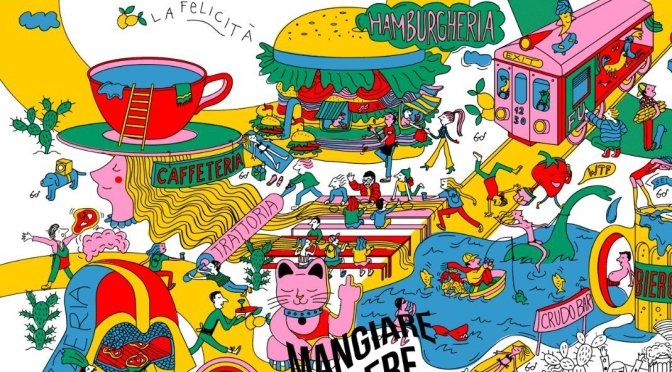
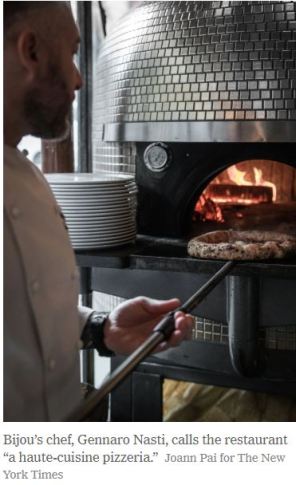 “There’s really an Italian movement that has exploded over the last three years,” Mr. Imbroisi said.
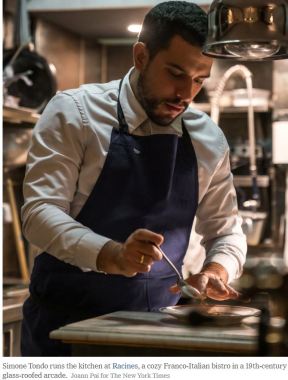 In April, the Right Bank welcomed an outlet of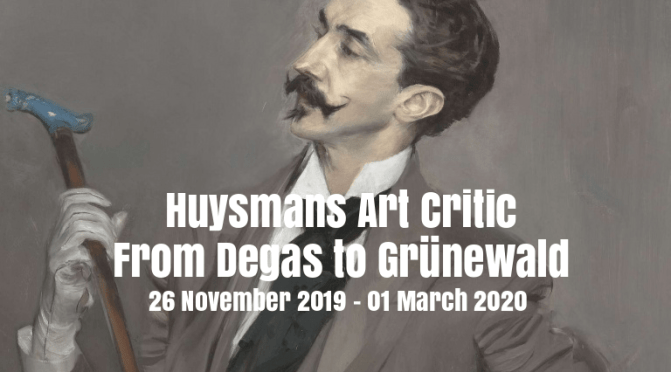
 A key writer of the late 19th century, Joris-Karl Huysmans (1848-1907) was an art critic who is still little known or little understood by the general public. However, his contribution to the artistic press and the aesthetic debate was as decisive as the impact of his novel
 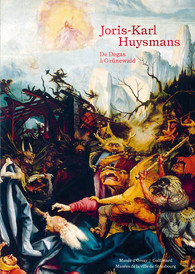 More passionate about Hals and Rembrandt until his discovery of Degas in 1876-1879, Huysmans admitted that this was a defining moment. And yet, his art criticism immediately accepted the possibility of a double modernity. The modernity of the painters of modern life and that of the explorers of dreams were not mutually exclusive. Here, Manet coexists with Rops and Redon. The desire Huysmans showed very early on to escape from the logic of church doctrine no doubt blurred the perception of his aesthetic choices.
 Boomers Daily