
From a Scientic American online article:
 In our own study of more than 7,000 middle-aged to older adults in the U.K., published in 2019 in Brain Imaging and Behavior, we demonstrated that people who spent more time engaged in moderate to vigorous physical activity had larger hippocampal volumes. Although it is not yet possible to say whether these effects in humans are related to neurogenesis or other forms of brain plasticity, such as increasing connections among existing neurons, together the results clearly indicate that exercise can benefit the brain’s hippocampus and its cognitive functions.
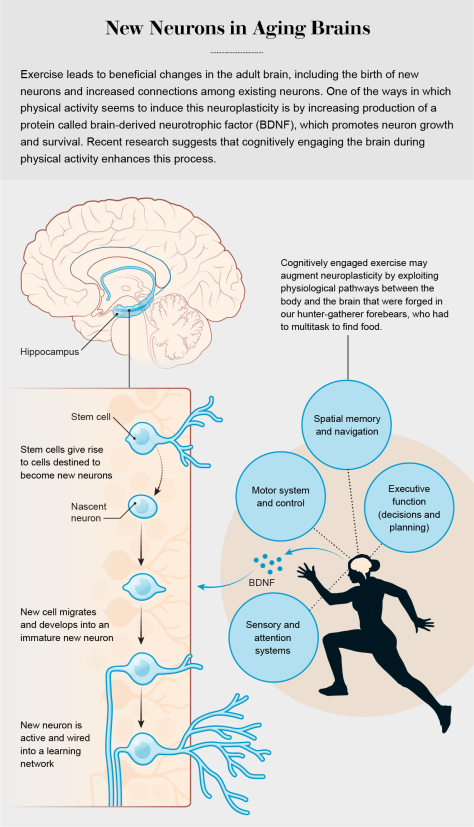
In fact, a growing body of research suggests that exercise that is cognitively stimulating may indeed benefit the brain more than exercise that does not make such cognitive demands. For example, Gerd Kempermann and his colleagues at the Center for Regenerative Therapies Dresden in Germany explored this possibility by comparing the growth and survival of new neurons in the mouse hippocampus after exercise alone or after exercise combined with access to a cognitively enriched environment. They found an additive effect: exercise alone was good for the hippocampus, but combining physical activity with cognitive demands in a stimulating environment was even better, leading to even more new neurons. Using the brain during and after exercise seemed to trigger enhanced neuron survival.
To read more: https://www.scientificamerican.com/article/why-your-brain-needs-exercise/
 In studies of aerobic exercise in patients with knee OA, very few interventions met guideline-recommended dose; there were small to moderate changes in markers of cardiovascular health and no decrease in markers of systemic inflammation. These findings question whether aerobic exercise is being used to its full potential in patients with knee OA.
 The annual rate of death from cardiovascular disease was nearly four times higher in women with poor, compared to good, exercise capacity (2.2% versus 0.6%). Annual cancer deaths were doubled in patients with poor, compared to good, exercise capacity (0.9% versus 0.4%). The annual rate of death from other causes was more than four times higher in those with poor, compared to good, exercise capacity (1.4% vs. 0.3%).
 Thus, while aging led to a pro-inflammatory profile within blood and muscle, lifelong exercise partially prevented this and generally preserved the acute inflammatory response to exercise seen in young exercising men. Lifelong exercise may positively impact muscle health throughout aging by promoting anti-inflammation in skeletal muscle.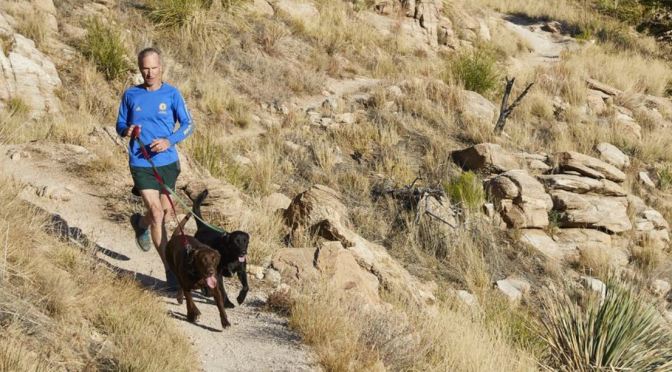
 Tuesday, Friday and Sunday, he is out before dawn for a 1.5- to two-hour run with Abby and Finn on one of the many trails accessible from Tucson along the Catalina Highway. The dogs are disciplined enough to run off-leash in a pack with him. The farthest he has taken Abby is a 13-mile, three-hour run. “She came home quite tired, as did I,” he says. When training for a marathon or longer distances, he adds a solo run on Wednesdays. He’ll run up to 23 miles on a network of paths in Tucson called the Loop.
 They found that these physically active mice had fewer inflammatory cells (leukocytes) than sedentary mice, an effect they traced to diminished activity of hematopoietic stem and progenitor cells (HSPCs). The lower activity of HSPCs was due at least in part to exercise-induced reduction in the levels of leptin, a hormone produced by fat tissue that regulates cells within the hematopoietic bone marrow niche.
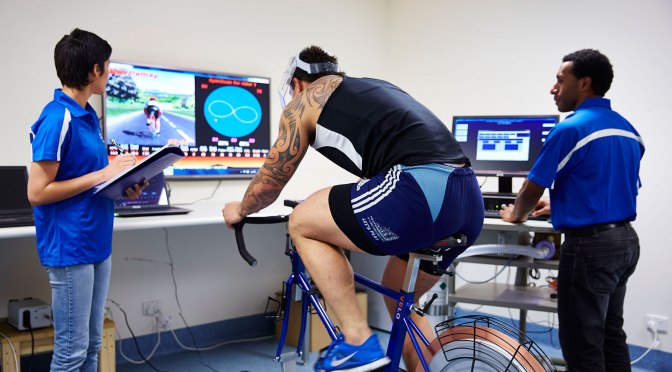
 The riders who had pedaled on an empty stomach, however, had incinerated about twice as much fat during each ride as the men who consumed the shake first. The riders all had burned about the same number of calories while pedaling, but more of those calories came from fat when the men did not eat first.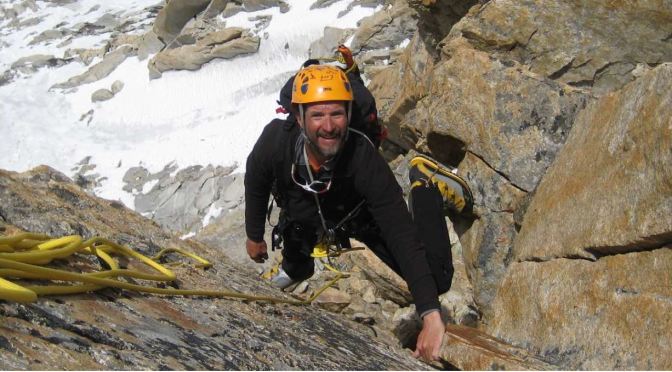
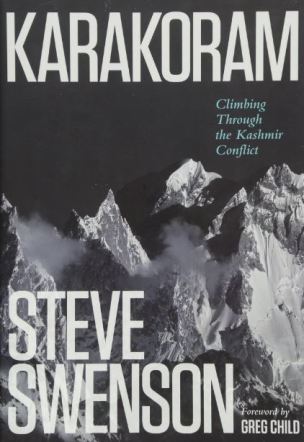 In the spring and summer, he trained two to four hours a day, six days a week, running daily and carrying 60 pounds of water up a 4,000-foot peak near his home in Seattle twice a week. “All the research has shown that 80 percent of training for alpine ascents needs to be long duration and low intensity, to build a huge foundation of endurance,” Swenson says. “There are no shortcuts to this. There’s no thirty-minute-a-day gym workout. You have to have the discipline to put the time in.”

 Boomers Daily