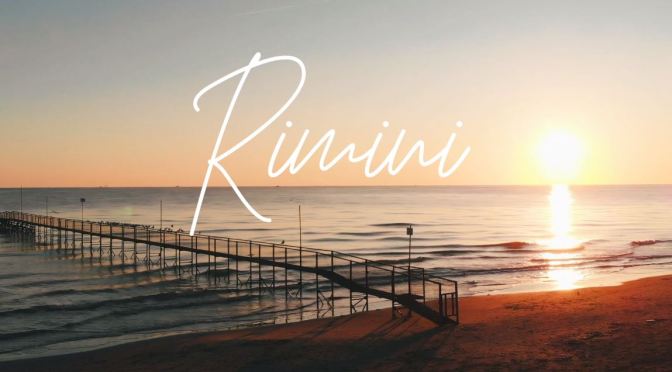
Rimini is a city on the Adriatic coast, in Italy’s Emilia-Romagna region. It’s known for its beachside nightclubs and shallow waters. South of the center, the Malatestiano Temple is a 15th-century reconstruction of an old Franciscan church, now a mausoleum for Sigismondo Pandolfo Malatesta, a local nobleman. Nearby, the Malatesta-built Castel Sismondo is a medieval fortress now used for cultural events.
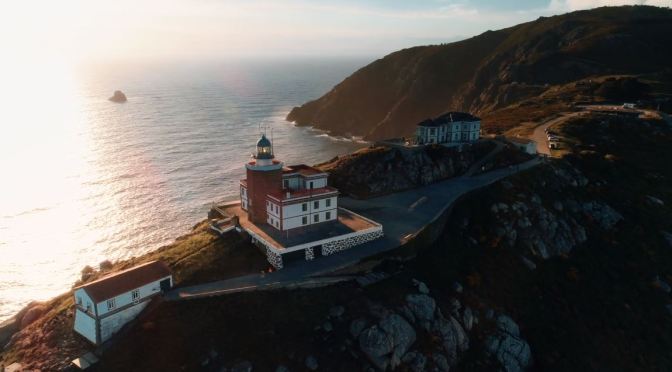
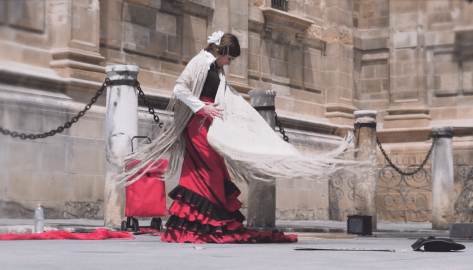
Galicia, an autonomous community in Spain’s northwest, is a verdant region with an Atlantic coastline. The cathedral of regional capital Santiago de Compostela is the reputed burial place of the biblical apostle Saint James the Great, and the destination for those following the Camino de Santiago pilgrimage route. The western cliffs of Cape Finisterre were considered by the Romans to be the end of the known world.
Another stunnig place in this video is the beautiful Praia Mar de Fóra beach, the Cascada del Ezaro waterfall or the Beach of Cathedrals – a spectacular example of the raw power of nature! Natural arches, some as high as 30 metres and cave systems have all been formed by the Cantabrian Sea.
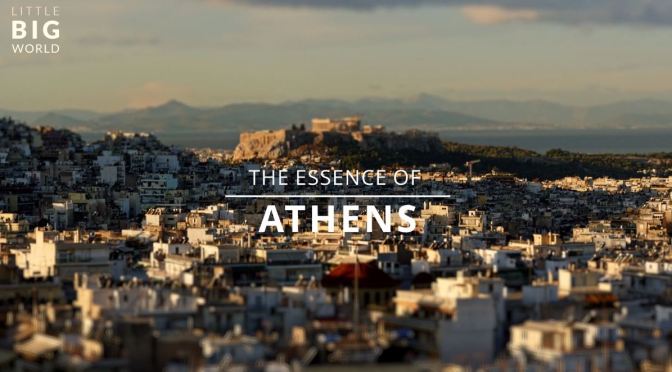
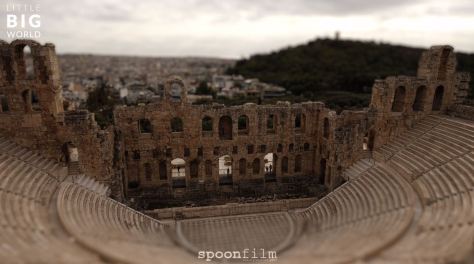
Athens is the capital and largest city of Greece. The heritage of the classical era is still evident by ancient monuments and works of art, the most famous of all being the Parthenon on the Acropolis.
The incredible amount of Monuments and tourists in this city make it feel like you are walking through an open air museum at some times in the city center. However it is still an amazing place to visit.
RM Sotheby’s is set to start its European calendar in spectacular fashion with a return to Paris on 5 February at the highly popular Place Vauban during the world-famous Rétromobile show week. With thousands of automotive enthusiasts from all over the world in the heart of Paris, we are thrilled to offer an exciting roster of 75 automobiles led by a spectacular and historic Jaguar D-Type.
1937 SS 100 Jaguar 3.5 – Liter Roadster RM Sotheby’s Paris 2020 auction
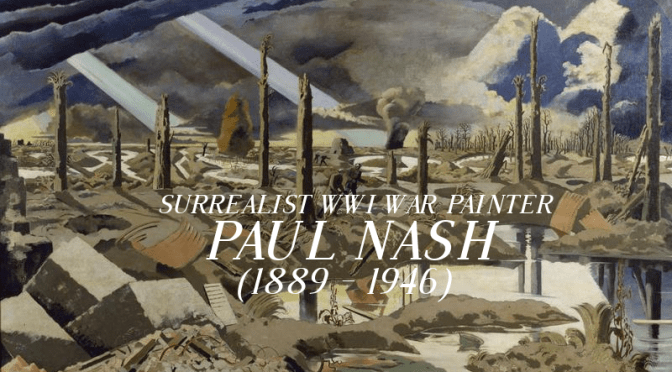
Paul Nash (11 May 1889 – 11 July 1946) was a British Surrealist painter and war artist, as well as a photographer, writer and designer of applied art. Nash was among the most important landscape artists of the first half of the twentieth century. He played a key role in the development of Modernism in English art.
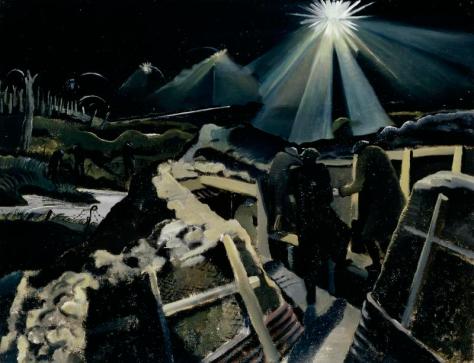
Paul Nash: The Ypres Salient at Night, 1918.PAUL NASH in a woodcut self-portrait (1923)
Born in London, Nash grew up in Buckinghamshire where he developed a love of the landscape. He entered the Slade School of Art but was poor at figure drawing and concentrated on landscape painting. Nash found much inspiration in landscapes with elements of ancient history, such as burial mounds, Iron Age hill forts such as Wittenham Clumps and the standing stones at Avebury in Wiltshire. The artworks he produced during World War I are among the most iconic images of the conflict. After the war Nash continued to focus on landscape painting, originally in a formalized, decorative style but, throughout the 1930s, in an increasingly abstract and surreal manner. In his paintings he often placed everyday objects into a landscape to give them a new identity and symbolism.
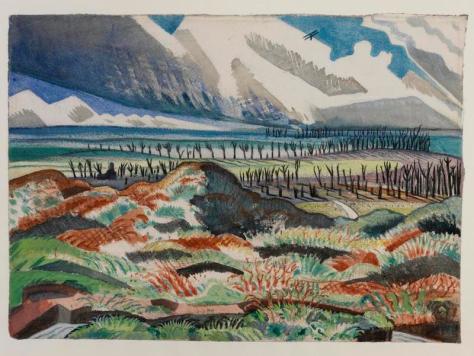
Paul Nash: Ruined Country – Old Battlefield, Vimy, near La Folie Wood, 1918.
Official World War I Artist – In November 1917 Nash returned to the Ypres Salient as a uniformed observer with a batman and chauffeur. At this point the Third Battle of Ypres was three months old and Nash himself frequently came under shellfire after arriving in Flanders. The winter landscape he found was very different from the one he had last seen in spring. The system of ditches, small canals and dykes which usually drained the Ypres landscape had been all but destroyed by the constant shellfire. Months of incessant rain had led to widespread flooding and mile upon mile of deep mud. Nash was outraged at this desecration of nature. He believed the landscape was no longer capable of supporting life nor could it recover when spring came. Nash quickly grew angry and disillusioned with the war and made this clear in letters written to his wife. One such written, after a pointless meeting at Brigade HQ, on 16 November 1917 stands out,
I have just returned, last night from a visit to Brigade Headquarters up the line and I shall not forget it as long as I live. I have seen the most frightful nightmere of a country more conceived by Dante or Poe than by nature, unspeakable, utterly indescribable. In the fifteen drawings I have made I may give you some idea of its horror, but only being in it and of it can ever make you sensible of its dreadful nature and of what our men in France have to face. We all have a vague notion of the terrors of a battle, and can conjure up with the aid of some of the more inspired war correspondents and the pictures in the Daily Mirror some vision of battlefield; but no pen or drawing can convey this country—the normal setting of the battles taking place day and night, month after month. Evil and the incarnate fiend alone can be master of this war, and no glimmer of God’s hand is seen anywhere. Sunset and sunrise are blasphemous, they are mockeries to man, only the black rain out of the bruised and swollen clouds all though the bitter black night is fit atmosphere in such a land. The rain drives on, the stinking mud becomes more evilly yellow, the shell holes fill up with green-white water, the roads and tracks are covered in inches of slime, the black dying trees ooze and sweat and the shells never cease. They alone plunge overhead, tearing away the rotting tree stumps, breaking the plank roads, striking down horses and mules, annihilating, maiming, maddening, they plunge into the grave, and cast up on it the poor dead. It is unspeakable, godless, hopeless. I am no longer an artist interested and curious, I am a messenger who will bring back word from the men who are fighting to those who want the war to go on for ever. Feeble, inarticulate, will be my message, but it will have a bitter truth, and may it burn their lousy souls.”
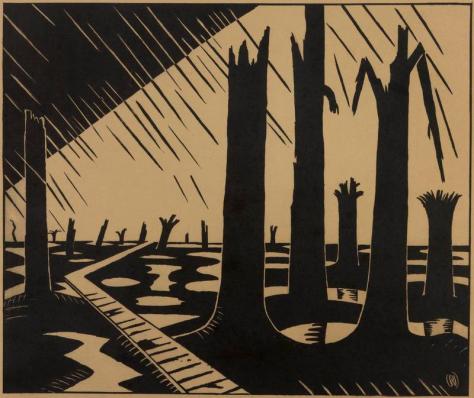
Paul Nash: Void of War, 1918.
Nash’s anger was a great creative stimulus which led him to produce up to a dozen drawings a day. He worked in a frenzy of activity and took great risks to get as close as possible to the frontline trenches. Despite the dangers and hardship, when the opportunity came to extend his visit by a week and work for the Canadians in the Vimy sector, Nash jumped at the chance. He eventually returned to England on 7 December 1917.
Great art. Great books. Even better wine. Centuries of history. The best tiki taka.
Rhythm and music, everywhere you go. Epic nightlife. Mornings included.
Deep conversations. Big laughs. Unique friendships.
Don’t get me started about the food.
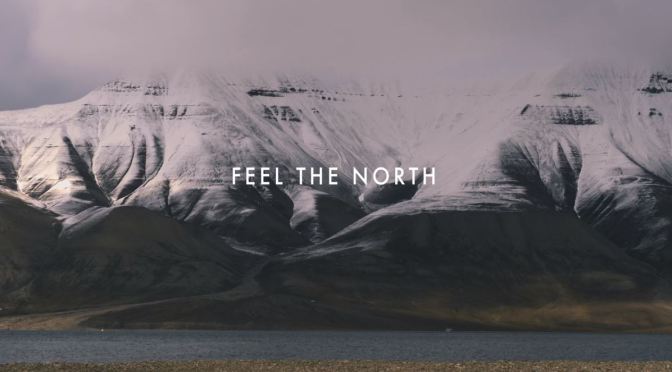
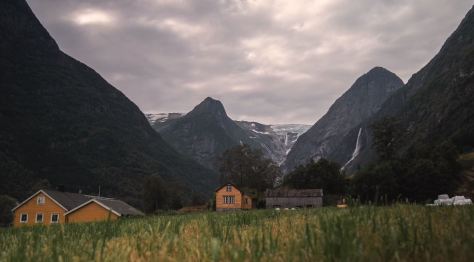
Feel the North, that was the goal of vacation with our children. Discover amazing landscapes like only Norway can offer. In addition to crossing it from the south of the latitude of 58 ° N to 79 ° N of Svalbard, we wanted to live this experience in summer and in winter and discover these 2 very contrasting facets that are the midnight sun and the polar night. . I take you along with us to explore the fjords, the glaciers, the Vega archipelago, the Lofoten, Senja, Lapland and Svalbard islands, hoping to make you feel this exceptional nature.
Music by: Luke Atencio (“Long Distance”) and David A. Molina (“Monarch”)
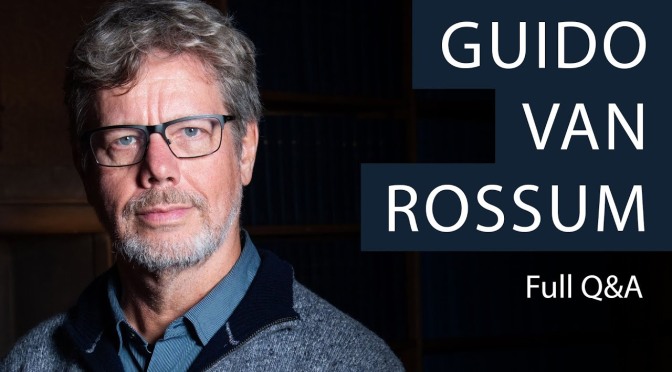
Van Rossum is a Dutch programmer and the author of the programming language Python. Python was first released in 1991 and is now one of the world’s most popular coding languages. Van Rossum was the language’s Benevolent Dictator for Life until 2018, and now sits on the Python Steering Council. He has also developed software for Google, and currently works at Dropbox.
ABOUT THE OXFORD UNION SOCIETY (OUS): The Oxford Union is the world’s most prestigious debating society, with an unparalleled reputation for bringing international guests and speakers to Oxford. Since 1823, the Union has been promoting debate and discussion not just in Oxford University, but across the globe.
I’ve been waiting for these conditions since more than six years. A few days ago it was finally possible to capture my hometown Erfurt with fog during the golden hour, for a few minutes the whole town looked like a fairytale world. Lay back and enjoy this short edit of the beautiful Christmas market and the old town of Erfurt.
Music by: Patrick Hawes & Grace Davidson (“Quiet Waters”)








 Boomers Daily