
From a NeuroscienceNews.com online release article (01/02/20):
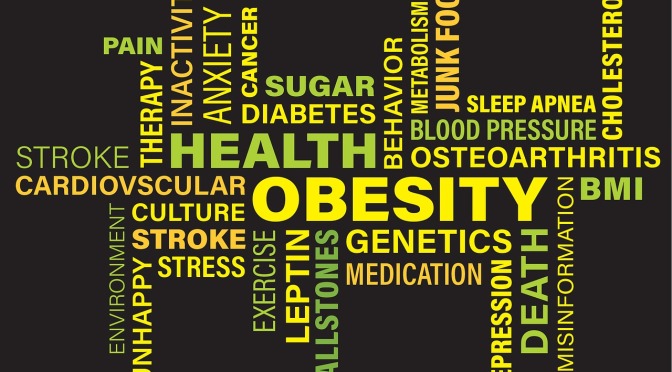
During the years 1976 through 1980, 15% of U.S. adults were obese. Today, about 40%of adults are obese. Another 33% are overweight.
“But, of course, food is now abundant, and our next meal is as close as the kitchen, or the nearest fast-food drive-through, or right here on our desk. Often, these foods are high in fats, sugars, and therefore calories, and that’s why they taste good. It’s easy to overconsume, and, over time, this takes a toll on our health.”
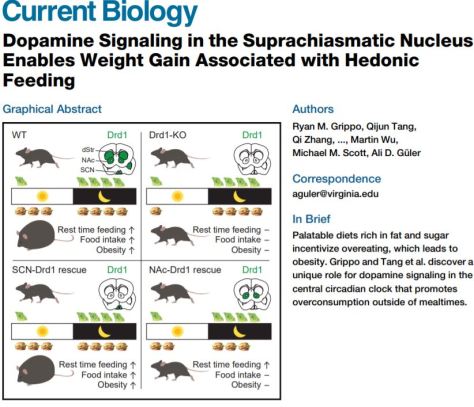
In a study published Thursday in the journal Current Biology, Güler and his colleagues demonstrate that the pleasure center of the brain that produces the chemical dopamine, and the brain’s separate biological clock that regulates daily physiological rhythms, are linked, and that high-calorie foods – which bring pleasure – disrupt normal feeding schedules, resulting in overconsumption. Using mice as study models, the researchers mimicked the 24/7 availability of a high-fat diet, and showed that anytime snacking eventually results in obesity and related health problems.

 Hundreds of miles south of Japan’s main islands, in the East China Sea, is a Jurassic Park of longevity, with a higher percentage of centenarians (people who live to 100 years old) than anywhere else on Earth.



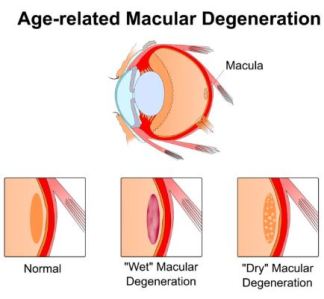 “Our work provides additional evidence that that diet matters,” Millen added. “From a public health standpoint, we can tell people that if you have early AMD, it is likely in your best interest to limit your intake of processed meat, fried food, refined grains, and high-fat dairy to preserve your vision over time.”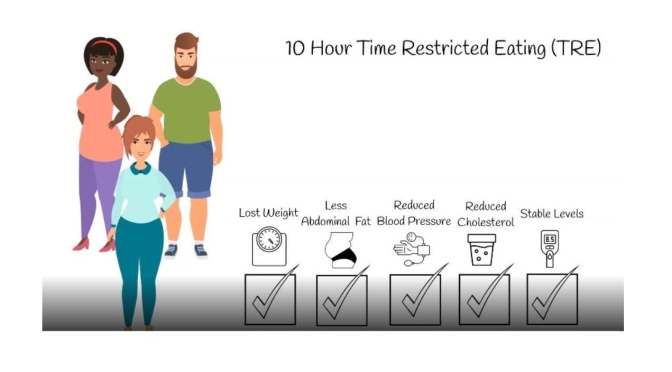
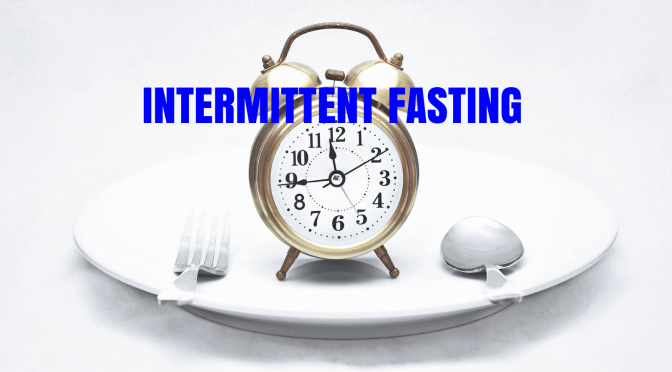
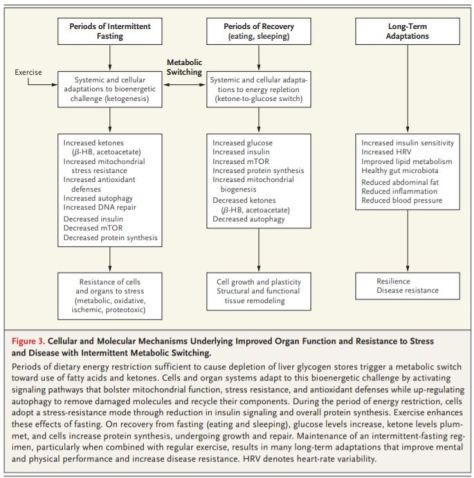
 Ten-hour time-restricted eating (TRE) limits daily dietary intake to a consistent 10-h window, creating a 14-h nightly fast. Researchers studied whether TRE for 12 weeks in people with metabolic syndrome receiving standard medical care (including medications to lower cholesterol and blood pressure) improves markers of health. TRE led to weight loss, healthier body composition (including decreased waist circumference), lower blood pressure and levels of cardiovascular disease-promoting lipids (i.e., “bad cholesterol” levels), and more restful sleep. TRE could be an effective dietary intervention to help those with metabolic syndrome.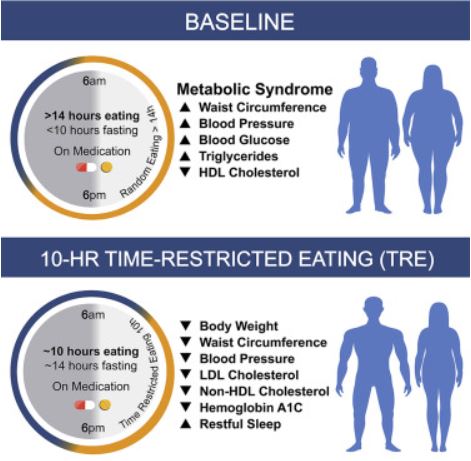
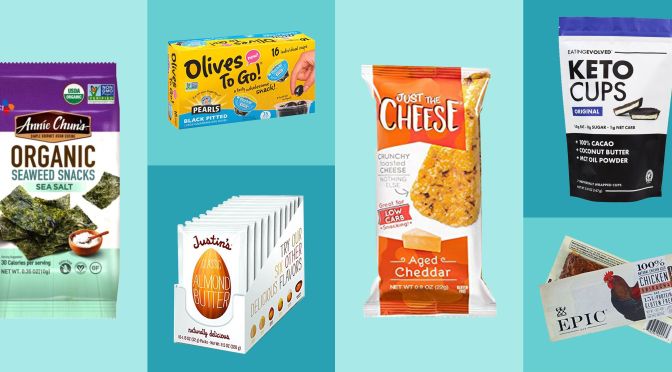
 According to a report from Innova Market Insights, snacking has already become an all-day habit in the States. While 46% of consumers eat salty snacks between-meals in the afternoon and 37% in the evening, more consumers are also replacing traditional meals with quicker bites. The numbers of consumers who are consuming salty snacks at lunchtime (23%), dinner (17%) and even breakfast (8%) are on the increase.
 …a new study from the
  “A reduction in body weight of 12 percent is like getting a human from 200 pounds down to 176, which is a significant change,” said first author Md Nurunnabi, a former Postdoctoral Fellow at the Wyss Institute and SEAS who is now an Assistant Professor of Pharmaceutical Sciences at The University of Texas at El Paso. “Our goal is to translate this work into a product that can help people maintain a healthier weight, and this study marks the very beginning of that journey.”
 Infections with the Enterococcus bacterium are a major threat in healthcare settings. They can lead to inflammation of the colon and serious illnesses such as bacteremia and sepsis, as well as other complications.
 Their previous research has shown that when harmless strains of microbes are wiped out, often due to treatment with antibiotics, Enterococcus and other harmful types of bacteria can take over due to lack of competition. As part of the new study, which included analysis of microbiota samples from more than 1,300 adults having BMTs, the team confirmed the link between Enterococcus and GVHD.
 Boomers Daily