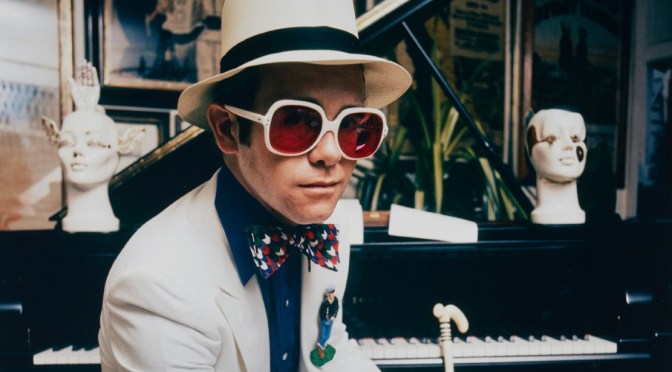

In 1991 when Sir Elton John bought a duplex-apartment at Park Place on Peachtree Road in Atlanta’s coveted Buckhead neighbourhood, he couldn’t have imagined the extent to which the city would transform him personally and professionally.

In 1991 when Sir Elton John bought a duplex-apartment at Park Place on Peachtree Road in Atlanta’s coveted Buckhead neighbourhood, he couldn’t have imagined the extent to which the city would transform him personally and professionally.
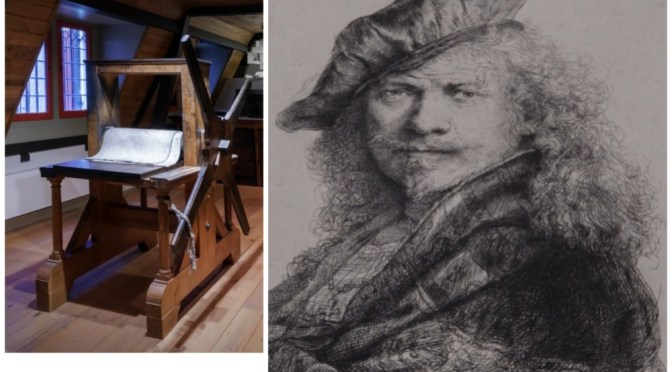
Then a more detailed look at the Sam Josefowitz Collection of Rembrandt prints – the most comprehensive and impressive in private hands – as we examine some of the highlights of these graphic masterpieces.
On 7 December 2023, Christie’s will be offering a selection of these prints across two sales in London: Old Masters Part I and The Sam Josefowitz Collection: Graphic Masterpieces by Rembrandt van Rijn.
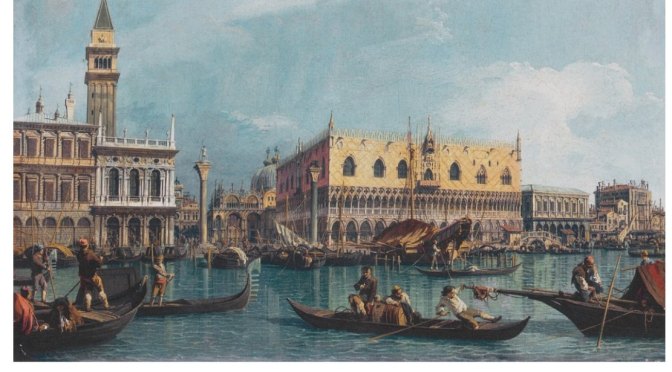
Home for most of his life, the city was also the artistic subject that dominated his career. Canaletto helped establish the veduta — or topographical view — as one of the chief genres of Venetian painting in the 18th century, as well as a prime export. A pair of vedute by Canaletto, unknown to scholars until now, will lead the Old Masters Part I sale at Christie’s in London on 7 December 2023, as part of Classic Week.
Coming from a private collection, these masterpieces were painted around 1734, when Canaletto was at the peak of his powers, almost certainly for an English patron.
Find out more: https://www.christies.com/en/stories/…

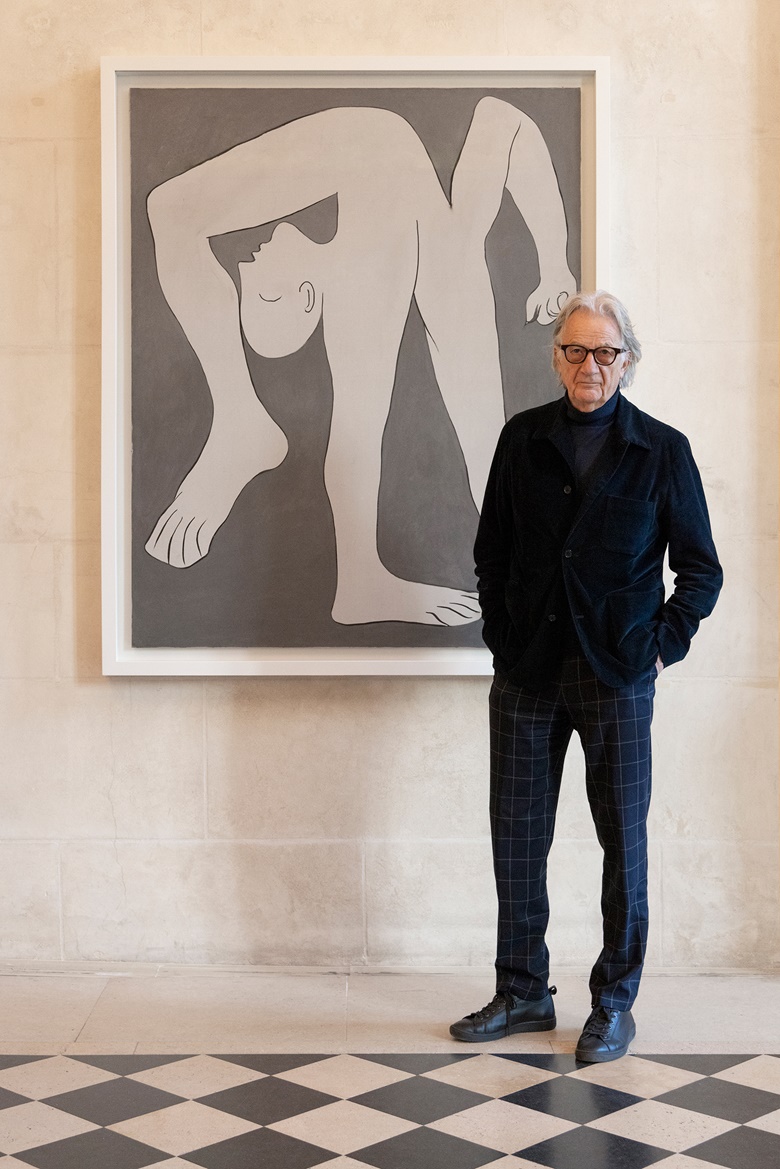
It is fifty years since Pablo Picasso died, on 8 April 1973 at Notre-Dame-de-Vie, his home in Mougins. The body of work that he left behind had a profound impact on the entire 20th century.
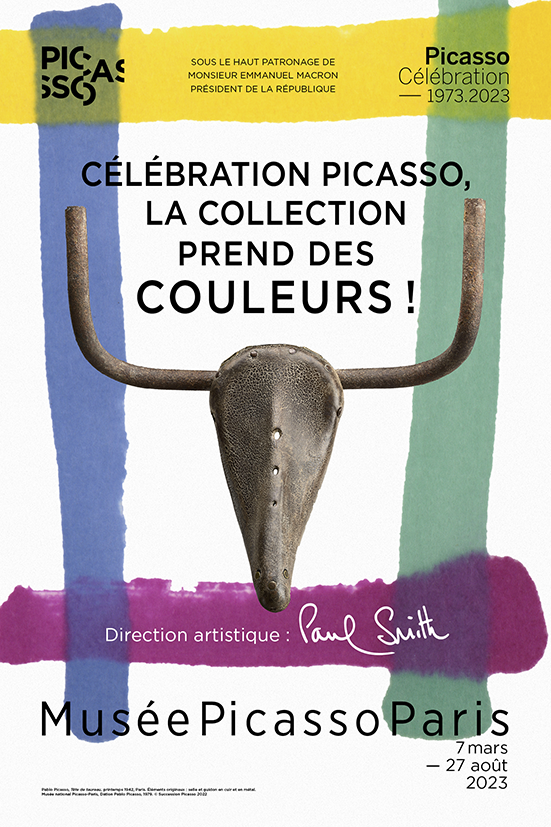
For this anniversary year, the Musée National Picasso-Paris has invited the British designer Sir Paul Smith, known for his work with colour, tailoring and unexpected details, to lead the artistic direction of an exceptional exhibition showcasing the museum’s collection.
Works by Zhang Daqian at Sotheby’s
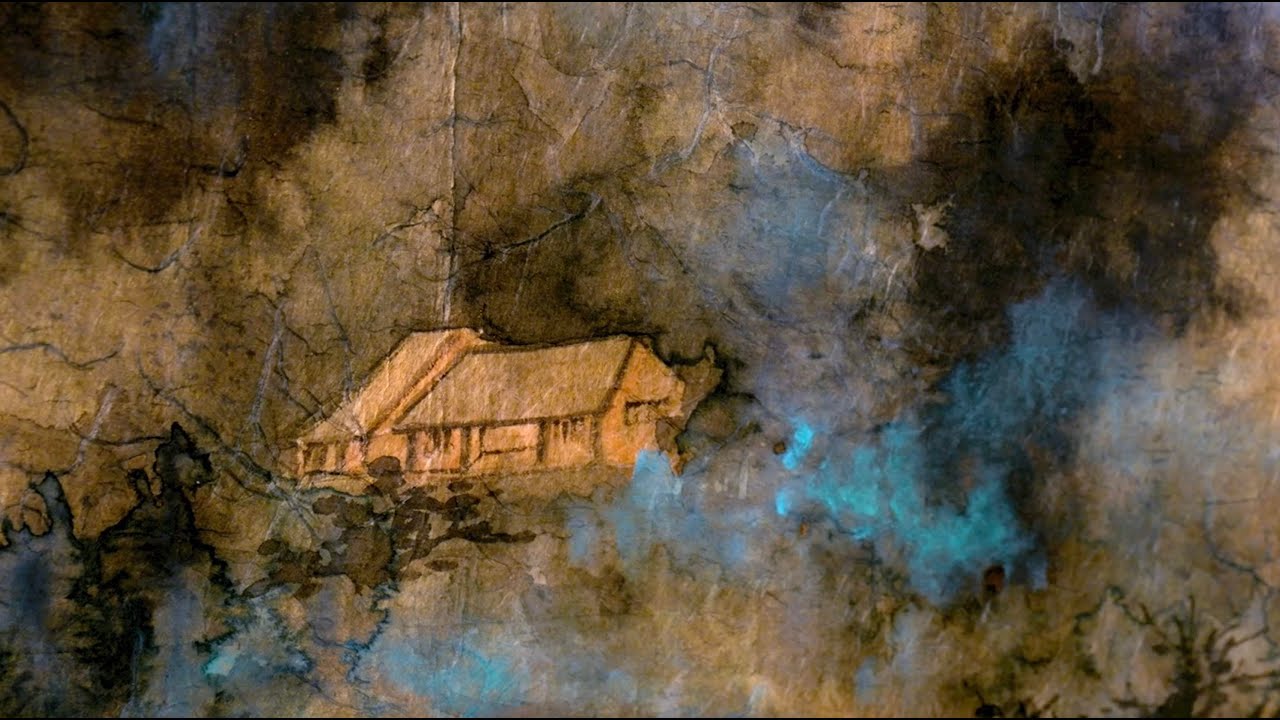
Chang Dai-chien or Zhang Daqian was one of the best-known and most prodigious Chinese artists of the twentieth century. Originally known as a guohua painter, by the 1960s he was also renowned as a modern impressionist and expressionist painter.
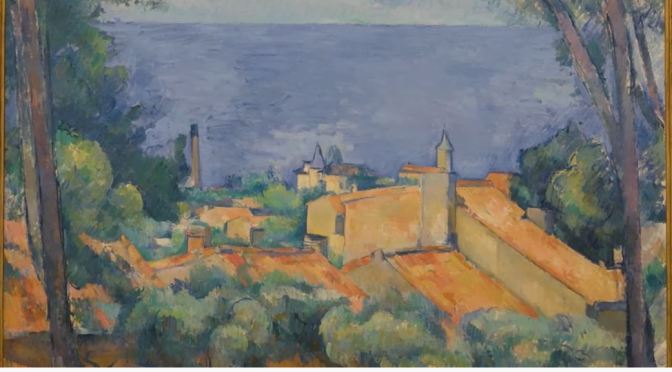
L’Estaque aux toits rouges by Paul Cézanne is one of the finest views of L’Estaque, the Provençal fishing village where the artist forged a radical new way of depicting the world around him.
Exhibited in 1936 and hidden away ever since, this remarkable piece will finally come back on view as part of The Cox Collection: The Story of Impressionism, taking place at Christie’s New York on 11 November.
While Cézanne is primarily associated with Aix-en-Provence, the village of L’Estaque near Marseille was a place that he returned to again and again when he sought sanctuary. His relationship with the village began when he holidayed there as a child with his mother. Then, in 1870, when Cézanne left Paris to avoid conscription into the army following the start of the Franco-Prussian War, he escaped to L’Estaque.
Learn More: https://www.christies.com/features/ce…
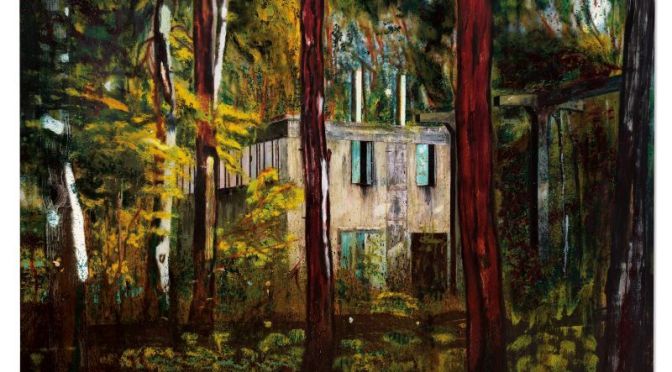
In 1991, the Scottish artist Peter Doig (b. 1959) visited Le Corbusier’s Unité d’Habitation in northeast France, a utopian housing project that had opened in 1961 in Briey-en-Fôret, then been abandoned.
To Doig, the project was a temple of hope laid to ruin, and the nine large-scale canvases it inspired — Doig’s seminal ‘Concrete Cabins’ series, the largest and most distinctive cycle in Doig’s oeuvre — became a meditation on the decay of Le Corbusier’s modernist vision of social cohesion.
Boiler House was first exhibited in Salzburg after Doig had won the Eliette von Karajan prize in 1994, and was included in Doig’s 2008 retrospective at Tate Britain. It stands alone within the cycle, an isolated building in the forest.
Depicting the building designed to house the estate’s coal boiler, it is rendered in fluid trails of impasto, and carries a stark anthropomorphic charge, the angular geometries looming large through a screen of trees, shifting in and out of focus like a memory or fragments from a movie reel.
Learn More: https://www.christies.com/features/Bo…
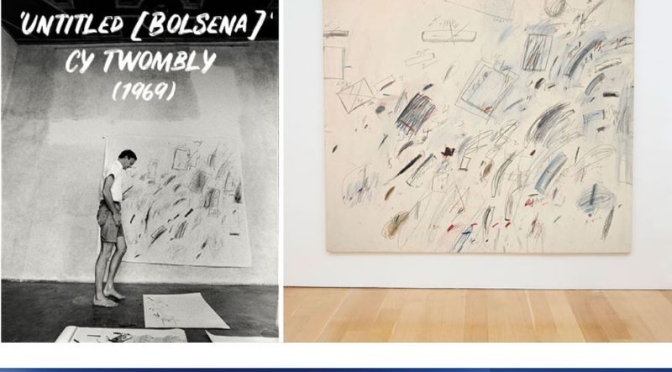
In the summer of 1969, Cy Twombly made a series of paintings inspired by the Apollo 11 space mission.
Born in Lexington, Virginia, in 1928, Edwin Parker ‘Cy’ Twombly studied art in Boston and at the avant-garde Black Mountain College in North Carolina. After graduating, he served as a cryptologist in the US Military — an experience that left a distinctive mark on his artistic style.
Learn more: https://www.christies.com/features/Mo…

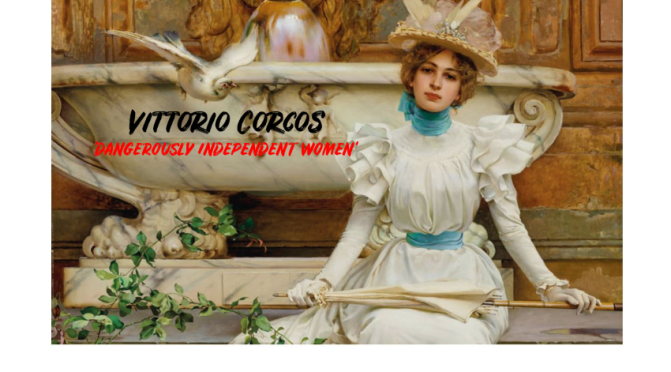
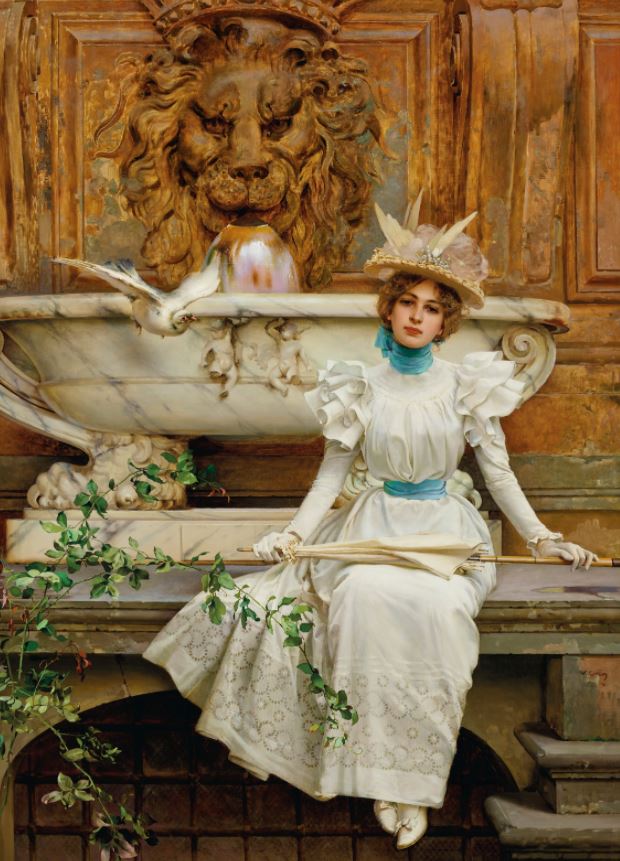
He went on to become a highly respected portraitist, counting Kaiser Wilhelm II of Germany, Benito Mussolini and opera star Lina Cavalieri among his subjects. In Coy’s view, however, his portraits were relatively conventional offerings — and Corcos’s ‘best work’ was his turn-of-the-century imagery of ‘dangerously independent women’.
Compare the biographies of Vittorio Corcos (1859-1933) and Amedeo Modigliani (1884-1920), and a remarkable number of similarities become apparent. Both were born into Jewish families in the Italian port city of Livorno in the second half of the 19th century; both would settle — and artistically come of age — in Paris. Both would even excel at the same type of paintings: their provocative depictions of women.
Their reputations, however, have suffered widely different fates. Modigliani, who struggled to sell much work before his death at the age of 35, is today regarded as a master of Modernism. Corcos, by contrast, who enjoyed a long and prosperous international career, posthumously became a rather forgotten figure.
An invitation into any artist’s imagined world involves an intimacy rarely encountered outside of portraiture, but Matthew Wong does this without fear by relying on our one nugget of shared understanding – Shangri-la. What is paradise after all but knowing and being known? “You sit in front of this painting, and it overwhelms you.” – reveals our specialist Isabella Lauria, –
“We get lots in our dreams, and this painting makes me feel lost in the best way.” Post-War and Contemporary Art Day sale, October 7 2020
View sale highlights: https://www.christies.com/features/Po..
Matthew Wong was a Canadian artist. Self-taught as a painter, Wong received critical acclaim for his work before his death in 2019 at the age of 35. Roberta Smith, co-chief art critic at The New York Times, has praised Wong as “one of the most talented painters of his generation.”



 Boomers Daily