Tag Archives: Books

2022 Reviews: Best Sci-Fi, Fantasy & Horror Books

Literary Hub (December 13, 2022) – The Best Reviewed Sci-Fi, Fantasy, and Horror Books of 2022:

Sea of Tranquility by Emily St. John Mandel
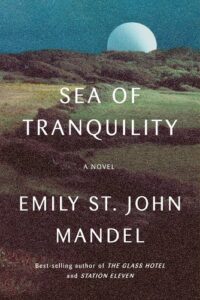
Sea of Tranquility

Read an interview with Emily St. John Mandel here

“In Sea of Tranquility, Mandel offers one of her finest novels and one of her most satisfying forays into the arena of speculative fiction yet, but it is her ability to convincingly inhabit the ordinary, and her ability to project a sustaining acknowledgment of beauty, that sets the novel apart. As in Ishiguro, this is not born of some cheap, made-for-television, faux-emotional gimmick or mechanism, but of empathy and hard-won understanding, beautifully built into language … It is that aspect of Sea of Tranquility, Mandel’s finely rendered, characteristically understated descriptions of the old-growth forests her characters walk through, the domed moon colonies some of them call home, the robot-tended fields they gaze over or the whooshing airship liftoff sound they hear even in their dreams, that will, for this reader at least, linger longest.”

–Laird Hunt (The New York Times Book Review)

Our Missing Hearts by Celeste Ng
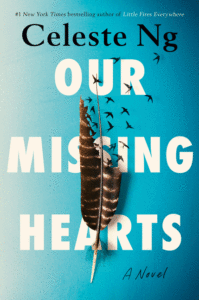
Celeste Ng_Our Missing Hearts Cover

“Stunning … One of Ng’s most poignant tricks in this novel is to bury its central tragedy…in the middle of the action. This raises the narrative from the specific story of a confused boy and his defeated father to a reflection on the universal bond between parents and children … Our Missing Hearts will land differently for individual readers. One element we shouldn’t miss is Ng’s bold reversal of the biblical story of the Tower of Babel. It is the drive for conformity, the suppression of our glorious cacophony, that will doom us. And it is the expression of individual souls that will save us.”

–Bethanne Patrick (The Lost Angeles Times)

Bliss Montage by Ling Ma
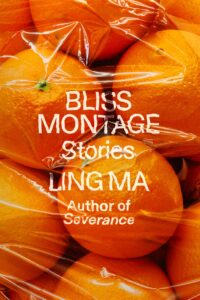
Bliss Montage Ling Ma

“The strangeness of living in a body is exposed, the absurdity of carrying race and gender on one’s face, all against the backdrop of an America in ruin … Ma’s meticulously-crafted mood and characterization … Ma’s gift for endings is evident … Ma masterfully captures her characters’ double consciousness, always seeing themselves through the white gaze, in stunning and bold new ways … Even the weaker stories in the book…are redeemed by Ma’s restrained prose style, dry humor, and clever gut-punch endings. But all this technical prowess doesn’t mean the collection lacks a heart. First- and second-generation Americans who might have been invisible for most of their lives are seen and held lovingly in Ma’s fiction.”

–Bruna Dantas Lobato (Astra)

Moon Witch, Spider King by Marlon James
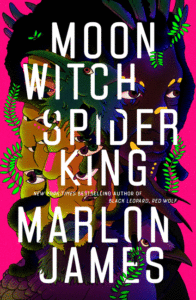
Marlon James_Moon Witch, Spider King Cover

“Marlon James’s Moon Witch, Spider King, the second book in his Dark Star trilogy, is both a continuation of the narrative that began with Black Leopard, Red Wolf in 2019 and an outstanding retelling of that story that expands on what the first book started. While shifting points of view, James…enriches the existing story, and the result is a book that simultaneously celebrates African mythology while creating its own … an impressive amalgamation of folklore, magic, and mythology that weaves together several narratives, but the element that makes it memorable is James’s prose. As lush as the forests he describes, the prose in this novel is simple, rhythmic, and strangely elegant. This is writing with a kind of cadence that turns every line into a poem, every story a tale told around a fire, every event an occurrence deserving of attention … Retelling the same story from a different perspective is not a gimmick here; it is a successful literary device that leads to a gripping narrative … This is a novel about the power of grief where anger is a driving force, and in that, despite all its fantastical elements, it is a deeply human story.”

–Gabino Iglesias (The Boston Globe)

Lesser Known Monsters of the 21st Century by Kim Fu


Read a story from Lesser Known Monsters of the 21st Century here
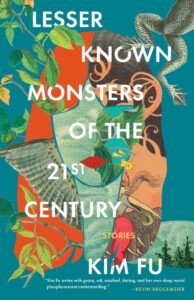
Lesser Known Monsters of the 21st Century

“..the horrors are more intimate, smaller, and less global in scale. This is not a collection filled with fantastic beasts, although a sea monster does make an appearance, but instead illuminates the monstrous nature of humanity … Technology, rather than magic, catalyzes these changes. That is not to say there are not some traces of unexplained fantasy, such as a girl who sprouts wings from her ankles, but mostly, Fu’s monsters manifest from modernity … The success of Kim Fu’s stories is the element of the unexpected. There are surprises lurking in these narratives, whether it is a quick final plot twist or unexpected peculiarity …

Although Fu seems more concerned with alienation stemming from individual relationships, there is criticism of conventional consumer capitalism … The characters in Fu’s collection are eccentric and unexpected in their choices, and many of their stories feature unforeseen endings that strike the right tone for the dark era we live in … Fu opens a window looking onto the sad possibilities of our own failures.”

–Ian MacAllen (The Chicago Review of Books)

The Daughter of Doctor Moreau by Silvia Moreno-Garcia


Read an essay by Silvia Moreno-Garcia here
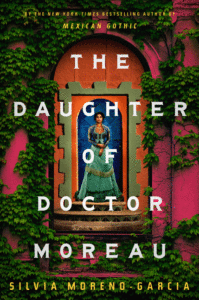
The Daughter of Doctor Moreau_Silvia Moreno-Garcia

“The imagination of Silvia Moreno-Garcia is a thing of wonder, restless and romantic, fearless in the face of genre, embracing the polarities of storytelling—the sleek and the bizarre, wild passions and deep hatreds—with cool equanimity … the novel immerses readers in the rich world of 19th-century Mexico, exploring colonialism and resistance in a compulsively readable story of a woman’s coming-of-age … The visceral horror of what Carlota has endured, combined with Moreno-Garcia’s pacing and drama, makes for a mesmerizing horror novel.”
READ MORE

Books: The New York Times Book Review – Dec 11, 2022

The New York Times Book Review - December 11, 2022 | Magazine PDF

@nytimesbooks December 11, 2022 features:

2022 Reading Picks From Times Staff Critics

The books they read this year that have stayed with them.

When It Comes to Picture Books, Santa Sells

At this time of year, the best-selling books for children are all Christmas, all the time. And they’re not even new!

A Family Drama, Taiwan History and Murder Case, Rolled Into One

“Ghost Town,” a novel by Kevin Chen, recounts the overlapping — and hotly contested — memories of a Taiwanese family.

Reviews: The Seven Best Books On Politics In 2022

The Economist – Best books on politics in 2022:

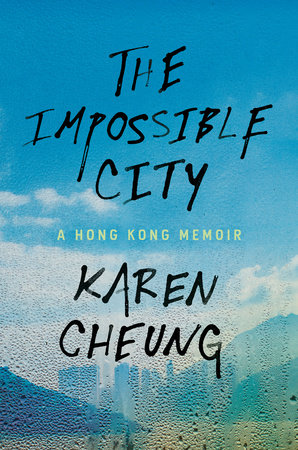
The Impossible City By Karen Cheung

The Impossible City by Karen Cheung

An illuminating and moving personal account of how Hong Kong descended into the mass street unrest of 2019, and of the pandemic-abetted repression that has crushed it since. The author speaks powerfully for a desperate generation of young Hong Kongers conscious that their home city has lost what made it home.

There Are No Accidents. By Jessie Singer

There Are No Accidents

A look at why Americans are so much more likely to suffer violent “accidents” than people in other rich countries. The author shows how poor road design, rather than bad driving, explains the persistence of car crashes and how factories use rule books and disciplinary procedures as a cheap substitute for real safety improvements.

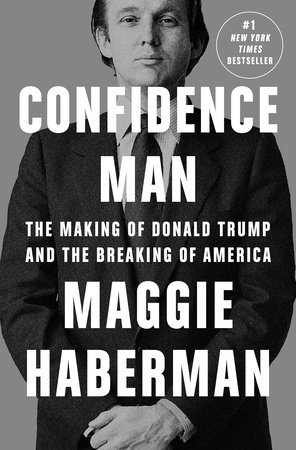
Confidence Man. By Maggie Haberman

Confidence Man by Maggie Haberman

A chronicle of the life and lies of the 45th president of the United States, from outer-borough brat to White House bully. This portrait of a master scammer is by a New York Times journalist who covered Donald Trump for decades. He learned early, she notes, that celebrity was power.

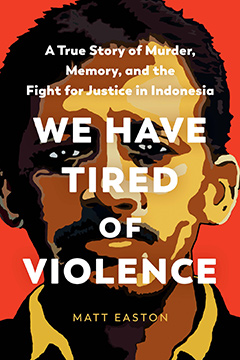
We Have Tired of Violence. By Matt Easton

We Have Tired of Violence

meticulous narration of the efforts to bring to justice the killers of Munir, a prominent Indonesian human-rights activist murdered in 2004. It reads like an enthralling legal-procedural whodunnit, as evidence is slowly unearthed from telephone records, lost documents are retrieved from deleted computer files and intriguing new witnesses emerge.

The Naked Don’t Fear the Water By Matthieu Aikins

In 2016 the author, a Canadian journalist, went undercover to accompany an Afghan friend on his perilous journey to a new life in Europe—always knowing that, if push came to shove, he could fall back on his Western citizenship, while his friend would have to rely on his luck. The result is a devastatingly intimate insight into the refugee crisis.

The Age of the Strongman By Gideon Rachman

It is striking how many of today’s leaders fit the strongman mould, notes a columnist for the Financial Times (formerly of The Economist). His subjects, including Xi Jinping and Prince Muhammad bin Salman, are a threat not only to the well-being of their own countries, he says, but to a world order in which liberal ideas are increasingly embattled.

The Economic Weapon By Nicholas Mulder

A fortuitously timed history of the use of economic sanctions during the interwar period of the 20th century. Their mixed success cautions against hoping that the West’s sanctions against Russia can bring about an end to war in Ukraine.

Literary Readings: ‘The Illiad’ (London Review)

London Review of Books (LRB) – December 9, 2022: Among the Ancients, with Emily Wilson and Thomas Jones, which we’ll be re-running from January next year. With a new episode each month, Among the Ancients will consider some of the greatest works of Ancient Greek and Roman literature, from Homer to Horace. In this sample Emily and Tom discuss the Iliad.

Among the Ancients: The ‘Iliad’

A sample from the first episode of the Close Readings series from Emily Wilson and Thomas Jones.

Dating to the ninth century B.C., Homer’s timeless poem still vividly conveys the horror and heroism of men and gods wrestling with towering emotions and battling amidst devastation and destruction, as it moves inexorably to the wrenching, tragic conclusion of the Trojan War. Renowned classicist Bernard Knox observes in his superb introduction that although the violence of the Iliad is grim and relentless, it coexists with both images of civilized life and a poignant yearning for peace.

Reviews: The Ten Best Science Books Of 2022

Smithsonian Magazine – Ten Best Science Books of 2022 – December 7, 2022: From a detective story on the origins of Covid-19 to a narrative that imagines a fateful day for dinosaurs, these works affected us the most this year

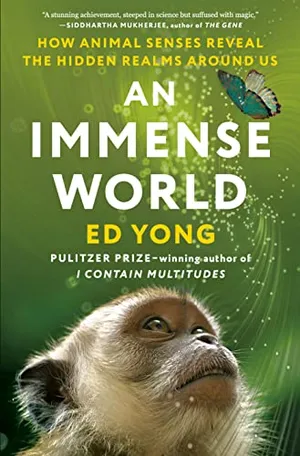
An Immense World: How Animal Senses Reveal the Hidden Realms Around Us by Ed Yong

Preview thumbnail for 'An Immense World: How Animal Senses Reveal the Hidden Realms Around Us

In An Immense World, science journalist Ed Yong dives into the vast variety of animal senses with a seemingly endless supply of awe-inspiring facts. As humans, we move through the world within our Umwelt—a term for subjective sensory experience Yong borrows from the Baltic German biologist Jakob von Uexküll. But every creature on Earth has its own Umwelt that we can scarcely imagine. Through interviews with scientists around the globe, Yong teases out the astonishing details of other animals’ perceptions, introducing us to their fantastic Umwelten. Scallops, for example, have up to 200 eyes with impressive resolution, but their brains are likely not complex enough to receive and process such crisp images. Some butterflies can perceive ultraviolet color patterns on their wings that distinguish them from other species. And hammerhead sharks have receptors that scan the seafloor for the electric fields emitted by hidden prey, “as one might use metal detectors,” Yong writes. But many creatures’ senses have been thrown off by human activity, he notes. For example, our visually centered society has erected artificial lights that disorient migrating birds and hatchling sea turtles.

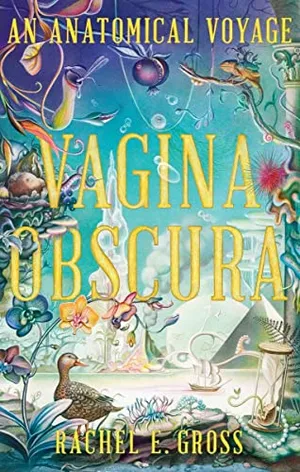
Vagina Obscura: An Anatomical Voyage by Rachel E. Gross

Preview thumbnail for 'Vagina Obscura: An Anatomical Voyage

Perhaps no aspect of our anatomy is both more fascinating and misunderstood than the vagina—down to the very common usage of what that word means. A vagina isn’t the whole of a woman’s reproductive anatomy. Instead, the vagina is a muscular canal that’s part of many people’s reproductive systems, of varying genders, whether they were born with it or had it surgically constructed. Nuance exists in this territory that is so often overwhelmed by a tangle of science, myth and cultural perceptions, and journalist Rachel E. Gross has composed an enthralling, sensitive book that’s relevant to everyone no matter what your personal topography looks like.

The pages of Vagina Obscura contain plenty of cutting-edge popular science and historic reflection on everything from how ovaries were once miscategorized as female testicles to how operations for individuals injured in war paved the way for gender-affirming surgeries. The book is arranged by anatomical part, and Gross details the function each part carries out. Gross’ work stands out because the unfolding story is couched in what we’ve been wrong about, how our ideas have changed, and how every person—no matter their sex—shares far more in common than we often recognize. Everyone’s reproductive anatomy, as Gross notes, is made up of the same parts in different arrangements, a quirk of human development that underscores commonality. Gross’ exploration is far more than a natural history of human anatomy, but a narrative that busts myths and celebrates all that we’ve come to know about vaginas and their associated parts during a time when such clarity on sex, gender and bodily autonomy is more needed than ever. Where the popular understanding of human anatomy is sometimes shallow, Vagina Obscura brings depth. (Riley Black)

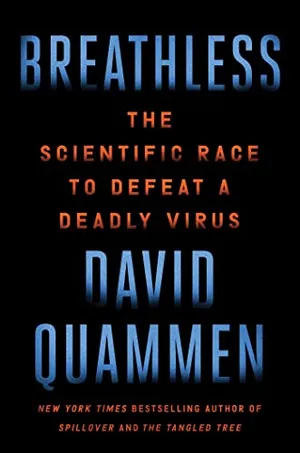
Breathless: The Scientific Race to Defeat a Deadly Virus by David Quammen

Preview thumbnail for 'Breathless: The Scientific Race to Defeat a Deadly Virus

In Breathless, David Quammen has constructed a masterful book about scientists’ efforts to understand SARS-CoV-2, the virus that causes Covid-19. Make no mistake, the book is not about healthcare and our response to Covid-19. The main character in this tale is the virus, and Quammen crafts a detective tale about the coronavirus SARS-CoV-2 by chronicling the efforts of scientists around the world to identify it, search for its origins, understand how it mutates and respond to it. He interviewed 95 scientists and allows readers to look over the shoulders of many of them as they use their specialized expertise to study the virus. To show how the scientific process works on a global scale, he details the work of a genomic epidemiologist here, an evolutionary virologist there and a computational biologist somewhere else. Each expert adds or refutes some important detail about the rapidly evolving virus that has created a pandemic. Each discovery builds on those that came before.

Quammen has said he wrote the book with no outline, instead allowing each addition to naturally form on the next, in the way a crystal forms. He has the skills and knowledge to do this thanks to decades spent writing captivating science books, on everything including evolution and the spillover of disease from animals into humans. What results from his immense effort is a solid, reliable and entertaining scientific thriller about a shifty and prolific virus that is still very much evolving. (Joe Spring)

READ MORE

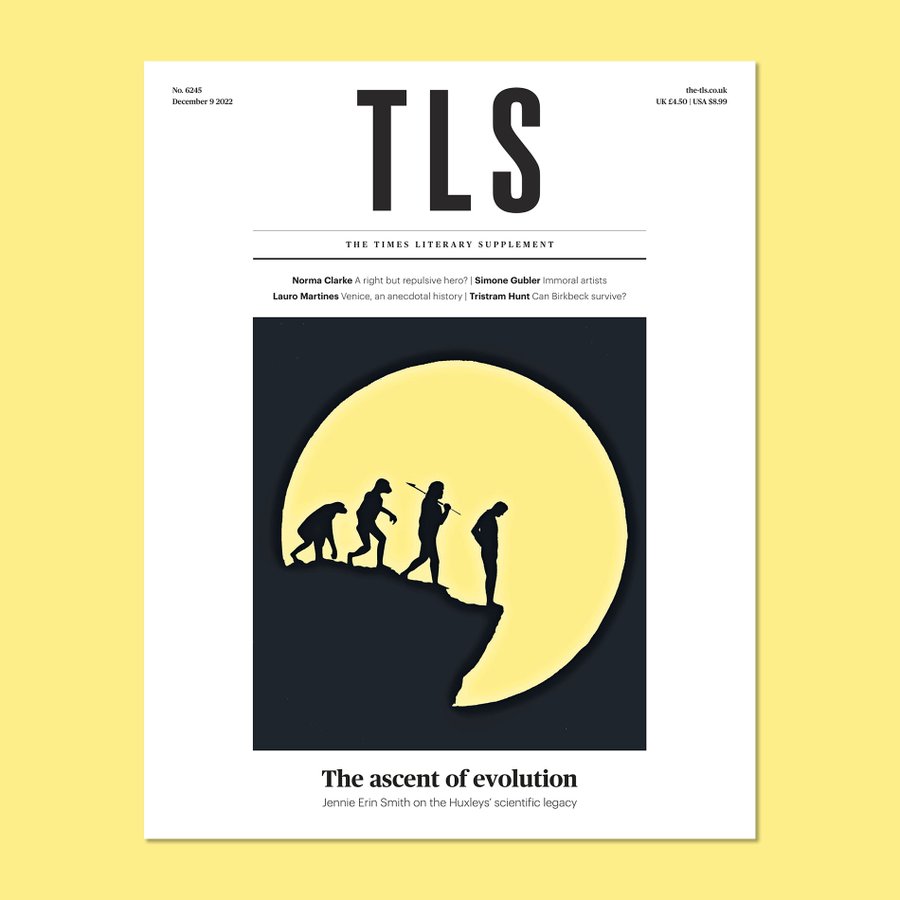
Books: TLS/Times Literary Supplement – Dec 9, 2022

Image

Times Literary Supplement (December 9, 2022) @TheTLS: Features @jennieerinsmith on the Huxleys; @TristramHuntVA on Birkbeck; @lib_thinks on Lady Glenconner; @jamesbpcook on fatherhood; @MisakCheryl on John Venn; @snsyquia on this year’s Michael @MarksAwards – and more.

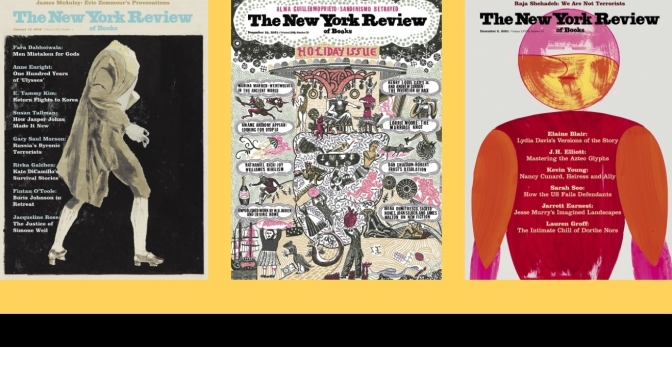
Books: New York Review Of Books – Dec 22, 2022

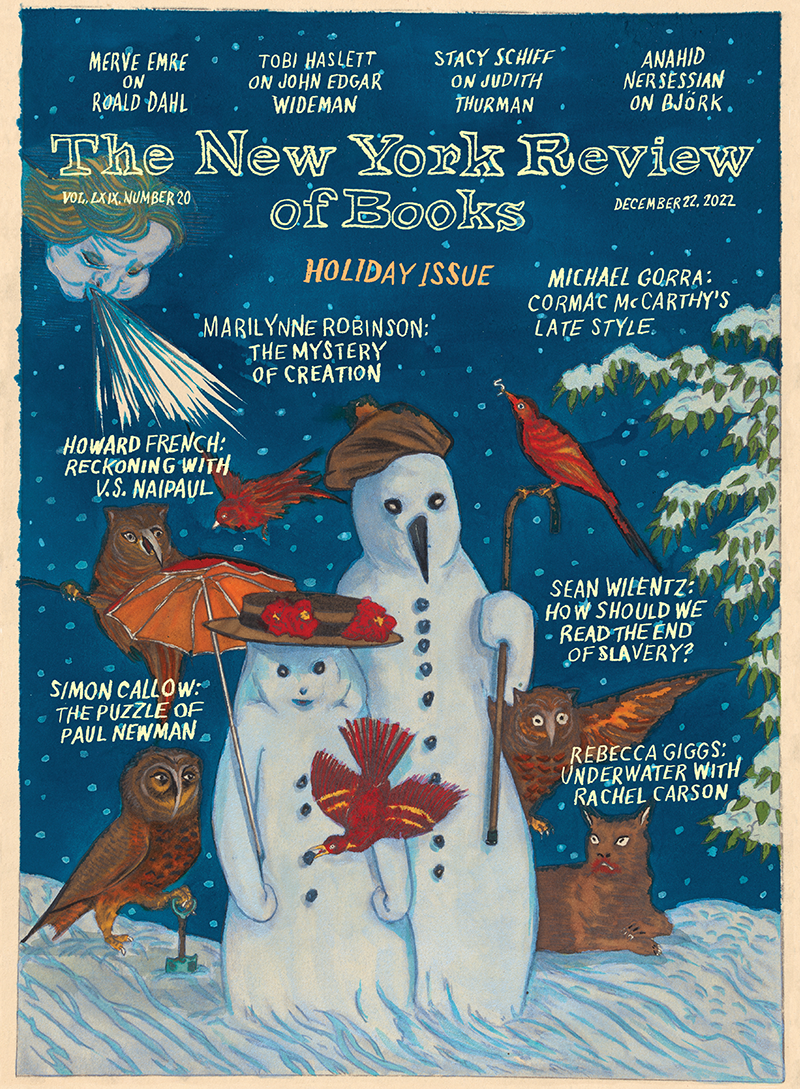
December 22, 2022 issue cover

The New York Review of Books – December 22, 2022:

‘Competitive Consumption’

An exhibition at the Metropolitan Museum of Art displays the extravagant Tudor taste for jewels, artworks, tapestries, and other finery.

The Tudors: Art and Majesty in Renaissance England an exhibition at the Metropolitan Museum of Art, New York City, October 10, 2022–January 8, 2023; the Cleveland Museum of Art, February 26–May 14, 2023; and the Legion of Honor, San Francisco, June 24–September 24, 2023

Writing the Furies

The essayist Judith Thurman has made a career of profiling complicated, often unstoppable women.

A Left-Handed Woman by Judith Thurman

The Sea, the Sea

Rachel Carson’s ocean books reveal an author profoundly engaged with the problem of how to convey ecological knowledge—and how to decenter human life.

The Sea Trilogy: Under the Sea-Wind, The Sea Around Us, The Edge of the Sea by Rachel Carson, edited by Sandra Steingraber

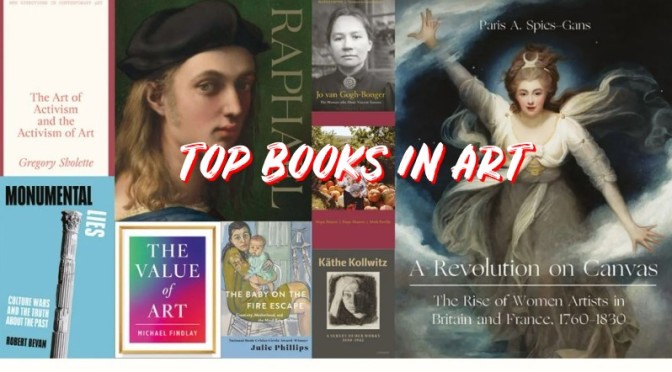
Arts & Literature: The Top Nine Art Books Of 2022

The Art Newspaper (December 6, 2022) – The books team at The Art Newspaper has waded through the piles of art tomes published this year so you don’t have too. Below, each editor has picked three publications that shone through in 2022.

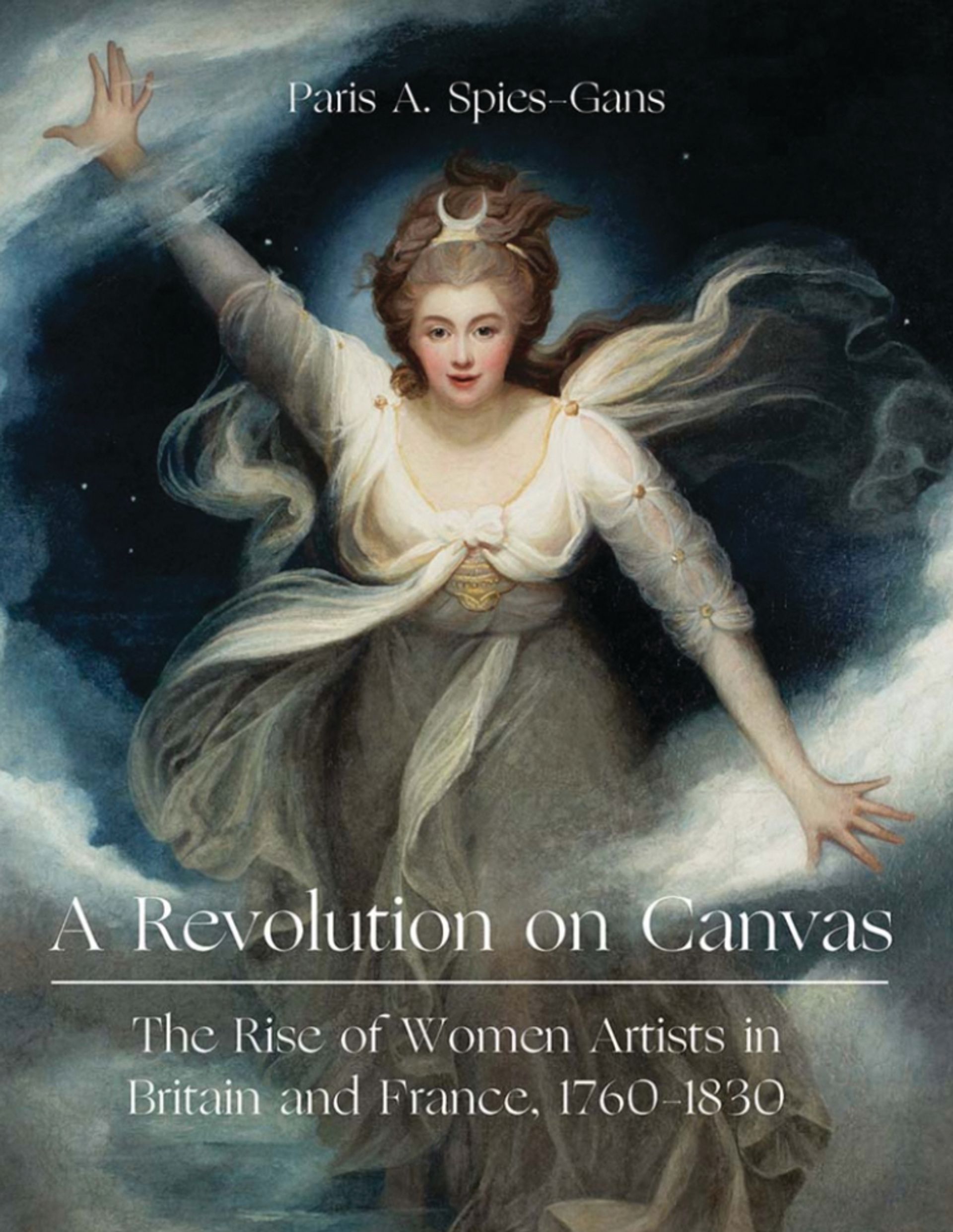
A Revolution on Canvas: The Rise of Women Artists in Britain and France 1760-1830 by Paris A. Spies-Gans (Paul Mellon Centre/Yale)

The miniaturist Sarah Biffen (subject of the excellent Without Hands show at Philip Mould gallery in London, until 12 December, and accompanying publication), born with no arms or legs, was one of many professional women artists to exhibit in major venues in Paris and London between 1760 and 1830, beyond the few currently celebrated (Angelica Kauffman, Élisabeth Vigée Le Brun, etc.), as Spies-Gans’s exhaustive, groundbreaking research reveals in this beautifully produced book.

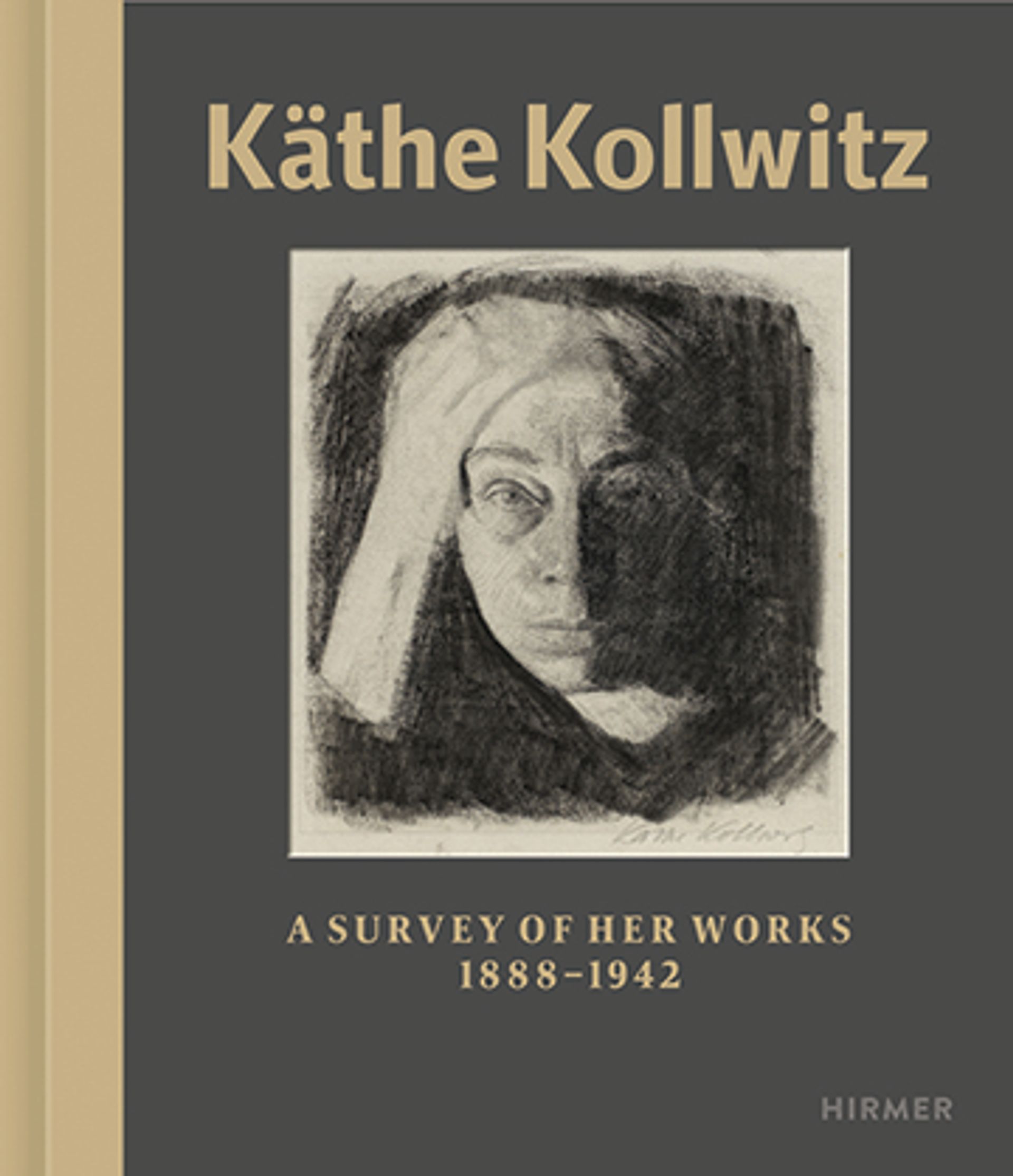
Käthe Kollwitz: A Survey of Her Works 1888-1942, edited by Hannelore Fischer (Hirmer/Käthe Kollwitz Museum)

This year has been a particularly good one for stand-alone publishing on historic and Modern women artists, and women’s significant influence within the international art world—fingers crossed this signals a shift (at last) from niche to mainstream. Honourable mention goes to Lund Humphries’s Illuminating Women Artists series, with two books in the bag (Luisa Roldán and Artemisia Gentileschi) and two more scheduled for 2023 (Elisabetta Sirani and Rosalba Carriera). It was a brutal selection process, but the first of my top three, from the many excellent books we reviewed over the last year, is Fischer’s Käthe Kollwitz. Kollwitz’s brilliance requires no introduction, but this exquisitely illustrated survey, while exploring her many iconic works, draws attention to lesser-known imagery including her subtly erotic subjects.

Jo van Gogh-Bonger: The Woman Who Made Vincent Famous by Hans Luijten, translated by Lynne Richards (Bloomsbury)

Chicago University Press’s first English translation of the Parisian art dealer Berthe Weill’s 1933 memoir was pipped to the post by this superb biography of the equally extraordinary Jo van Gogh-Bonger. So much has been written on Vincent van Gogh that you wonder what more can be said. It turns out much more on the woman who was the early driving force behind the Dutch artist’s legacy.

Gareth Harris, book club co-editor and chief contributing editor

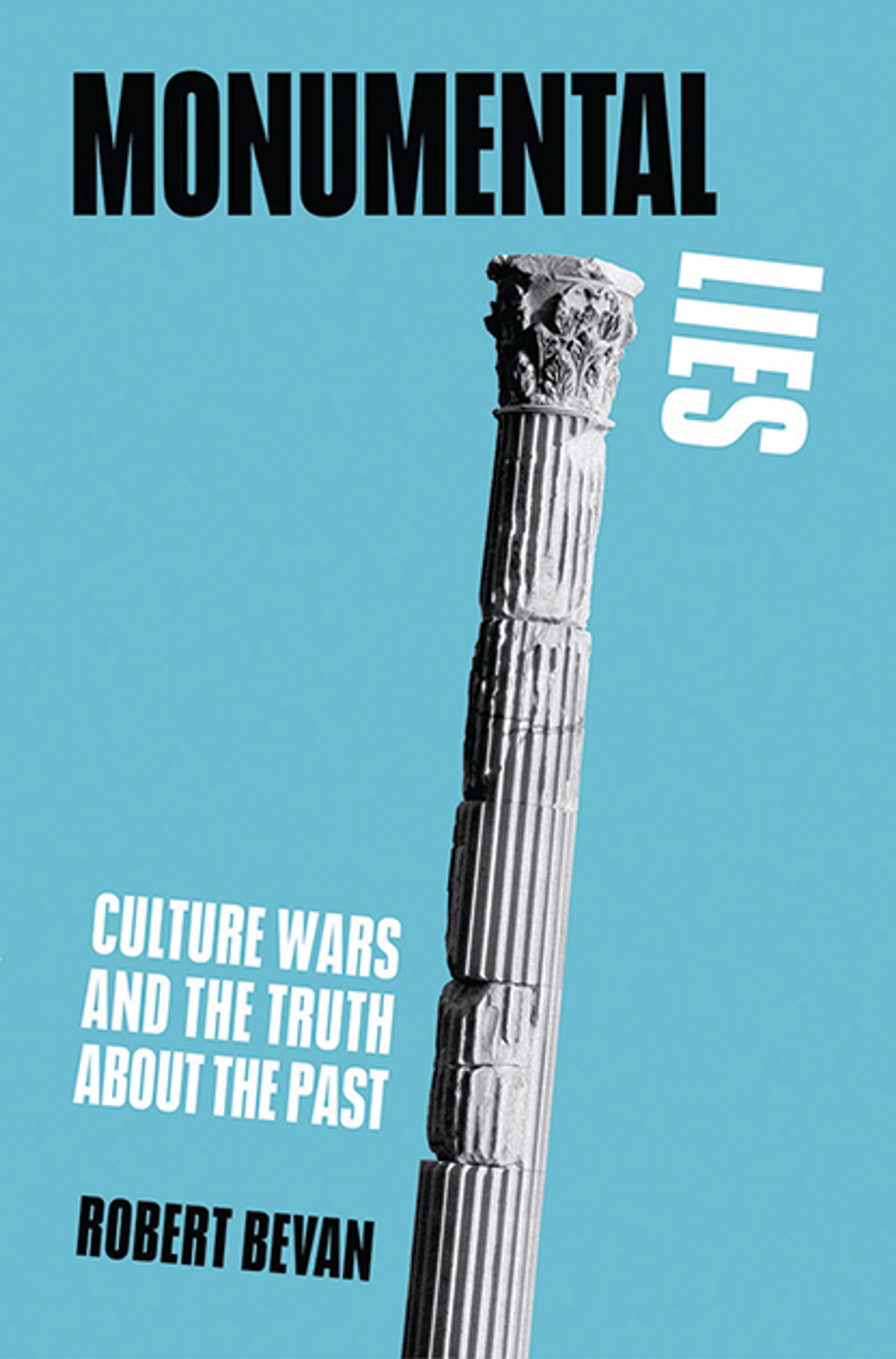
Monumental Lies: Culture Wars and the Truth About the Past by Robert Bevan (Verso)

More and more commentators are making their voices heard in the clamour around today’s so-called “culture wars”, outlining the ideologies behind the destruction of, for instance, historic statues. Bevan astutely argues that those who manipulate our cultural past are shaping our future, making the case that historic buildings have become battlegrounds for right-wing and nationalist political arguments. Interestingly, he also questions the authority of Unesco. In one of many polemics, he says: “At the same time as its role in protecting culture has become suffocated by national interests, Unesco now appears to operate on the premise that any wartime damage should be undone.”

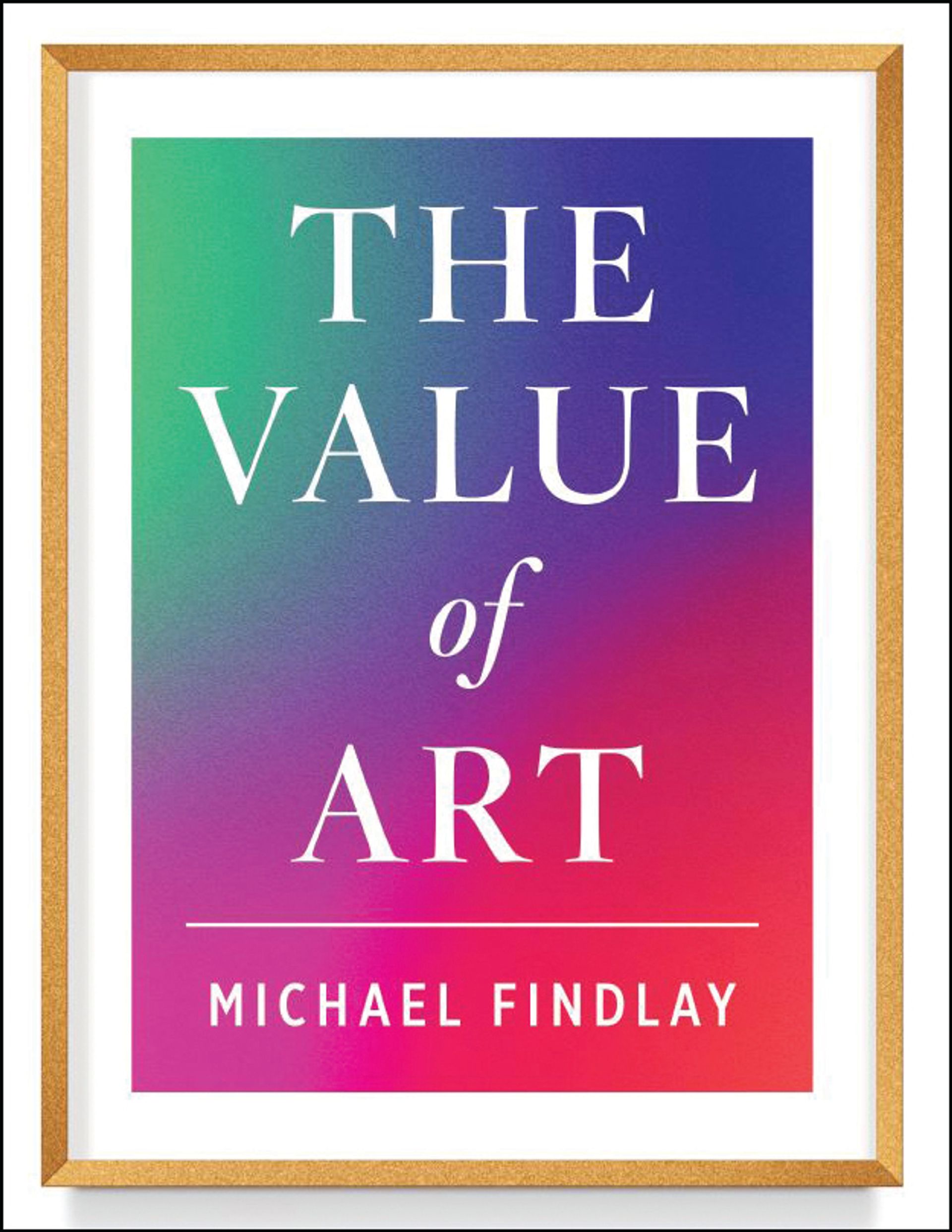
The Value of Art by Michael Findlay (Prestel)

This updated version of The Value of Art, first published in 2012, features important new material, focusing on, for instance, the rise of NFTs. Findlay asks, “where are the NFT art critics?… there is little discourse on the relative aesthetic qualities of the images themselves”. He also has strong opinions on “protest art”, saying: “In very broad terms, artists represent the protesting class while collectors represent the museum trustee class, and while the cultural ecosystem needs both, on issues of social justice they are often on different sides of the barricades.”
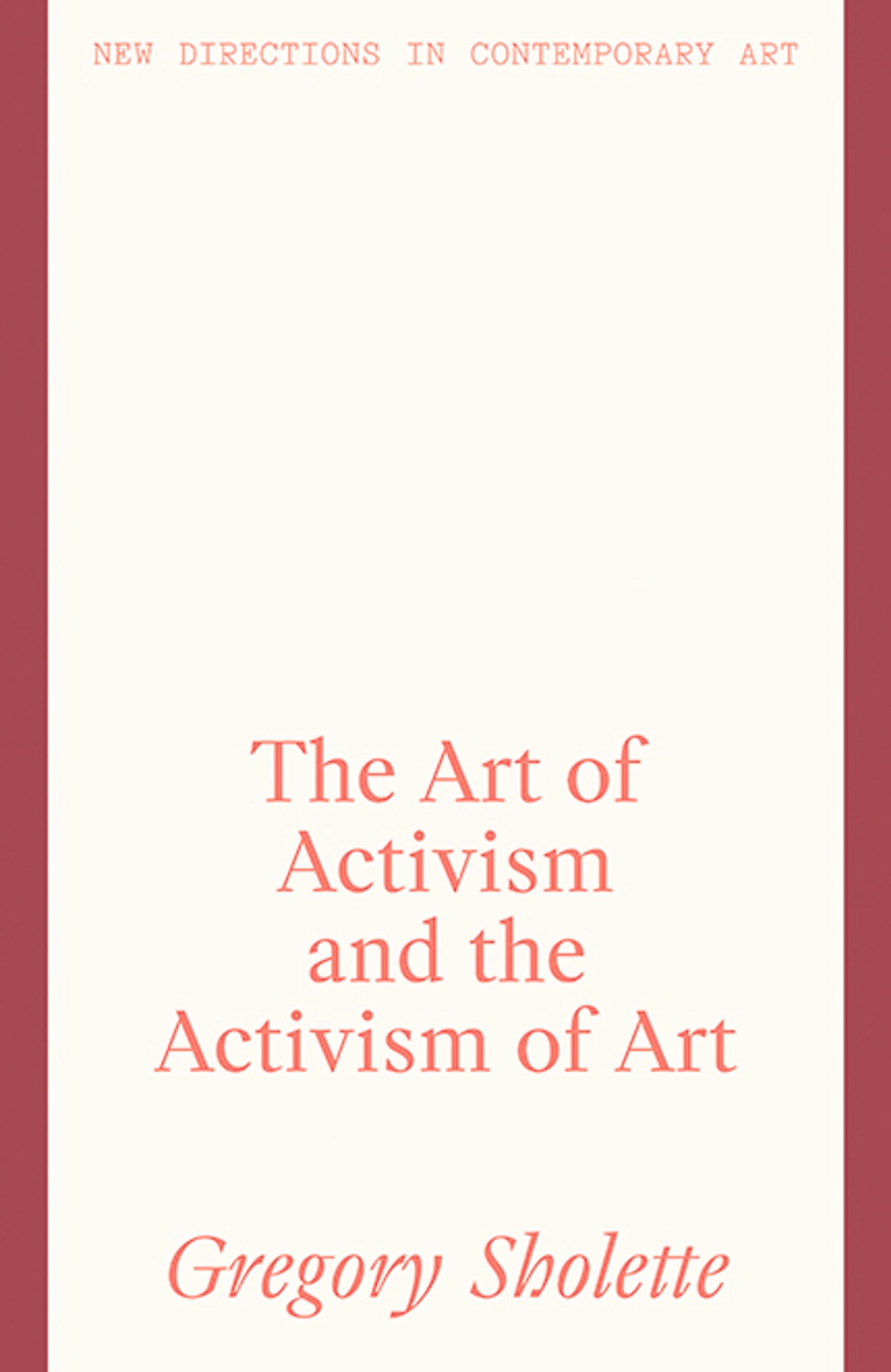
The Art of Activism and the Activism of Art by Gregory Sholette (Lund Humphries)

As a key member of the activist group Gulf Labor Coalition, Gregory Sholette has a unique perspective. Sholette examines this fascinating subject “from the perspective of an artist and activist who has been active in the field since the 1980s,” writes the art historian Marcus Verhagen in the introduction. This informed analysis spans more than 60 years of art activism, from the Situationist International group of social revolutionaries (1957-72), which directly engaged with the student uprisings in Paris in May 1968, to Black Lives Matter today, which has “unquestionably set a new high bar for protest aesthetics”, Sholette says.


José da Silva, book club co-editor and exhibitions editor

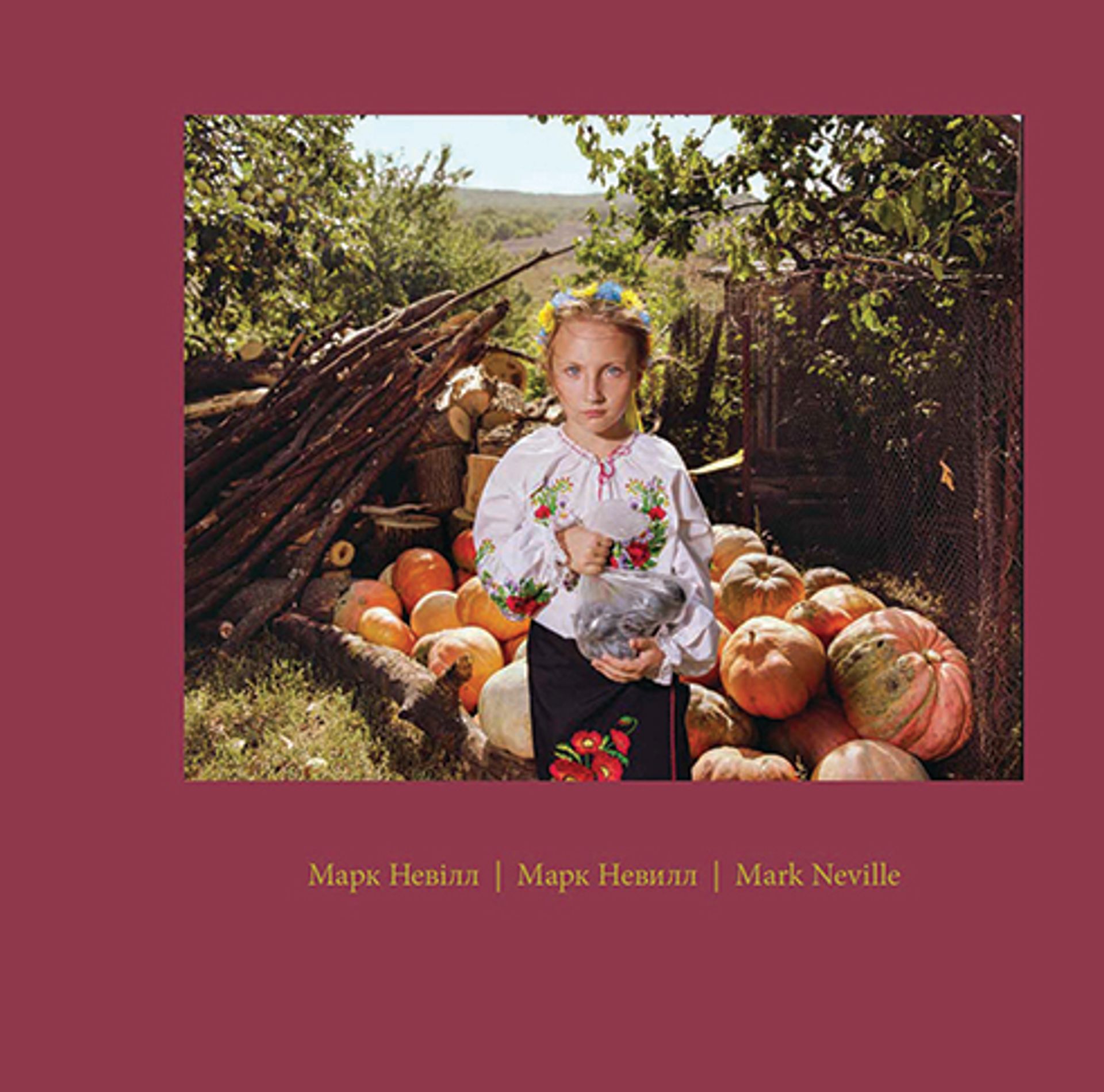
Stop Tanks With Books by Mark Neville (Nazraeli Press)

Neville’s photobook of Ukrainian life before Russia’s invasion in February is both a call to arms—the photographer sent 750 free copies to influential people who might “have it in their power to help Ukraine”—and a stark reminder that Ukraine was already at war in its east, as depicted in the photographs of soldiers manning trenches and checkpoints. However, it is the tender portraits of everyday life—people at the beach, in school, at a rave, eating ice cream—that really bring home the tragedy that has unfolded in Ukraine.

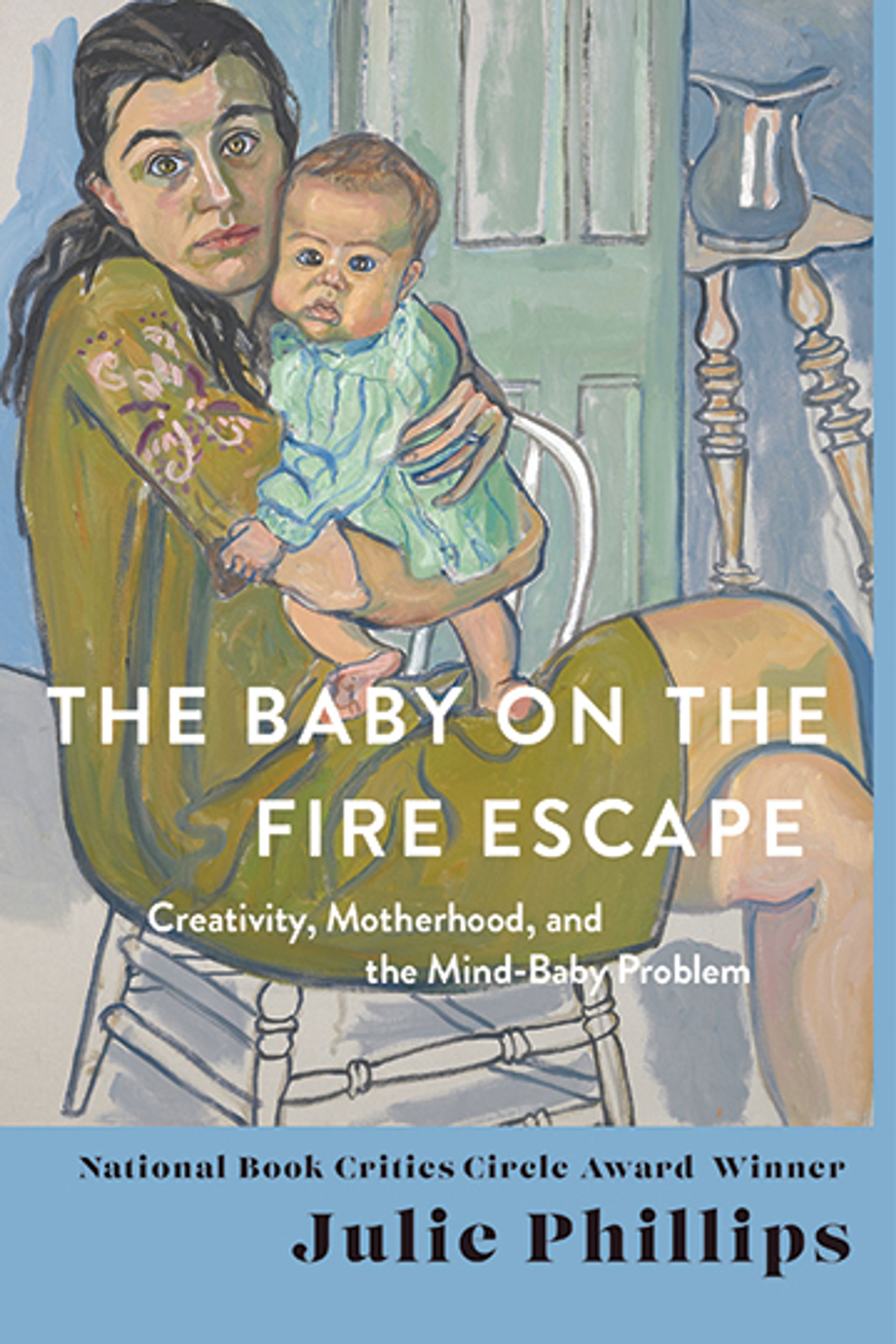
The Baby on the Fire Escape: Creativity, Motherhood and the Mind-Baby Problem by Julie Phillips (W. W. Norton & Company)

While most of the case studies in this book are from the literary world, the opening section on Alice Neel is a searing account of the complexities of balancing (or not) being a mother and an artist—and the often heavy price women pay. Neel, for example, can sometimes come across as brutal and uncaring, but these labels would rarely be used to describe an artist father in the same situation. Neel said that for much of her life she felt she “didn’t have the right to paint because I had two sons”. The book explores the difficult issues around the subject with no judgment and or neat conclusions—and is all the richer for it.

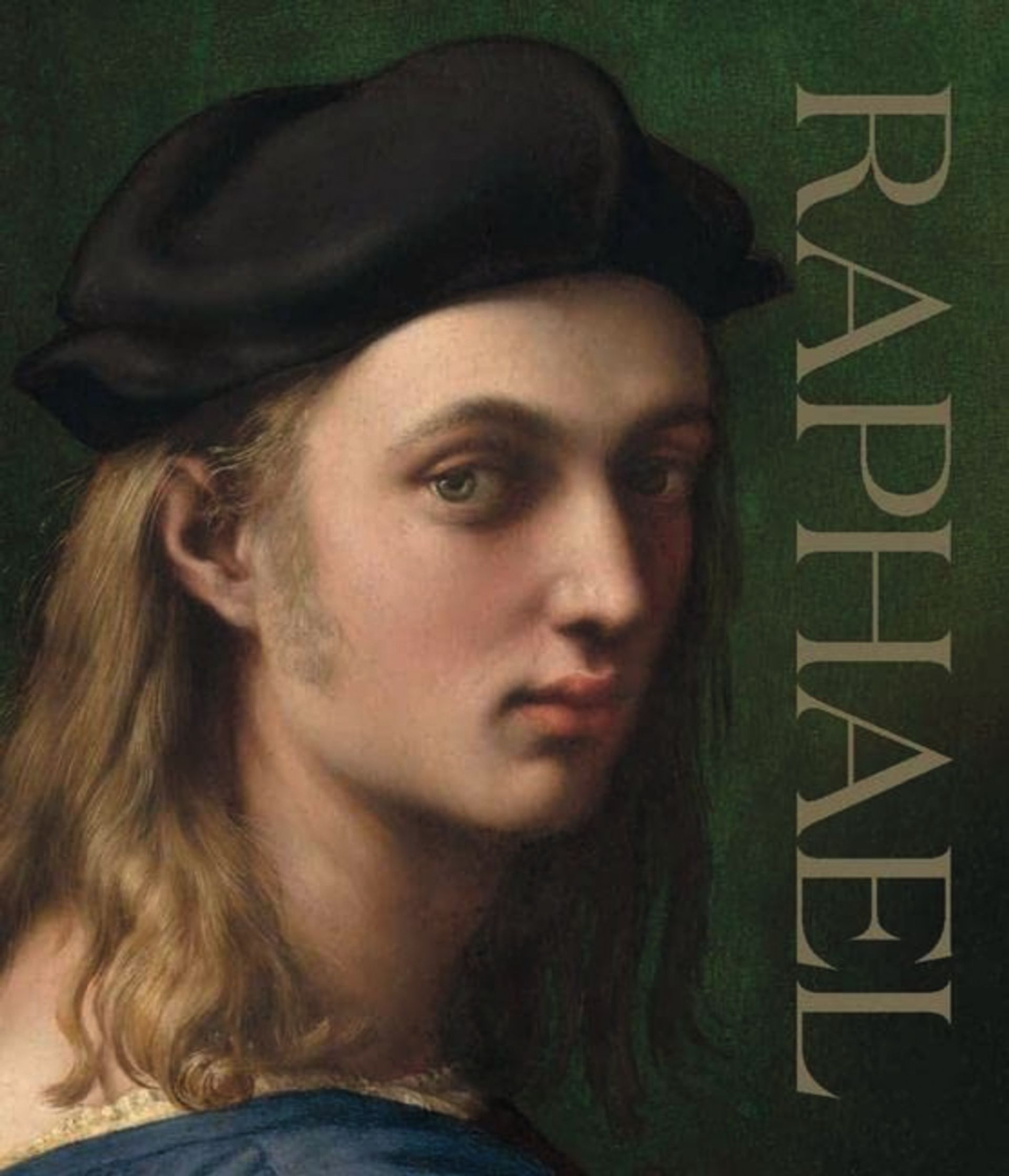
Raphael by David Ekserdjian, Tom Henry et al. (National Gallery Global Ltd)

If you missed the standout Raphael show at London’s National Gallery earlier this year, its catalogue is the next best thing. The rich imagery and texts make it the perfect coffee table book for art history buffs to dip into over the holiday season. There are also tasty titbits to tell the family over Christmas lunch, such as the belief that the Vatican’s foundations began cracking at news of Raphael’s death. Or when Munich’s Alte Pinakothek sold Raphael’s masterpiece Bindo Altoviti because it was believed at the time to have been painted by his assistant Giulio Romano, to buy what turned out to be a discredited Matthias Grünewald…

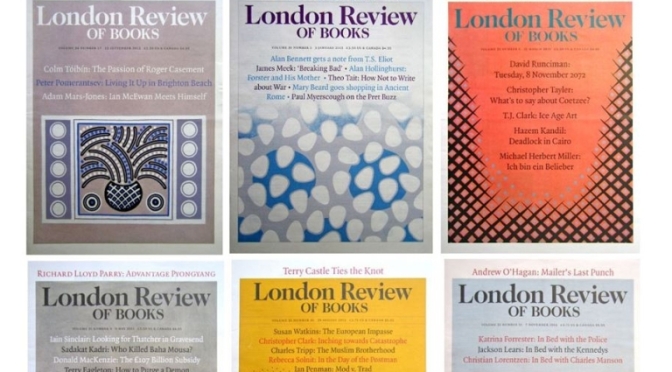
Books: London Review Of Books – December 15, 2022

Laleh Khalili · LRB

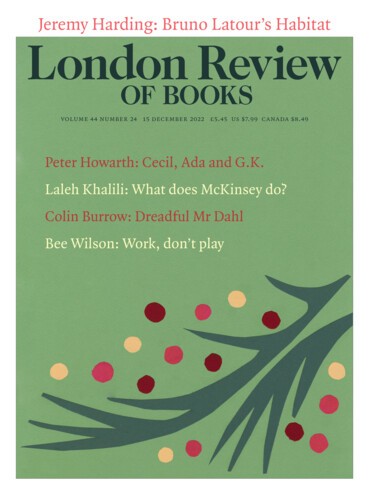
London Review of Books (LRB) – December 15, 2022:

In Clover: What does McKinsey do?

When McKinsey Comes to Town: The Hidden Influence of the World’s Most Powerful Consulting Firm by Walt Bogdanich and Michael Forsythe.

The primary product sold by all management consultants – both software developers and strategic organisers – is the theology of capital. This holds that workers are expendable. They can be replaced by machines, or by harder-working employees grateful they weren’t let go in the last round of redundancies. Managers are necessary to the functioning of corporations – or universities, or non-profit organisations – and the more of them the better.

Down among the Press Lords

Writing about the press by Andrew O’Hagan, Ross McKibbin, Jenny Diski, James Meek, Suzanne Moore, Mary-Kay Wilmers, Alan Rusbridger, Thomas Nagel and Raymond Williams.

Art & Design Reviews: The Best Book Covers Of 2022

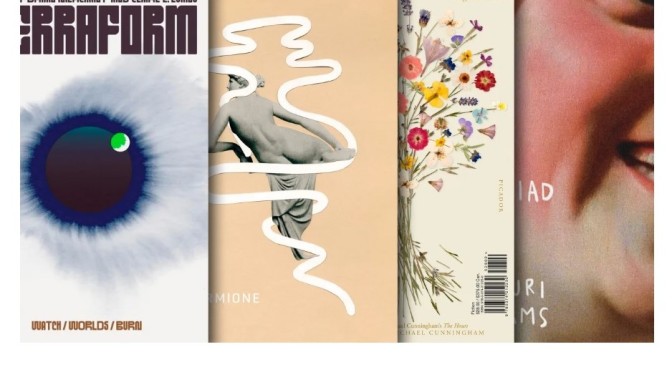
Fast Company Magazine (December 5, 2022) – The best book covers of 2022 as chosen by the best designers in publishing.

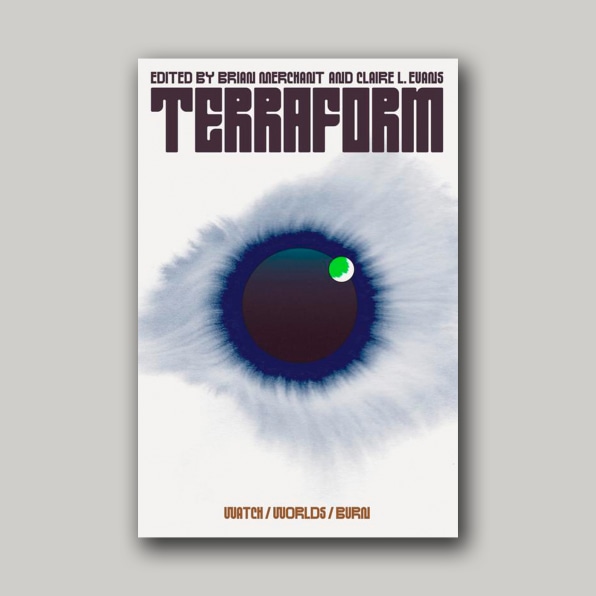
[Cover Image: MCD x FSG Originals]

TERRAFORM, DESIGNED BY CHLOE SCHEFFE

Selected by Alicia Tatone

“This cover feels simultaneously classic and entirely new. It’s slightly reminiscent of 1970s science fiction covers (albeit much more restrained), and yet I’ve never seen anything quite like it. That custom type! That illustration! Is it a world? An eye? Something else? All of the above? As a reader, I don’t typically gravitate toward sci-fi, but this cover is so compelling that it made me immediately want to buy the book.”

[Cover Image: Knopf]

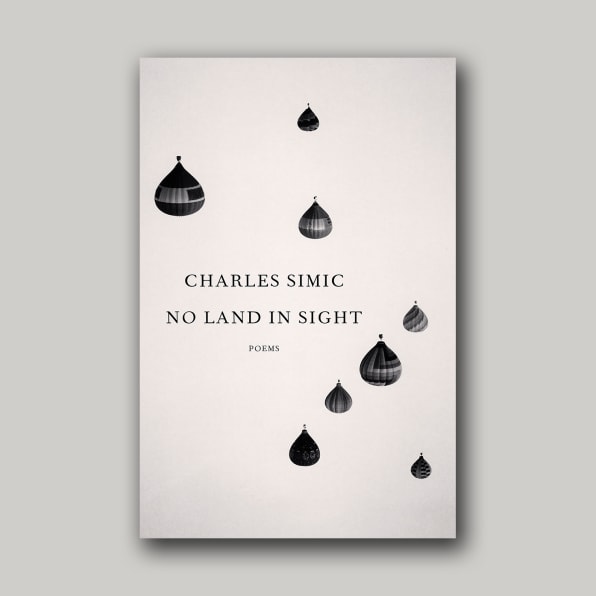
NO LAND IN SIGHT, DESIGNED BY JOHN GALL

Selected by Henry Sene Yee

“There were so many eye-catching covers this year, but the one that constantly stood out for me because of its stunning simplicity, beauty and mystery was designed by John Gall: No Land in Sight. In a sea of gorgeous covers exploding with kaleidoscopic colorful backgrounds, with elements twisting and intertwining, with the title and author type set in sans-serif condensed fonts, Gall’s cover was refreshing for its clean layout, tasteful typography, elements that are balanced and non-overlapping, in an austere monochromatic palette. Timeless.”

[Cover Images: Picador]

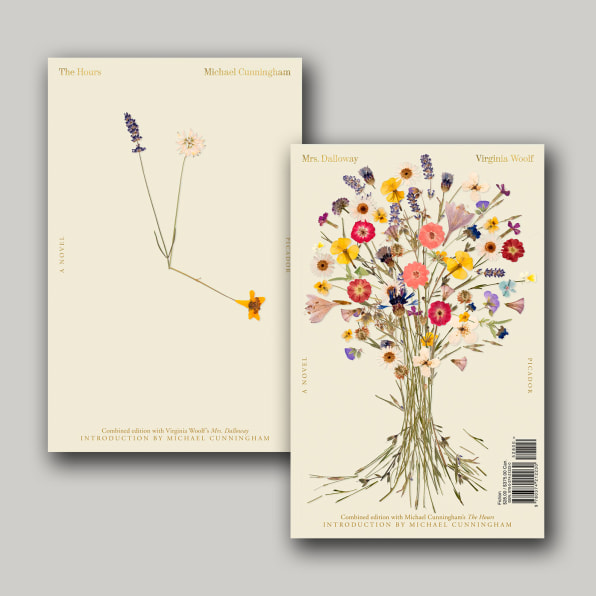
MRS. DALLOWAY & THE HOURS, DESIGNED BY PABLO DELCAN

Selected by Grace Han

“The whole package is stunning and smart—words I use a lot to describe Pablo Delcan’s works. The covers evoke introspectiveness and intimacy in such a beautiful way. Everything from the type to the flower placement feels considered and intentional. I love how both sides mirror and work with each other visually and conceptually.”

The best book covers of 2022

ASCESIS, DESIGNED BY DAVID PEARSON

Selected by Jack Smyth

“This cover is a feast of dualities: both a figurative scene and an abstract texture; a figure seen far off in the distance and a marbled paper viewed at almost 1:1 in scale; a formal, rigid, block colored layout, and a big, expressive interruption in the middle. The slightly muted colors are so refreshing, especially in a year when we’re reaching peak ‘pop,’ and David shows us here that you don’t need neon Pantones or massive type to create a big, bold, absorbing cover. I love that the type is almost pushed to the peripheries by the sprawl of the illustration, as if it’s something that’s happened over centuries; it makes everything feel massive in scale. Also, the silhouette of the figure is from a photo of the author, which is a perfect Pearson point of detail! There are worlds existing in this book cover, and I find it very easy to get lost in them.”