Trained as an oncological surgeon, Attia became interested in longevity because he saw that the “Four Horsemen” worked against it: diabetes, heart disease, cancer, and Alzheimer’s disease. All play a role in an unhealthy system, and all interrelate.
A data- and anecdote-rich invitation to live better, and perhaps a little longer, by making scientifically smart choices.
If you have Type 2 diabetes, then your chances of developing heart disease, cancer, and neurological disorders increases, and if your goal is to live well in old age, then it behooves you to change your ways in order to keep your insulin reception levels in the clear. How to do so?
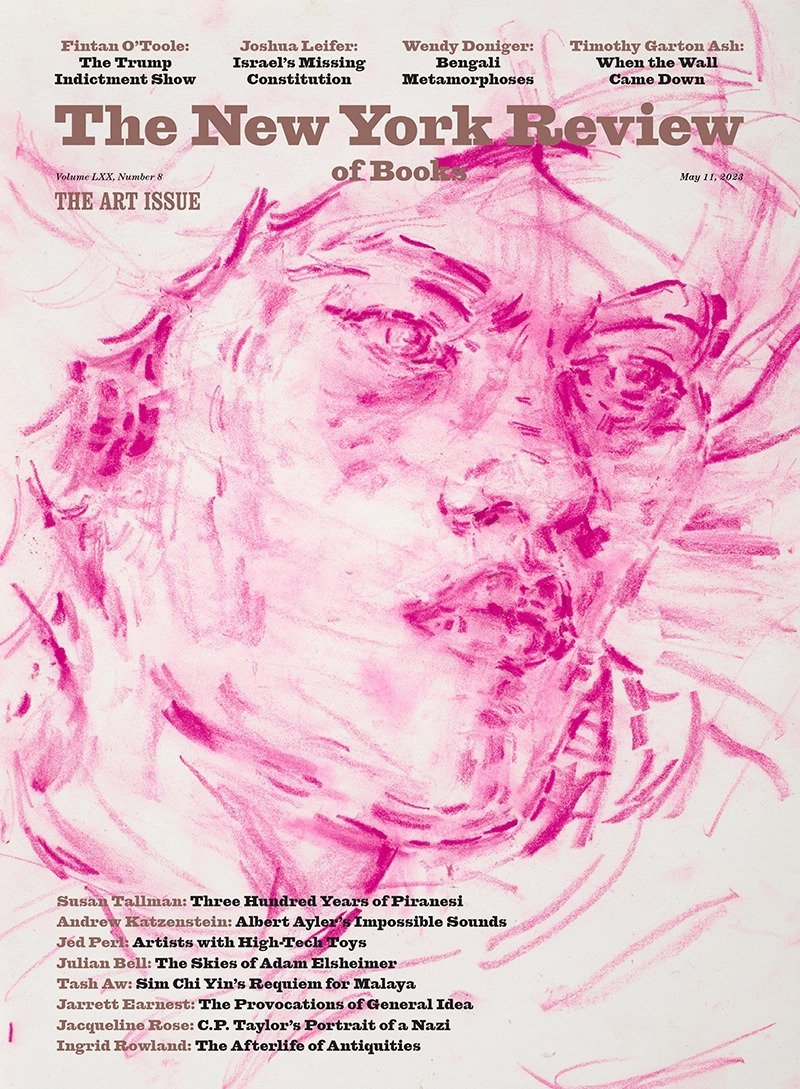
The New York Review of Books – May 11, 2023 issue: The Art Issue features Fintan O’Toole on the return of the Trump circus, Susan Tallman on why Piranesi still speaks to us, Joshua Leifer on democracy deferred in Israel, Ingrid D. Rowland on recycling antiquity, and Julian Bell on Adam Elsheimer’s oceanic immensity.
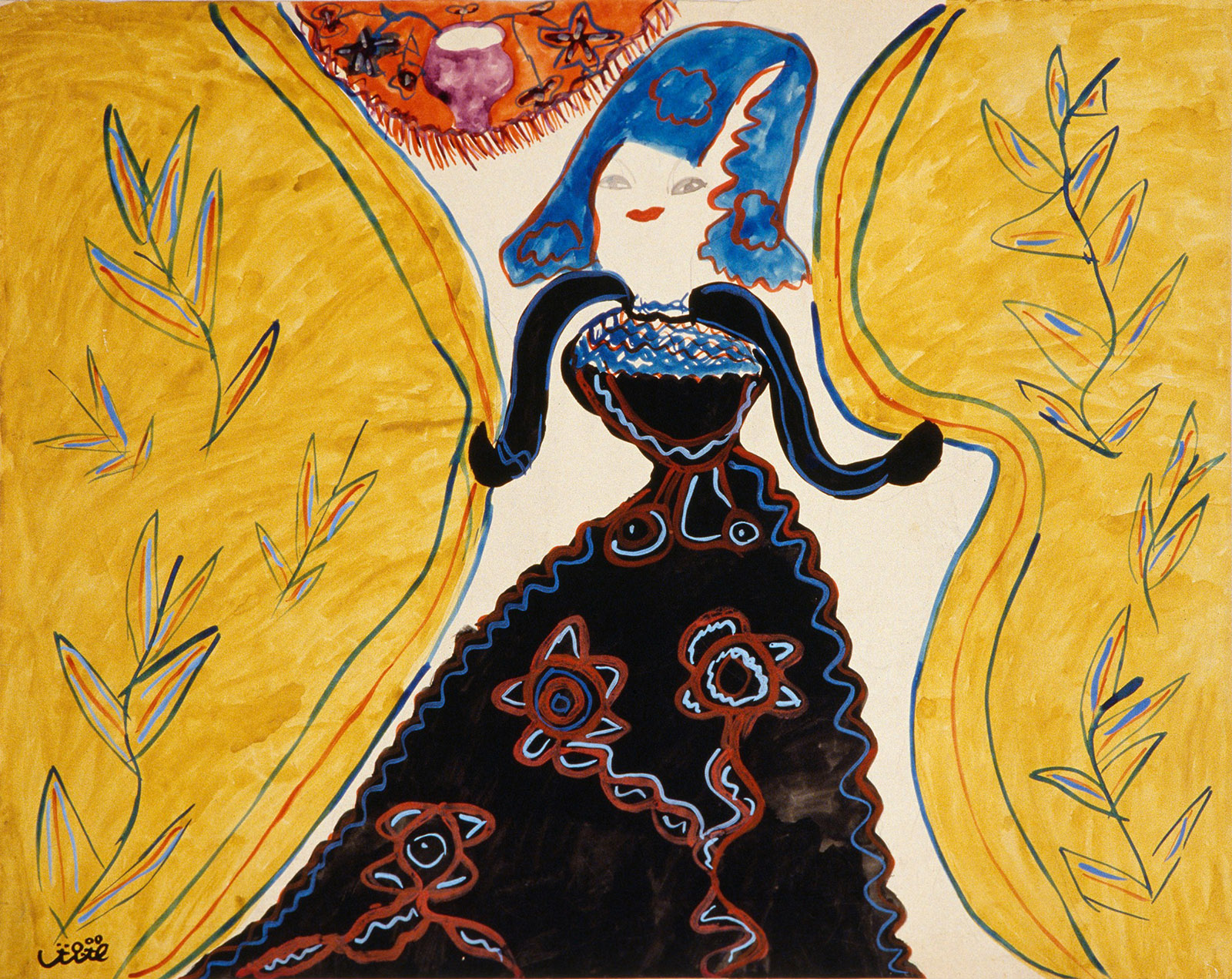
Bachir Mahieddine/Institut du Monde Arabe, ParisBaya: The Yellow Curtains, 1947
An exhibition of the Algerian painter’s work liberates it from the political symbolism of late colonialism.
In November 1947 a fifteen-year-old prodigy from colonial Algeria named Baya, described variously as Kabyle, Berber, Muslim, and Arab, exhibited her gouaches and clay sculptures at the Parisian gallery of the art dealer Aimé Maeght. Yves Chataigneau, the French governor of Algeria, and Si Kaddour Benghabrit, the rector of the Paris Mosque, were the sponsors of the exhibition, and the opening attracted some of the most influential cultural figures of postwar Paris: the writers Albert Camus, François Mauriac, and André Breton; the painters Henri Matisse and Georges Braque; the designer Christian “Bebè” Bérard.
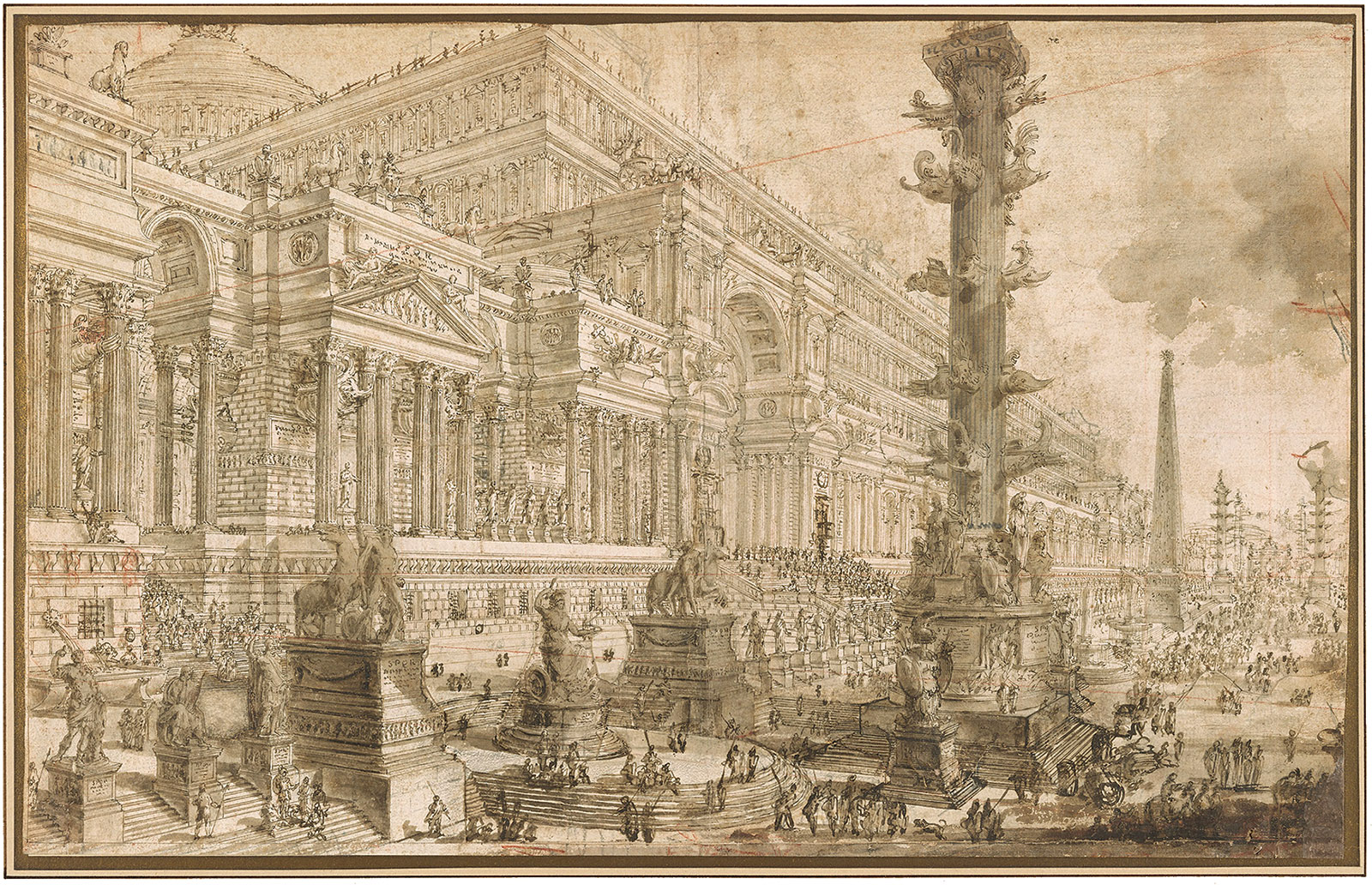
Giovanni Battista Piranesi: Architectural Fantasy with a Colossal Façade, circa 1743–1745; Morgan Library and Museum, New York
For generations, Giovanni Battista Piranesi’s prints of Roman views defined the popular image of the Eternal City. A profusion of new exhibitions and publications shows why he still speaks to us.
Also in the issue: Jacqueline Rose on C. P. Taylor’s final play, Colin B. Bailey on the Impressionists’ decorations, Wendy Doniger on Bengali tales from the mangrove forests, Christopher Benfey on the Black American potters of the nineteenth century, Jed Perl on high-tech high art, poems by Sasha Debevec-McKenney, Mosab Abu Toha, and Cyrus Console, and much more.
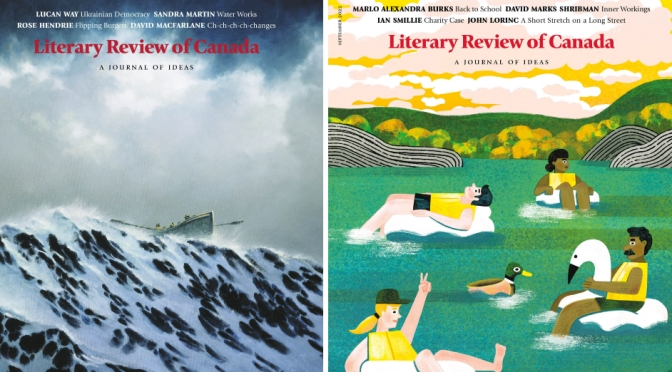
Literary Review of Canada – May 2023: Andrew F. Sullivan’s The Marigold features a brief epigraph attributed to Rob Ford: “Everything is fine.” Those three words would be a lot more convincing coming from Jane Jacobs or perhaps even Drake, but coming from the late Toronto mayor, they smack of comedy, irony, and foreboding.
On the lost art of public conversation: It is right to be suspicious of anyone who claims that some prior epoch was a golden age of anything, whether it be talk shows, family values, civil discourse, or whatever else they find lacking in their own time.
A historical whodunit: Clara at the Door with a Revolver: The Scandalous Black Suspect, the Exemplary White Son, and the Murder That Shocked Toronto by Carolyn Whitzman
I recently returned to the Metropolitan Opera to see The Hours, based on Michael Cunningham’s novel. It was wonderful to be back in the glittering hall, after three long pandemic years, listening to Renee Fleming, Joyce DiDonato, and Kelli O’Hara bring Virginia Woolf and Cunningham’s other characters to life. That experience sent me looking for novels about music, and I was thrilled to see that Brendan Slocumb has a new one coming out only a year after his bestselling debut,
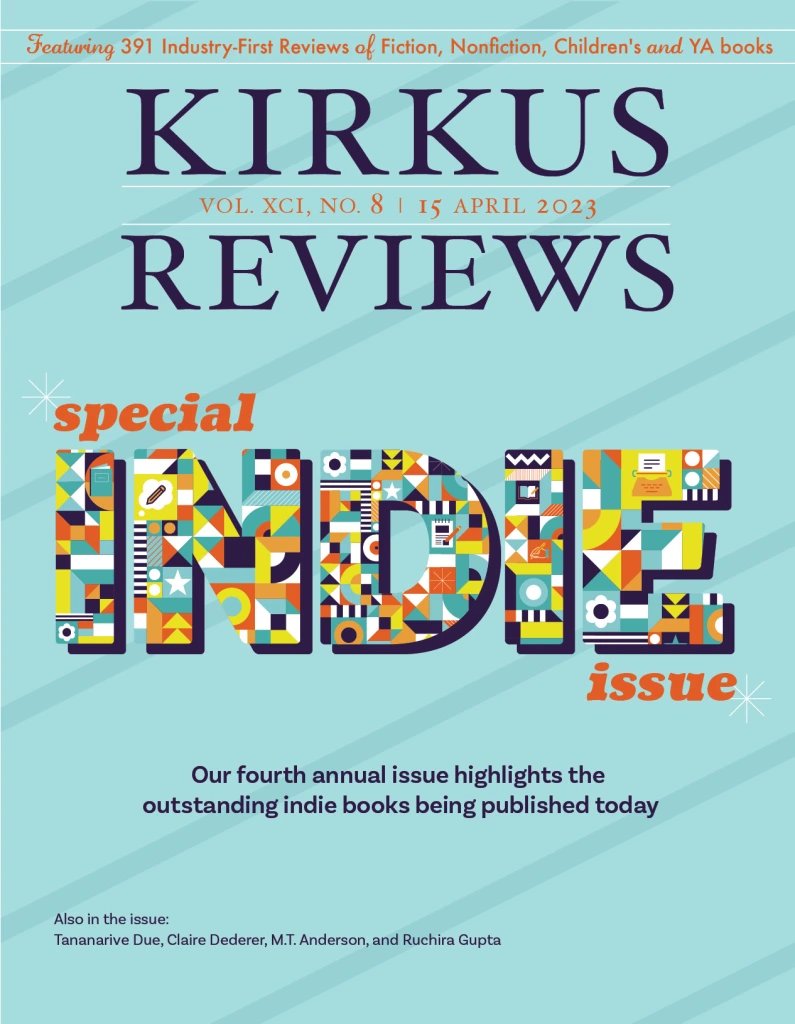
In the fourth annual Indie Issue, we let the books speak for themselves in these excerpts from a trio of starred Indieland picks: a memoir by two sisters who survived the Holocaust; another memoir about a teen’s coming-of-age on a sailing-school ship; and a collection of short stories from a renowned Bengali author.
In Daniel Seymour’s From Auschwitz With Love, sisters Manci Grunberger Beran and Ruth Grunberger Mermelstein describe their arrival at the concentration camp:
Father realized that we didn’t have much time together. So, he said to us, “No matter what happens, I want you to remember three things.”
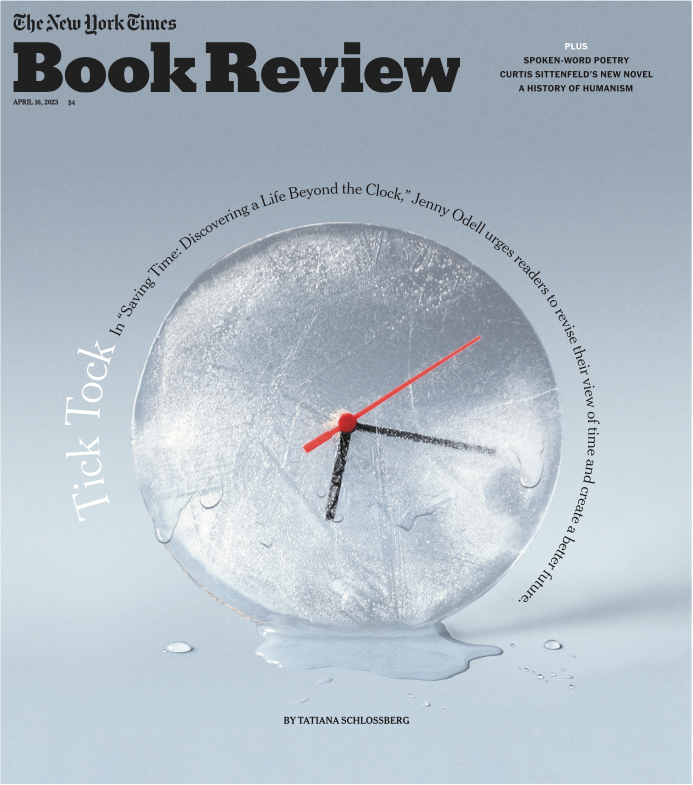
The author’s new book, “Saving Time: Discovering a Life Beyond the Clock,” urges readers to revise their conceptions of time and the world to nurture hope and action for a better future.
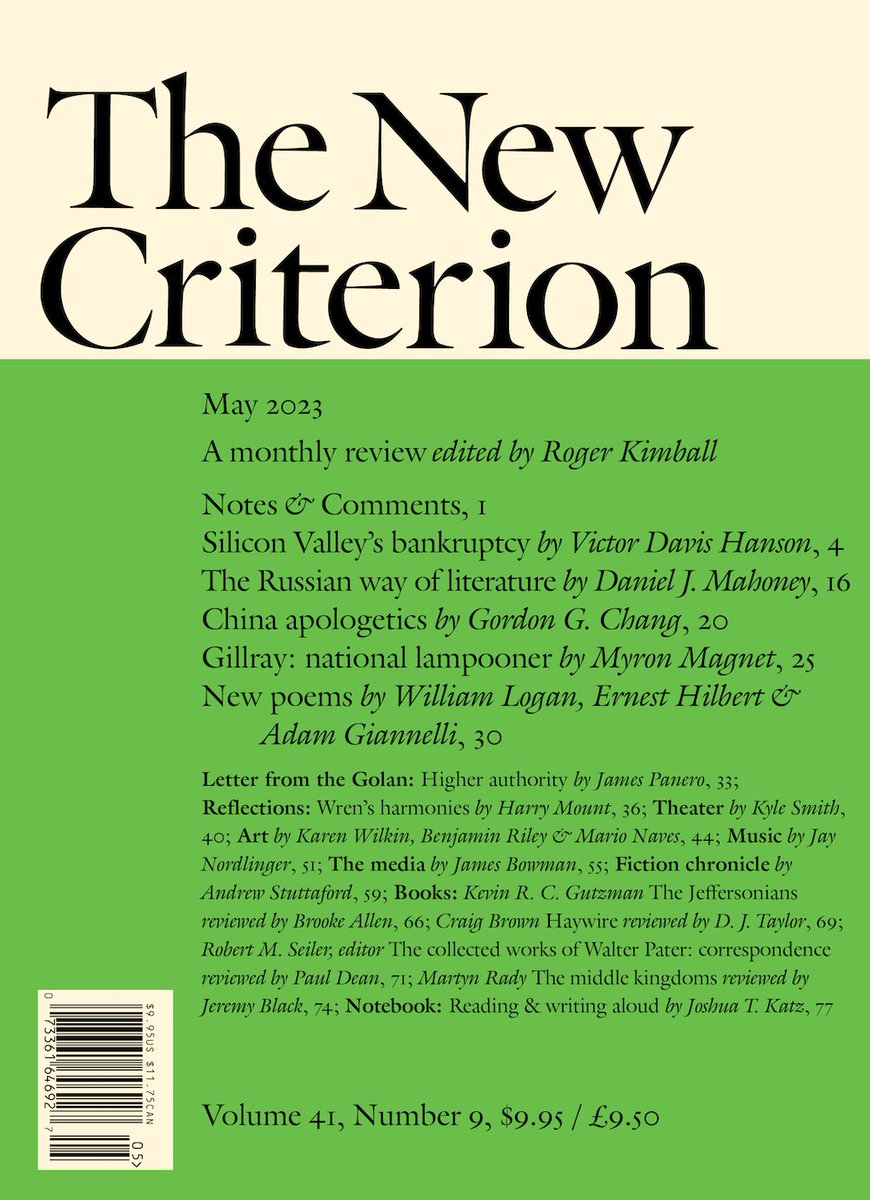
Silicon Valley’s moral bankruptcy by Victor Davis Hanson The Russian way of literature by Daniel J. Mahoney China apologetics by Gordon G. Chang Gillray: national lampooner by Myron Magnet
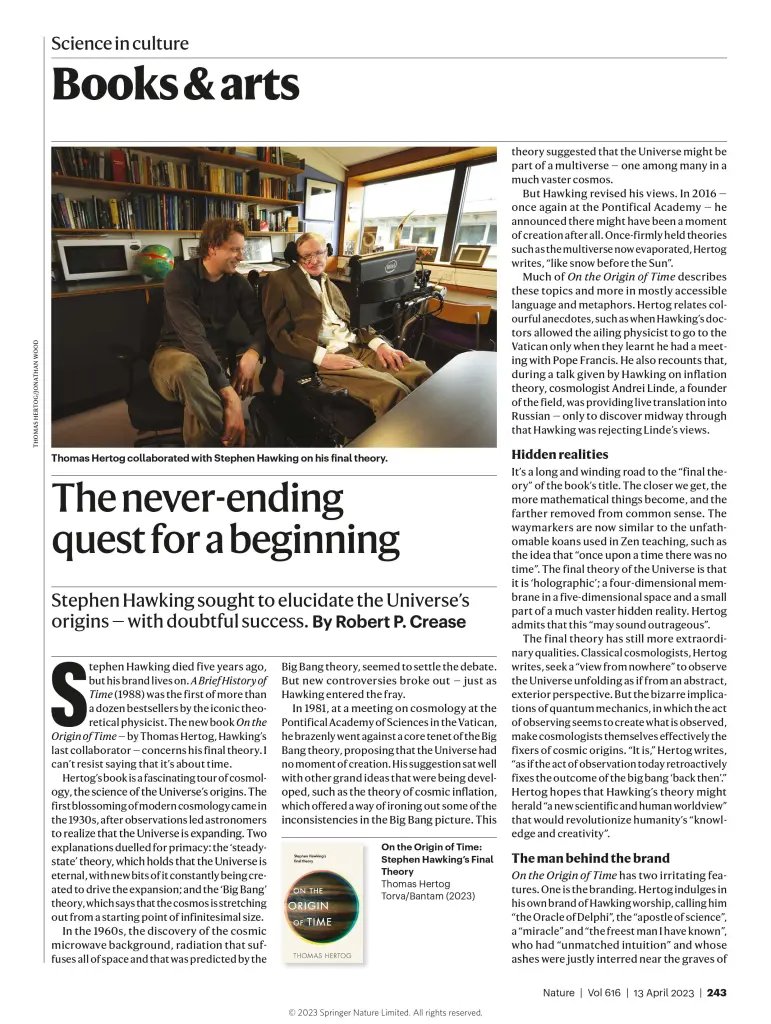
Like his mentor and colleague Stephen Hawking, Thomas Hertog has never shied away from being ambitious in theorizing about the universe. This sweeping book provides an accessible overview of both what we know about cosmology, and some audacious ideas for moving into the unknown. It is an introduction to Hawking’s final theory, but also a glimpse into even grander theories yet to come.
Professor Sean Carroll, author of The Biggest Ideas in the Universe
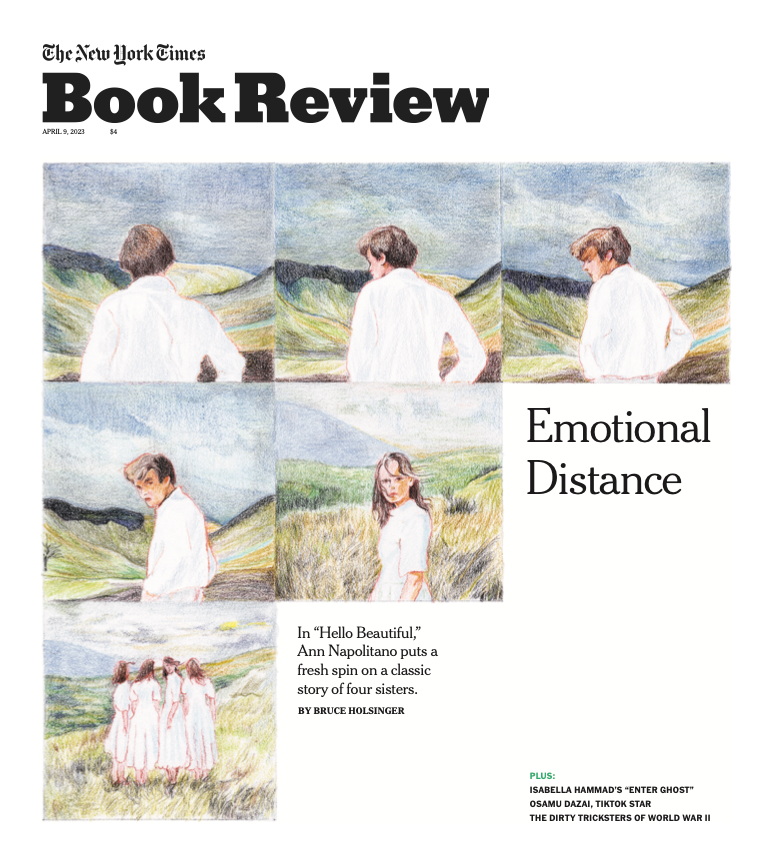
In “Hello Beautiful,” Ann Napolitano puts a fresh spin on the classic story of four sisters.
“It is your God-given right as an American fiction writer,” Ursula K. Le Guin once said, to change point of view. But “you need to know that you’re doing it,” she warned, and “some American fiction writers don’t.”
The enduring appeal of a midcentury Japanese novelist who wrote of alienation and suicide.
The first thing you hear is an eerie synth tone, followed by a portentous, insinuating voice. “Tell me, Dazai,” it says. “Why is it you wish to die?”
“Let’s turn that question around,” someone earnestly replies. “Is there really any value to this thing we call … living?” Then a beat drops, accompanied by distorted shouts.
These hefty books explore the lives of a former poet, a polarizing artist and a Scottish rebel from unexpected angles.
One of the great attractions of historical fiction is its ability to approach the past from unexpected angles, allowing us to consider famous figures in surprising ways. It’s a tactic that pays off brilliantly in Stephen May’s elegantly acerbic SELL US THE ROPE (Bloomsbury, 240 pp., paperback, $18),which features a thuggish former poet who calls himself Koba. The world will later know him as Stalin.
News, Views and Reviews For The Intellectually Curious














 Boomers Daily