
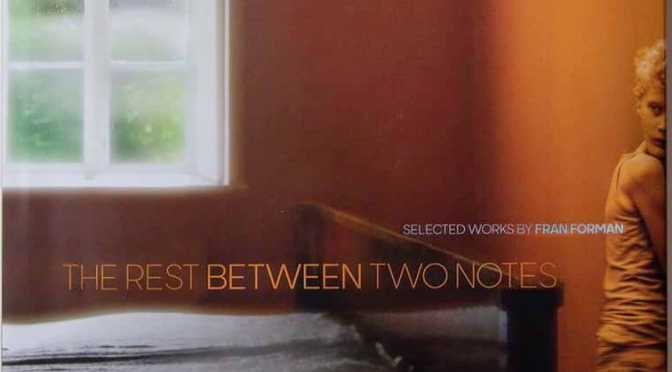
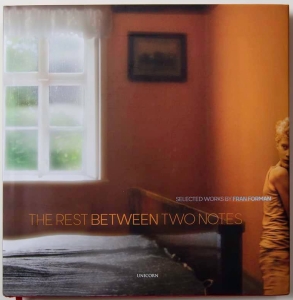
 Forman’s photo-paintings explore those liminal and in-between moments – of coming and leaving, innocence and confidence, shadow and light, night and day, absence and connection, loss and longing, and not quite the past and not yet the future. Portals, both real and metaphorical, frequent her layered, complex and often dreamlike images.
“Each piece tells a thousand layered stories…”
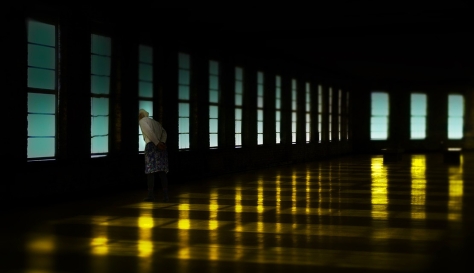
By integrating her contemporary photography with historical periods and various settings around the world, Forman creates a world of illusion. Upon closer inspection, what appears ordinary suggests an underlying tension and an aura of mystery. Expressed in the diffused colors of twilight and chiaroscuro, her images blur the boundaries between photography, late Renaissance painting, and film noir.
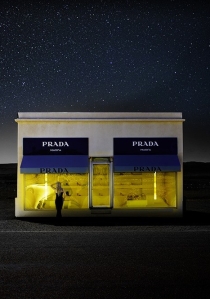 Her work is recognized for imbuing harmonious compositions and for her explosive use of color, light, and shadow.Forman’s images elicit emotions of desire, vulnerability, and a desperate longing for connections.
Included with many of the images are texts submitted by thirty-three writers, poets, visual artists and others. Each person brings a specific specific frame of reference to an image, all reflecting who they are as individuals, and their words appear adjacent to their selected image.

 A personal chef monograph, and the first book, from globally-acclaimed chef Ana Roš of Hiša Franko in Slovenia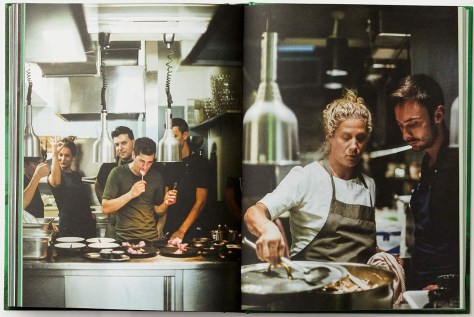

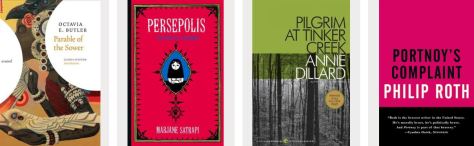
 The New York Public Library is marking its 125th birthday this year—in part with this list of their favorite books written for adults from the past 125 years, which they hope will “inspire a lifelong love of reading.”

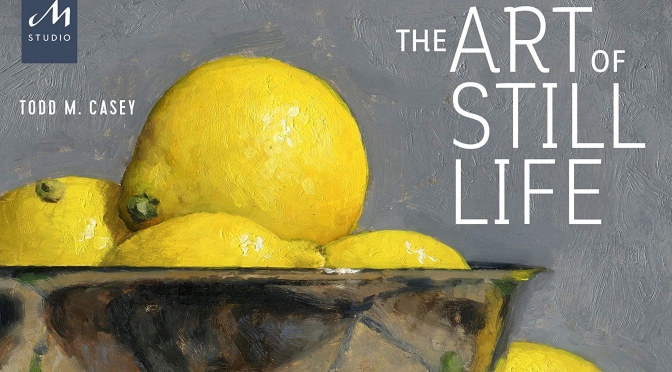
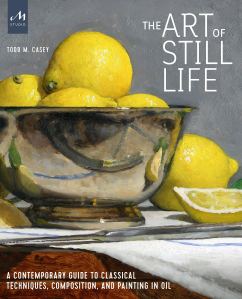 Every artist needs to learn and master the still life. Written by a well-known artist and expert instructor, The Art of Still Life offers a comprehensive, contemporary approach to the subject that instructs artists on the foundation basics and advanced techniques they need for successful drawing and painting.
 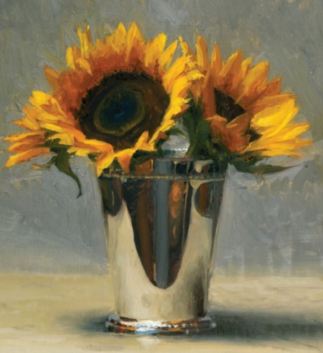 manual and a visual treasure trove of some of the finest still life art throughout history and being created today.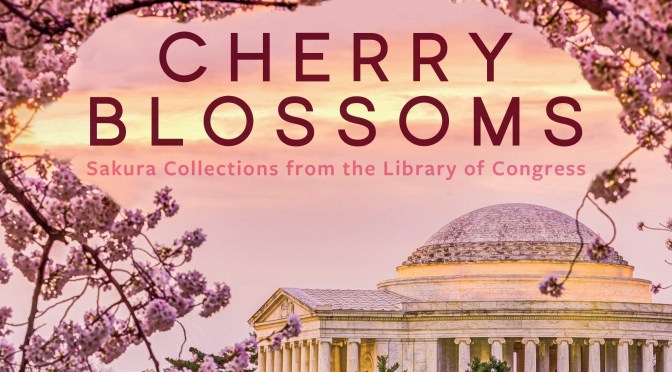
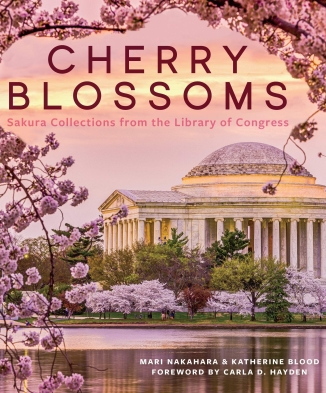 “Cherry Blossoms” reflects on the long tradition of flower viewing in Japanese culture with vivid color woodblock prints by ukiyo-e master artists, photographs, color lithographic posters and Kōkichi Tsunoi’s exquisite watercolor drawings from 1921. The book highlights the rich connections between Japan’s centuries-old traditions and contemporary counterparts. The American public’s affection for the blossoms is revealed in vintage and contemporary photographs of the Tidal Basin, collections related to the National Cherry Blossom Festival and the Cherry Blossom Princess Program, as well as decades’ worth of creatively designed festival posters.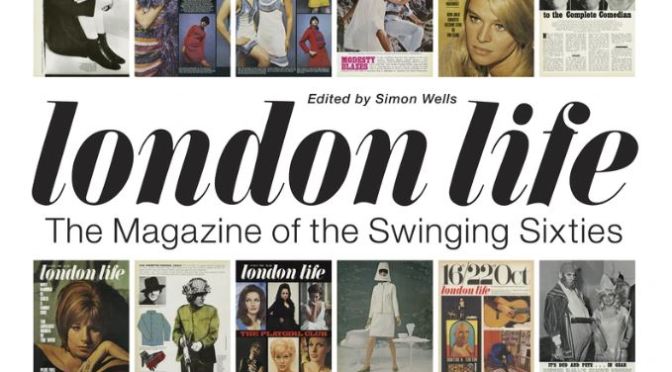
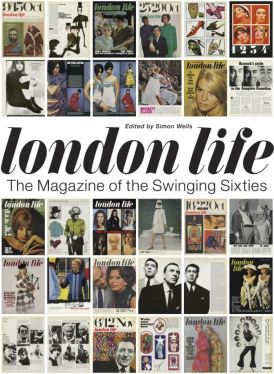 With imagery from the likes of David Bailey, Duffy and Terence Donovan, designs from Peter Blake, David Hockney, Gerald Scarfe and fledgling artist Ian Dury plus words and opinions from those riding high on the city`s cutting-edge, London Life remains the coolest document from the capital’s most exciting period.
 “Iceland’s glacial rivers are nature’s abstract paintings. It seems obvious that rivers this wild and stunning are protected, yet the harsh reality is that many have been dammed, mainly to provide power for aluminum plants.

 A “mesmerizing” re-imagination of the final months of World War II (Kate Quinn, author of The Alice Network), Hannah’s War is an unforgettable love story about an exceptional woman and the dangerous power of her greatest discovery.
 Boomers Daily