
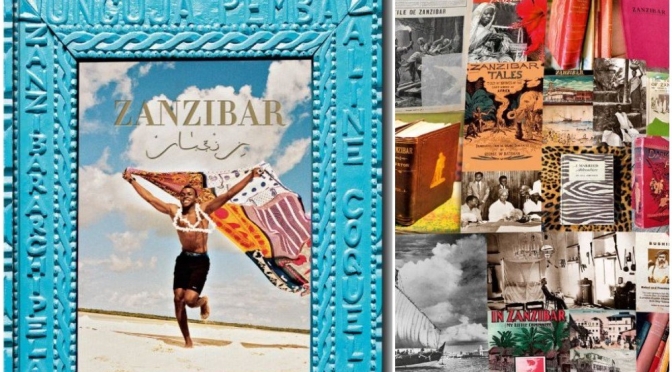
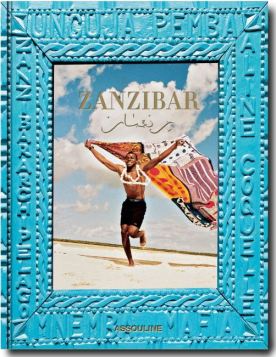
 Off the coast of East Africa in the Indian Ocean sits an archipelago known as Zanzibar. It all started ten million years ago when the island of Pemba separated from mainland Africa and then ten thousand years ago, the island of Unguja followed suit. Thus, begins the legend of Zanzibar.
For centuries, Zanzibar has been the haven and gateway for explorers including Richard Burton and David Livingstone to penetrate the unknown African Continent. Forward to present day, and it is still possible to experience the unique wildlife whether that is by scuba diving off the coast of a private island, infinite lagoons, visiting mangroves or endemic wild forests; getting lost and immersing yourself into the historical labyrinthine streets of Stonetown.
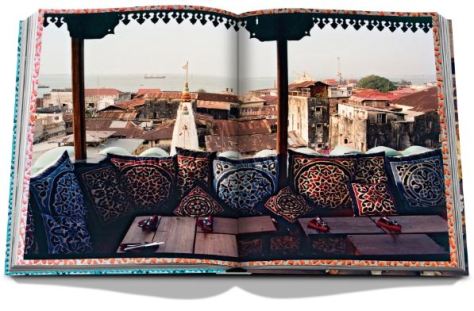
This cluster of islands is at a crossroads of cultures, featuring Omani architecture, Portuguese and British heritages as well as Swahili rituals.
Photographer Aline Coquelle shares an intimate portrait of a community bursting with life. With original photography, a disappearing, indigenous culture is preserved and celebrated. This volume invites the reader to experience the paradise that is Zanzibar.
With a degree in art history and anthropology, nomadic Parisian photographer Aline Coquelle has always traveled the world—she has lived and worked in Central and South America, Asia, and Africa and has been visiting Zanzibar for over twenty years. She contributes to prestigious international publications, and shoots marketing campaigns for luxury brands. Coquelle often works with silver film in order to keep alive the magic of old-time photography because she believes “transcending tradition is the new modernity” and her gelatin silver prints are sought by collectors worldwide. Her other books with Assouline are Palm Springs Style (2005); The Cartier Polo Games (2006); Polo: The Nomadic Tribe (2009); The Italian Dream: Wine, Heritage, Soul (2016); and Be Extraordinary, The Spirit of Bentley (2017).
Mirella Ricciardi is a renowned photographer and author. Her childhood in Kenya has inspired her work and she has published several volumes of photographs including Vanishing Africa (1971), African Saga (1981), and Vanishing Amazon (1991).
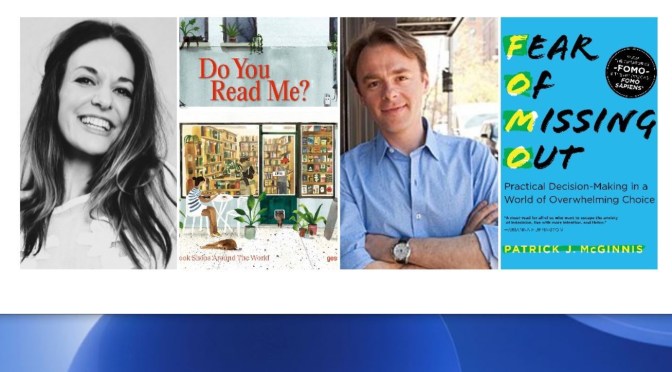
 Monocle 24’s “The Stack” speaks to Marianne Julia Strauss on her new book “Do You Read Me?” on the best bookshops around the globe. Then, author Patrick McGinnis on his new release “Fear Of Missing Out”.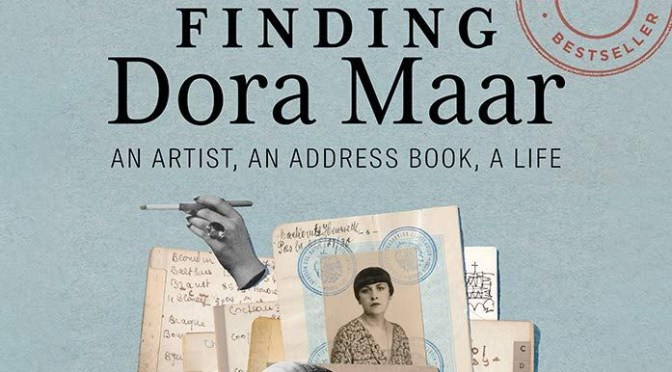
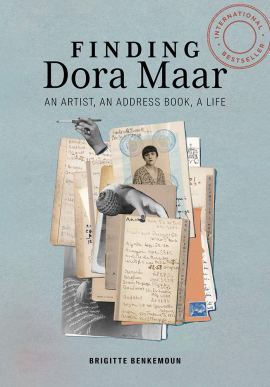 In search of a replacement for his lost Hermès agenda, Brigitte Benkemoun’s husband buys a vintage diary on eBay. When it arrives, she opens it and finds inside private notes dating back to 1951—twenty pages of phone numbers and addresses for Balthus, Brassaï, André Breton, Jean Cocteau, Paul Éluard, Leonor Fini, Jacqueline Lamba, and other artistic luminaries of the European avant-garde.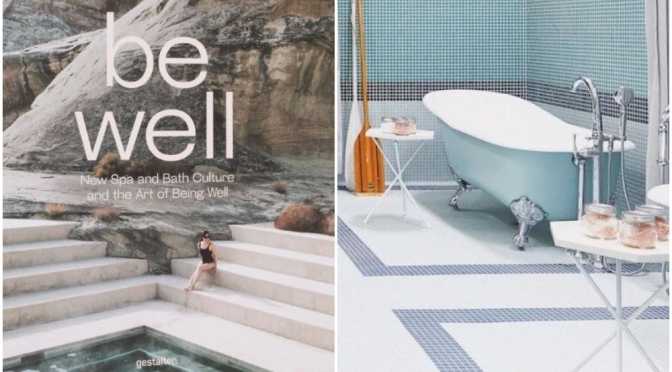
 Be Well delves into one of life’s greatest pleasures; a day spent rejuvenating the body and nourishing the spirit. Humans have practiced self-care for centuries—in the sweat lodges of the American Southwest, Roman baths, the hammams of the Ottoman Empire, Japanese onsens, and Finnish saunas. Today, a new interest in self-care is redefining how we accomplish wellness, and there have never been more options.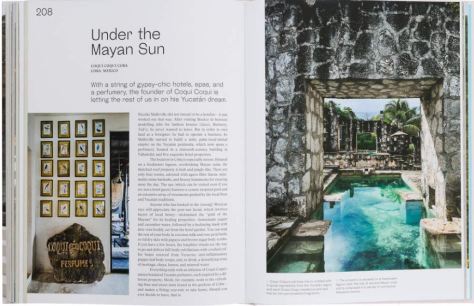
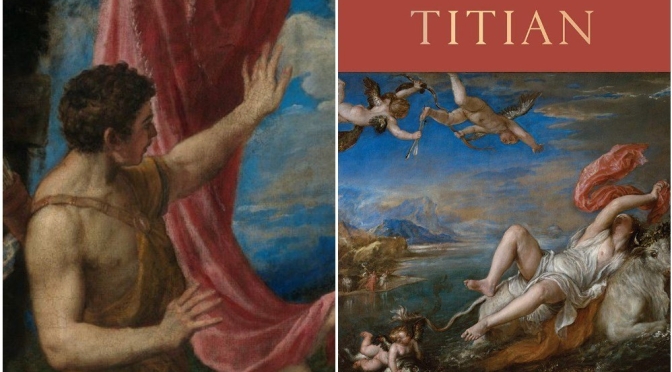
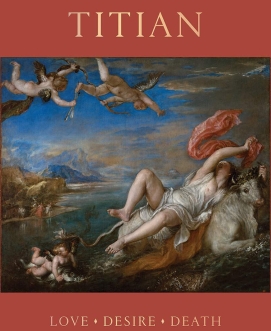 Titian (active 1506–1576) produced a masterful group of paintings for Philip II of Spain, celebrating the loves of gods, goddesses, and mortals. Depicting scenes from Ovid’s narrative poem Metamorphoses, Titian named them “poesie” and considered the works as visual equivalents of poetry.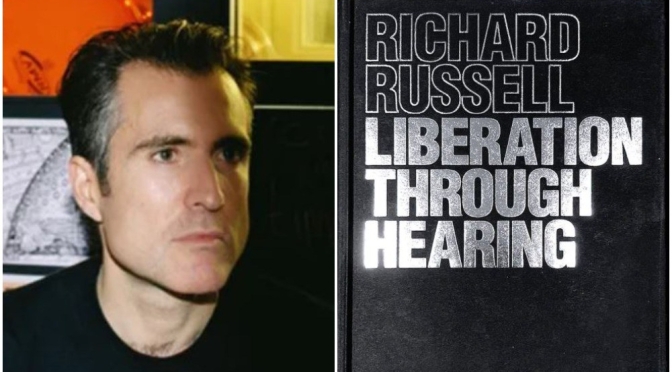
 “Monocle On Culture” speaks to Richard Russell, head of XL Recordings about his brand new book and his incredible career producing records for everyone from Damon Albarn to Bobby Womack, his life in New York that kicked everything off and the unusual start of his collaboration with Gil Scott Heron.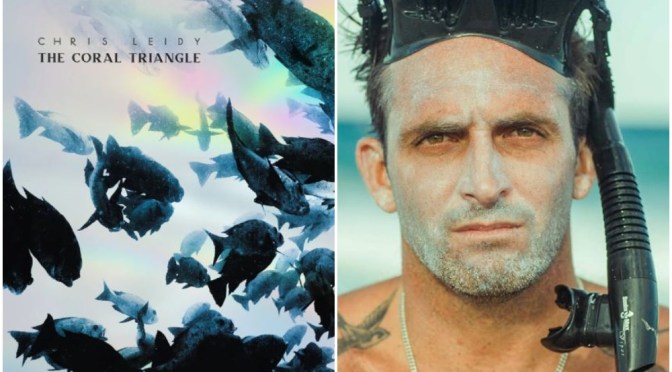
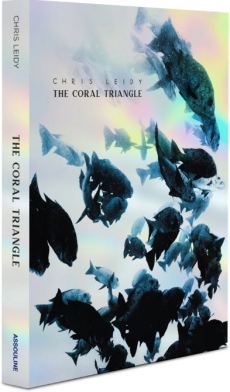 Comprising the most biodiverse ecosystems on our planet, oceans are humanity’s life-support system, processing more carbon dioxide than rainforests. Featuring a passionate text by Fabien Cousteau, The Coral Triangle presents the underwater world as a complex realm filled with vibrant life, inviting readers to fall in love with its majesty, and inspiring deeper understanding of the fragility of coral reefs and the unparalleled importance of taking action to protect our oceans.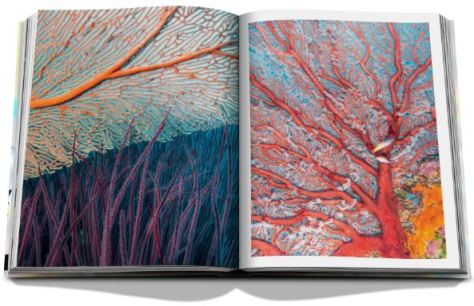
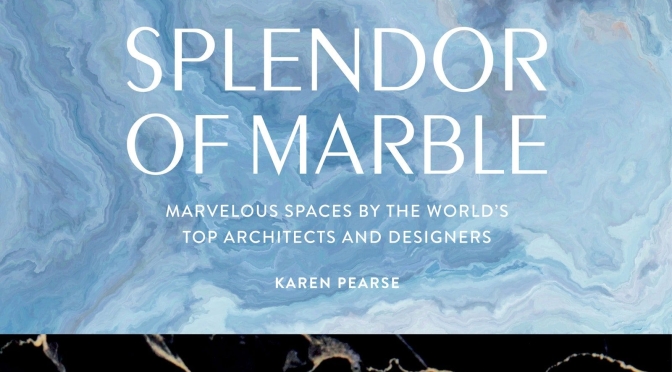
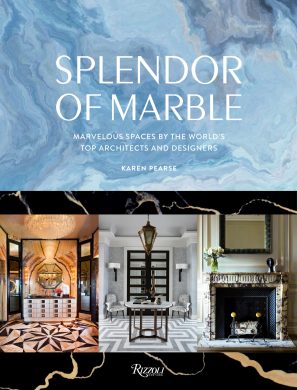 The first book to examine the many ways this beautiful stone can be incorporated into a home environment, describing the unique nature of marble and the leading role it plays in the best of interior design today.
 This is the first book that explores the many ways marble can bring color, pattern, and warmth to the home, as well as the vast array of beautiful types of marble that are available. It is a hugely popular material for home kitchens and bathrooms in particular, but it also is incorporated in outdoor patio spaces, hallways, and stairwells, even living rooms. All are featured here in gorgeous images, providing new inspiration for design lovers.
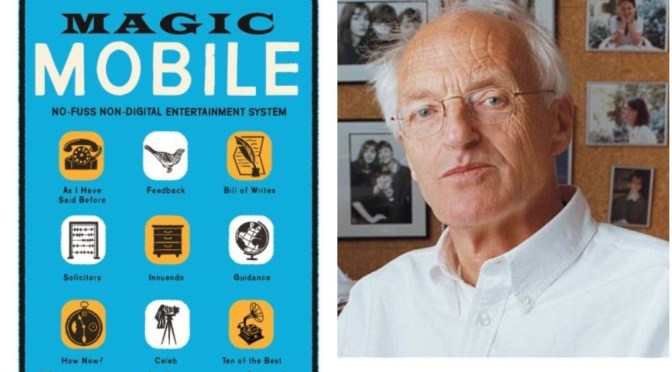
 British author, playwright and translator Michael Frayn is best known for his farcical comedy ‘Noises Off’ and ‘Copenhagen’, which details a 1941 meeting between Niels Bohr and Werner Heisenberg.
  Boomers Daily