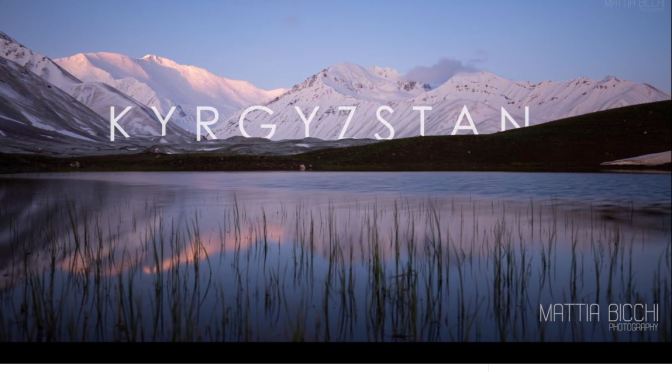
Filmed and Edited by: Mattia Bicchi
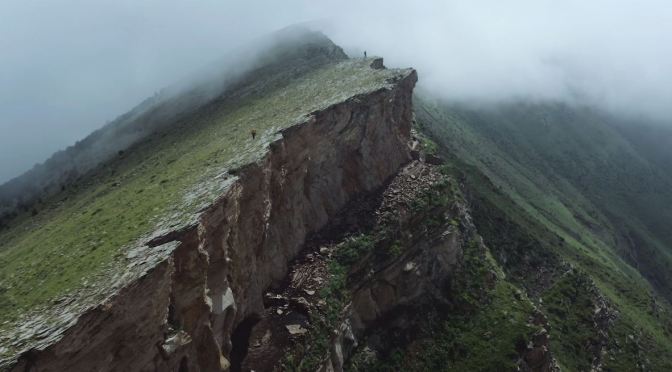
With this video, I want you to explore in ultra-high definition and through the technique of Timelapse, the incredible and variety of landscapes in this almost unknown country in Central Asia.
During the first part of the trip I explored with Visit Karakol and landscape photographers, Albert Dros, the south region around Lenin Peak, Arslanbob and Sary-Chelek, in the second part I hiked few days around Karakol Valley, visiting Ala-Kul an alpine lake at 3.500m and Sary-Jaz Valley close to China’s borders. My goal with this film is to inspire you to visit and explore this beautiful country, so I hope you will enjoy it as much as I enjoyed working on it.
Website
Kyrgyzstan, officially the Kyrgyz Republic and also known as Kirghizia, is a country in Central Asia. Kyrgyzstan is a landlocked country with mountainous terrain. It is bordered by Kazakhstan to the north, Uzbekistan to the west and southwest, Tajikistan to the southwest and China to the east.





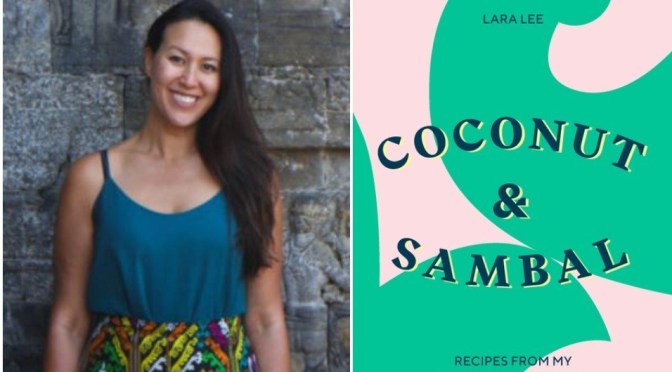
 Lara Lee, the author of the new cookery book ‘Coconut & Sambal’, shares one of her favourite recipes.
 Be transported to the bountiful islands of Indonesia by this collection of fragrant, colourful and mouth-watering recipes.
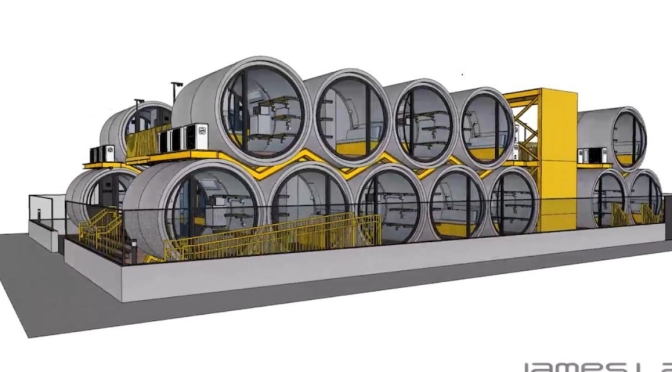
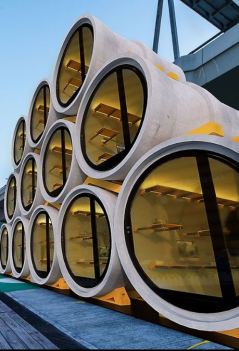 Comprised of 21 units of OPod Tube Houses, stack on 2 levels, the project is deployed on an unused urban plot in To Kwa Wan District of Hong Kong. Being a modular and flexible architecture, OPod Housing No.1 is able to be set up in less than 3 months, providing accommodation to 20 sets of residents with shared common kitchen and a co-living courtyard.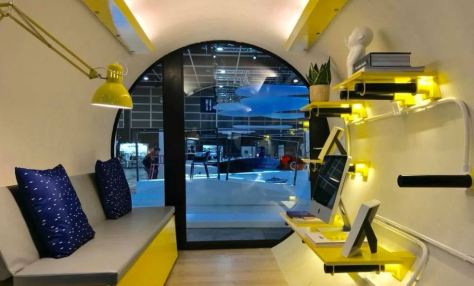
 Boomers Daily