From an Apollo Magazine online review:
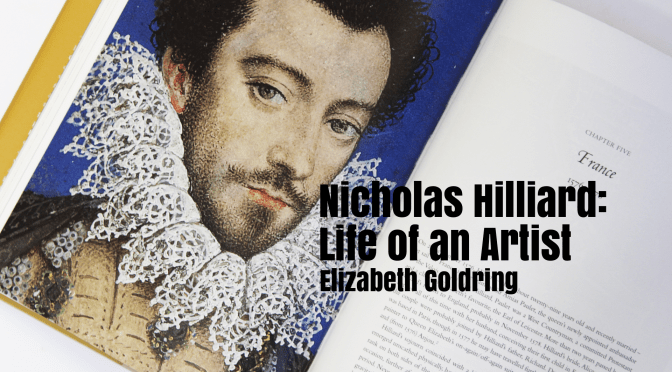
 One of the most impressive aspects of the book is the wealth of contextual material, which never feels digressional but illuminatingly sets the scene for Hilliard’s remarkable life and achievement. His early life in Exeter; the family networks of goldsmiths in Devon and London; the political, religious and cultural worlds he would have encountered in London, Geneva, Paris and also – usually overlooked – in Wesel and Frankfurt; all make for compelling reading. This book is not just the definitive biography of Hilliard but essential reading for anyone interested in late 16th- and early 17th-century England.
This year was the 400th anniversary of the death of the miniaturist, medallist, illuminator and painter Nicholas Hilliard, arguably the first internationally acclaimed English artist. This art-historical biography is both timely and exemplary. It presents Hilliard as a man and an artist, exploring his life in unprecedented depth but also with remarkable breadth. It creates an endlessly fascinating context for his extraordinary works, which are lavishly illustrated and perceptively analysed, and it casts new light on all sorts of other issues, events and individuals connected with Hilliard’s life and artistic output.
To read more: https://www.apollo-magazine.com/book-of-the-year-winner-apollo-awards-2019/



 In this artist’s book of 120 iPhone and iPad drawings,


 His work has been exhibited in art galleries in London’s Mayfair and his photographs hang in countless homes in countries and continents around the world.
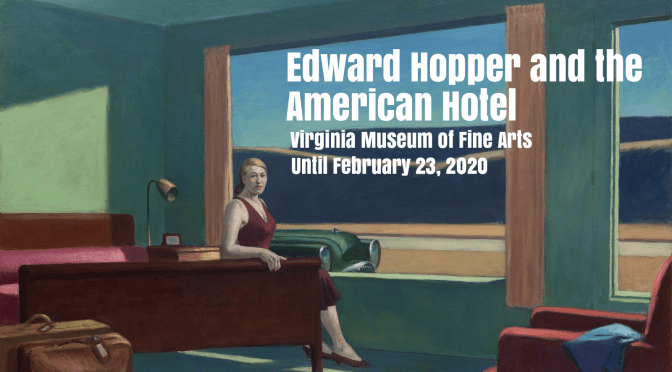
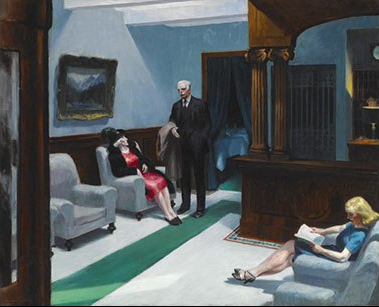 Isolation was a persistent theme in Hopper’s art and life. Was he dogged by isolation or did he pursue it? ‘Did anybody really know this silent, non-communicative man?’ asked Raphael Soyer in a 1981 interview, 14 years after Hopper’s death. His friends recollected a cynical and taciturn artist, self-doubting, introspective and distrustful of fame. But before Hopper became the painter of lonely figures in all-night diners, he was the illustrator of raucous party scenes and smiling couples waltzing together at summer fêtes.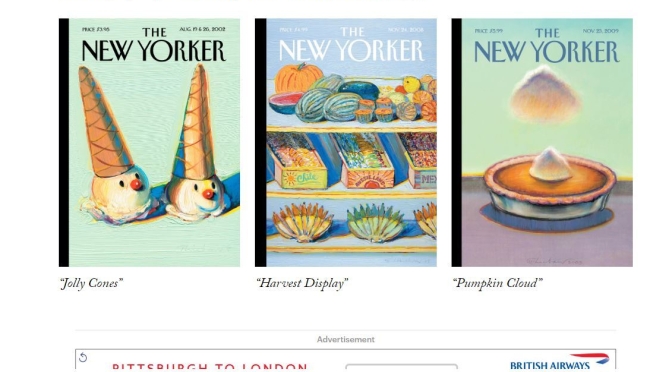
 Since all of my paintings—almost every single one except for the figure paintings—are done from memory, I rely specifically on the memory of working in restaurants, or of visiting farms on which I worked as a young person. I try to recall the look and feel and love of what I have experienced.
 The artist incorporates an array of art historical scenes such as John Martin’s English-Romantic apocalypses and Edouard Manet’s Luncheon on the Grass with ubiquitous imagery sourced from the Internet. The highly rendered areas in her paintings resemble a cascade of Google image search results where cellphone photos of skylines and gardens slide past gestural marks.
  Shulamit Nazarian is pleased to present Strange Little Beast, a solo exhibition of new works by Los Angeles-based painter Annie Lapin. This will be the artist’s first solo exhibition with the gallery.
 The Denver Art Museum will celebrate famed French Impressionist Claude Monet’s birthday on November 14, 2019, in conjunction with the exhibition


 Boomers Daily