
Stanford University (July 20, 2020):
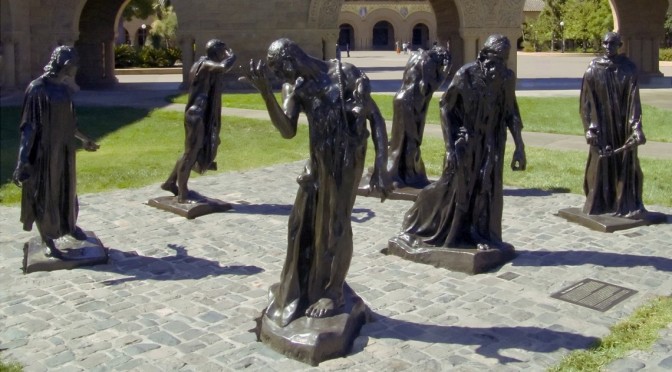
What makes Rodin’s sculptures “modern”?
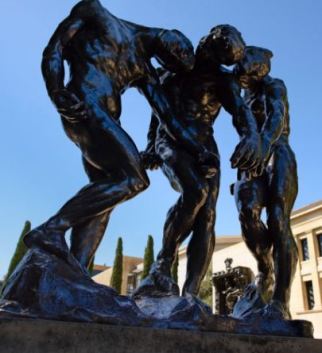
The enduring appeal of Rodin, the modernity of his work, has to do with the way in which he makes visible an aesthetic of process – how, in other words, he takes traditional sculpture apart and puts it back together again in new and daring ways. Strategies of multiplication, scalability, fragmentation and recombinatory modes of assembly and display constitute some of the hallmarks of Rodin’s artistic practice.
Works by Rodin on view at the Cantor are often utilized by students and scholars from a range of disciplines, including medicine. In this moment, with outbreak of disease across the globe, what can Rodin’s works teach us about the relationship between art and nature?
 It’s interesting that Rodin attracts so much attention from medical experts, especially here at Stanford, who have used his hands for diagnostic purposes. It’s true that Rodin was intensely interested in exploring pathologies of the body, especially now-discredited understandings of female hysteria. But there is also the irony that Rodin became furious after a critic accused him of making his first life-size figure through life casting, rather than modeling it himself. It should go without saying, but Rodin’s hands are not hands – not real ones, anyway – and their expressive forms don’t align neatly with the anatomical reality of hands in flesh and blood or even their more naturalistic counterparts. But the very fact that they elicit such responses demonstrates the power of art to provoke challenging questions that drive innovative paths of research that cut across disciplines, particularly in a university setting.
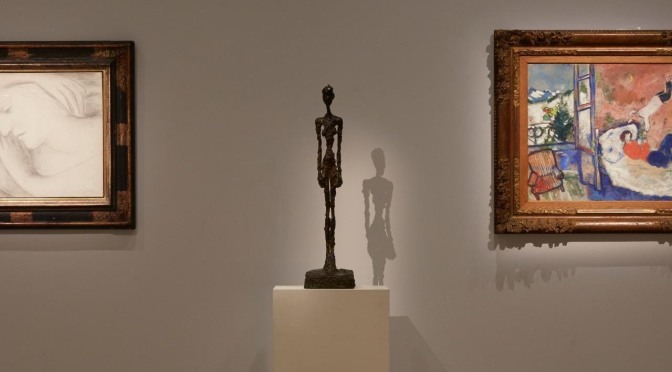
 Alberto Giacometti is one of the most admired and sought-after sculptors of the 20th century. In this video, discover how his post-war work came to embody the ideas of Existentialism and how the influence of ancient sculpture led to the attenuated human form so emblematic of his oeuvre. Conceived in 1956-57, at the height of Giacometti’s international acclaim, ‘Femme Debout’ comes from an outstanding family collection of works from the European avant-garde.
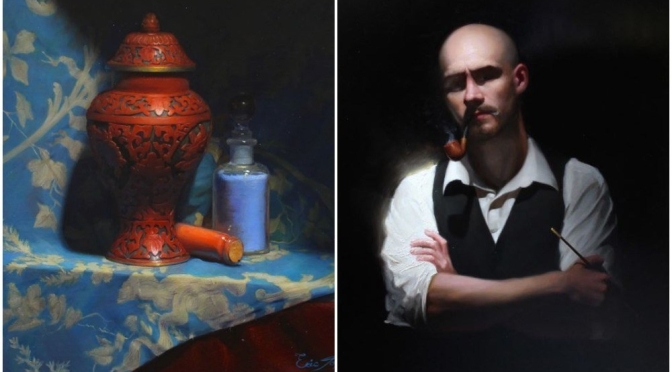
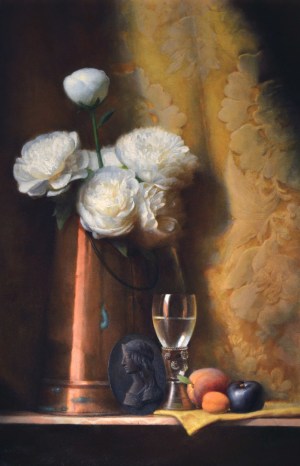 As a complete painter he aspires to reach a high level of
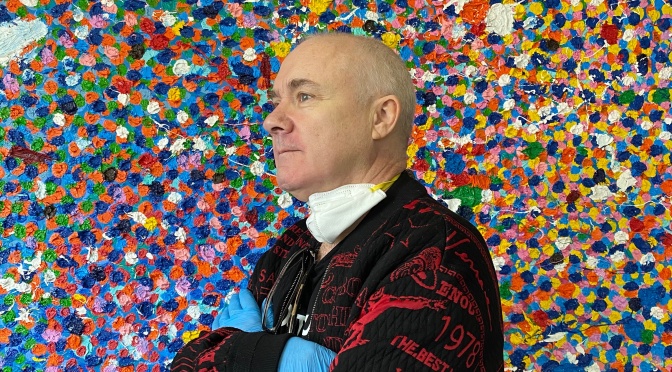
 Damien Steven Hirst (born 1965) is an English artist, entrepreneur, and art collector. He is one of the Young British Artists, who dominated the art scene in the UK during the 1990s. He is reportedly the United Kingdom’s richest living artist, with his wealth valued at £215m in the 2010 Sunday Times Rich List.

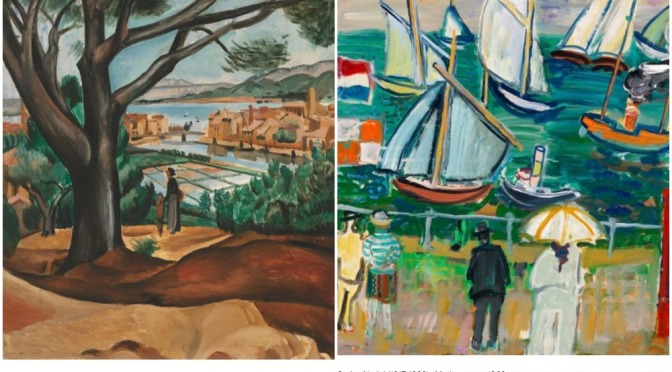
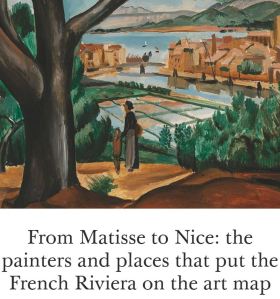 It was the Impressionists,
  Since the turn of the century, the sleepy fishing villages and remote towns of the Provençal hills had lured artists from Paris and beyond — the bright light, dazzling colours and palpable presence of the classical past all serving to inspire and revive jaded spirits.
 Boomers Daily