Tag Archives: Art History

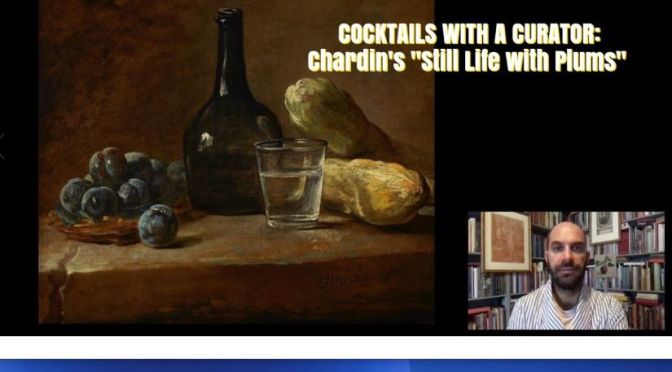
Cocktails With A Curator: ‘Chardin’s “Still Life With Plums”‘ (The Frick Video)

In this week’s episode of “Cocktails with a Curator,” join Deputy Director and Peter Jay Sharp Chief Curator Xavier F. Salomon as he explores the magical brushstrokes of the first still life painting to enter The Frick Collection—one that will be very familiar to devotees of this series. Acquired at the end of World War II by the museum’s trustees, Jean-Siméon Chardin’s “Still Life with Plums” is a beautiful example of the artist’s skilled portrayal of light refracted and reflected by everyday objects. Xavier has paired this episode with a Gin Martini with a twist.

To view this painting in detail, please visit our website: https://www.frick.org/chardinstilllife
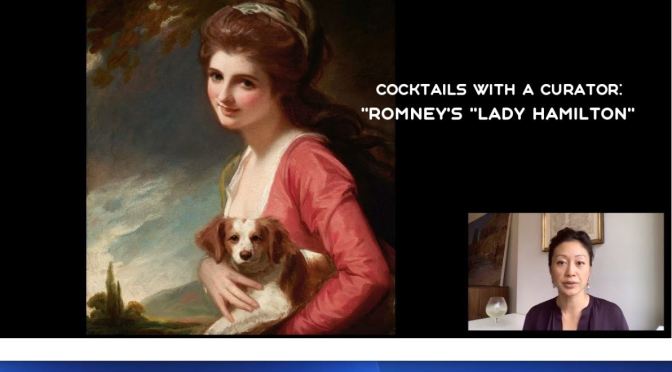
Cocktails With A Curator: ‘Romney’s “Lady Hamilton”

In this week’s episode of “Cocktails with a Curator,” join Curator Aimee Ng on a fascinating journey as she traces the life of Lady Hamilton (née Amy Lyon), who was seventeen years old when she posed for this painting by George Romney. Lady Hamilton’s great strength was her ability to transform herself: the daughter of a blacksmith, she married Sir William Hamilton, the British ambassador to the Kingdom of Naples, and fell in love with Lord Horatio Nelson (apparently with her husband’s blessing). Along the way, she became a darling of the court of Naples and a favorite of Maria Carolina, sister of Marie Antoinette. As an homage to her time spent in Naples, this week’s complementary cocktail is a Limoncello Spritz.

To view this painting in detail, please visit our website: https://www.frick.org/ladyhamiltonSHOW LESS

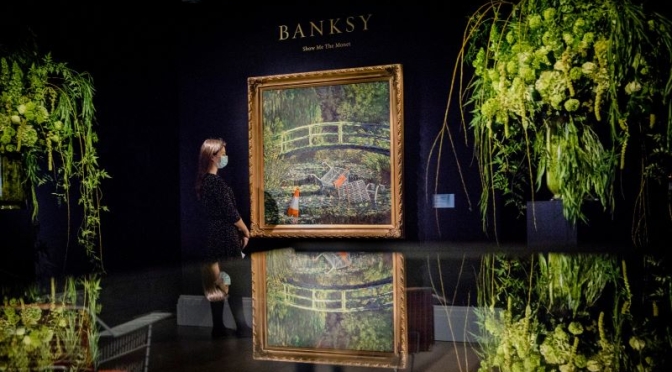
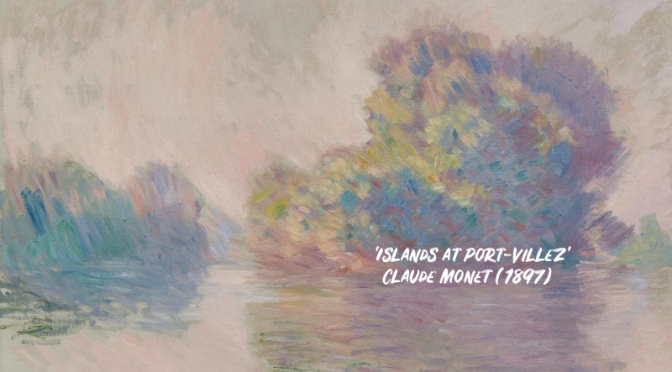
Art: Monet’s ‘Islands At Port-Villez, 1897’ (Video)

“I want to paint like a bird sings,” Claude Monet once stated. In this episode of Expert Voices, Simon Shaw describes Monet’s direct and unmediated response to his subject matter. In The Islands in Port-Villez, one can feel just that – Monet sitting on his boat on the seine, absorbing his surroundings.

Artist Profiles: 84-Year Old American Minimalist Frank Stella (Video)

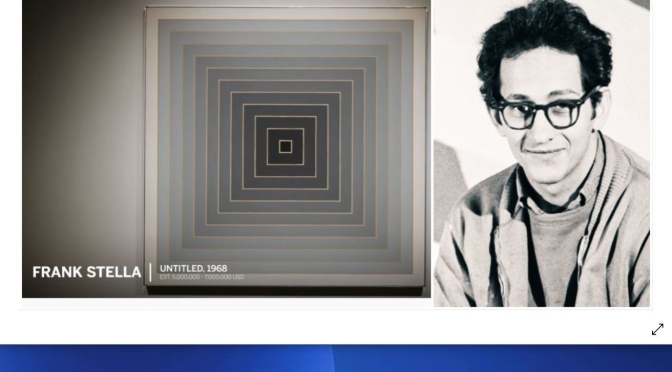
In this episode of Expert Voices, Lisa Dennison discusses a masterful painting created by Frank Stella in the early part of his career. In the 1950s, Stella left Princeton and moved to New York at the height of Abstract Expressionism. Despite being a progenitor of Minimalism, Stella’s gestural hand is visible in the concentric squares – most likely influenced by the Abstract Expressionists.

Frank Philip Stella is an American painter, sculptor and printmaker, noted for his work in the areas of minimalism and post-painterly abstraction. Stella lives and works in New York City. 

Art History Video: ‘De Chirico & Man Ray’s Pre-WWI ‘New Modernity’

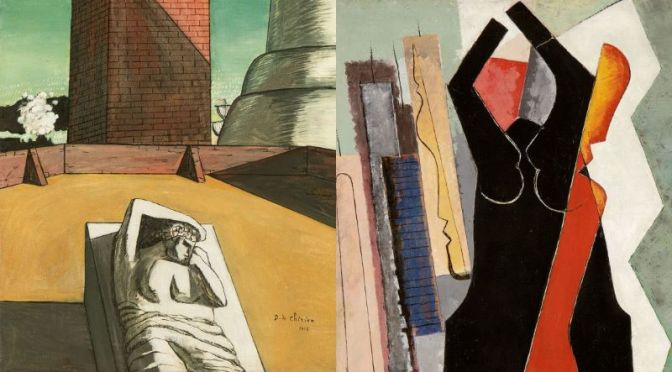
In this video, join essayist and New Yorker staff writer Adam Gopnik in an exploration of two masterpieces from the early twentieth century: Georgio De Chirico’s “Il Pomeriggio di Arianna (Ariadne’s Afternoon)”and Man Ray’s “Black Widow (Nativity).” Both painted near the outset of the first world war, these works not only capture the effusive zeitgeist of their age but prefigure the aesthetic movements that would come to characterize modern art.

Making their auction debut, “Il Pomeriggio di Arianna (Ariadne’s Afternoon)”and “Black Widow (Nativity)”will be offered as highlights of Sotheby’s Impressionist & Modern Art Evening Sale in New York. (28 October | New York) Learn more: https://www.sothebys.com/en/series/to…

The Impressionists: ‘A Dazzling Still Life From Van Gogh’s Final Days’

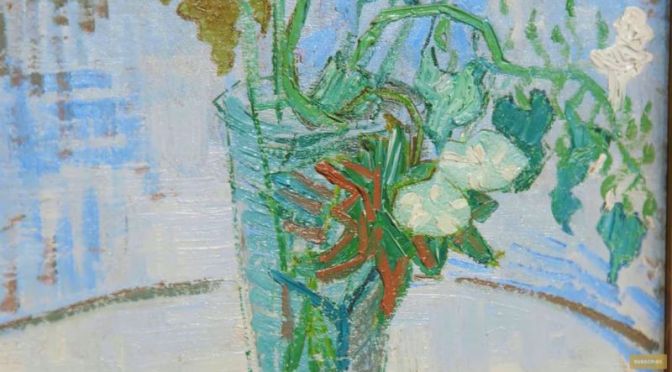
“’Auvers is very beautiful, really profoundly beautiful” wrote Vincent van Gogh to his brother Theo, and his stay there in the final days of his life proved to be enormously productive. In his seventy days in Auvers, van Gogh would paint seventy or so canvases, including the masterwork Fleurs dans un verre. Intricately rendered, this vibrant canvas represents one of the few still life paintings executed during this period and will be a highlight of Sotheby’s Impressionist and Modern Art Evening Sale in New York.

Learn More: https://www.sothebys.com/en/buy/aucti…

Artwork: Mark Rothko’s ‘Black On Maroon, 1958’ – An “Optical Experience”

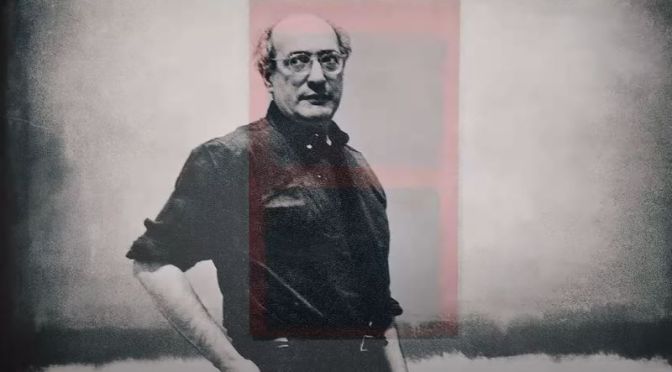
In this episode of expert voices, David Galperin examines the painting that entirely shifted the remaining decade of Mark Rothko’s career. In 1958, Rothko’s transforms his color palette into the somber, meditative colors intended to provoke a submersive, awe-inspiring event upon viewing. Learn how in Untitled (Black on Maroon), Rothko embarks on this endeavor for the very first time. Untitled (Black on Maroon) is a highlight of the Contemporary Art Evening auction (28 October 2020, New York).

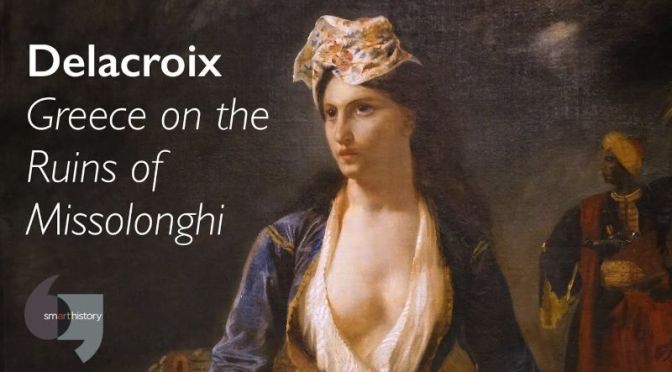
Artists: French Romantic Painter Eugène Delacroix – ‘Greece On The Ruins Of Missolonghi, 1826’ (Video)

Eugène Delacroix, Greece on the Ruins of Missolonghi, 1826, oil on canvas, 208 cm × 147 cm (Musée des Beaux-Arts de Bordeaux). Speakers: Dr. Steven Zucker and Dr. Beth Harris.

Ferdinand Victor Eugène Delacroix was a French Romantic artist regarded from the outset of his career as the leader of the French Romantic school. 

Arts & Culture: ‘Paris Vs London – A Tale Of Two Capitals’ (Sotheby’s Video)

Pick your favourite between Paris and London as we pit Europe’s premier art capitals against each other in a tongue-in-cheek battle. Compare and contrast the allure of each location as we build-up to our marquee evening auctions on Modernités/Contemporary (21 October | Paris/London).

Discover some of defining moments of the 20th and 21st centuries by the greatest artists working in Europe and beyond. From the birth of the avant-garde and modernism, to seminal contemporary works, the artists represented all forged a distinct path.

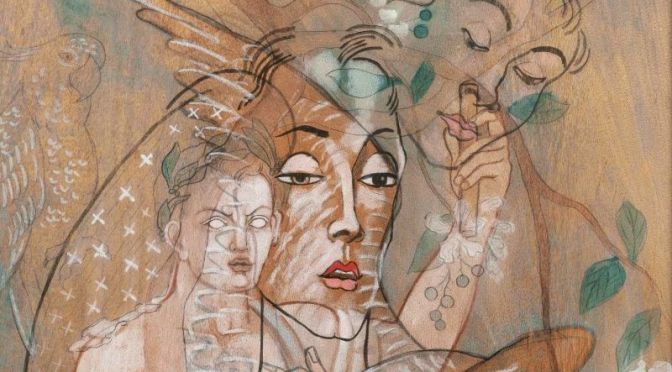
Art History Video: ‘French Surrealist Painter Francis Picabia’ – “Minos” (1929)

Master Surrealist Francis Picabia created complex-dream like paintings for his series, “Transparencies”. In this episode of Anatomy of an Artwork, discover the hidden inspirations for his painting, Minos, and learn about the meaning behind each transparent layer.

Francis Picabia (1879 – 1953) was a French avant-garde painter, poet and typographist. After experimenting with Impressionism and Pointillism, Picabia became associated with Cubism. His highly abstract planar compositions were colourful and rich in contrasts.