

Take an early look at the front page of The Wall Street Journal https://t.co/uNNf4ChHml pic.twitter.com/emP43ym5aE
— The Wall Street Journal (@WSJ) August 3, 2021

Morning News: Myanmar Military Rule, France-UK Rift, Kososvo’s Olympics
We get the latest from Myanmar with Asean under pressure to name an envoy to the country. Plus: we ask why Franco-UK relations are so poor and discuss official Olympic recognition for Kosovo.

New York Views: Walking The Brooklyn Bridge (4K)
The Brooklyn Bridge is a hybrid cable-stayed/suspension bridge in New York City, spanning the East River between Manhattan Island and Brooklyn on Long Island. Opened on May 24, 1883, the Brooklyn Bridge was the first fixed crossing of the East River.

Political Analysis: Tamara Keith & Amy Walter On The Infrastructure Debate
NPR’s Tamara Keith and Amy Walter of the Cook Political Report join Judy Woodruff to discuss the latest political news, including progress on the infrastructure negotiations in the Senate and former President Donald Trump’s fundraising efforts.
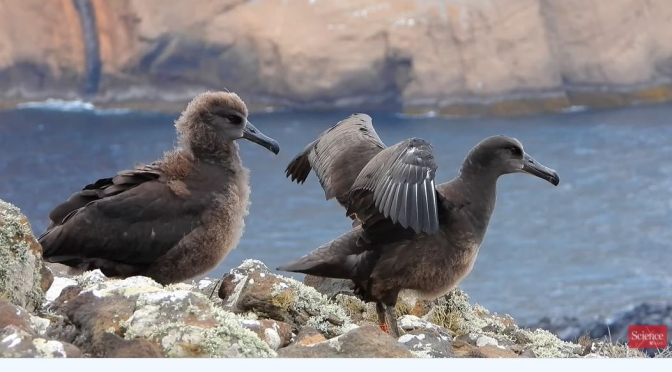
Seabirds: Scientists Save Black-Footed Albatross From Rising Sea Levels
Most black-footed albatross nest on sandy beaches in Hawaii—but rising sea levels threaten their eggs and chicks. Researchers in Mexico and the United States came up with a way to save these birds: having young albatross hatch and imprint on an island 6000 kilometers away with higher ground. Watch to see the journey of these black-footed albatross. Read the story: https://www.sciencemag.org/news/2021/…

Two-Minute Views: The History Of Bread (Video)
Have you noticed how many favorite foods involve bread? Like pizza, tortillas, steamed buns, and croissants. But where did bread come from and when did humans start making it? Take a 2-minute ride in our time machine and jump back thousands of years to find out.

Walking Tour: Siena in Tuscany, Northern Italy
Siena, a city in central Italy’s Tuscany region, is distinguished by its medieval brick buildings. The fan-shaped central square, Piazza del Campo, is the site of the Palazzo Pubblico, the Gothic town hall, and Torre del Mangia, a slender 14th-century tower with sweeping views from its distinctive white crown. The city’s 17 historic “contrade” (districts) extend outward from the piazza.
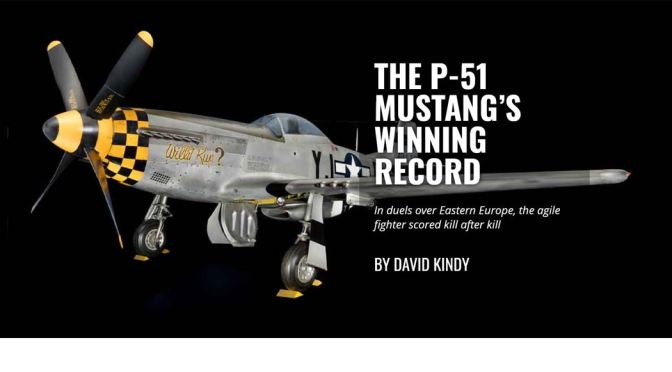
WWII Aviation: The ‘P-51 Mustang’ Fighter Plane
The P-51 was the darling of the Army Air Forces. Aerodynamically agile and acrobatic, the Mustang was fast and furious in its effectiveness in downing enemy aircraft. A latecomer to World War II, it first saw combat over Europe near the end of 1943. The long-range fighter proved to be just what the Allies needed to escort bombers to and from Germany as they hammered enemy targets.

“In terms of the air war over Europe with the strategic bombing campaign, the P-51 was a war-winning weapon,” says Jeremy Kinney, associate director of research and curatorial affairs at the Smithsonian’s National Air and Space Museum. “As a fighter escort, it enabled the successful bombing of targets deep in Nazi Germany from bases in England and Italy. That was a crucial component in the destruction of strategic sites such as factories and munition plants.”

 Boomers Daily