

It’s given us American icons as notorious as Al Capone and as heroic as Abraham Lincoln. It’s where endless rows of corn blanket the fields and towering buildings touch the sky. The state of Illinois is full of awe-inspiring sights and captivating drama, and this aerial excursion explores it all. From the Great Fire of Chicago to the Great Migration that brought Muddy Waters and the blues up north, we visit the places and people that tell Illinois’ powerful story. From the Series: Aerial America: Illinois http://bitly.com/1c3LMJh
Filmed and Edited by: Arthur Cauty
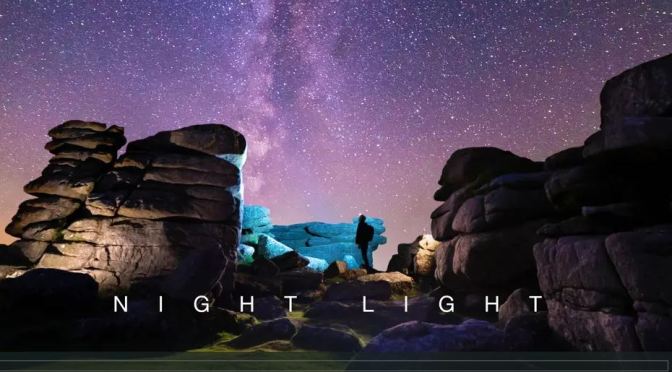
An exercise in light painting and parallax displacement to apply a 3D (or 2.5D) element to a series of still photographs captured after nightfall.
This film is comprised entirely of still images. All motion achieved in post production. The only time lapse shots are the star trails. All other shots are typically comprised of between 3 and 5 exposures of the same subject, but with different lighting in each, then blended together or transitioned between to give the effect of seamless motion.
The COVID19 pandemic forced me to put a number of projects on hold. Being unable to shoot anything new I took the opportunity to look back through my astrophotography and nightscape work from the past couple of years. I put this film together as a reminder of what exists outside my four walls and so others can enjoy the wonders of the night sky from their solitary confines.
Photographed at the following locations:
Arches National Park, Utah
Capitol Reef National Park, Utah
Joshua Tree National Park, California
Llanthony Priory, Brecon Beacons National Park, Wales
Dunraven Bay, South Wales
Dartmoor National Park, England
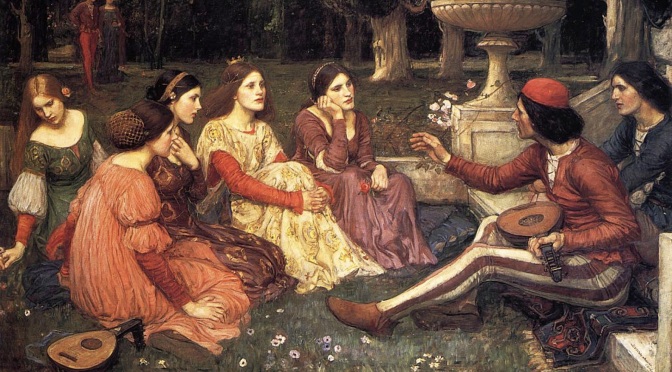
The latest episode of the Octavian Report – Rostrum coronavirus crisis podcast features Wayne Rebhorn. The latest episode of our coronavirus crisis podcast features Wayne Rebhorn of the University of Texas at Austin. Wayne is the author of an acclaimed translation of Giovanni Boccaccio’s Decameron, perhaps the paradigmatic work of pandemic literature.
The Decameron is set among a group of witty, earthy social isolators who have fled the plague ravaging Florence. We spoke with Wayne about Boccaccio and his most famous work, the conditions that helped birth it, and what we can learn from them in our current situation.

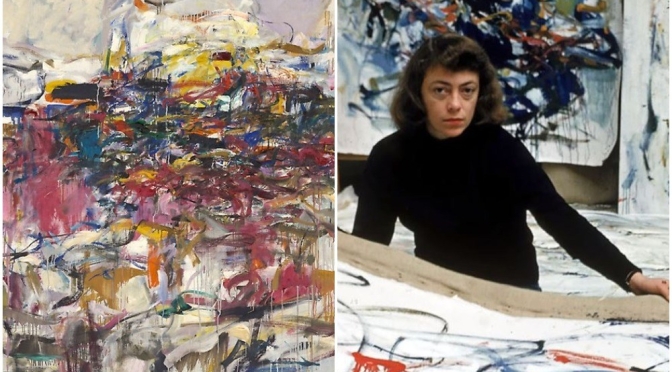
Joan Mitchell, City Landscape, 1955, oil on linen, 203.2 × 203.2 cm (Art Institute of Chicago 1958.193, ©The Estate of Joan Mitchell), a Seeing America video
Speakers: Sarah Alvarez, Director of School Programs, Art Institute of Chicago, Beth Harris, and Steven Zucker
Filmed and Edited by: Cineliv
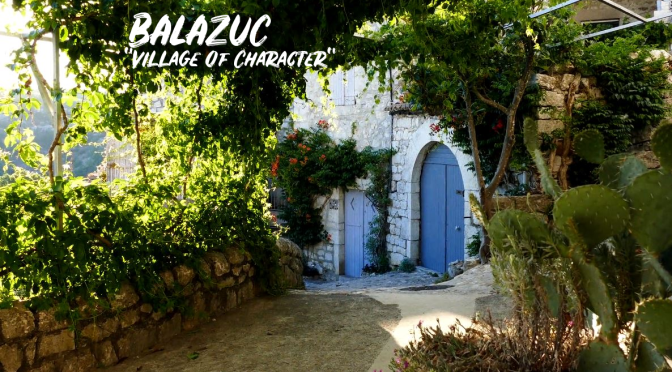
Perched on a cliff overlooking the River Ardèche, the superb village of Balazuc has restored its heritage remarkably well. A former stronghold of the lords of Balazuc, this little village, with its rich medieval past, is today listed amongst the most beautiful villages in France.
A charming labyrinth of tortuous streets interspersed by arched passages, arcades and stairways, to be enjoyed on foot, during a delightful stroll. (English subtitles)
NPR’s Tamara Keith and Amy Walter of the Cook Political Report join Judy Woodruff to discuss the latest political news, including President Trump’s prediction of an economic resurgence after the pandemic, the difference in campaign strategies between Trump and former Vice President Joe Biden and how public perceptions of the COVID-19 threat vary according to political identity.
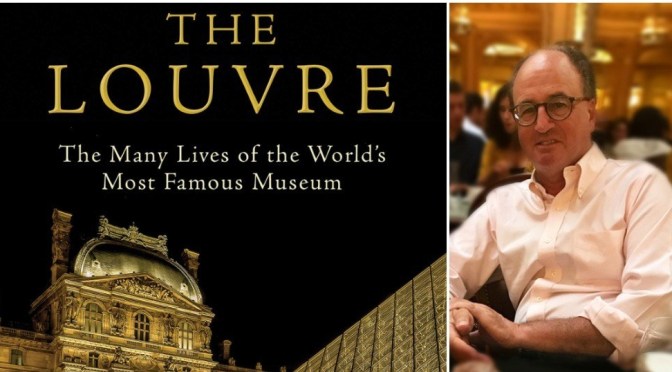
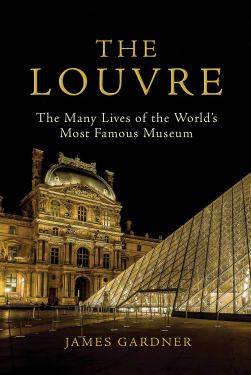 The fascinating and little-known story of the Louvre, from its inception as a humble fortress to its transformation into the palatial residence of the kings of France and then into the world’s greatest art museum.
Some ten million people from all over the world flock to the Louvre each year to enjoy its incomparable art collection. Yet few of them are aware of the remarkable history of that place and of the buildings themselves―a fascinating story that historian James Gardner elegantly chronicles in the first full-length history of the Louvre in English.
More than 7,000 years ago, men and women camped on a spot called le Louvre for reasons unknown; a clay quarry and a vineyard supported a society there in the first centuries AD. A thousand years later, King Philippe Auguste of France constructed a fortress there in 1191, just outside the walls of a city far smaller than the Paris we know today. Intended to protect the capital against English soldiers stationed in Normandy, the fortress became a royal residence under Charles V two centuries later, and then the monarchy’s principal residence under the great Renaissance king François I in 1546.
It remained so until 1682, when Louis XIV moved his entire court to Versailles. Thereafter the fortunes of the Louvre languished until the tumultuous days of the French Revolution when, during the Reign of Terror in 1793, it first opened its doors to display the nation’s treasures. Ever since―through the Napoleonic era, the Commune, two World Wars, to the present―the Louvre has been a witness to French history, and expanded to become home to a legendary collection, including such masterpieces as the Mona Lisa and Venus de Milo, whose often-complicated and mysterious origins form a spectacular narrative that rivals the building’s grand stature.
James Gardner is an American art critic and literary critic based in New York and Buenos Aires. He is the author of six books, including Buenos Aires: The Biography of a City. His writings have appeared in the New York Times, the Wall Street Journal, the New Republic, and the British Spectator. He was the art critic at the New York Post and wrote architecture criticism for the New York Observer, before serving as the architecture critic at the New York Sun. He is now a contributing editor at The Magazine Antiques.
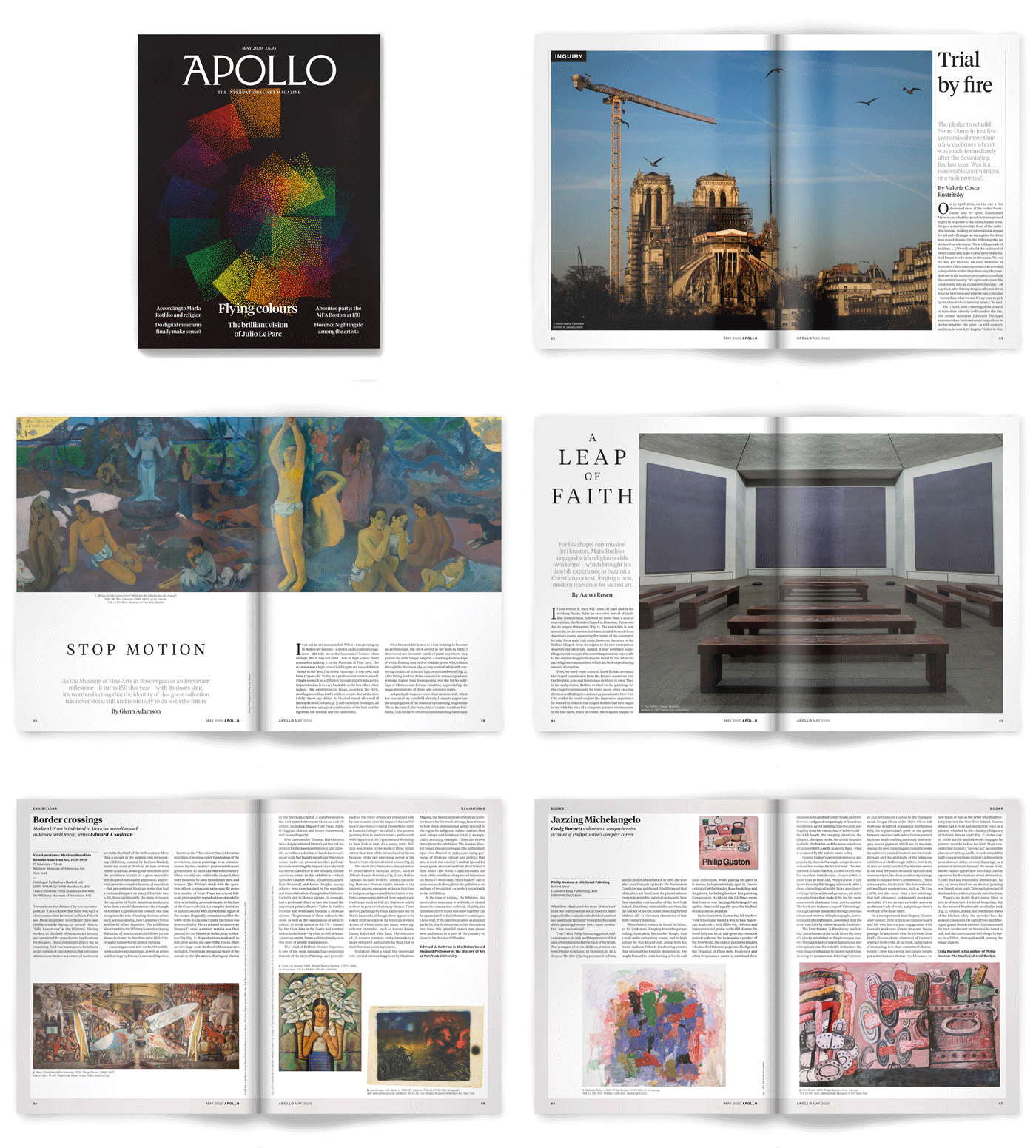
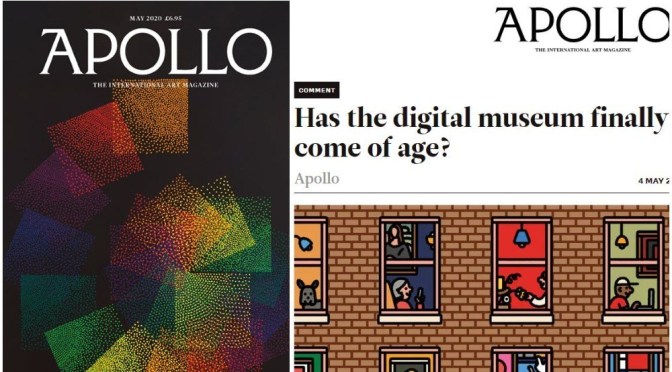
| INSIDE THE ISSUE |
| FEATURES | Julio Le Parc interviewed by Gabrielle Schwarz; Glenn Adamson on the MFA Boston at 150; Aaron Rosen on the Rothko Chapel in Houston; Valeria Costa-Kostritsky on rebuilding Notre-Dame |
| REVIEWS | Morgan Falconer on Donald Judd at MoMA; Edward J. Sullivan on Mexican muralism at the Whitney; Maichol Clemente on Renaissance terracottas in Padua; Susan Owens on ghosts in ancient Rome; Craig Burnett on Philip Guston; Stephen Patience on Blake Gopnik’s biography of Andy Warhol; Thomas Marks on F.T. Marinetti’s Futurist Cookbook |
| MARKET | Gareth Harris on online viewing rooms; and the latest art market columns from Susan Moore and Emma Crichton-Miller |
| PLUS | Thomas Campbell and Adam Koszary debate the role of the digital museum; James Wilkes on trompe-l’oeil and artistic trickery; Kathryn Hughes on the image of Florence Nightingale; Timothy Brittain-Catlin on contemporary architectural follies; Thomas Marks in search of art during lockdown; Robert O’Byrne on an exceptional collection of Chinese art |
Filmed and Edited by: Jurgis Kreilis / FilmDay
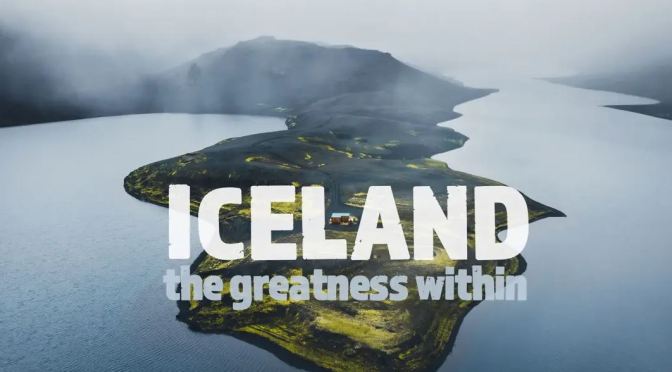
Two years ago I went to Iceland the first time. Shortly after return I gave myself a promise to visit this beautiful county and it’s nature once again. I even made a bucket list of things I still want to exprience there.
I kept the promise and returned to Iceland once again last year in September. I joined the expedition to Icelandic highlands for unseen natural landscapes, ever changing weather, first dance with northerthern lights and the overall greatness within. This was an amazing experience that crossed out few things from my bucket list. But I’m not done with Iceland. There are still few things and seasons I’d love to experience there…

 Boomers Daily