Syndicated columnist Mark Shields and New York Times columnist David Brooks join Judy Woodruff to discuss the latest political news, including a week of dramatic shifts in the 2020 Democratic presidential race, what’s next for the campaigns of Joe Biden and Sen. Bernie Sanders, Sen. Elizabeth Warren’s disappointing finish and how President Trump is handling the novel coronavirus outbreak.
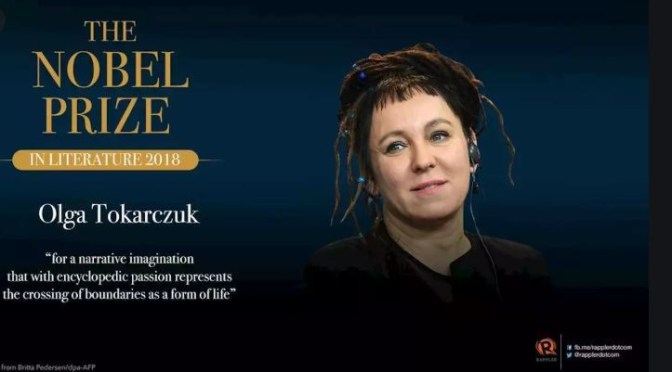
In this interview from the Nobel Banquet on 10 December 2019, Literature Laureate Olga Tokarczuk talks about her childhood dream of being a scientist, curiosity as motivation and the importance of translators.
Olga Tokarczuk, (born January 29, 1962, Sulechów, Poland), Polish writer who was known for her wry and complex novels that leap between centuries, places, perspectives, and mythologies. She received the 2018 Nobel Prize for Literature (awarded belatedly in 2019), lauded for her “narrative imagination that with encyclopedic passion represents the crossing of boundaries as a form of life.” A best-selling author in Poland for decades, Tokarczuk was not well known outside her homeland until she became the country’s first author to win the Man Booker International Prize in 2018 for Flights (2017)—the English translation of her sixth novel, Bieguni (2007).
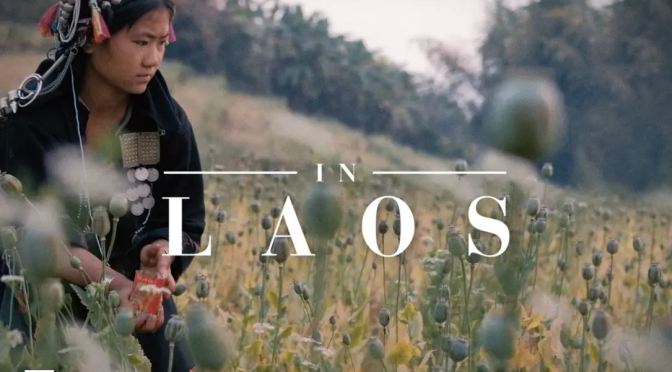
‘The Vietnamese plant the rice, the Cambodians tend the rice and the Lao listen to it grow’ – said the French colonialists. Needless to say, they didn’t mean it as a complement. And maybe they should have.
Hundred years later, looking at Laos we might find out that there is much to learn from its quiet population. Living unhurriedly, they seem to be living a life full of what we in the Western world struggle to find- balance.
In this report first broadcast on August 19, 2007, thirty years after the death of comedian Groucho Marx, “Sunday Morning” host Charles Osgood looks back at the life of the ringleader of the Marx Brothers, who starred in such classics as “Animal Crackers,” “Duck Soup” and “A Night at the Opera.”
Osgood speaks with Marx Brothers fans Elliott Gould, David Steinberg, Frank Ferrante (who played Groucho on stage), Washington Post columnist Harold Meyerson, and Charlotte Chandler, author of the book “Hello, I Must Be Going: Groucho and His Friends.”
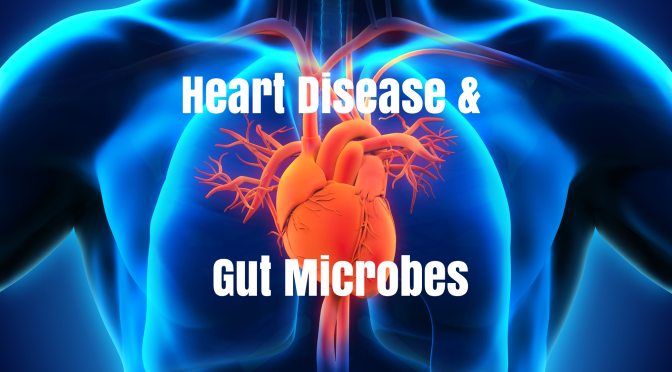
Hazen and colleagues find that gut bacteria play a central role in the conversion of dietary proteins into a compound, phenylacetylglutamine ( PAGln), which not only is associated with future cardiovascular disease risk in humans but also promotes platelet responsiveness and blood clotting potentially via adrenergic receptors, according to mouse models.
From “Downton Abbey” creator and “Gosford Park” writer Julian Fellowes. Based on true events, this 19th century drama follows two footballers on opposite sides of a class divide who changed the game — and England — forever. The English Game arrives on Netflix March 20.
What happens when you catch coronavirus? The Telegraph’s Global Health Security Editor Paul Nuki explains all the ways in which you could become infected with COVID-19 and how your body reacts to this virus.
What happens when the virus enters the body?
When the virus enters your body it binds to two cells in the lungs – goblet cells that produce mucus and cilia cells which have hairs on them and normally prevent your lungs filling up with debris and fluid such as virus and bacteria and particles of dust and pollen.
The virus attacks these cells and starts to kill them – so your lungs begin to fill with fluid making it hard for you to breathe. This phase of the disease is thought to last about a week.
At this point your immune system will start to kick in and fight off the invaders. You will develop a fever and your high body temperature will create a hostile environment for the virus. You will start to get rid of the mucus in the form of coughing and a runny nose.
But in some people – particularly the elderly and those with other health conditions – the immune system can go into overdrive. As well as killing the virus it also starts to kill healthy cells.
This heightened immune response can trigger a “cytokine storm” – white blood cells activate a variety of chemicals that can leak into the lungs, which along with the attack on the cells damages them even further. Scans of the lungs show “ground-glass” opacity and then “crazy paving” patterns, as they fill with mucus making it harder and harder to breathe.
Super Tuesday provided contrasting fortunes for the Democratic candidates hoping to take on Donald Trump. BBC reporters were on the ground with the three leading campaigns as the results came in (but with no decision yet in the all-important Texas and California contests). Here are their verdicts on where Bernie Sanders, Joe Biden and Michael Bloomberg stand now.
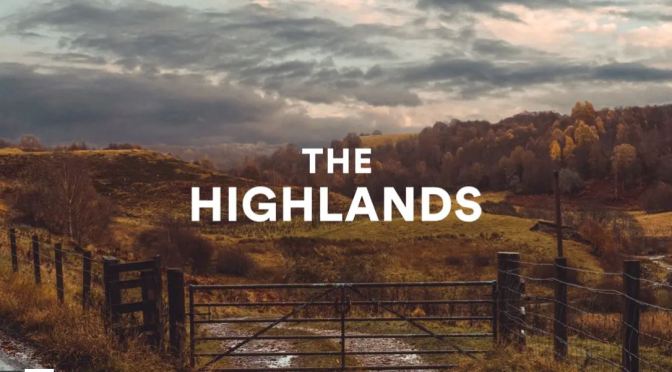
A few days in the Scottish highlands. Again didn’t film as much as i would have liked, the days went very quickly and the winter hours meant daylight was very short.
Peer through the lens of flourishing 17th-century Dutch technological innovation to witness wondrous advancements in science, including astronomy and medicine.
Harold J. Cook, John F. Nickoll Professor of History, Brown University
News, Views and Reviews For The Intellectually Curious





 What happens when you catch coronavirus? The Telegraph’s Global Health Security Editor Paul Nuki explains all the ways in which you could become infected with COVID-19 and how your body reacts to this virus.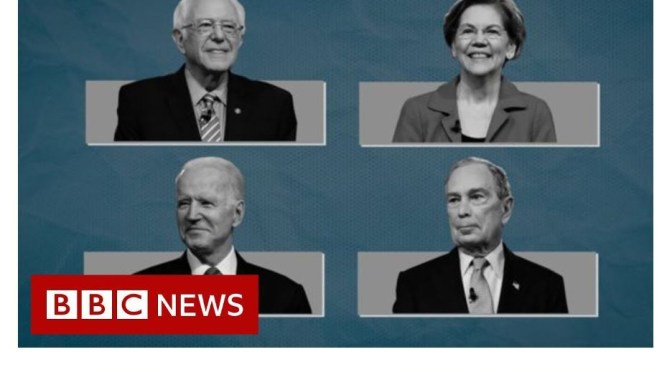

 Boomers Daily