

From an Architectural Digest article (April 3, 2020):
Whimsical, wild, and wacky are but a few words that most aptly describe Bill Bensley’s unique design aesthetic and the exceptional hotels born from it. Credited with upping the ante on Southeast Asia’s hospitality design, he is one of the most intriguing artists in the field today.
Originally from California, Bill has called Asia home since 1984 when he lived in Singapore and Hong Kong before moving to Bangkok and setting up Bensley, a full-service hospitality design atelier made up of architects, landscape architects, interior designers, and artists.
“I can take you around the house and say, ‘The base of this column exists at Capella Ubud, and the top of this bathroom door is Four Seasons Chiang Mai, and this lantern is the prototype for all the lamps that we used at Four Seasons Koh Samui.’ There are still remnants of pieces here from probably 100 different projects,” says Bensley.


 second and enlarged edition, here is the foremost guide to the historic camps within America’s spectacular forest preserve, the six million acre Adirondack Park.

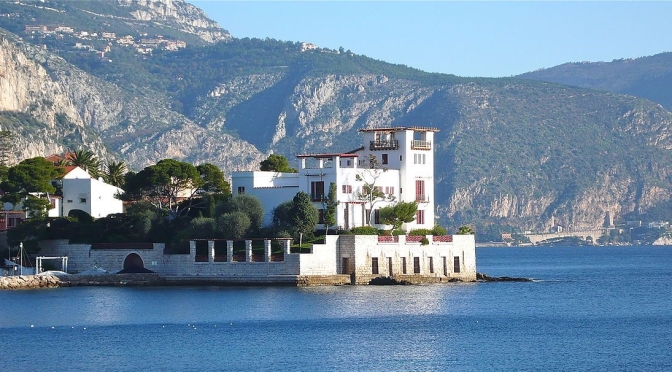
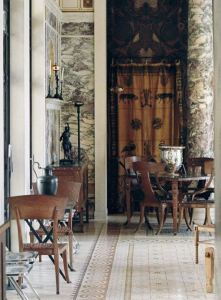 Throughout, the attention to detail is meticulous: mosaic floors of mythical beasts; intricately painted ceilings of interlocking wooden beams. The walls of the Andron, traditionally the male quarters of an ancient Greek household, are streaked with three types of Tuscan marble: ochre Siena, mauve Fleur de Pêcher, and grey-white Carrara. In Mrs Reinach’s bathroom, an immense bathtub weighing one tonne is balanced on two lion paws. Above its ornamental bronze taps, a low-relief frieze depicts the chariot of Demeter. From every window stretches a panorama of glittering blue.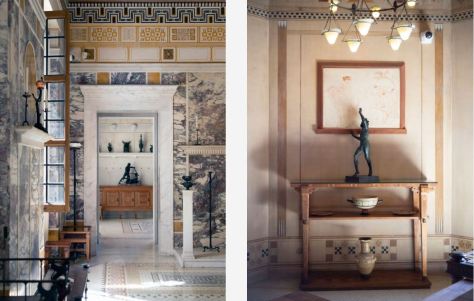




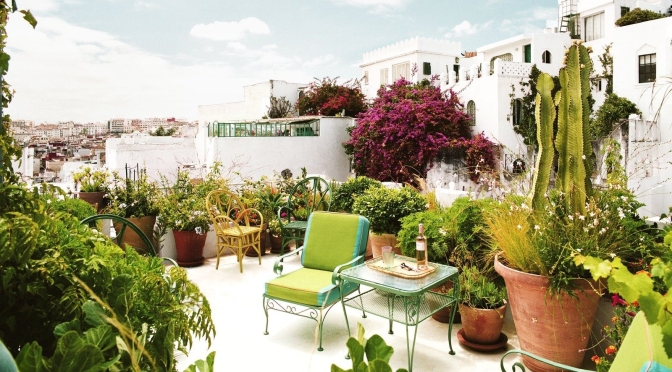
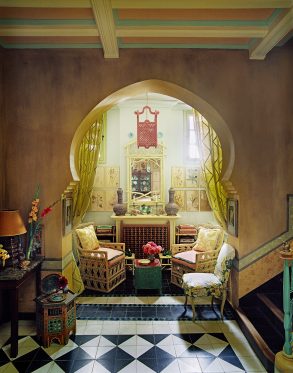 “Tangier is the crossroads of so many civilizations,” says AD100 talent Frank de Biasi of the evocative Moroccan port city that he and his partner, the multifaceted designer Gene Meyer, have made their home. “There’s a central energy here,” he explains, “where the Atlantic meets the Mediterranean, where Europe meets Africa. It’s a psychic point like no other place.”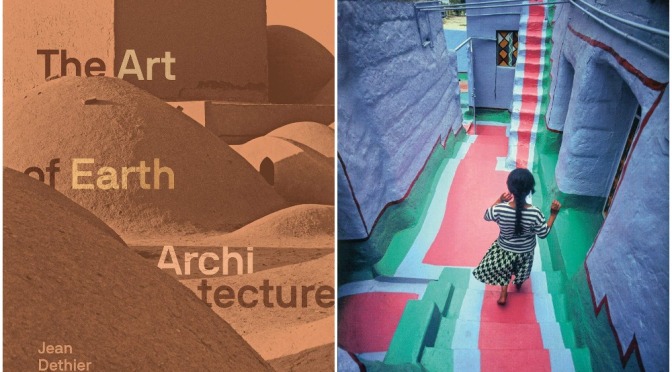
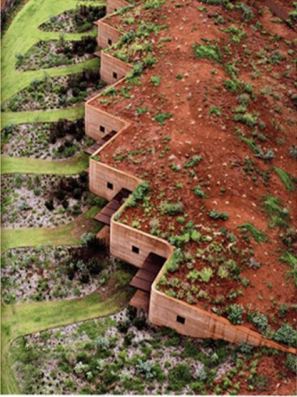 The Art of Earth Architecture demonstrates the wide-ranging applications and sustainability of this building material, while presenting a manifesto for its ecological significance. Featuring raw-earth masterpieces, monumental structures, and little known works, the book includes the temples and palaces of Mesopotamia, the Great Wall of China, large-scale urban developments in Tenochtitlan in Mexico, the medinas of Morocco, and housing in Marrakech and Bogota.
 Boomers Daily