

From a University of Toronto Medicine article:
 “There are two important takeaways from this paper. One is that poor sleep is associated with brain immune dysregulation or dysfunction,” says Lim, the corresponding author for the paper.
“The second part is that dysfunction appears to be further associated with impaired cognition.”
The study shows that in adults with fragmented sleep – where people were waking up repeatedly instead of sleeping soundly – there was an effect on microglia, and the cells showed signs of accelerated aging and other abnormalities.
The researchers were then able to identify that these changes in the microglia could be associated with worse cognition in older adults, both with and without Alzheimer’s disease.
To read full study: https://advances.sciencemag.org/content/5/12/eaax7331
To read more: https://medicine.utoronto.ca/news/research-suggests-fragmented-sleep-may-affect-brain-s-immune-cells-impair-cognition

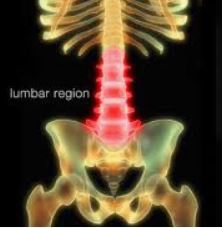 Sleep problems may decrease the likelihood of recovery from chronic low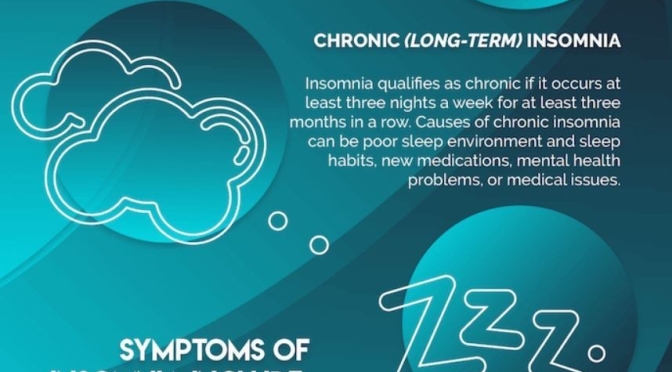
 Beyond the constant tossing and turning of a sleepless night, it might surprise you to know that insomnia is affecting a fair hunk of the Australian population. A recent study released by the Sleep Health Foundation found that 15 per cent of us suffer from chronic insomnia disorder, and very few people are choosing to access help.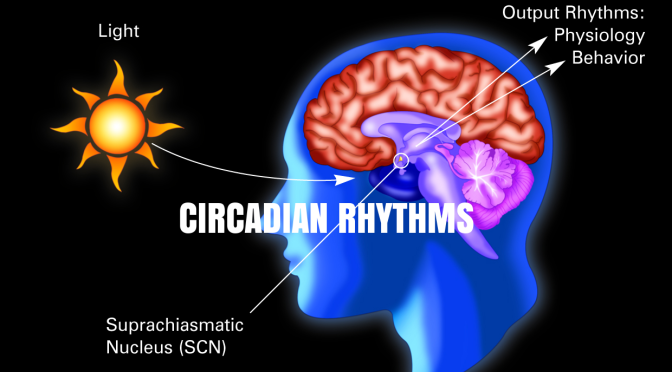
 When people are awake during the night, their behaviors are often mismatched with their internal body clocks. This can lead to nighttime eating, which can influence the way the body processes sugar and could lead to a higher risk in diabetes. “What happens when food is eaten when you normally should be fasting?” Scheer asked the audience. “What happens is that your glucose tolerance goes out the window….So your glucose levels after a meal are much higher.” This can increase people’s risk for diabetes.
 The current study points to the role of norepinephrine, a neurotransmitter that signals arousal and stress in the central nervous system. This chemical is present in low levels in the brain while we sleep, but when production ramps up it arouses our nerve cells, causing us to wake up and become alert. The study showed that norepinephrine also acts on a specific receptor, the beta2 adrenergic receptor, which is expressed at high levels in microglia. When this chemical is present in the brain, the microglia slip into a sort of hibernation.
 In a
In a 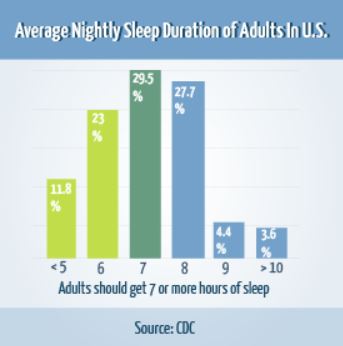 …these results indicate that sleep may play an important role in health disparities and may represent a modifiable risk factor (along with diet and physical activity) for cardiometabolic risk in general and cardiometabolic health disparities specifically.
 PBHWB of 40–42.5 °C was associated with both improved self-rated sleep quality and SE, and when scheduled 1–2 h before bedtime for little as 10 min significant shortening of SOL. These findings are consistent with the mechanism of PBHWB effects being the extent of core body temperature decline achieved by increased blood perfusion to the palms and soles that augments the distal-to-proximal skin temperature gradient to enhance body heat


 Boomers Daily