
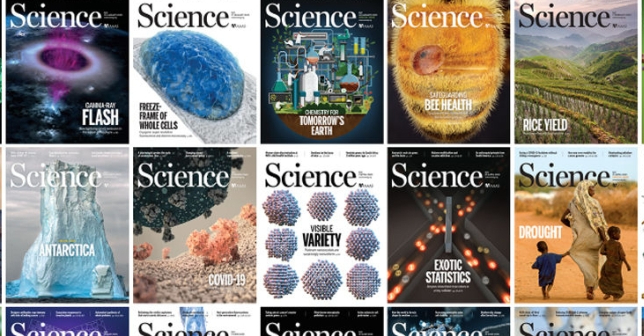
A nearby iron-rich sub-Earth planet, dissecting the early #COVID19 cases in Wuhan, and climate change fuels debate over Germany’’s woodlands.
— Science Magazine (@ScienceMagazine) December 2, 2021
📕 Read what’s new in Science: https://t.co/lLeTm01ZZB pic.twitter.com/akHrHyDrhg
Category Archives: Science
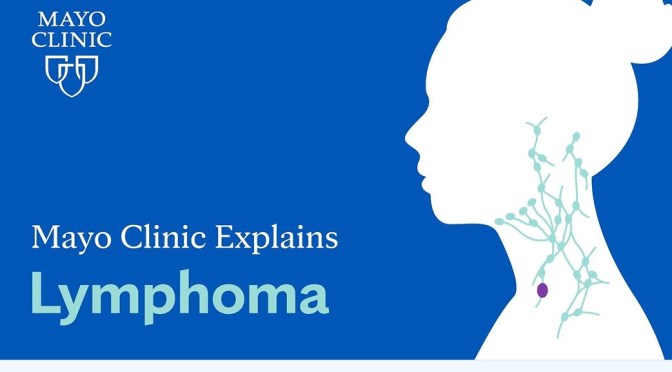
Medicine: The Mayo Clinic Explains Lymphoma (Video)
Learning about lymphoma can be intimidating. Let our experts walk you through the facts, the questions, and the answers to help you better understand this condition.
Video timeline: 0:24 What is Lymphoma? 1:20 Types of Lymphoma 2:04 Who gets Lymphoma? 2:48 Risk factors 3:30 Symptoms 4:10 How is Lymphoma diagnosed? 5:07 Treatment options 6:11 Coping methods/ What now? 7:09 Ending
For more reading visit: https://mayocl.in/3xThjs7

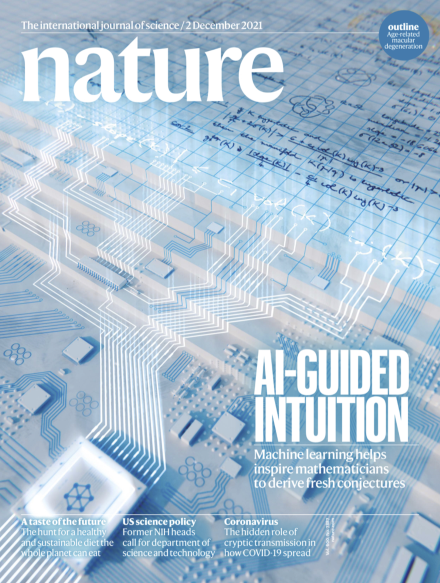
Cover Previews: Nature Magazine – December 2
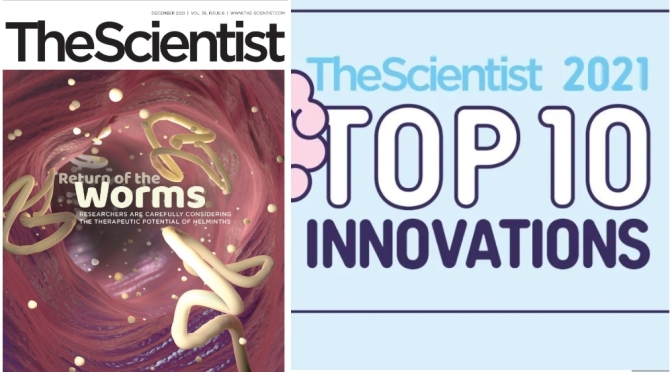
Previews: The Scientist Magazine – December 2021

Diet Studies: Nutritious & Sustainable Food (Nature)
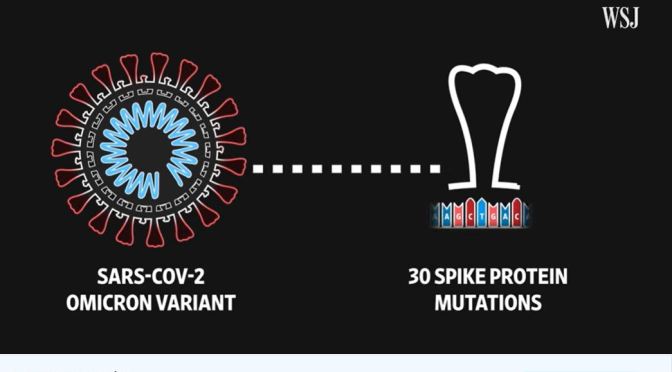
Covid-19: Why Omicron Concerns Scientists (WSJ)
The B.1.1.529 variant was first reported to WHO from South Africa on 24 November 2021. The epidemiological situation in South Africa has been characterized by three distinct peaks in reported cases, the latest of which was predominantly the Delta variant. In recent weeks, infections have increased steeply, coinciding with the detection of B.1.1.529 variant. The first known confirmed B.1.1.529 infection was from a specimen collected on 9 November 2021.
This variant has a large number of mutations, some of which are concerning. Preliminary evidence suggests an increased risk of reinfection with this variant, as compared to other VOCs. The number of cases of this variant appears to be increasing in almost all provinces in South Africa. Current SARS-CoV-2 PCR diagnostics continue to detect this variant. Several labs have indicated that for one widely used PCR test, one of the three target genes is not detected (called S gene dropout or S gene target failure) and this test can therefore be used as marker for this variant, pending sequencing confirmation. Using this approach, this variant has been detected at faster rates than previous surges in infection, suggesting that this variant may have a growth advantage.
Front Covers: Science Magazine – November 26

Previews: New Scientist Magazine – November 27
Science: Research Salary Survey, Jumping Spiders, NASA Smashing Asteroids
The Nature salary and satisfaction survey reveals researchers’ outlook, and NASA’s test of planetary defenses.
In this episode:
00:45 Salary and satisfaction survey
Like all aspects of life, scientific careers have been impacted by the pandemic. To get an insight into how researchers are feeling, Nature has conducted a salary and satisfaction survey. We hear from some of the respondents.
Careers Feature: Stagnating salaries present hurdles to career satisfaction
09:07 Research Highlights
The physics of a finger snap, and the surprisingly strong silk of jumping spiders.
Research Highlight: It’s a snap: the friction-based physics behind a common gesture
Research Highlight: High-speed spinning yields some of the toughest spider silk ever found
11:23 Briefing Chat
We discuss some highlights from the Nature Briefing. This time, the plans to smash a spacecraft into an asteroid, and how baby formula is changing to better resemble breast milk.
Nature News: NASA spacecraft will slam into asteroid in first planetary-defence test
Chemistry World: The science of breast milk and baby formula
Research: How CRISPR Can Save Lives And End Disease
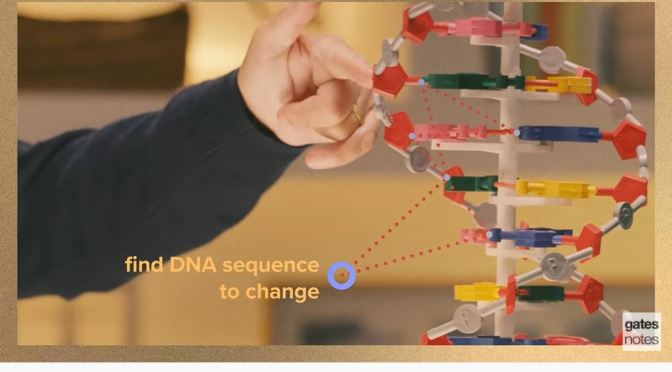
CRISPR is a technology that can be used to edit genes and, as such, will likely change the world. The essence of CRISPR is simple: it’s a way of finding a specific bit of DNA inside a cell. After that, the next step in CRISPR gene editing is usually to alter that piece of DNA.
 Boomers Daily