

W

W
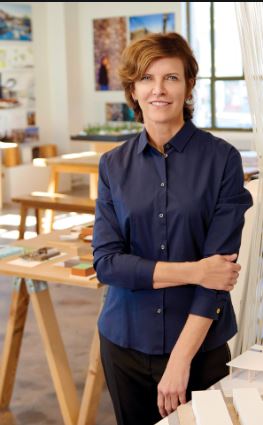 The most in-depth exploration of one of the most important, innovative, and creative architecture practices working today.
For the last twenty years Studio Gang, led by Jeanne Gang, has created bold, visionary architecture that engages the urgent social and environmental challenges of our time. This first comprehensive monograph brings together 25 signature projects-from the award-winning Aqua Tower and Writers Theatre to highly-anticipated upcoming buildings for the American Museum of Natural History and O’Hare International Airport-to reveal the resonant concepts and design approach that connect them. With a rich variety of visual materials and short essays by Jeanne Gang, the book elegantly captures the creative sensibility and trajectory of an architecture driven by pressing twenty-first-century questions.
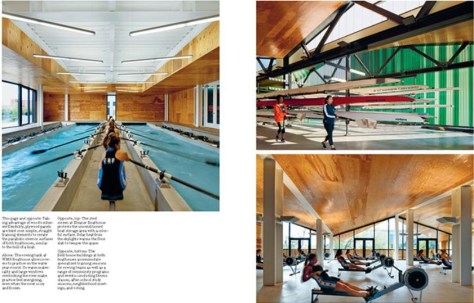
Studio Gang is an international architecture and urban design practice founded and led by Jeanne Gang. A recipient of the National Design Award in Architecture and numerous other honors, the Studio works as a collective to create projects that foster interaction and connection. Their research-based, interdisciplinary approach has produced award-winning buildings across scales and typologies as well as publications and exhibitions that push design’s ability to effect positive change.
From Christie’s online magazine (May 2020):
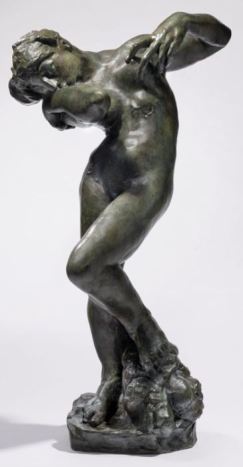
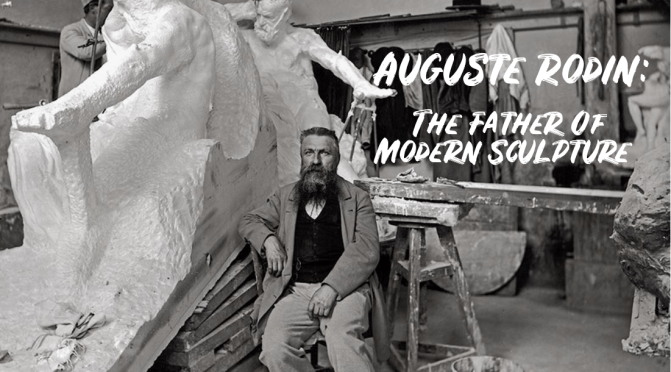
Rodin travelled to Italy in 1875, a trip described by the late art historian Kirk Varnedoe as, ‘one of the seminal events in modern art’.
Here, in his mid-thirties, he fell under the spell of the Renaissance master, Michelangelo. His monumental, exaggerated nude figures would have a deep and lasting influence on the artist. ‘My liberation from academicism was via Michelangelo,’ Rodin later recalled. ‘He is the bridge by which I passed from one circle to another.’
Auguste Rodin (1840-1917) is renowned for breathing life into clay, creating naturalistic, often vigorously modelled sculptures which convey intense human emotions: love, ecstasy, agony or grief. Breaking the rules of academic convention and classical idealism, Rodin ushered in a new form of highly expressive sculpture that went on to influence generations of artists that followed.

Read full article at Christie’s

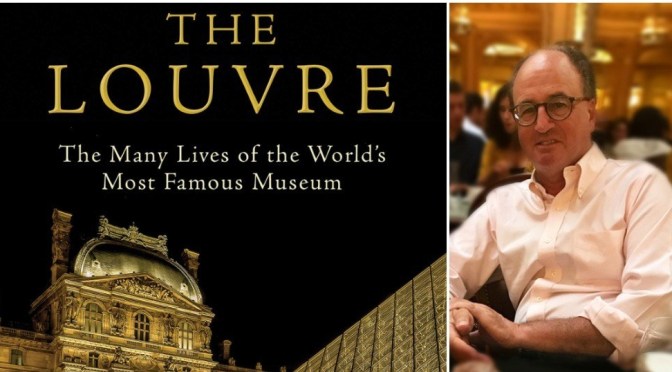
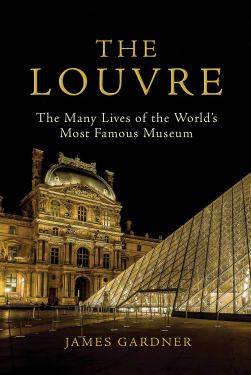 The fascinating and little-known story of the Louvre, from its inception as a humble fortress to its transformation into the palatial residence of the kings of France and then into the world’s greatest art museum.
Some ten million people from all over the world flock to the Louvre each year to enjoy its incomparable art collection. Yet few of them are aware of the remarkable history of that place and of the buildings themselves―a fascinating story that historian James Gardner elegantly chronicles in the first full-length history of the Louvre in English.
More than 7,000 years ago, men and women camped on a spot called le Louvre for reasons unknown; a clay quarry and a vineyard supported a society there in the first centuries AD. A thousand years later, King Philippe Auguste of France constructed a fortress there in 1191, just outside the walls of a city far smaller than the Paris we know today. Intended to protect the capital against English soldiers stationed in Normandy, the fortress became a royal residence under Charles V two centuries later, and then the monarchy’s principal residence under the great Renaissance king François I in 1546.
It remained so until 1682, when Louis XIV moved his entire court to Versailles. Thereafter the fortunes of the Louvre languished until the tumultuous days of the French Revolution when, during the Reign of Terror in 1793, it first opened its doors to display the nation’s treasures. Ever since―through the Napoleonic era, the Commune, two World Wars, to the present―the Louvre has been a witness to French history, and expanded to become home to a legendary collection, including such masterpieces as the Mona Lisa and Venus de Milo, whose often-complicated and mysterious origins form a spectacular narrative that rivals the building’s grand stature.
James Gardner is an American art critic and literary critic based in New York and Buenos Aires. He is the author of six books, including Buenos Aires: The Biography of a City. His writings have appeared in the New York Times, the Wall Street Journal, the New Republic, and the British Spectator. He was the art critic at the New York Post and wrote architecture criticism for the New York Observer, before serving as the architecture critic at the New York Sun. He is now a contributing editor at The Magazine Antiques.
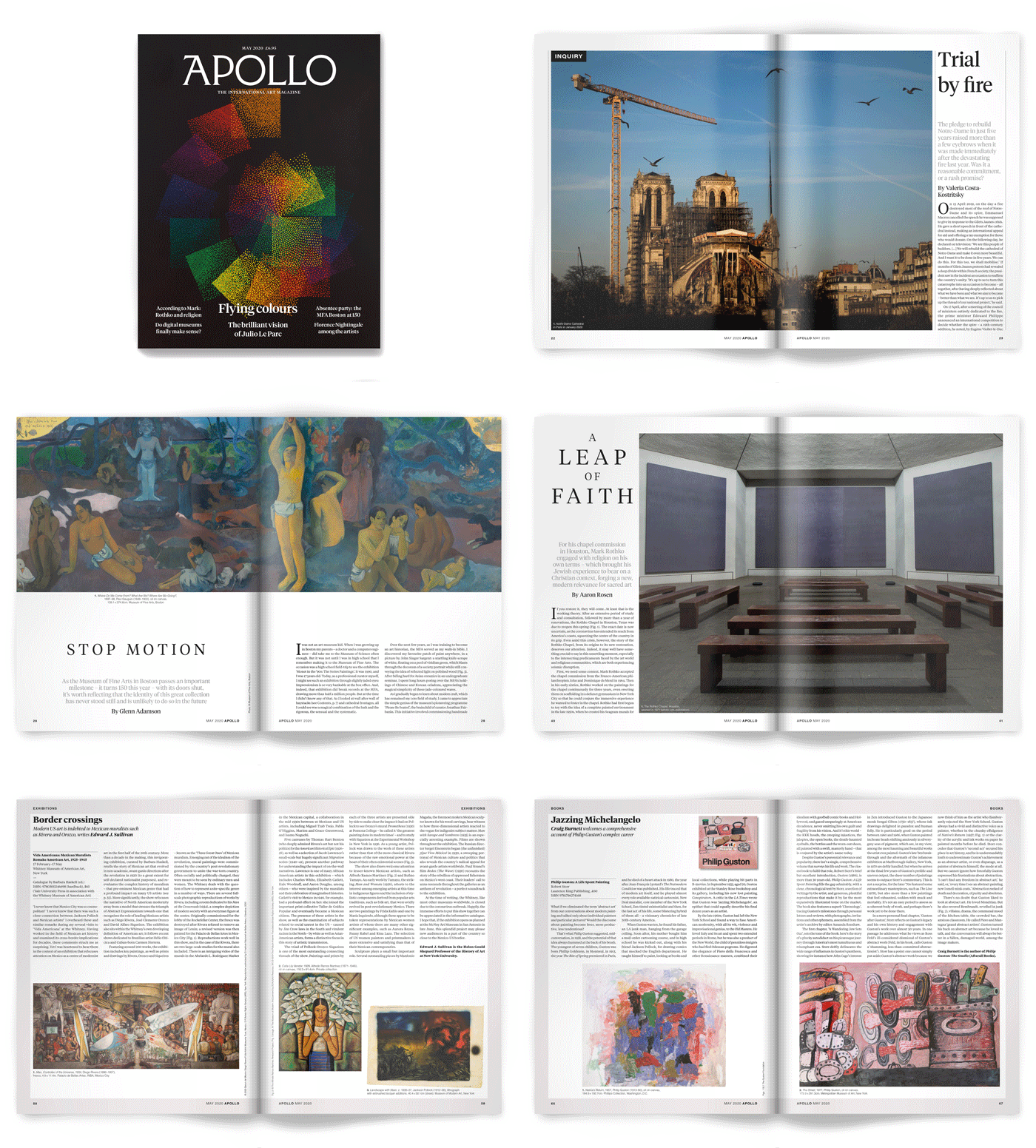
| INSIDE THE ISSUE |
| FEATURES | Julio Le Parc interviewed by Gabrielle Schwarz; Glenn Adamson on the MFA Boston at 150; Aaron Rosen on the Rothko Chapel in Houston; Valeria Costa-Kostritsky on rebuilding Notre-Dame |
| REVIEWS | Morgan Falconer on Donald Judd at MoMA; Edward J. Sullivan on Mexican muralism at the Whitney; Maichol Clemente on Renaissance terracottas in Padua; Susan Owens on ghosts in ancient Rome; Craig Burnett on Philip Guston; Stephen Patience on Blake Gopnik’s biography of Andy Warhol; Thomas Marks on F.T. Marinetti’s Futurist Cookbook |
| MARKET | Gareth Harris on online viewing rooms; and the latest art market columns from Susan Moore and Emma Crichton-Miller |
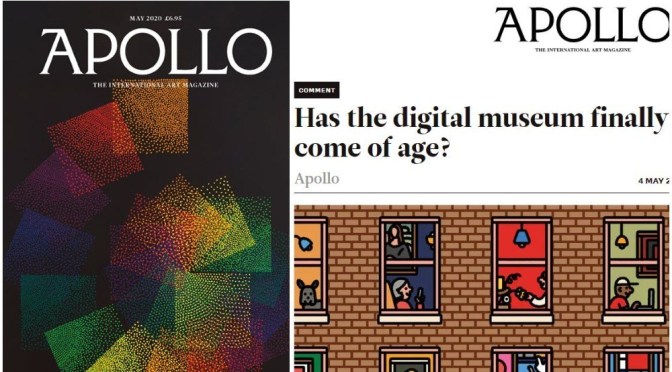
| PLUS | Thomas Campbell and Adam Koszary debate the role of the digital museum; James Wilkes on trompe-l’oeil and artistic trickery; Kathryn Hughes on the image of Florence Nightingale; Timothy Brittain-Catlin on contemporary architectural follies; Thomas Marks in search of art during lockdown; Robert O’Byrne on an exceptional collection of Chinese art |
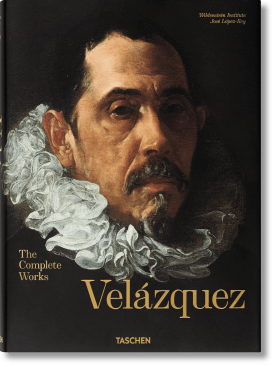 Manet called him “the greatest painter of all.” Picasso was so inspired by his masterpiece Las Meninas that he painted 44 variations of it. Francis Bacon painted a study of his portrait of Pope Innocent X. Monet and Renoir, Corot and Courbet, Degas and Dalí…for so many champions of art history, the ultimate soundboard was—and remains—Diego Rodríguez de Silva y Velázquez (1599-1660).

This updated catalog raisonné brings together Velázquez’s complete works, jaw-droppingly reproduced in extra-large format, with a selection of enlarged details and brand new photography of recently restored paintings, achieved through the joint initiative of TASCHEN and Wildenstein. The book’s dazzling images are accompanied by insightful commentary from José López-Rey on Velázquez’s interest in human life and his equal attention to all subjects, from an old woman frying eggs to a pope or king, as well as his commitment to color and light, which would influence the Impressionists over two centuries later.











 Boomers Daily