

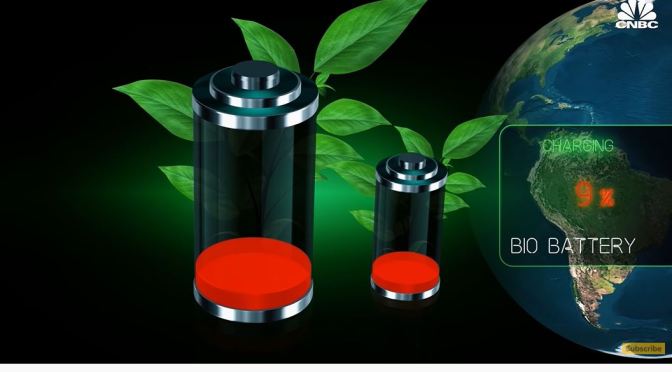
Bioo is generating electricity from the organic matter in soil and creating biological batteries to power agricultural sensors, a growing $1.36 billion global market. Eventually, Bioo envisions a future where biology could help to power our largest cities.
Like craft beer, craft chocolate is hip. The more exotic the cocoa, the more popular the end product. Craft chocolatiers comb the jungles of the Peruvian Amazon in search of cacao varieties that have never been used in chocolate production before.
Their prospective buyers belong to a select group of connoisseurs with a taste for exotic cocoa beans. Aside from satisfying people’s craving for luxury, craft chocolate makers are also working to create positive change. They’re helping local cocoa farmers document the widespread impact of illegal deforestation, the drug trade, and large agribusinesses on the lives of the indigenous population in Peru’s Amazonas region. Will craft chocolatiers succeed in getting consumers to shell out more money – enough to ensure cocoa farmers‘ livelihoods? Can they get chocoholics to develop a craving for high quality, organic products that also support environmental sustainability?
United Airlines’ announcement that it plans to buy 15 supersonic aircraft from the startup Boom Supersonic is raising questions about the future of ultra-fast plane travel. In this video, WSJ speaks with an industry analyst to better understand what’s next for faster-than-sound air travel. Photo: Boom Supersonic
Quantum computers aren’t the next generation of supercomputers—they’re something else entirely. Before we can even begin to talk about their potential applications, we need to understand the fundamental physics that drives the theory of quantum computing. (Featuring Scott Aaronson, John Preskill, and Dorit Aharonov.) For more, read “Why Quantum Computers Are So Hard to Explain”: https://www.quantamagazine.org/why-is…
Chinese automaker XPeng is betting that driving assistance features and other tech will be the key to winning new customers. WSJ travels to its research and development lab to see how its rivalry with Tesla could reshape how we drive. Photo: XPeng
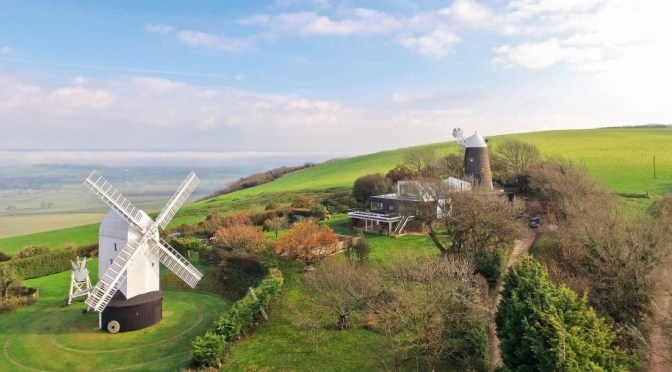
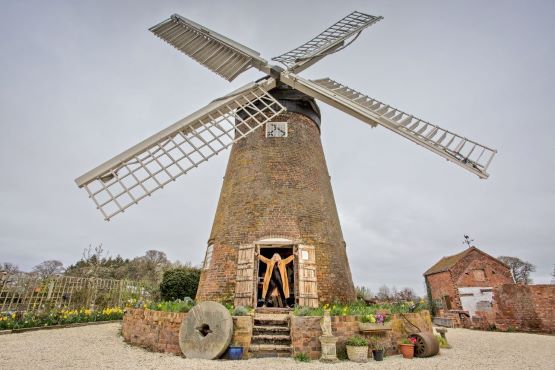
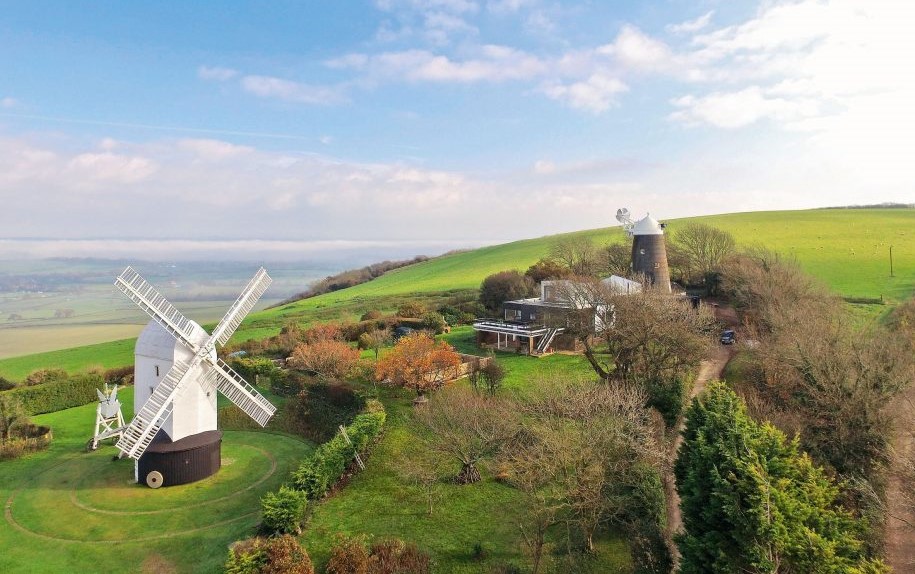
There are about 140 windmills left in the UK today — of these, about 40 still work. By comparison, explains Mildred Cookson, chair of the Society for the Protection of Ancient Buildings (SPAB)’s mills section, there were more than 1,000 in the 1890s.

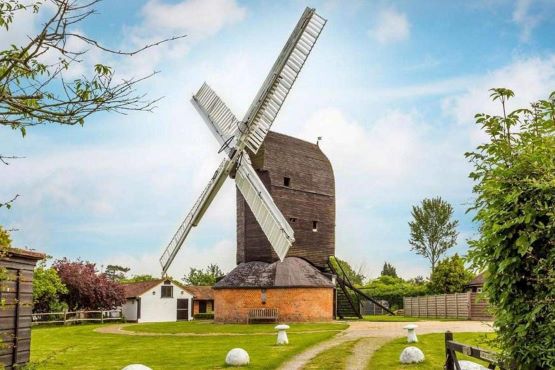
They tend to take one of two styles: the brick-built tower mill, where only the cap rotates, or the wooden post mill, which fully rotates around a vertical post and dates to about 1185, when one was built at Weedly, East Yorkshire.
Some are more famous than others. John Constable painted the mill at Petworth, West Sussex, and, in Buckinghamshire, Cobstone features as the home of Caractacus Potts in the 1968 film adaptation of Ian Fleming’s Chitty Chitty Bang Bang. In the BBC’s mystery crime series Jonathan Creek, starring Alan Davies, it’s King’s Mill in Shipley, West Sussex, that steals the show.
A selection of three essential articles read aloud from the latest issue of The Economist. This week: the new geopolitics of business, Brazil’s dismal decade (9:25), and how to be the next Tesla (16:30)
United Airlines has just announced that it will be the first US airline to operate supersonic passenger aircraft from Boom Supersonic. The airline will take 15 Boom Overture aircraft, with an option for 35 more, hopefully in service by 2029.
Article Link: https://simpleflying.com/united-airli…






 Boomers Daily