There’s something about the Lake District – something that sparks the imagination and soothes the soul. A picture-perfect expanse of rugged peaks, placid waters and rolling farmland, neatly divided by dry-stone walls and dotted with stone-built villages, northwest England’s Lake District has the double accolade of being both a UNESCO World Heritage Site and a National Park.
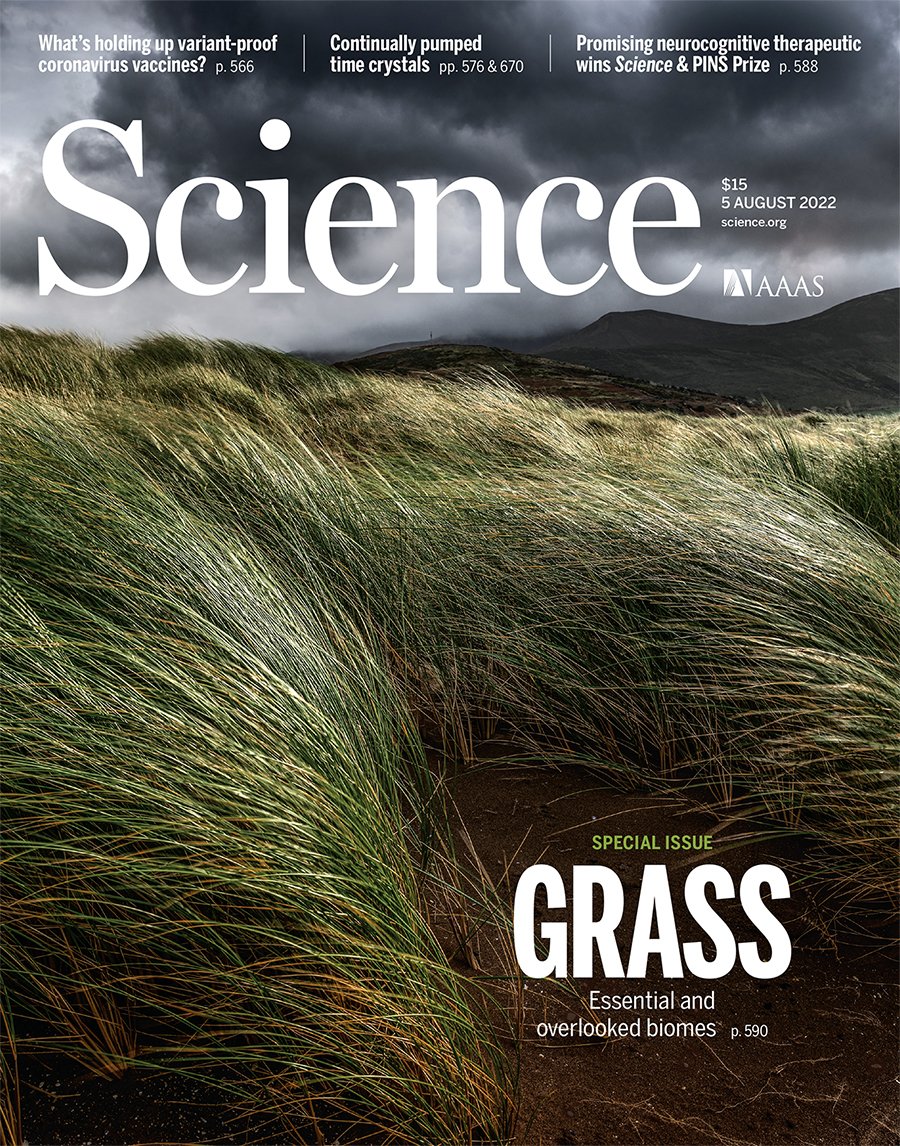
Marram grass, or beachgrass, grows on and stabilizes coastal sand dunes on Ireland’s Dingle Peninsula. Grasses, whether terrestrial or submarine, tend to be undervalued but have influenced the trajectory of human history through their domestication as food staples, as well as natural ecosystems worldwide. If restored and conserved appropriately, grasslands can benefit climate change mitigation efforts. See the special section beginning on page 590.
A new special issue of Science explores the unrecognized value of grass: https://fcld.ly/bo80dpr
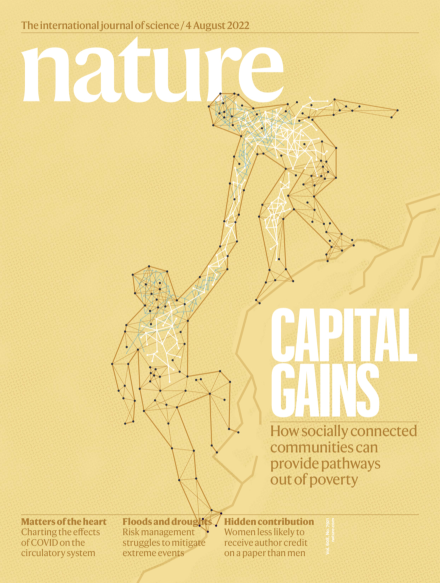
An individual’s social network and community — their ‘social capital’ — has been thought to influence outcomes ranging from earnings to health. But measuring social capital is challenging. In two papers in this week’s issue, Raj Chetty and his colleagues use data on 21 billion friendships from Facebook to construct a Social Capital Atlas containing measures of social capital for each ZIP code, high school and college in the United States. The researchers measure three types of social capital: connectedness between different types of people, social cohesion and civic engagement. They find that children who grow up in communities where people of low and high socio-economic status interact more have substantially greater chances of rising out of poverty. The team then examines what might limit social interactions across class lines, finding a roughly equal contribution from lack of exposure — because children in different socio-economic groups go to different schools, for example — and friending bias, the tendency for people to befriend people similar to them.
This week’s @TheTLS , featuring Marjorie Perloff on Robert Lowell’s Memoirs; A. N. Wilson on Lord Northcliffe; @funesdamemorius on Aleister Crowley; @MarenMeinhardt on Manon Gropius; @JuliaBell on Lillian Fishman; @chrismullinexmp on political lives – and more.
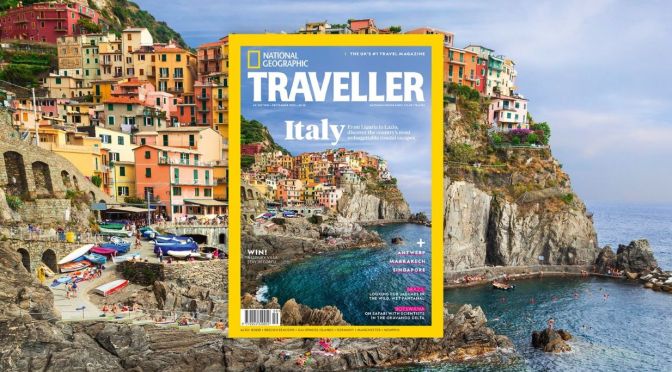
The September issue of National Geographic Traveller (UK) is out now. The cover story this month focuses on the Italian coast, which encapsulates the very best of the country.
France-Amérique Magazine, August 2022 – This month, we celebrate French education in all its diversity. Read our investigation on how to become a professeur de français in the United States (Spoiler: It’s difficult, but not impossible); meet the French couple behind the first franchise for bilingual education in North America; and discover the latest edition of our French Education Guide, a comprehensive state-by-state directory of French dual-language programs in the United States. And because summer is not over yet, visit the Hôtel Les Roches Blanches, a hotspot for Art Deco enthusiasts on the Mediterranean coast; read all about les espadrilles; and meet American pastry chef Amanda Bankert, the donut queen of Paris!
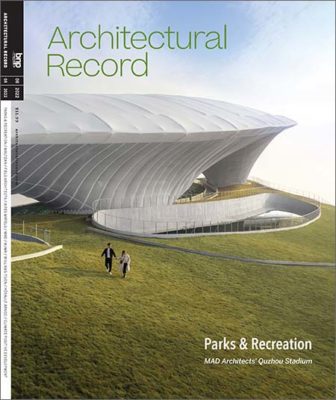
For the past three decades, China has been furiously turning farmland into instant cities, transforming a heavily agrarian society into one with nearly 64 percent of its population now urbanized. In recent years, though, affluent Chinese have started to rediscover their culture’s deep roots in the countryside and the lure of the nation’s often dramatic landscapes. Architects like Ma Yansong, who founded MAD Architects in Beijing in 2004, are now busy exploring new ways of connecting the constructed environment to the natural one. Ma often talks of his notions of shanshui culture, referring to the Chinese words for “mountain” and “water” and to design inspired by a reverence for earth and sky. Yet his approach is anything but traditional. Instead, it aims to reinvent nature—for example, crafting an opera house in Harbin to look as if it were sculpted by wind and water and calling a 5 million-square-foot residential complex in Beihai with rolling roofs Fake Hills.
News, Views and Reviews For The Intellectually Curious

















 Boomers Daily