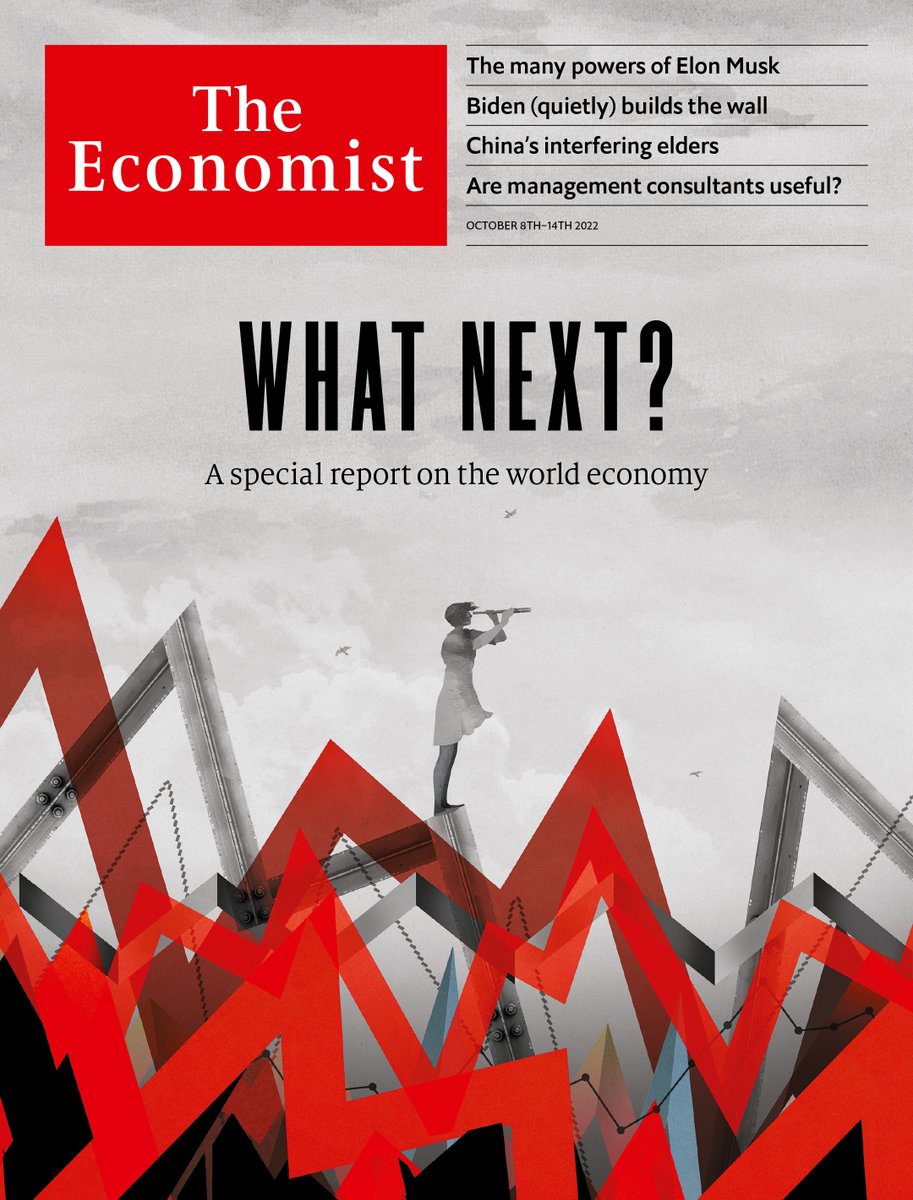
A great rebalancing between governments and central banks is under way.
For months there has been turmoil in financial markets and growing evidence of stress in the world economy. You might think that these are just the normal signs of a bear market and a coming recession. But, as our special report this week lays out, they also mark the painful emergence of a new regime in the world economy—a shift that may be as consequential as the rise of Keynesianism after the second world war, and the pivot to free markets and globalisation in the 1990s.
IN A TIME OF PANTHERS: Early Photographs, by Jeffrey Henson Scales. (SPQR Editions, $49.95.) Scales, a photography editor at The Times, has dug up intimate images taken of Black Panther members and protests during the late 1960s to share a “time capsule” that has taken on new urgency for the author and for our country at large.
CAROLEE SCHNEEMANN: Body Politics, edited by Lotte Johnson and Chris Bayley. (Yale University, $50.) This collection gathers six decades of work from the late experimental artist, including paintings, multimedia installations and films, to shed new light on Schneemann’s ideas about the body, war and more.
IN THE BLACK FANTASTIC, by Ekow Eshun. (MIT, $39.95.) In this exciting, wide-ranging collection, Eshun presents speculative art and imagery from the African diaspora with a focus on folklore and Afrofuturism and explores works such as the paintings of Kara Walker and Chris Ofili and Jordan Peele’s “Get Out.”
FIELD OF PLAY: 60 Years of NFL Photography, by Steve Cassady and Michael Zagaris. (Abrams, $80.) Zagaris’s images — covering 42 Super Bowls, 49 seasons with the San Francisco 49ers and more — provide glimpses into moments of tension, pain and intensity over 60 years of N.F.L. history.
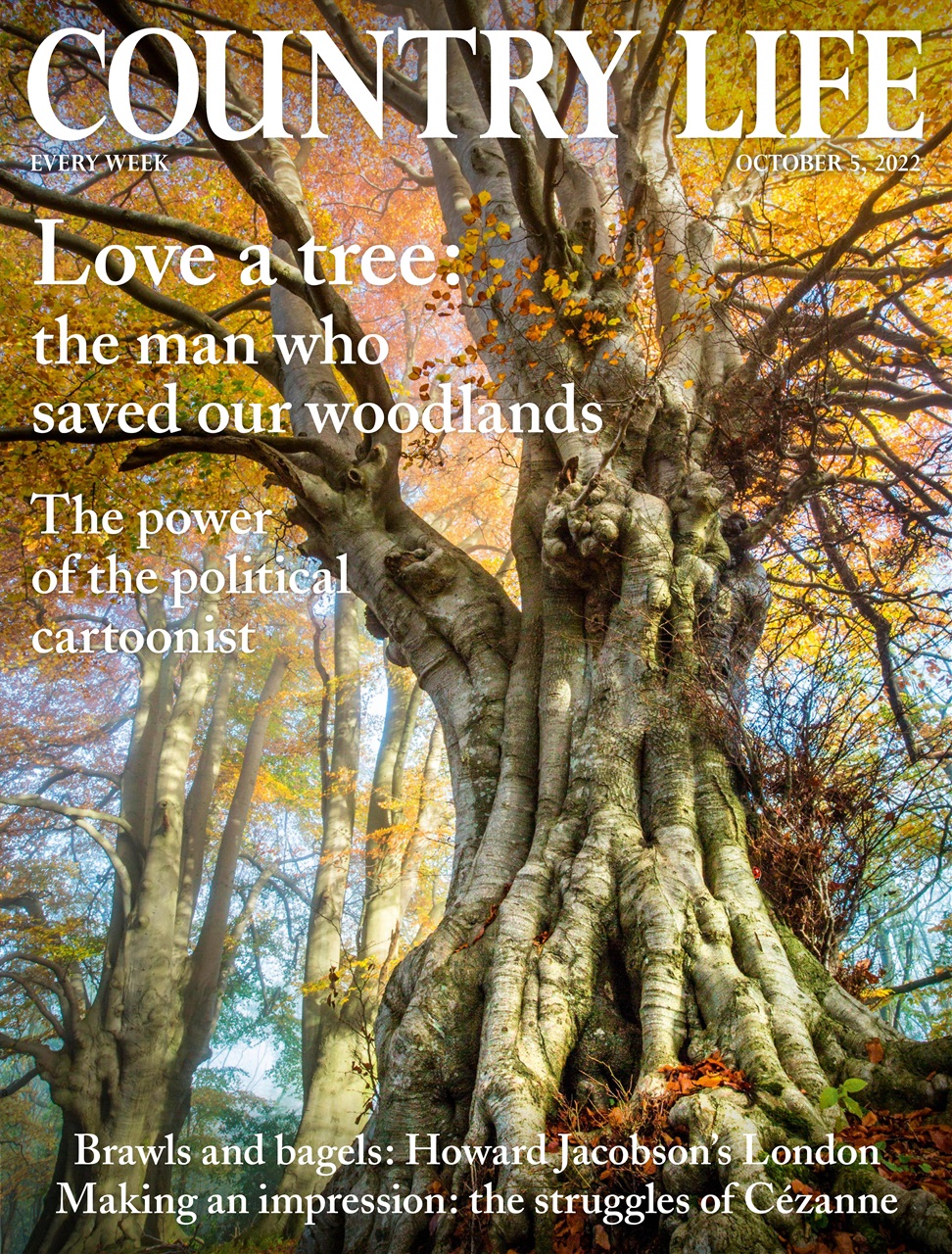
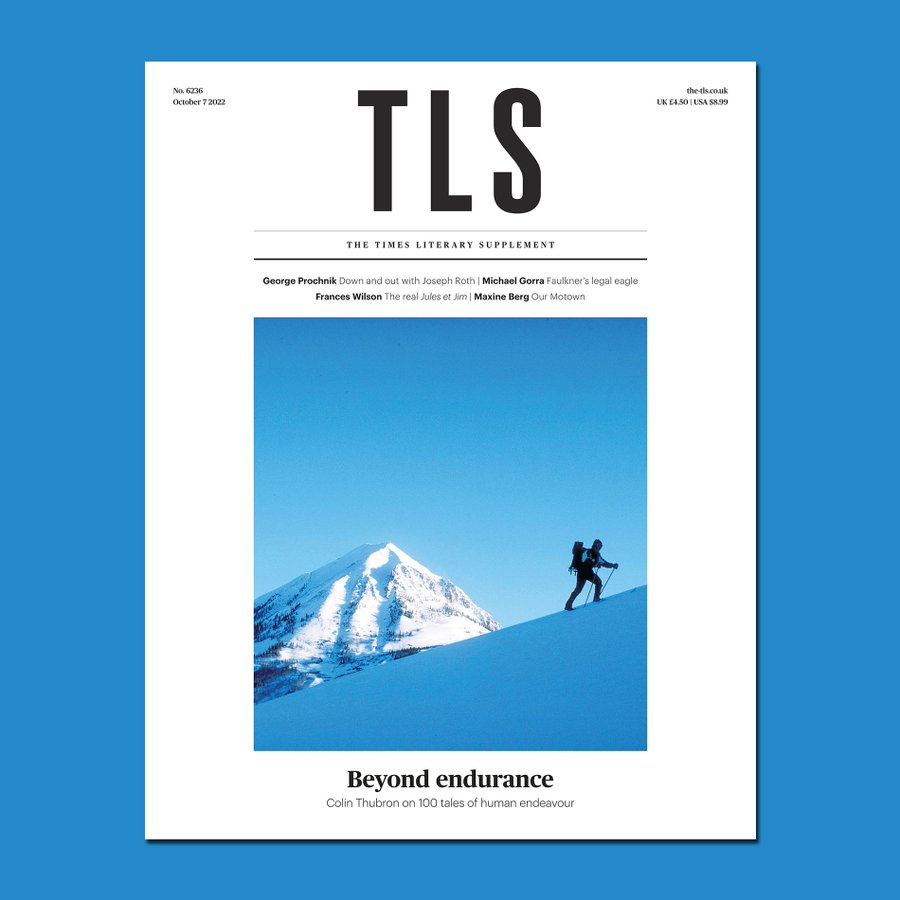
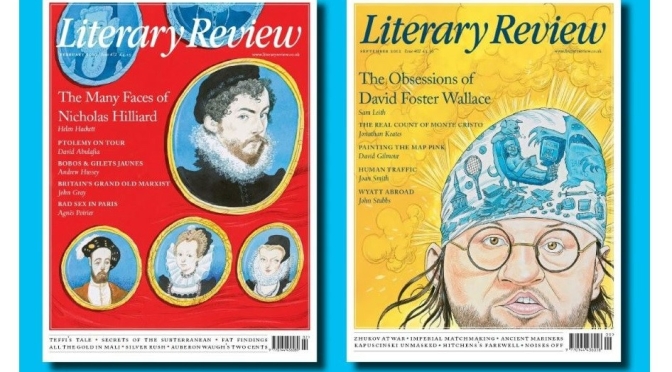
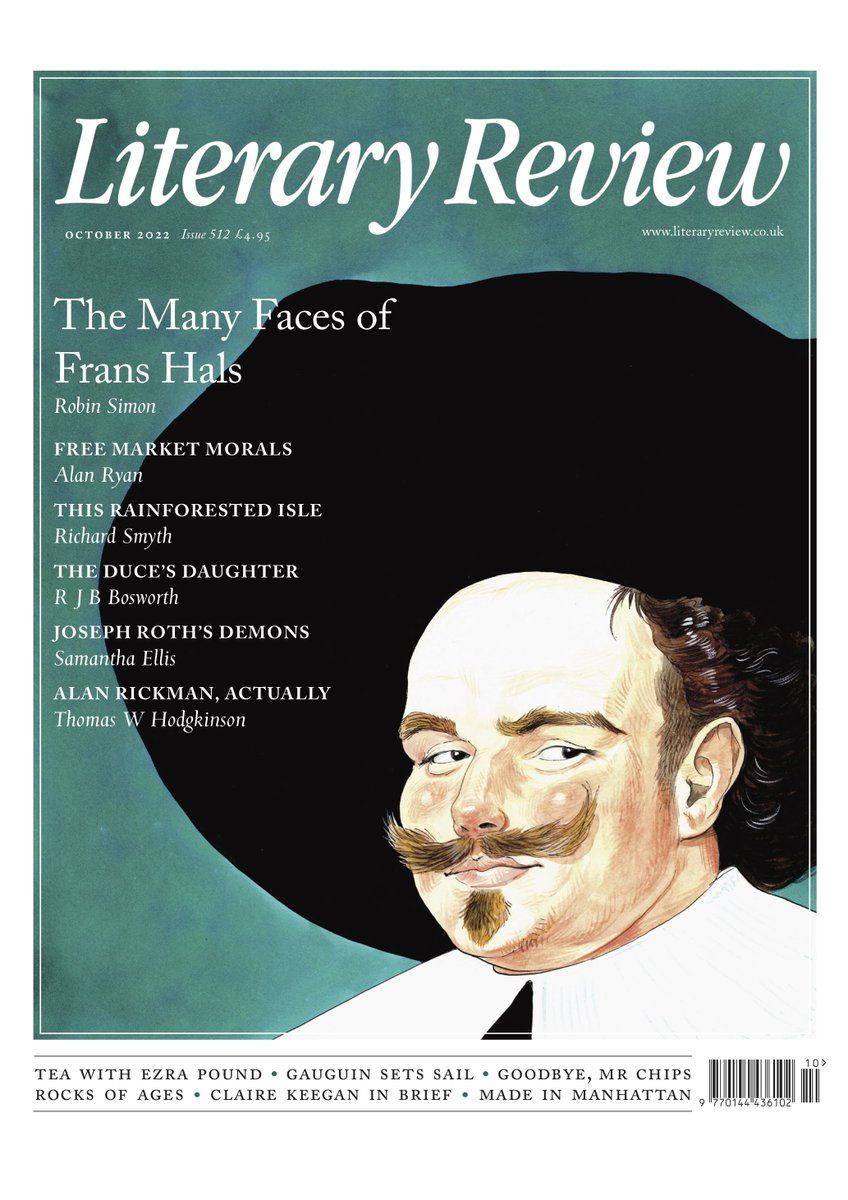
The capital according to… Howard Jacobson tells Harry McKinley about the perfect bagel Trees for life. On the 50th anniversary of the Woodland Trust, Clive Aslet visits the Devon home of its farsighted founder, Ken Watkins. Speaking truth to power, British politicians have been at the mercy of cartoonists for centuries, finds Charles Harris.
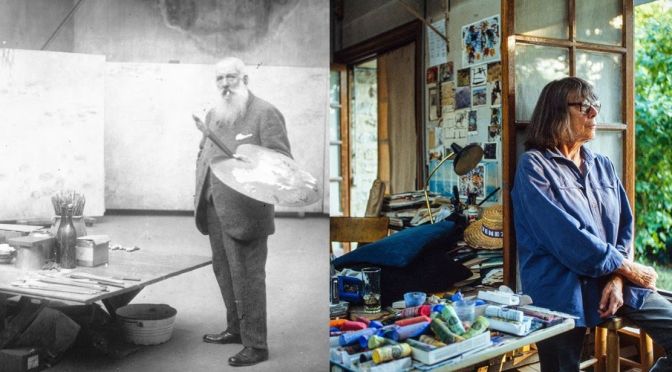
The exhibitions “Monet – Mitchell” create an unprecendented “dialogue” between the works of two exceptional artists, Claude Monet (1840-1926) and Joan Mitchell (1925-1992).
“The dialogue Claude Monet – Joan Mitchell” will be introduce by the “Joan Mitchell Retrospective”, enabling the public in France and Europe to discover her work.
The “Monet – Mitchell” exhibitions present each artist’s unique response to a shared landscape, which they illustrate in a particularly immersive and sensual manner. In his last paintings, the Water Lilies, Monet aimed to recreate in his studio the motifs he observed at length on the surface of his water lily pond in Giverny. Joan Mitchell, on the other hand, would explore a memory or a sense of the emotions she felt while in a particular place that was dear to her, perceptions that remained vivid beyond space and time. She would create these abstract compositions at La Tour, her studio in Vétheuil, a small French village.
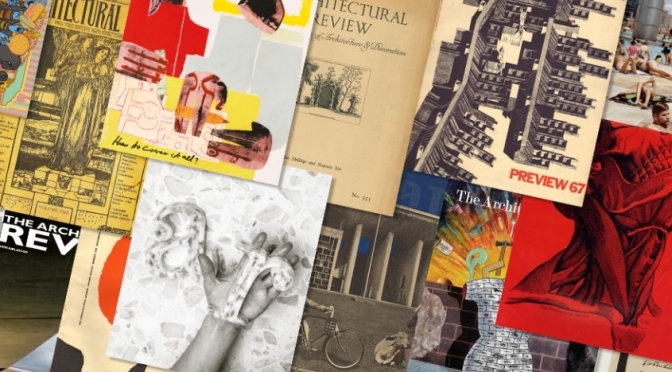
In the beginning, there was energy. Everything since then, has been an exercise in transforming energy from one state into another – food becomes labour, gas becomes electricity, fossil fuels become architecture.
In this month’s keynote essay, Barnabas Calder writes: ‘In the millennia before fossil fuels, the circular economy was the only economically viable way to operate’. Recognising that architecture is formed from the fuel we extract to create and sustain it could be a transformative way of thinking about our built environment.
This issue seeks to make visible the often obscured links between buildings and the energy sources they are built from, and around.
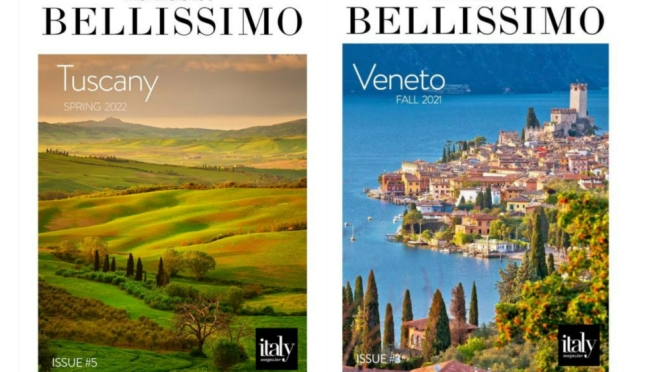
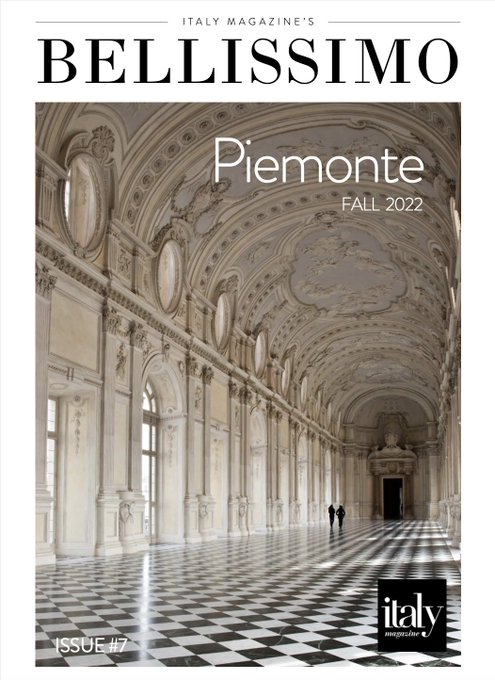
Italy’s second-largest region is also one of its best-kept secrets. Join us as we explore the northern region of Piemonte in the pages of the newly released fall issue of Bellissimo,









 Boomers Daily