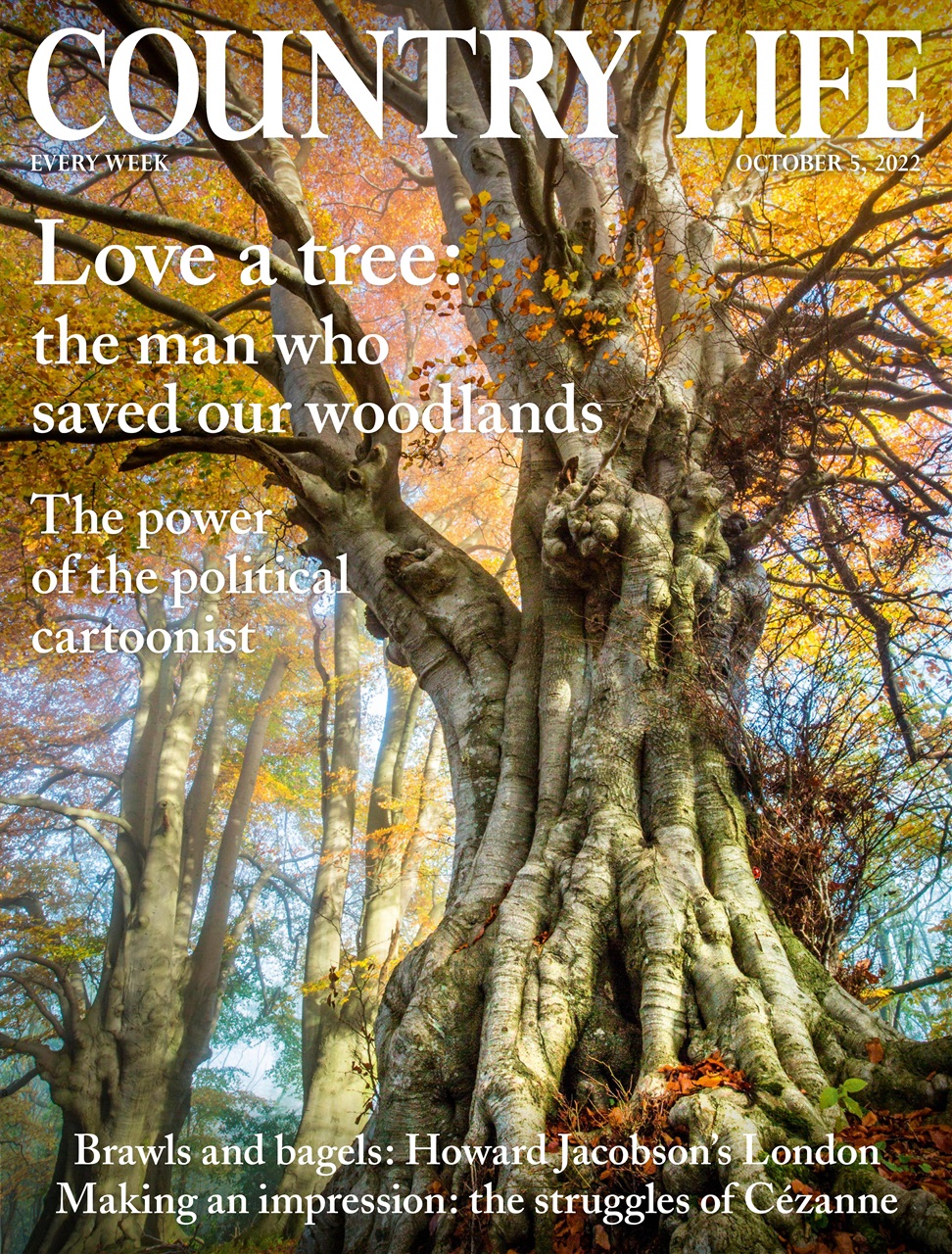
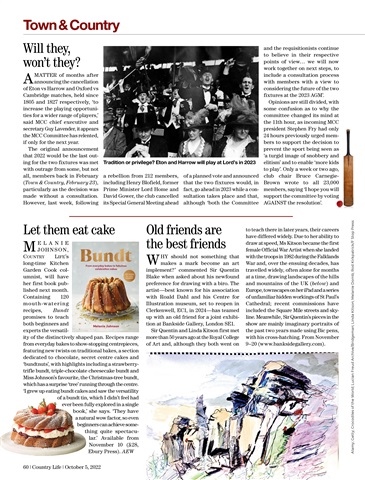
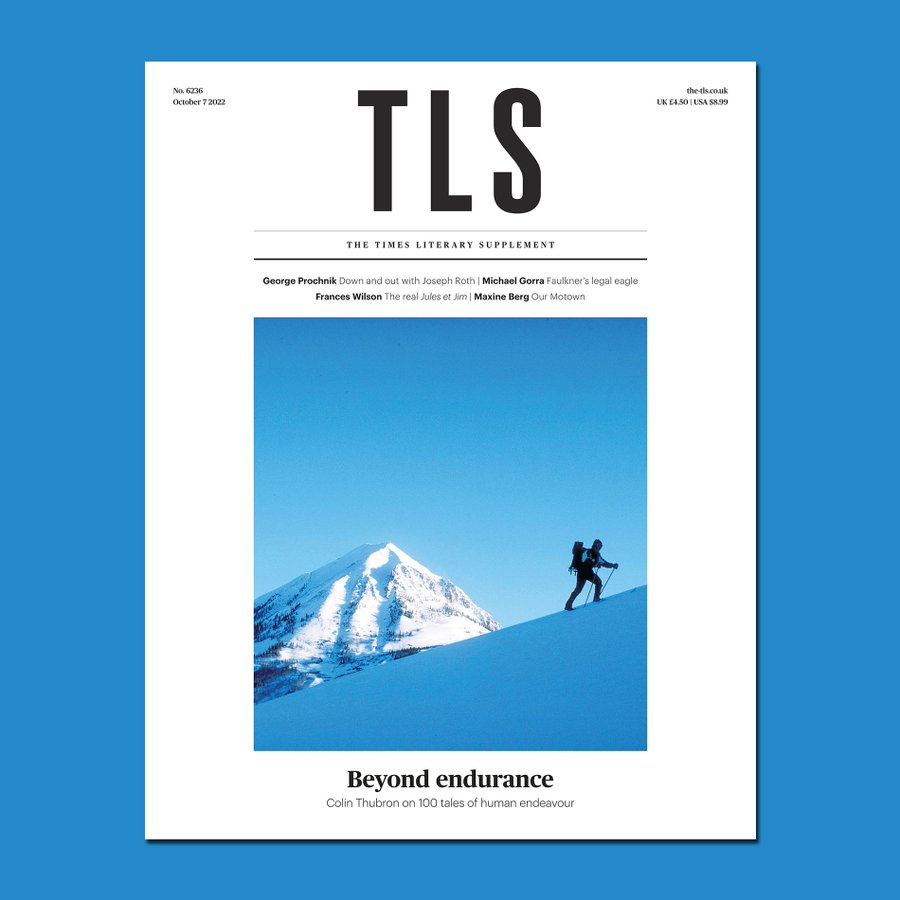
The capital according to… Howard Jacobson tells Harry McKinley about the perfect bagel Trees for life. On the 50th anniversary of the Woodland Trust, Clive Aslet visits the Devon home of its farsighted founder, Ken Watkins. Speaking truth to power, British politicians have been at the mercy of cartoonists for centuries, finds Charles Harris.
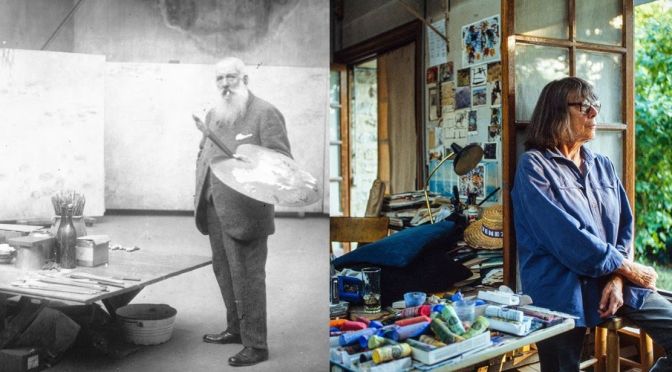
The exhibitions “Monet – Mitchell” create an unprecendented “dialogue” between the works of two exceptional artists, Claude Monet (1840-1926) and Joan Mitchell (1925-1992).
“The dialogue Claude Monet – Joan Mitchell” will be introduce by the “Joan Mitchell Retrospective”, enabling the public in France and Europe to discover her work.
The “Monet – Mitchell” exhibitions present each artist’s unique response to a shared landscape, which they illustrate in a particularly immersive and sensual manner. In his last paintings, the Water Lilies, Monet aimed to recreate in his studio the motifs he observed at length on the surface of his water lily pond in Giverny. Joan Mitchell, on the other hand, would explore a memory or a sense of the emotions she felt while in a particular place that was dear to her, perceptions that remained vivid beyond space and time. She would create these abstract compositions at La Tour, her studio in Vétheuil, a small French village.
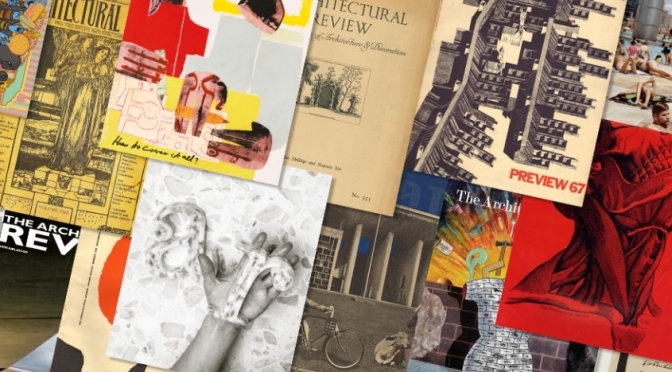
In the beginning, there was energy. Everything since then, has been an exercise in transforming energy from one state into another – food becomes labour, gas becomes electricity, fossil fuels become architecture.
In this month’s keynote essay, Barnabas Calder writes: ‘In the millennia before fossil fuels, the circular economy was the only economically viable way to operate’. Recognising that architecture is formed from the fuel we extract to create and sustain it could be a transformative way of thinking about our built environment.
This issue seeks to make visible the often obscured links between buildings and the energy sources they are built from, and around.
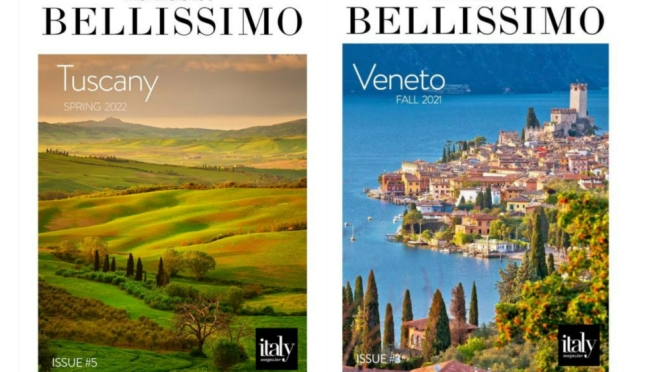
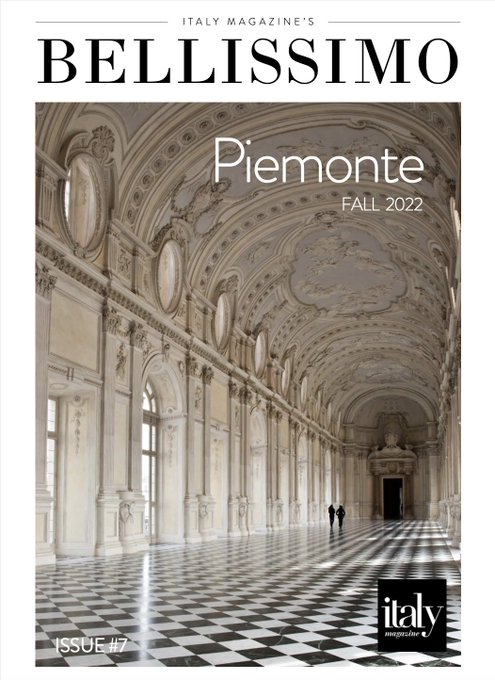
Italy’s second-largest region is also one of its best-kept secrets. Join us as we explore the northern region of Piemonte in the pages of the newly released fall issue of Bellissimo,
An artist and a sci-fi scholar share their esteem for novelist Octavia Butler, who extrapolated future worlds from troubled times.
HARD TRUTHS: MIC DROP by Chen & Lampert
Artist-curators Howie Chen and Andrew Lampert offer advice on karaoke and other forms of art world hobnobbing.
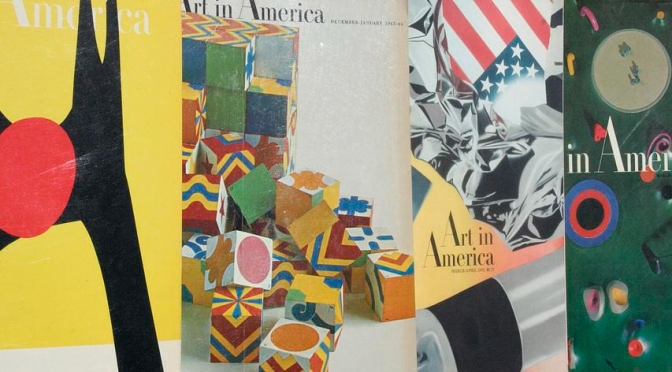
There have been very few issues of art magazines devoted to disability. There ought to be more. As Art in America associate editor Emily Watlington, who took the lead on this issue, writes in her essay “Our Work Is Working,” disabled artists have been crucial to progress in disability justice and the art world in general, whether through storytelling, empathy-building, or outright activism. These artists place disability where it belongs: at the heart of creativity itself.
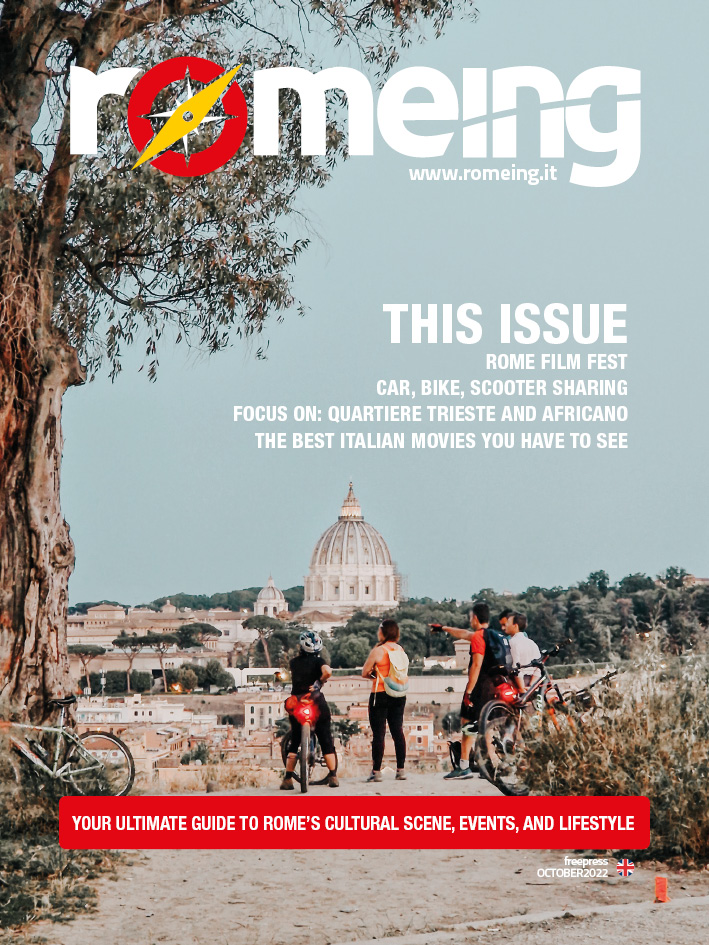
The 17th edition of Festa del Cinema, Rome’s annual famed film festival, kicks off on October 13 until October 23. The main event takes place at Auditorium Parco della Musica, adorned for the occasion with an infinite red carpet, but the Festa also spreads to other evocative locations in the capital, like MAXXI and Casa del Cinema.
According to some, all roads lead to Rome. But you may have noticed Rome’s roads are far from eternal (and in serious need of a revamp), reason to why romans often chuckle when they hear the phrase and comment on how the current state of the roads lead more like nowhere rather than Rome.
Civilians describe being snatched from their homes and sent away for ideological screening, prolonged detention, and, in some cases, starvation and torture. Is there a larger plan at work?






 Boomers Daily