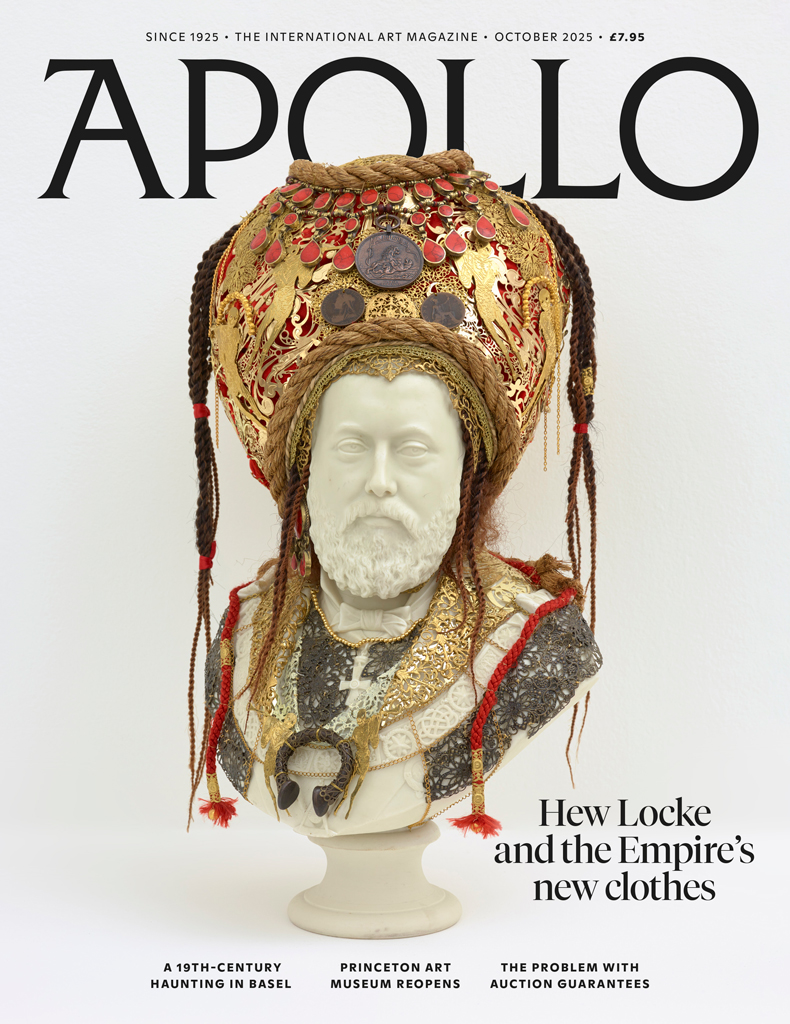
APOLLO MAGAZINE: The latest issue features Hew Locke and the Empire’s new clothes | Princeton University Art Museum reopens | William Hogarth’s bedside manner | the many faces of Nigerian modernism
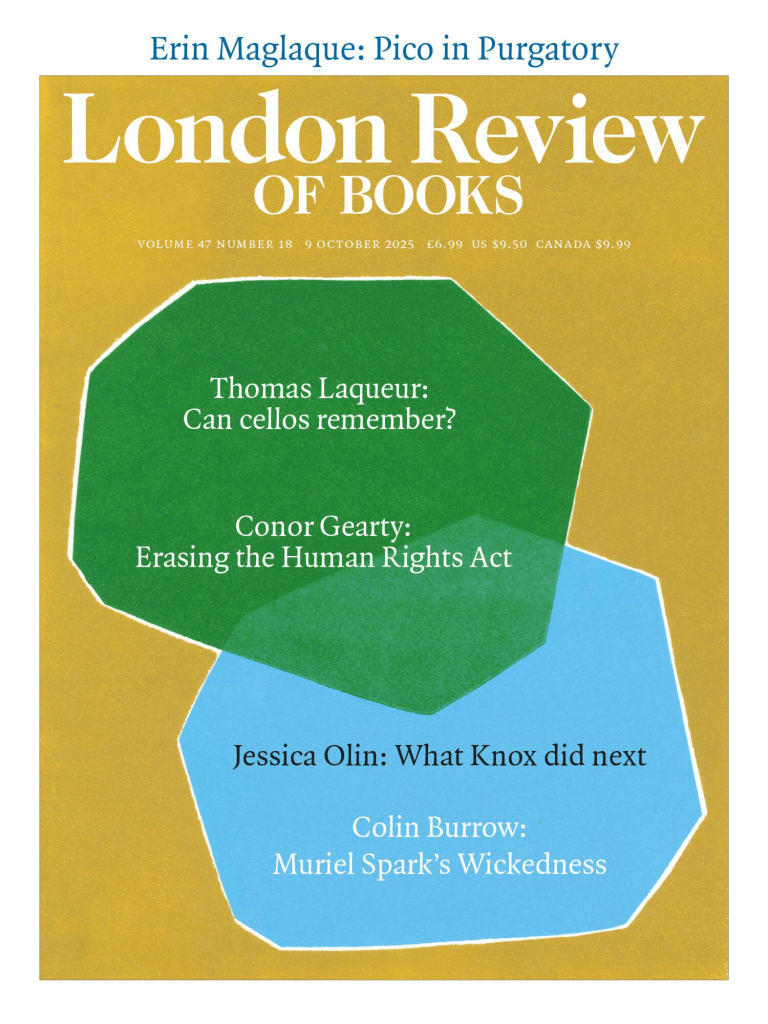
Pico’s Oration contravenes the very idea of human possibility that we think the Renaissance is about – yet we think of the Renaissance this way partly because of a centuries-long misreading of it. In which case, does Pico really belong to the Renaissance? Or is our whole idea of the Renaissance hopelessly flimsy, nothing but a collection of fantasies about what it means to be modern and human?
From Macmillan to Wilson to Heath to Thatcher to Major to Blair to Cameron, a succession of prime ministers persuaded themselves that their country was somehow different from the rest: it could pick and choose from the menu of European options in the way that suited it best. They were all mistaken.
For all the fluency and synthetic friendliness of public-facing AI chatbots like ChatGPT, it seems important to remember that existing iterations of AI can’t care. The chatbot doesn’t not care like a human not caring: it doesn’t care like a rock doesn’t care, or a glass of water. AI doesn’t want anything. But this is bound to change.
Hope lies not in expecting a late-in-life conversion experience in the Oval Office but in carrying out the ordinary work of civic life. By David Remnick
Tim Berners-Lee Invented the World Wide Web. Now He Wants to Save It
In 1989, Sir Tim revolutionized the online world. Today, in the era of misinformation, addictive algorithms, and extractive monopolies, he thinks he can do it again. By Julian Lucas
Carol Burnett Plays On
The ninety-two-year-old comedy legend has influenced generations of performers. In a string of recent TV roles, she has been co-starring with some of her closest comedic heirs. By Rachel Syme
Where the Battle Over Free Speech Is Leading Us
Doxing, deplatforming, defunding, persecuting, firing, and sometimes killing—all are part of an escalating war over words. What happens next? By Louis Menand
Now you see them, now you don’t: Roger Morgan-Grenville treads the ephemeral sea paths of Britain, those often-ancient routes at the mercy of the tides
A stitch in time
Deborah Nicholls-Lee unearths Mr Darcy’s shirt, Bertie Wooster’s dressing gown and Poldark’s tricorn hat in a fascinating trawl through the Cosprop wardrobes
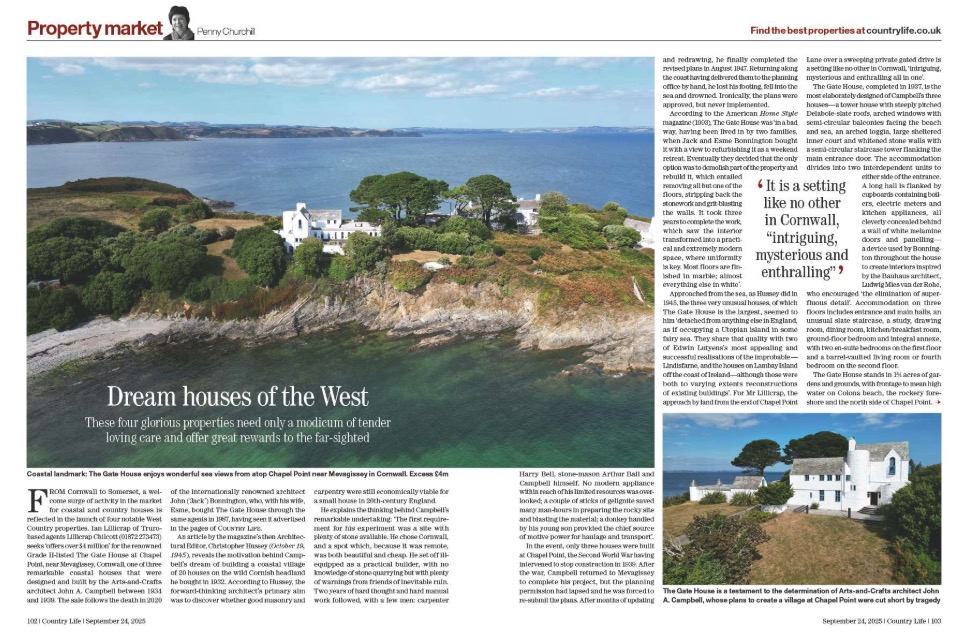
Property market
A quartet of significant West Country houses is seeking buyers, reports Penny Churchill
Properties of the week
A Devon longhouse, Cornwall cottage and Somerset thatch catch Arabella Youens’s eye
When your art is in the right place
To whom do the experts turn for the best in framing, restoring and valuing? Leading art and antique dealers open their little black books for Amelia Thorpe
Leslie MacLeod Miller’s favourite painting
The impresario picks a portrait of a 19th-century singing sensation
Country-house treasures
The fortunes of a Cumbrian castle rest with the ‘Luck of Muncaster’, finds John Goodall
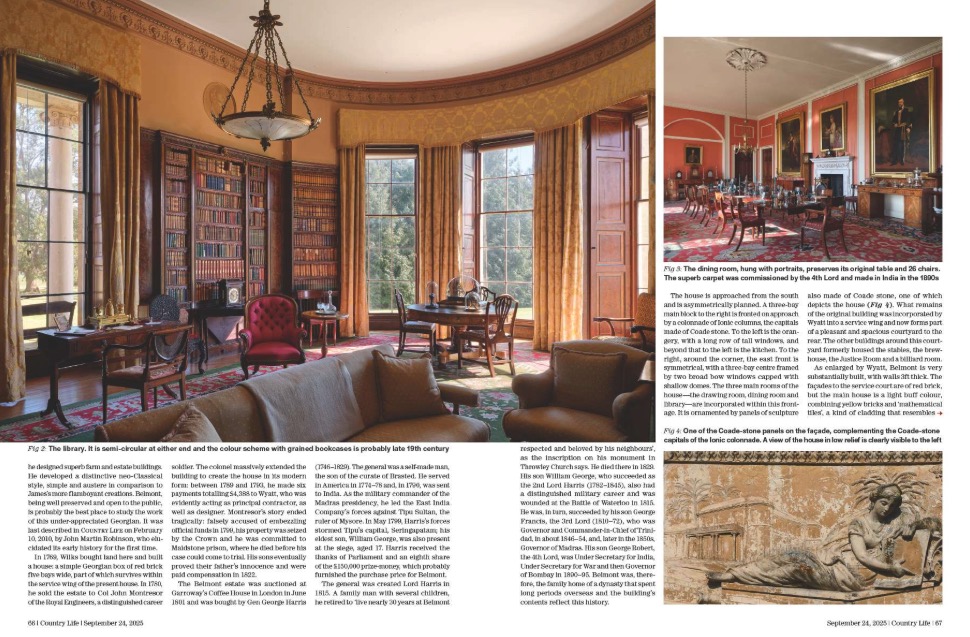
A Regency prospect
Steven Brindle looks at the remarkable story behind a fine Georgian creation — Samuel Wyatt’s Belmont House in Kent
The legacy
Emma Hughes toasts the genius of Dennis Potter, the man who gave us the darkly comic and gritty Singing Detective
Beginning to see the light
John Lewis-Stempel and his dogs are up with the skylark to witness the dawning of a spectacular September day
Luxury
Amie Elizabeth White on tartan, tweed, timepieces and fruity jewels, plus a few of Victoria Pendleton’s favourite things
Interiors
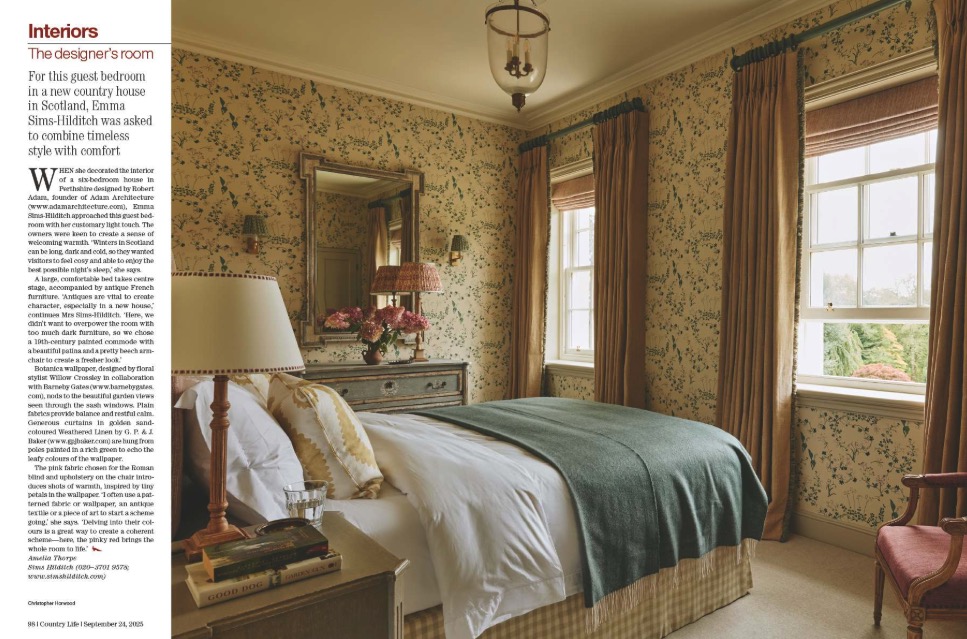
Amelia Thorpe admires the makeover of a guest bedroom at a Scottish country house and picks the best bedside tables
Plum advice
Charles Quest-Ritson shares his favourite forms of plum, gage, mirabelle and damson from the 20-plus varieties he has grown
Slightly foxed
Second-hand bookshops can be a goldmine of gardening wisdom, says John Hoyland
Scale model
David Profumo is transported back to childhood by the spiny, swashbuckling stickleback
Travel
Mark Hedges takes a break from reality on Bryher, a heather-clad haven in the Isles of Scilly
Arts & antiques
Art dealer John Martin tells Carla Passino why he can never part with a panel he stumbled upon by Nigerian sculptor Asiru Olatunde
















 Boomers Daily