Country Life’s architecture editor John Goodall looks at the architecture of the Tudor home.
In April 1521, Edward Stafford, 3rd Duke of Buckingham, was urgently summoned from his seat at Thornbury, Gloucestershire, to appear before Henry VIII. The Duke could reasonably claim by birth to be the outstanding nobleman of his generation, boasting descent from Edward III and—arguably—possessed of a better claim to the throne than the Tudors.
He played the role of a great nobleman with proud perfection, both at home and in such public events as Henry VIII’s meeting with Francis I of France on the Field of Cloth of Gold, where he jousted and appeared in costume of fabulous expense. His birth and magnificence, however, also made him vulnerable to Court intrigue.
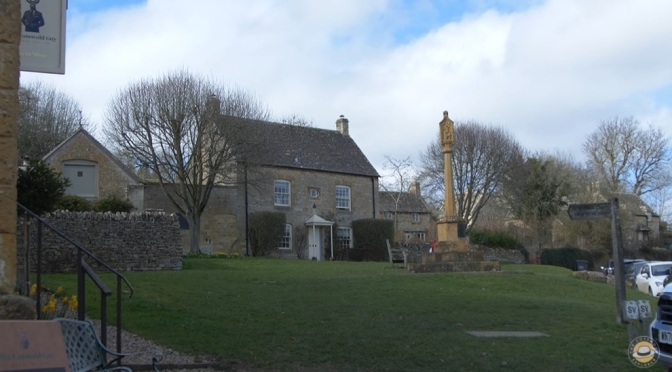
Guiting Power is one of the more famous hidden gems in the Cotswolds, nestling quietly in the English countryside.
The typical Cotswolds village of Guiting Power lies on a tributory of the river Windrush, its russet-coloured houses clustered round a sloping green. The buildings are restored by a self-help housing trust, initially set up for twelve cottages in 1934.
This delightful village is a fascinating example of the unconscious harmony created by Cotswold masons over the centuries. The cottages, shops and inns are all beautifully cared for. The Farmers Arms in the village and the Hollow Bottom Inn on the road leading to Winchcombe form welcome breaks on a number of glorious walks that can be taken in this area – north-westwards to Guiting Woods, south-eastwards down the Windrush Valley to Naunton, or south-westwards to Hawling.
In the 1740s the Scots were invading England and the wearing of tartan was banned. By the 1850s, Queen Victoria had built her Gothic fantasy in Aberdeenshire and tartan was everywhere. What happened in between?
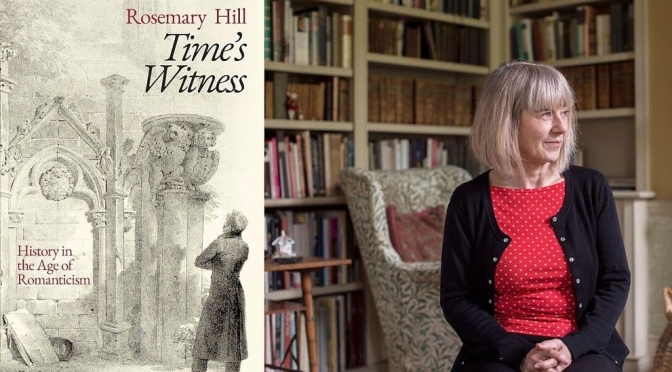
In the second episode of her series on Romantic history, Rosemary Hill talks to Colin Kidd about the myths and traditions of Scottish history created in the 19th century, and the central role of Walter Scott in forging his country’s identity.
In the first episode of a new four-part series looking at the way history was transformed in the Romantic period, Rosemary Hill is joined by Tom Stammers to consider how an argument over the ‘improvement’ of Salisbury Cathedral in 1789 launched a new attitude to the past and its artefacts. Those sentiments were echoed in revolutionary France, where antiquarians risked the guillotine to preserve the monuments of the Ancien Régime.
Palestine means a lot of different things to many people, and may not be the most obvious travel destination. It is often associated with conflict and political unrest, overlooking the fact that it’s also a beautiful and fascinating region, with a vibrant culture, incredible historic landmarks, spectacular natural scenery, inspiring religious sites, tasty food, and friendly, welcoming people.
On this journey, I’m traveling through the Holy Land, a region important to the three main monotheistic religions, and known today as Israel and Palestine. In this first episode, I’m exploring the West Bank, the largest and most accessible part of Palestine. From stunning natural scenery to intriguing historic sites. From the busy streets of Ramallah to the narrow alleyways of Nablus’ old city.
From religious landmarks in Hebron and Bethlehem to the ancient ruins of Jericho. Along the way, I meet some of the people that call this land home, and sample the local cuisine. I’ll do so from a traveler’s perspective, focusing on the positive stories and things to do. But here and there I also mention the conflict between Israel and Palestine, since it has impacted the lives of many people in the region. For those interested in the politics and modern history of the region, however, I recommend to read, watch, and listen to as many different sources as you can.
“One of the hopes of this exhibition was really to try to enlist visitors’ bodily experience in their understanding of these works of art that can sometimes seem a little bit like they live entirely in our heads, a little bit intellectualized.”
Although Nicolas Poussin is widely regarded as the most influential painter of the 17th century—the father of French classicism—he is not as well-known as many of his contemporaries, such as Rembrandt, Rubens, and Caravaggio. This is due, in part, to Poussin’s austere painting style and erudite subject matter, which often came from Roman history or the Bible. As a result, his work can sometimes feel a bit cold or remote to today’s audiences.
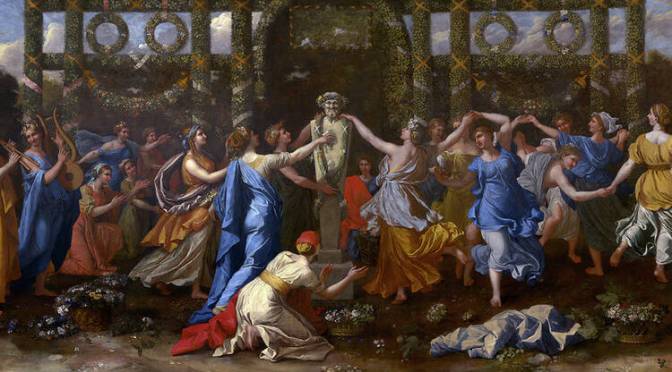
But earlier in his career, Poussin was inspired by dance. His paintings of wild revelry, filled with dancing satyrs and nymphs, emerged as his signature genre from that time. Poussin and the Dance, organized by the Getty Museum and the National Gallery in London, is the first exhibition to explore the theme of dance in Poussin’s work. By supplementing his delightful dancing pictures with new dance films by Los Angeles–based choreographers—this unique exhibition invites viewers into the world of Poussin in a fresh, relatable way.
In this episode, Emily Beeny, curator in charge of European paintings at the Fine Arts Museums of San Francisco and curator of Poussin and the Dance, joins Sarah Cooper, public programs specialist at the Getty, to delve into Poussin’s process and love of dance.
The exhibition, which received generous support from the Leonetti/O’Connell Family Foundation and is sponsored by City National Bank, is on view at the Getty Center through May 8, 2022.
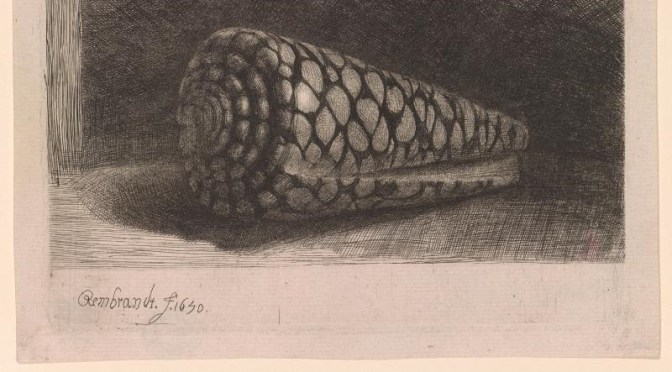
Take a closer look at three touching, humanist drawings by Rembrandt (1606 –1669) in the Morgan’s collection. John Pierpont Morgan loved Rembrandt. He owned 500 prints by Rembrandt, and in 1909 acquired his first drawings by the artist. Today, the Morgan has about 23 drawings in the collection by Rembrandt. A master of the European Baroque, Rembrandt’s paintings are often of grand themes. In his drawings, there is an intimacy and affection that has endeared him to generations of viewers. Listen to Colin B. Bailey, Director of the Morgan, as he shares his perspective on Rembrandt’s facility, creativity, and mastery.
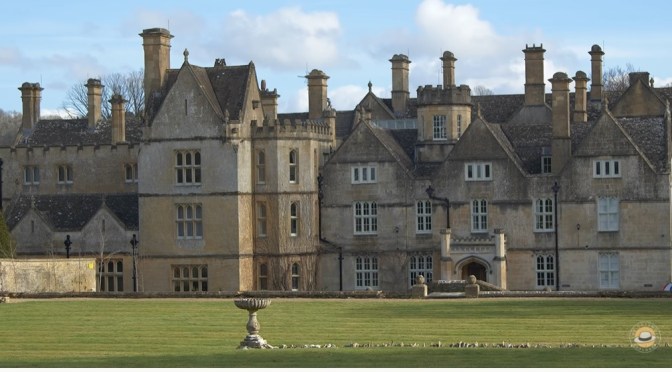
Several miles away from Winchcombe, the lovely village of Brockhampton, with country house Brockhampton Court nestles in the greenery. It’s another classic Cotswold hidden gem.
Brockhampton is a small village east of Cheltenham in Gloucestershire, England. It forms part of the parish of Sevenhampton. In the 2001 census the parish had 349 people living in 157 households. The source of the River Coln, a tributary of the Thames, is close to the village.
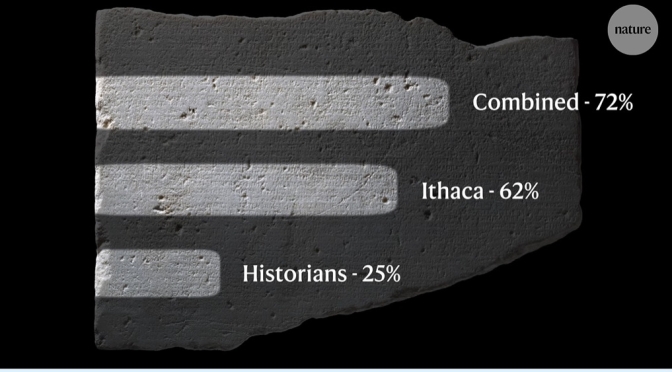
The origins of ancient inscriptions are often shrouded in mystery. Writing carved into stone millennia ago can be hard to read and is often missing entire sections of the text. Now a neural network, trained on thousands of existing inscriptions, could help historians figure out when and where a piece of writing comes from – as well as fill in missing words and characters.
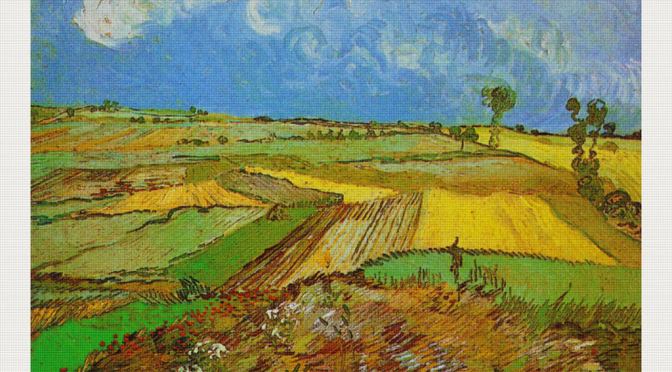
Wheat Fields after the Rain (The Plain of Auvers) – 1890
Wheat Fields is a series of dozens of paintings by Dutch Post-Impressionist artist Vincent van Gogh, borne out of his religious studies and sermons, connection to nature, appreciation of manual laborers and desire to provide a means of offering comfort to others. The wheat field works demonstrate his progression as an artist from the drab Wheat Sheaves made in 1885 in the Netherlands to the colorful and dramatic 1888–1890 paintings from Arles, Saint-Rémy and Auvers-sur-Oise in rural France.
News, Views and Reviews For The Intellectually Curious





 Boomers Daily