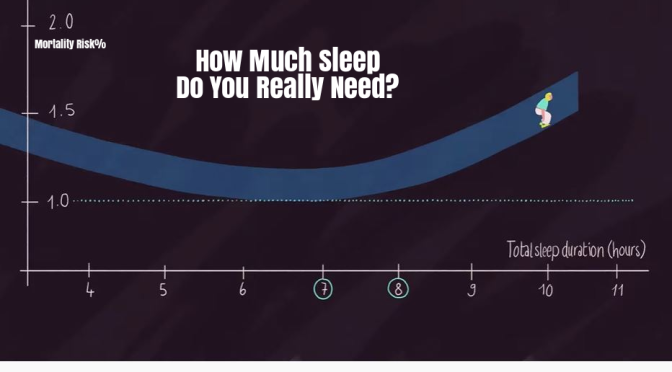
You know you need to get enough sleep, but the question remains: How much is enough? Sleep scientist Matt Walker tells us the recommended amount for adults and explains why it’s necessary for your long-term health. Sleeping with Science, a TED original series, uncovers the facts and secrets behind our nightly slumber. (Made possible with the support of Beautyrest)
As the 77th edition of the Venice Film Festival opens this Wednesday, life is slowly returning to normal in the northern Italian city, which was hard hit by the Covid-19 crisis. It’s the first time since the start of the pandemic that a major international festival is allowing the public to attend. This comes as good news for Venice, whose economy relies heavily on mass tourism, despite adverse effects on the environment and locals. Can La Serenissima steer away from this model and invent a new one? Our correspondents report.
According to a recent study, obesity increases the risk of dying of Covid-19 by nearly 50%. Governments around the world are now hoping to encourage their citizens to lose weight. But with so much complex and often contradictory diet advice, as well as endless food fads, it can be hard to know what healthy eating actually looks like.
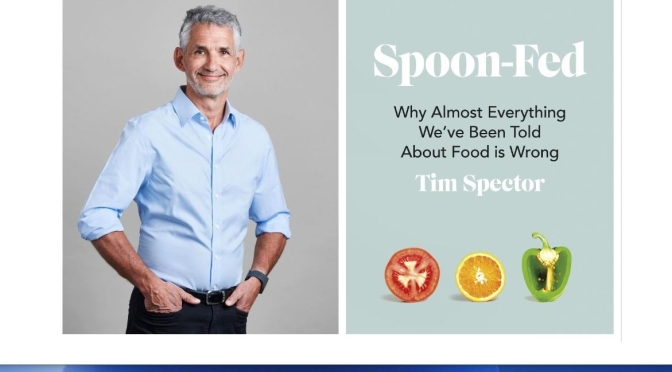
How many pieces of fruit and vegetables should you eat a day? Will cutting out carbs help you lose weight? Is breakfast really the most important meal of the day? Speaking to Tim Spector, professor of genetic epidemiology at King’s College London about his new book Spoon-Fed, Madeleine Finlay asks why we’re still getting food science wrong, and explores the current scientific evidence on snacking, supplements and calorie labels.
Tim Spector is a Professor of Genetic Epidemiology and Director of the TwinsUK Registry at Kings College, London and has recently been elected to the prestigious Fellowship of the Academy of Medical Sciences. He trained originally in rheumatology and epidemiology. In 1992 he moved into genetic epidemiology and founded the UK Twins Registry, of 13,000 twins, which is the richest collection of genotypic and phenotypic information worldwide. He is past President of the International Society of Twin Studies, directs the European Twin Registry Consortium (Discotwin) and collaborates with over 120 centres worldwide. He has demonstrated the genetic basis of a wide range of common complex traits, many previously thought to be mainly due to ageing and environment. Through genetic association studies (GWAS), his group have found over 500 novel gene loci in over 50 disease areas. He has published over 800 research articles and is ranked as being in the top 1% of the world’s most cited scientists by Thomson-Reuters. He held a prestigious European Research Council senior investigator award in epigenetics and is a NIHR Senior Investigator. His current work focuses on omics and the microbiome and directs the crowdfunded British Gut microbiome project. Together with an international team of leading scientists including researchers from King’s College London, Massachusetts General Hospital, Tufts University, Stanford University and nutritional science company ZOE he is conducting the largest scientific nutrition research project, showing that individual responses to the same foods are unique, even between identical twins. You can find more on https://joinzoe.com/ He is a prolific writer with several popular science books and a regular blog, focusing on genetics, epigenetics and most recently microbiome and diet (The Diet Myth). He is in demand as a public speaker and features regularly in the media.
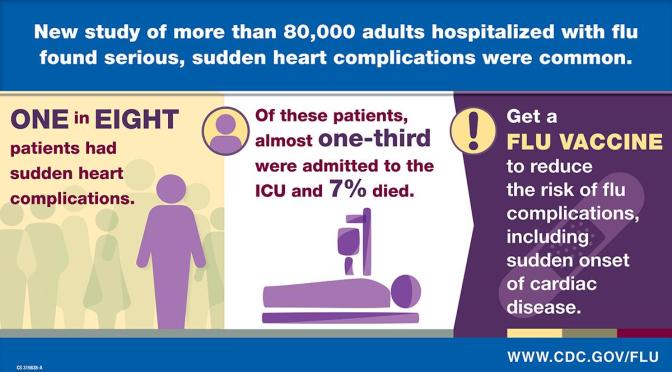
CENTERS FOR DISEASE CONTROL & PREVENTION (August 25, 2020) – A CDC study published today that looked at more than 80,000 U.S. adults hospitalized with flu over eight flu seasons (2010-11 through 2017-18) found that sudden, serious heart complications were common and occurred in one out of every eight patients (~12% of patients).
The study looked at a range of sudden heart complications called “acute cardiac events” that resulted in the following:
damage to the heart muscle,
inflammation of the heart muscle,
fluid or inflammation of the sac surrounding the heart, or
weakening of the pumping function of the heart.
The most common acute cardiac events reported in the study were acute heart failure and acute ischemic heart disease. Acute heart failure is the sudden inability of the heart to pump enough blood to meet the body’s demands, while acute ischemic heart disease is a term that describes heart problems caused by narrowed or blocked heart arteries.
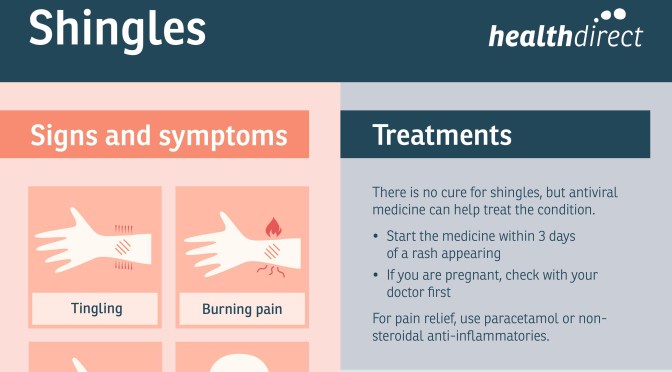
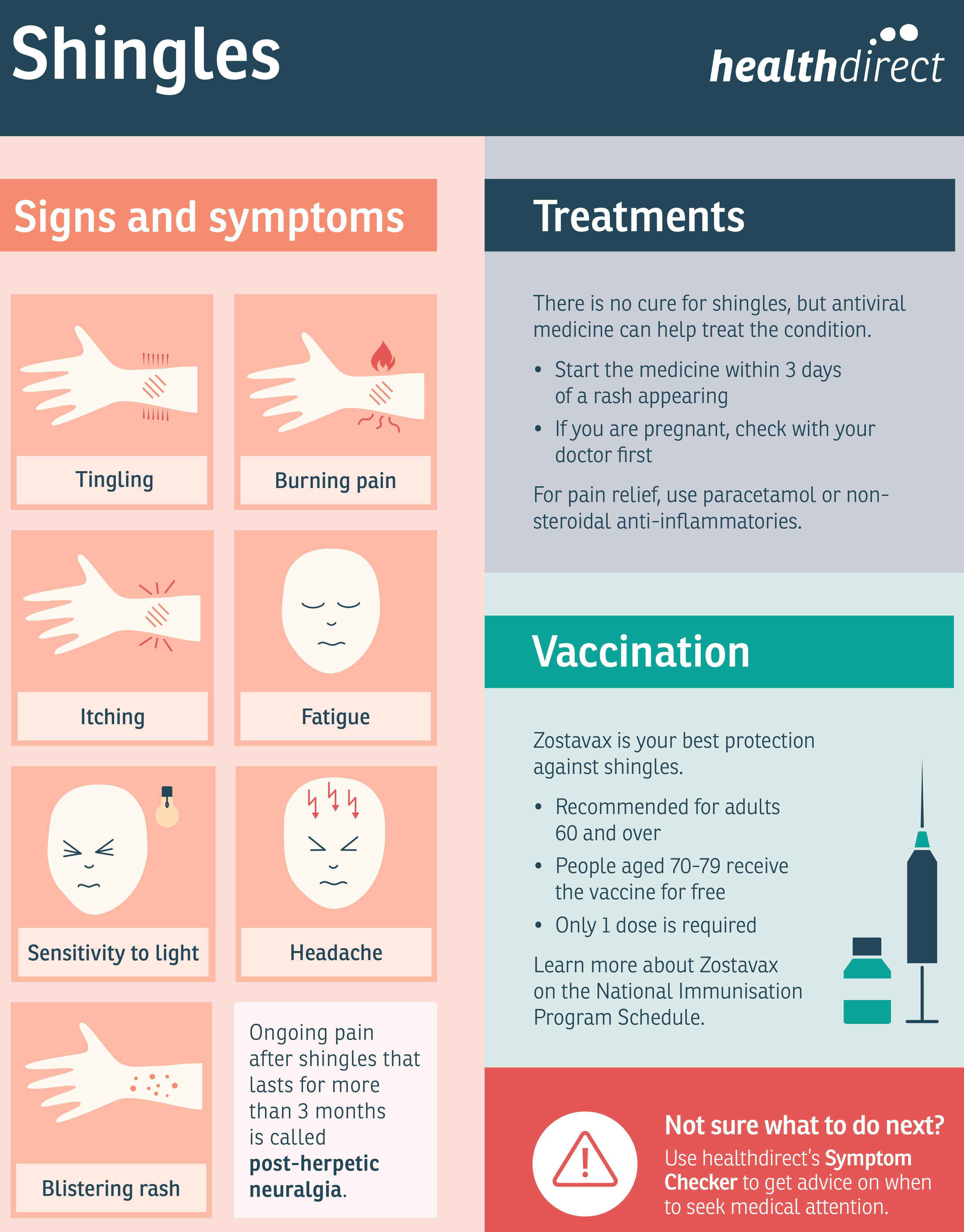
A reactivation of the chickenpox virus in the body, causing a painful rash. Anyone who’s had chickenpox may develop shingles. It isn’t known what reactivates the virus.Shingles causes a painful rash that may appear as a stripe of blisters on the trunk of the body. Pain can persist even after the rash is gone (this is called postherpetic neuralgia).Treatments include pain relief and antiviral medications such as acyclovir or valacyclovir. A chickenpox vaccine in childhood or a shingles vaccine as an adult can minimize the risk of developing shingles.
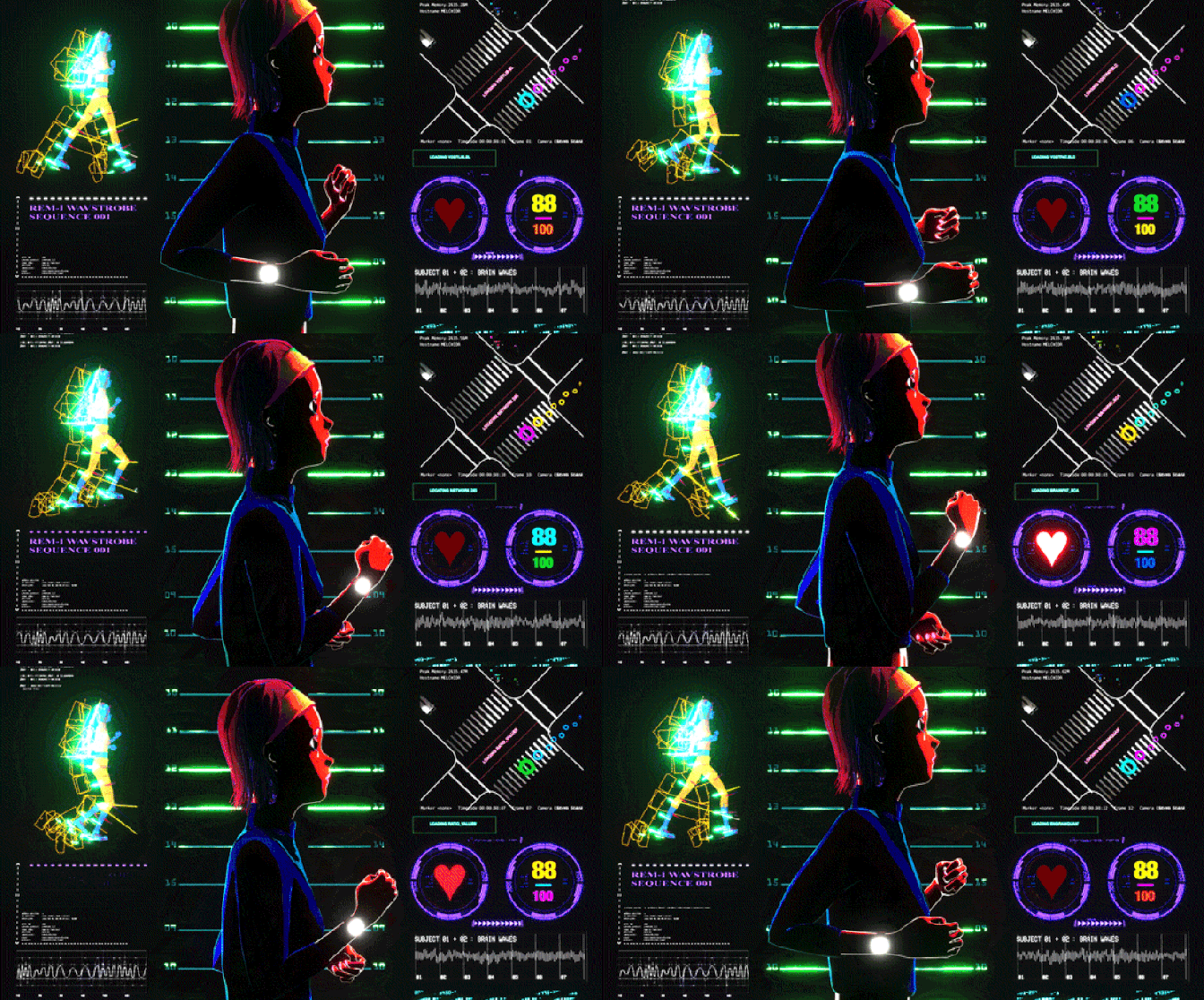
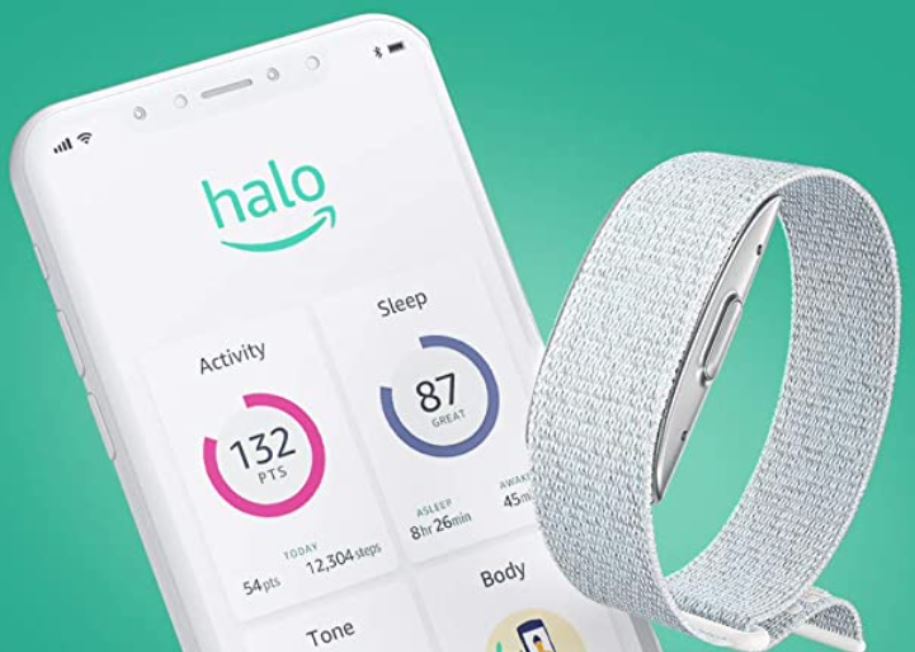
The principle behind these technologies is that collecting more data will help make us healthier. The message from experts I spoke with is that there’s potential in that idea, but it hasn’t been fulfilled yet.
NEW YORK TIMES (August 28, 2020): One big limitation of health devices, though, is that many people don’t know what to do with the data they see about their heart rate or how many hours they slept.
“We’re not doing a very good job of educating people what to do with that information. That’s the piece that’s missing,” said John Jakicic, the director of the Healthy Lifestyle Institute at the University of Pittsburgh. (Side note: For some people, having data on their sleep might actually be counterproductive.)









 Boomers Daily