
The Economist (May 18, 2023) – The financial revolution once promised by cryptocurrencies has been knocked off course by regulators and allegations of fraud. So what does the future hold for crypto?
Video timeline: 00:00 – The crypto party is over 01:06 – The history 03:30 – What is crypto? 04:38 – Uses around the world 06:07 – Layer 2 solutions 07:12 – Web3 08:51 – Data and privacy 10:04 – What is the future of crypto?
CNBC (May 13, 2023) – Public transit can be extremely valuable for a city’s economy – in New York City 85% of the people who travel into the business district below 61st Street take some form of public transportation.
Chapters: 00:00 — Introduction 01:39 — Second Avenue Subway 06:45 — A national problem 08:37 — Subway costs 15:31 — Solutions
In several major cities – New York, Boston, Washington, D.C., and San Francisco – the subway and other rapid rail systems are key contributors to the prosperity of the city. In NYC for example, more than $37 billion of the Metropolitan Transportation Authority’s $54 billion budget goes to subways. But building subways in the U.S. is very expensive.
In fact, it’s the sixth most expensive country to build rail transit in the world. And even that is likely an understatement. High labor costs, overbuilt tracks and stations, and onerous regulations all jack up costs. NYC’s sheer population density makes it rather worth it – so many people ride the subway that the cost per rider is comparable to many European cities where total expenditures are substantially lower.
However, the high costs hurt the case for public transit in less dense areas of the country. Lowering those costs could go a long way toward building affordable and accessible public transit for smaller cities around the country and reducing traffic congestion, pollution and traffic accidents.
The Economist (May 11, 2023) – As America’s government hits the debt ceiling, US politics has become a multi-trillion dollar game of chicken. If neither side backs down, America could default on its debts for the first time in history, sparking global economic turmoil. What is the debt ceiling, and how can this crisis be resolved?
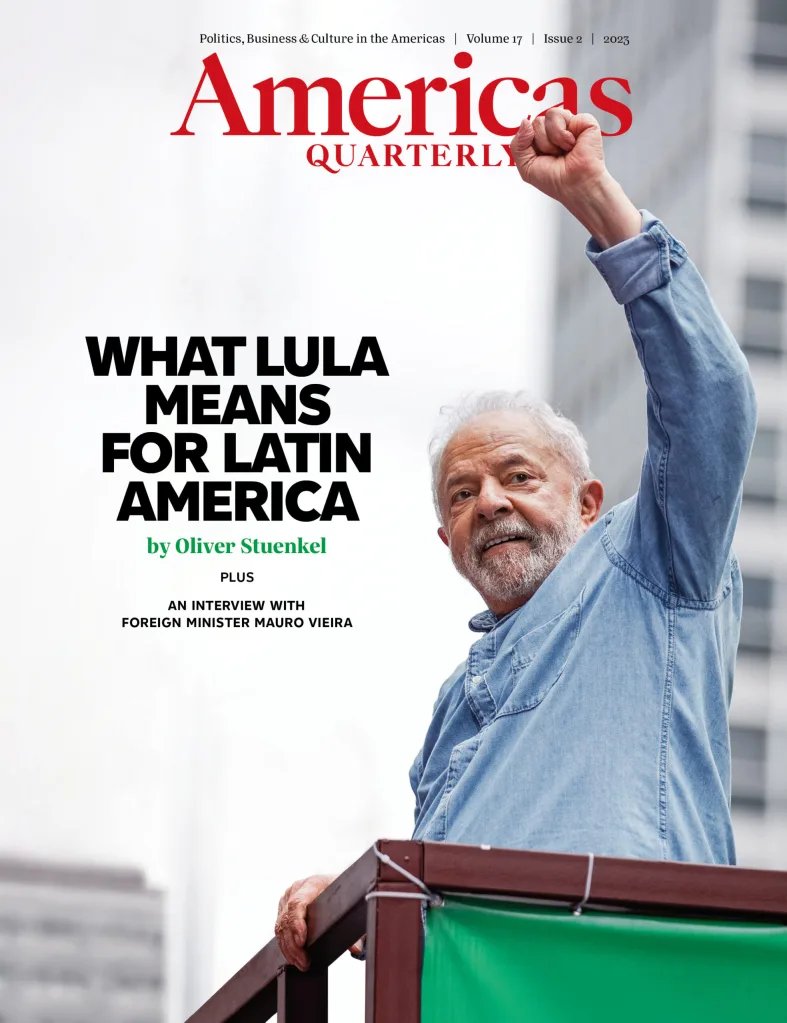
Americas Quarterly (Spring 2023) – Love him or not, the return of Luiz Inácio Lula da Silva is a watershed moment not just for Brazil, but Latin America as a whole. The 77-year-old is “the region’s only diplomatic heavy hitter and the most globally visible Latin American leader of his generation,” writes Oliver Stuenkel in this issue’s cover story.
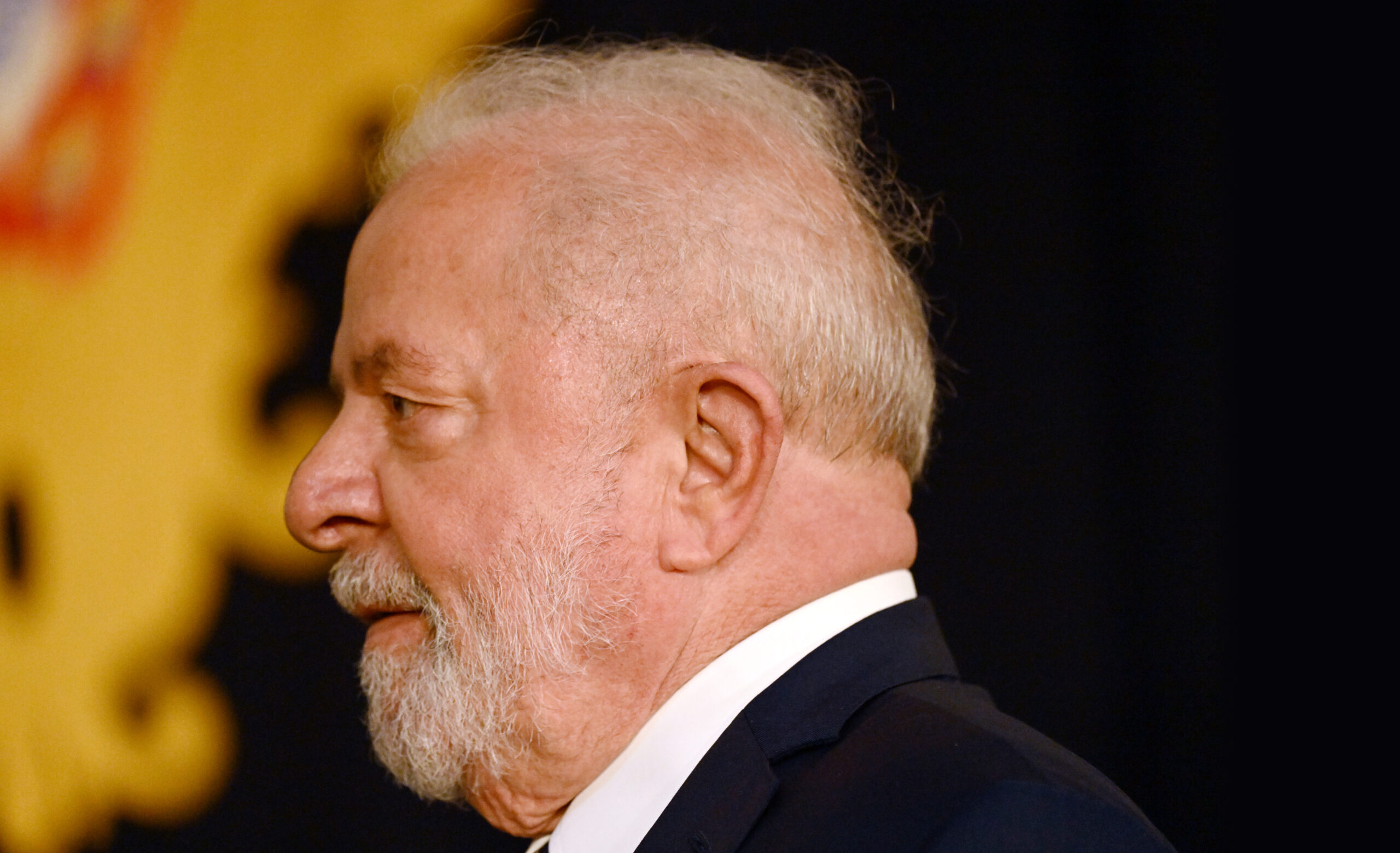
Brazil’s President Luiz Inácio Lula da Silva during a visit to Portugal in April.
A diplomatic heavy hitter is back at the helm of Latin America’s largest country—but the path to an influential international role is full of obstacles.
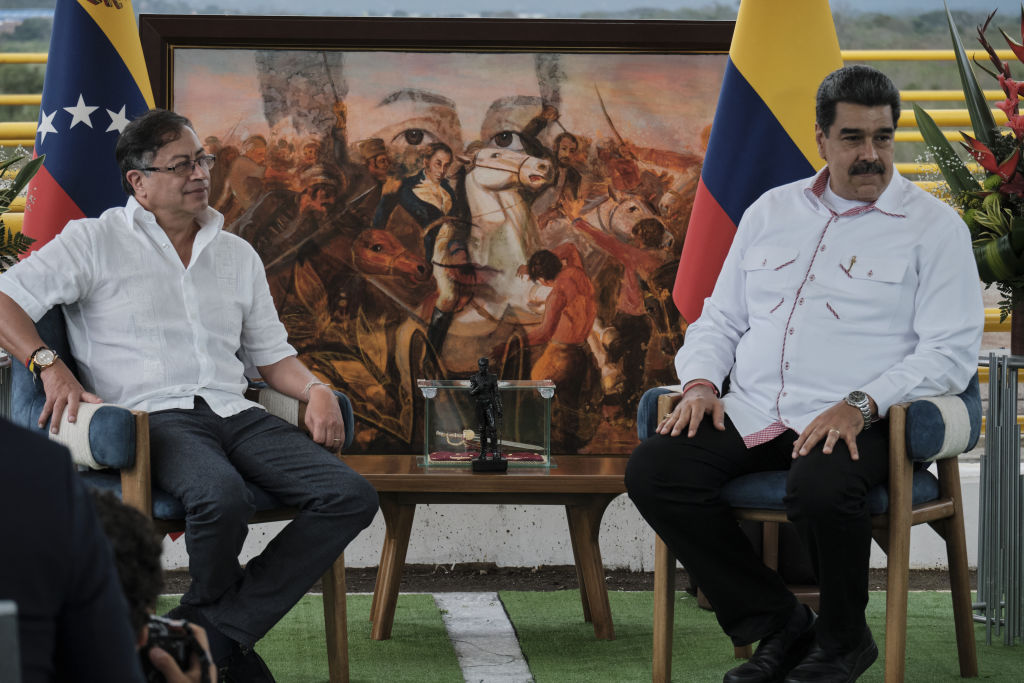
AQ tracks priorities in external relations, including positions on Venezuela and China, in eight countries.
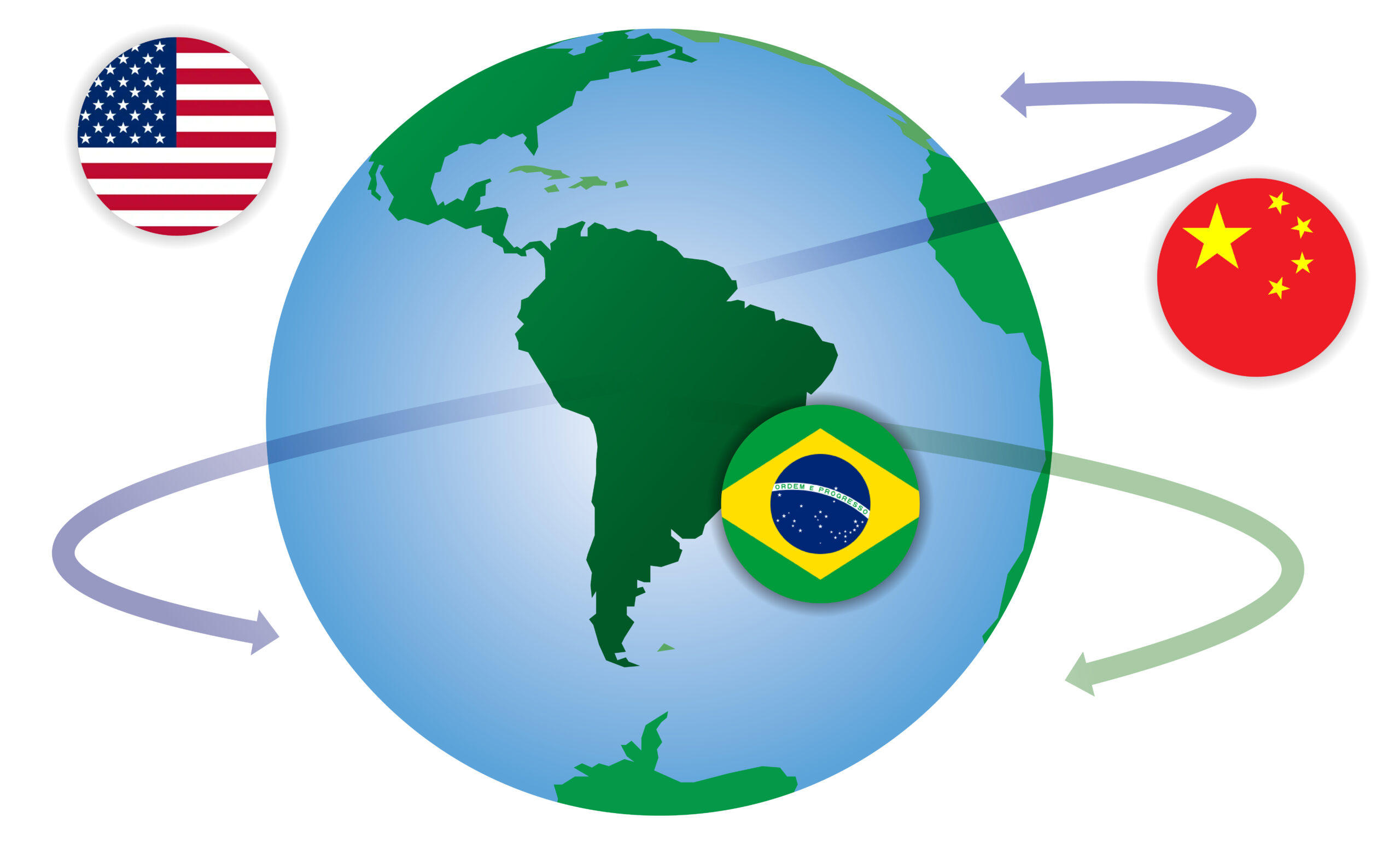
Amid growing tensions between the world’s largest superpowers, much of Latin America has taken an independent approach to foreign relations. Countries are increasingly following a path that Chilean scholars Carlos Fortin, Jorge Heine and Carlos Ominami titled the “active non-alignment option.” Regional integration is a top concern for some leaders, while others are seeking engagement far beyond the Western Hemisphere. Meanwhile, policy choices have to contend with domestic infrastructure challenges and a global concern with the impacts of climate change.
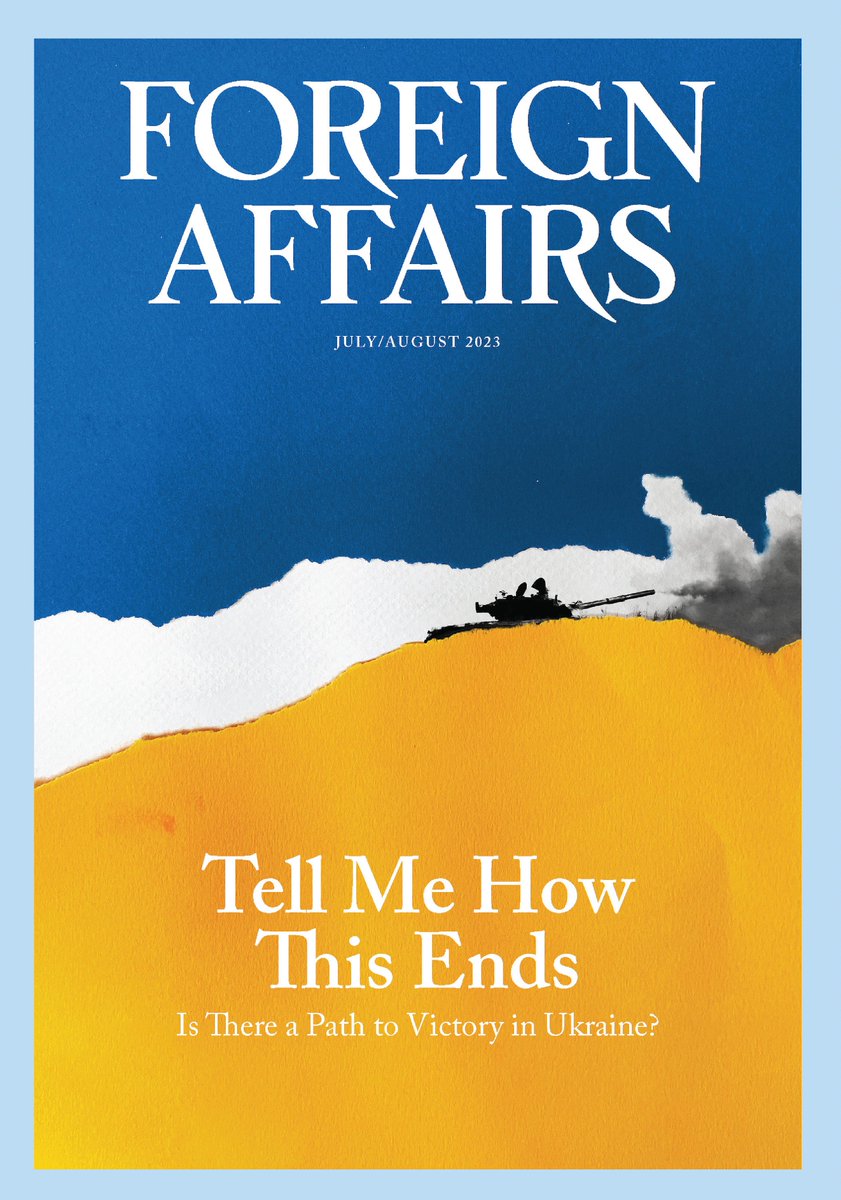
As countries in the global South refuse to take a side in the war in Ukraine, many in the West are struggling to understand why. Some speculate that these countries have opted for neutrality out of economic interest. Others see ideological alignments with Moscow and Beijing behind their unwillingness to take a stand—or even a lack of morals. But the behavior of large developing countries can be explained by something much simpler: the desire to avoid being trampled in a brawl among China, Russia, and the United States.
For China, Russia, and the West, the last year has been one of fear and conflict. Russia’s invasion of Ukraine has killed tens of thousands, perhaps even hundreds of thousands, of people. It has prompted the United States and Europe to rearm and has pushed Moscow and Washington back into Cold War–style competition.
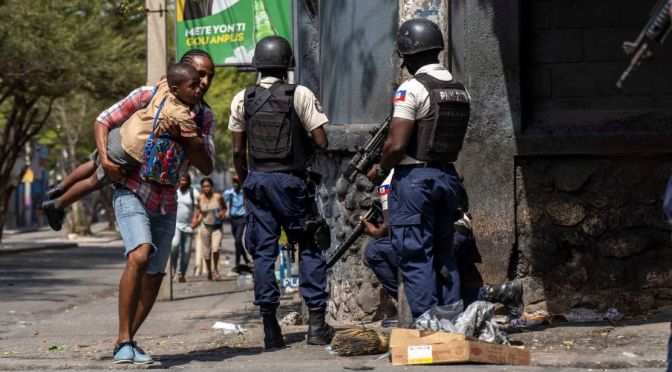
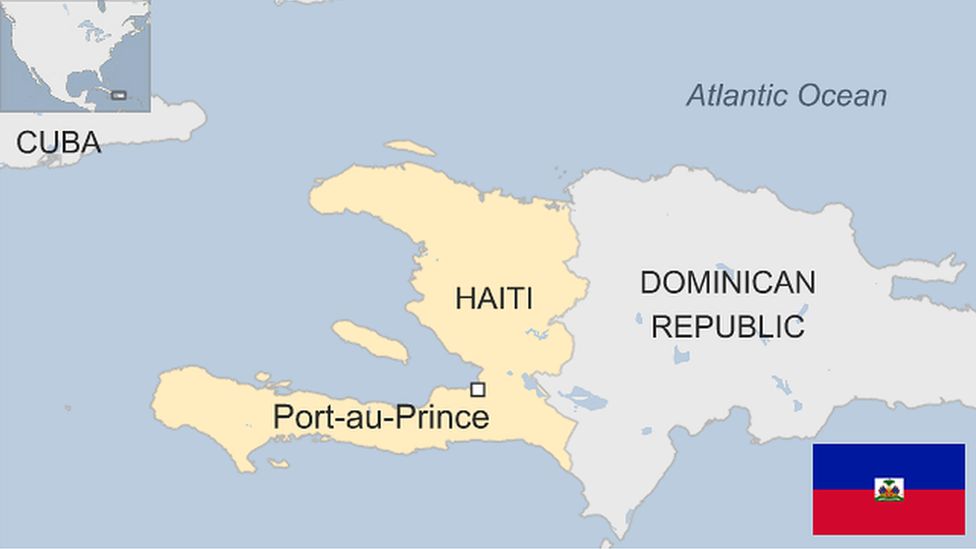
FRANCE 24 (April 5, 2023) – The security situation in Haiti has spiralled out of control since the shock assassination of President Jovenel Moise in July 2021, with the country increasingly beset by violence. Today, unrest has reached such levels that the United Nations is being urged to intervene and there has been a total breakdown of governance.
The country is increasingly at the mercy of criminal gangs and half of the population struggles to find food. FRANCE 24’s team travelled to Port-au-Prince, the Haitian capital, before gangs took full control of the city. They met a writer, a street vendor and a food importer, as well as residents trying to flee abroad.
Haiti is a Caribbean country that shares the island of Hispaniola with the Dominican Republic to its east. Though it’s still recovering from a 2010 earthquake, many of Haiti’s landmarks dating to the early 19th century remain intact. These include Citadelle la Ferrière, a mountaintop fortress, and the nearby ruins of Sans-Souci Palace, the baroque former royal home of King Henry I.
National Geographic(March 23, 2023) – Join Mariana van Zeller as she examines the role that oil plays in the operations of some of the world’s most powerful terrorist organizations.