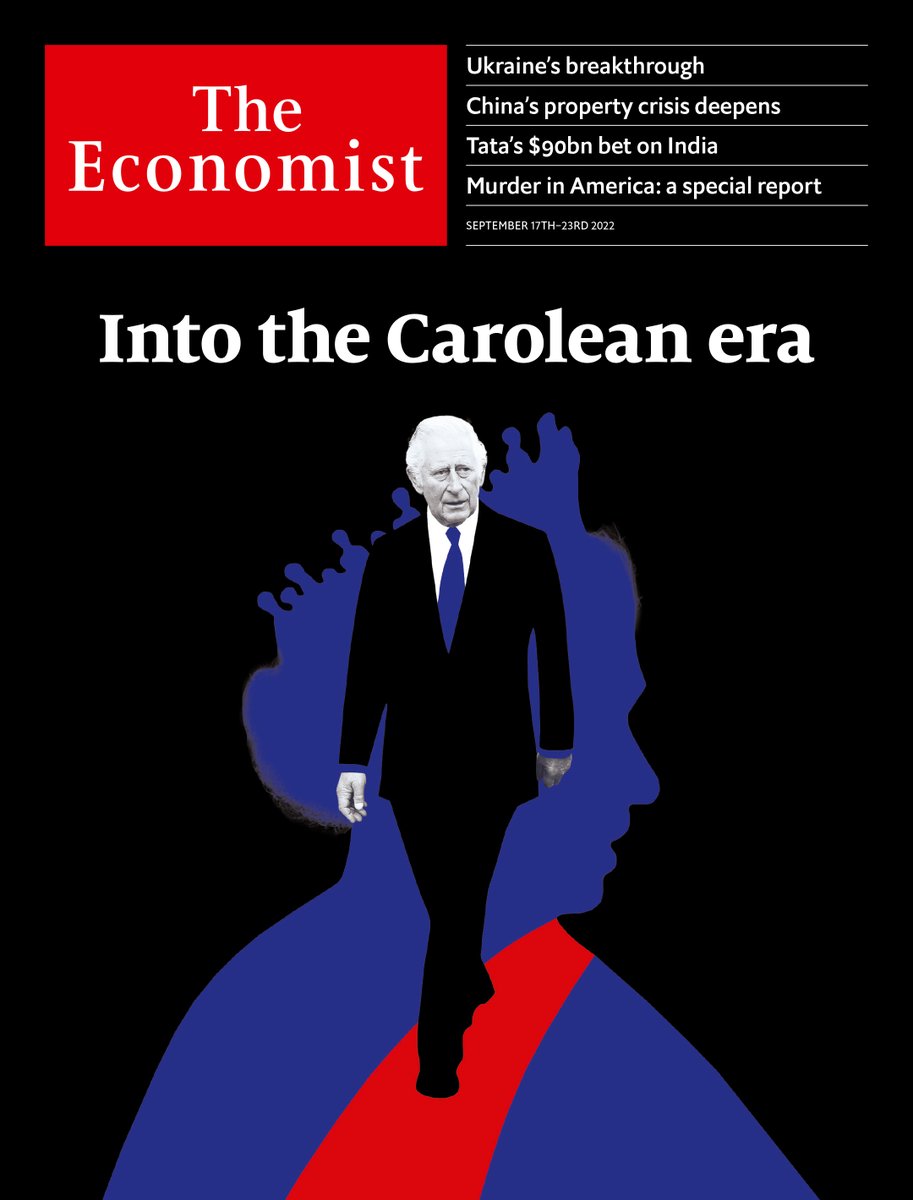
Why the monarchy matters
The monarchy is an anachronism, yet it thrived under Elizabeth II. That holds lessons for her successor and for democracies elsewhere

The monarchy is an anachronism, yet it thrived under Elizabeth II. That holds lessons for her successor and for democracies elsewhere
The World Economic Forum ‘Stories of the Week include:
0:18 Pakistan’s Flooding – Due to flash floods triggered by a ‘monster monsoon’, more than 1,100 people have died in Pakistan 01:30 First smartphone made in the Ivory Coast – The Open G smartphone went on sale in July 2022 in the Ivory Coast and has sold several thousand units 02:41 Brazil is building the world’s biggest urban garden – The garden is a collaboration between the City of Rio de Janeiro and the favelas – or informal settlements – that surround it 04:09 Drinking Black Tea could help you live longer – People who drink 2 or more cups of black tea a day are 9-13% less likely to die from any cause, according to a study by the US National Institutes of Health.

The new prime minister must eschew pantomime radicalism if she is to succeed. The sceptics have many reasons to be dubious—yet underestimating Liz Truss is a mistake her opponents have already made to their cost.
CNBC Marathon reviews why a cost-of-living crisis is unfolding across America’s housing infrastructure. CNBC explores what that means for apartments in the cities and houses in the suburbs. Inflation data shows that costs for items such as rent and groceries are increasing quickly across the Sun Belt and coastal cities.
Chapters: 00:00 Introduction 00:39 How to make the suburbs more affordable (Published April. 2022) 13:22 How suburban sprawl shapes the U.S. economy (Published Feb. 2022) 26:34 Are major cities still worth it? (Published May 2022)
Now years removed from the darkest days of the pandemic, people are asking: Is a return to the city worth it? Metropolitan regions have sprawled in recent years, raising budget concerns and quality-of-life issues for the people who remain downtown. Meanwhile the absence of commuters is slowing the recovery in leisure and hospitality. About 46% of renters in the U.S. are struggling to make ends meet, according to Harvard University researchers.
Builders say conditions for renters will get worse before they get better. A snarled supply chain, a labor shortage, and rising interest rates are worsening what some call a “throwaway” development pattern. Several real estate industry experts have ideas about how to make housing more attainable. Some of the most popular ideas include mixed-use districts and master-planned communities.
America’s suburbs are sprawling again. Over the 20th century, real estate developers built large tracts of single-family homes outside of major cities. The builders were following mortgage underwriting standards first introduced by the Federal Housing Administration in the 1930s. Over the century, those guidelines created housing market conditions that explicitly shut out many minorities. Experts say it is possible to update these old building codes to create equity while fixing some, but not all of the problems of American suburbia. CNBC Marathon brings together the best of CNBC’s coverage on the U.S. housing crisis and how life in the suburbs impacts city living.
This week’s top stories of the week include: 0:16 This teenager’s invention could change the world of electric cars 02:59 France is paying it’s drivers to get on their bikes 04:22 The psychological phenomenon that is hampering our response to climate change 05:33 Paris’s Riverside Booksellers are thriving once more
The World Economic Forum is the International Organization for Public-Private Cooperation. The Forum engages the foremost political, business, cultural and other leaders of society to shape global, regional and industry agendas. We believe that progress happens by bringing together people from all walks of life who have the drive and the influence to make positive change.
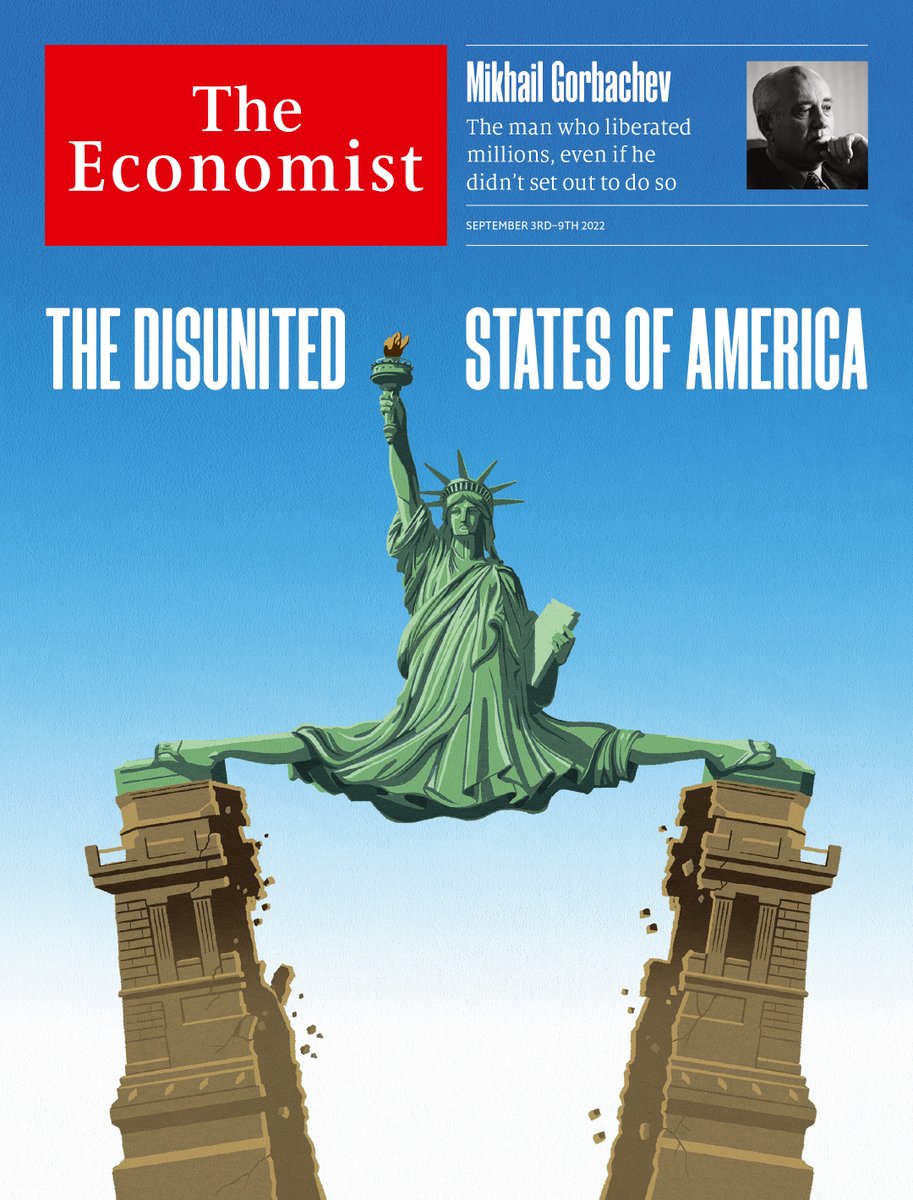
Two states, two very different states of mind. On August 25th California banned the sale of petrol-powered cars from 2035, a move that will reshape the car industry, reduce carbon emissions and strain the state’s electricity grid. On the same day in Texas a “trigger” law banned abortion from the moment of conception, without exceptions for rape or incest. Those who perform abortions face up to 99 years in prison.
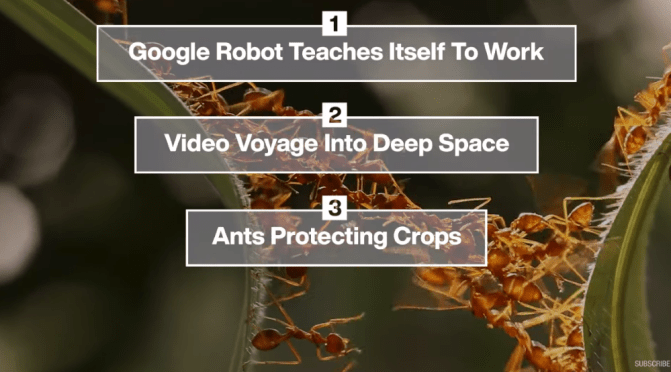
World Economic Forum top stories of the week for August 26, 2022 include: 0.15 Google’s Robot has thought itself how to follow your command 02.12 Video Voyage into Deep Space 03:22 Ants do a better job at protecting crops than pesticides 04:52 Drought has revealed several long lost relics to the world

A selection of three essential articles read aloud from the latest issue of The Economist. This week, will Donald Trump run again? Also, the future of the Visa-Mastercard payments duopoly (9:35) and, what kind of prime minister will Britain get? (21:45).




 Boomers Daily