
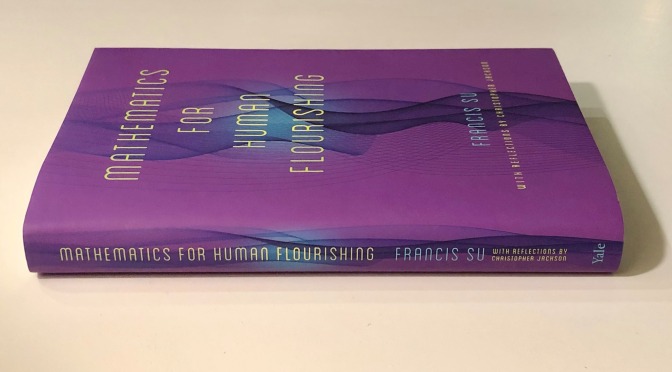
“Human flourishing refers to a wholeness — of being and doing, of realizing one’s potential and helping others do the same, of acting with honor and treating others with dignity, of living with integrity even in challenging circumstances. It is not the same as happiness, and it is not just a state of mind. The well-lived life is a life of human flourishing.”
An inclusive vision of mathematics—its beauty, its humanity, and its power to build virtues that help us all flourish
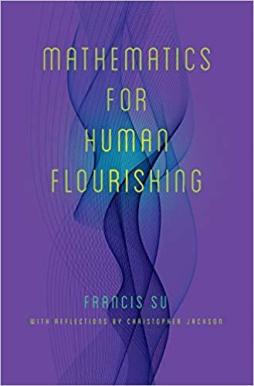 For mathematician Francis Su, a society without mathematical affection is like a city without concerts, parks, or museums. To miss out on mathematics is to live without experiencing some of humanity’s most beautiful ideas.
In this profound book, written for a wide audience but especially for those disenchanted by their past experiences, an award‑winning mathematician and educator weaves parables, puzzles, and personal reflections to show how mathematics meets basic human desires—such as for play, beauty, freedom, justice, and love—and cultivates virtues essential for human flourishing. These desires and virtues, and the stories told here, reveal how mathematics is intimately tied to being human. Some lessons emerge from those who have struggled, including philosopher Simone Weil, whose own mathematical contributions were overshadowed by her brother’s, and Christopher Jackson, who discovered mathematics as an inmate in a federal prison. Christopher’s letters to the author appear throughout the book and show how this intellectual pursuit can—and must—be open to all.
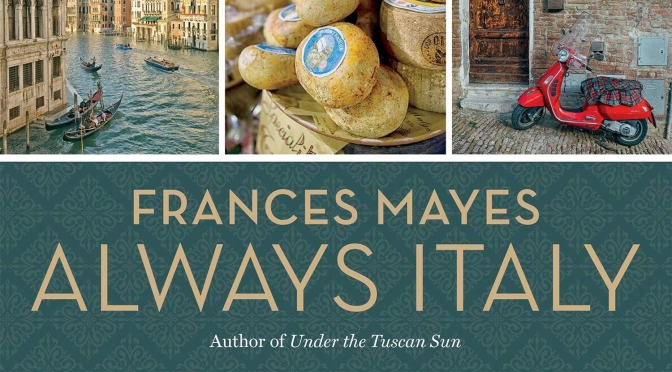
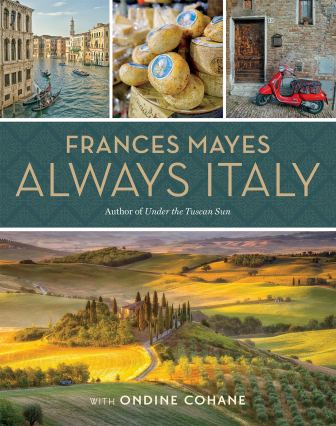 From the colorful coastline of Cinque Terre and the quiet ports of the Aeolian Islands to the Renaissance architecture of Florence and the best pizza in Rome, every section features insider secrets and off-the-beaten-path recommendations (for example, a little restaurant in Piedmont known for its tajarin, a pasta that is the perfect bed for the region’s celebrated truffles).
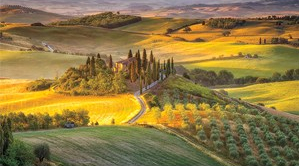 Filled with gently undulating hills, golden stone buildings, pristine vineyards, and glorious art, central Italy epitomizes the joys of this country. Do you love exquisite Renaissance architecture, painting, and sculpture, along with artisanal shopping? Or do you seek medieval winding alleys and formidable fortresses along with adrenaline-filled festivals? Head to Siena, where a central grand piazza hosts the Palio, the bareback horse race that has been a town fixture for centuries. Perhaps you love pasta along with architecture? Head to Rome, where layers upon layers of history unveil themselves as you walk past treasures like the Forum or the Circus Maximus, all within sight of vibrant new cafés and bars and beloved trattorias.
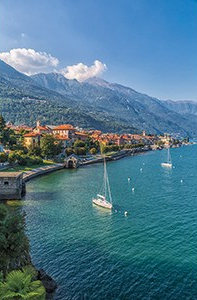 In Piedmont’s Barolo and Barbaresco wine-growing districts, vintners aren’t allowed to plant the sacred nebbiolo grape on north-facing hillsides, so hazelnut trees often fill those slopes. That most nutty of nuts, blended with rich chocolate, is a marriage of true minds, although the wedding was originally one of convenience. In the early 19th century, when trade embargoes and the Napoleanic wars caused chocolate imports to shrink, nuts extended the quantity. Turin, gateway to the castle-topped, hills of Piedmont, is one of the primo food cities in Europe. It’s regal, thanks to the palaces, ballrooms, libraries, and gardens of the Savoy rulers, who also infused the cuisine with French influences. Vintage and new trams run around the centro. The tree-lined streets, shady river walks, and numerous parks keep this the greenest city in Italy.
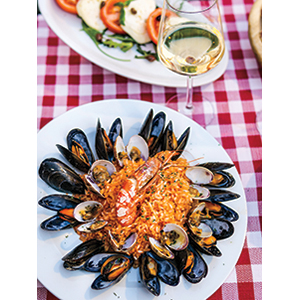 The majority of Lazio’s wines are white. Frascati is ubiquitous. There’s that word: drinkable. And they are. Light and summery, they’re able to heft a bit of gravitas too. From the island of Ponza, Casale del Giglio sends forth the chalky, fruity Biancolella Faro della Guardia. Biancolella is a grape variety grown only on the island. Three vineyards stand out for consistent high quality. Montiano, a merlot, is one of the region’s best wines. Next is the Sergio Mottura winery, known for its grechetto, Poggio della Costa. This pale beauty, with a whiff of citrus blossoms and stone, garners top ratings and the bonus of being well priced. Poggio Le Volpi’s Bacca Rossa, from the nero buono grape, makes an earthy and spicy partner to pasta with sausage and four cheeses. In Rome, wine nuts must feel a magnetic pull to Ristorante Casa Bleve.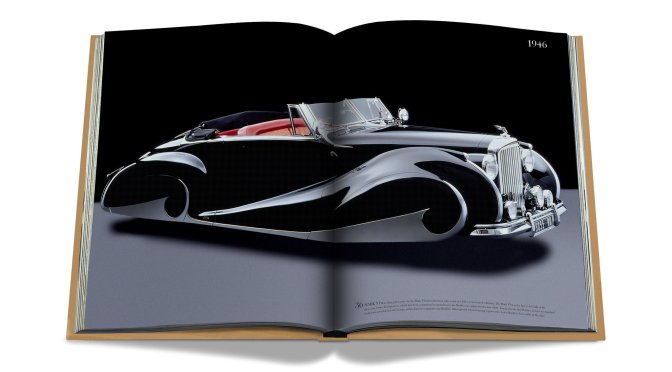
 Assouline presents yet another fascinating volume dedicated to the preeminent British car brand—Bentley: 100. Housed in a hand-stitched leather bound, limited edition case, this all-inclusive work presents an exhaustive list of the one hundred single most important and groundbreaking Bentley models, with detailed critiques and explanations relating to each automobile’s unique engineering excellence and the various creative avenues Bentley may have taken during the manufacturing process.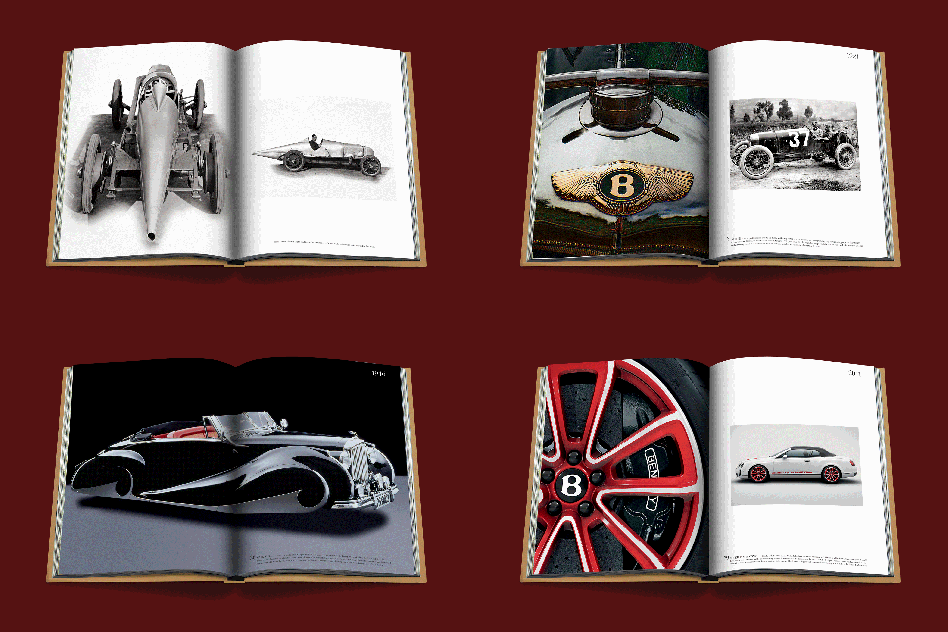



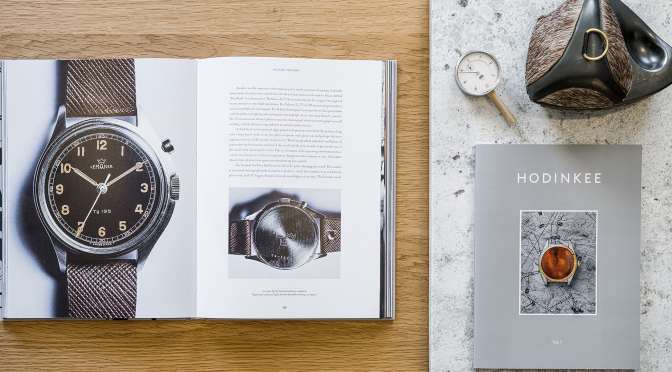
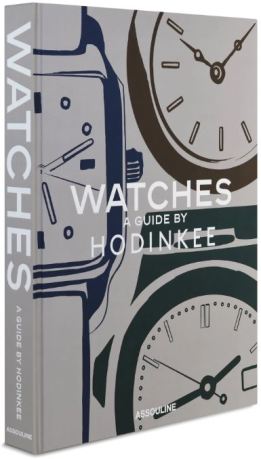 For our debut, we wanted to do something that would appeal to anyone and everyone who has the slightest interest in watches. Whether you are new to the game or have been scouring flea markets since you could walk, we want you to be able to pick up this book and gain a greater understanding of watches and all they have to offer.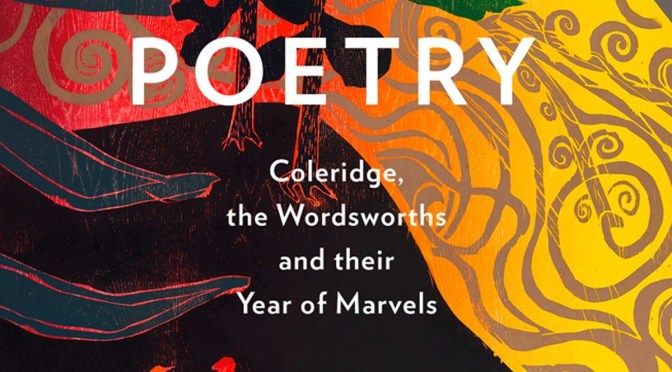
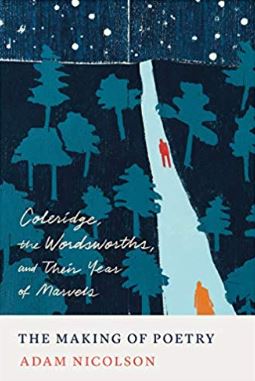 In The Making of Poetry, Adam Nicolson embeds himself in the reality of this unique moment, exploring the idea that these poems came from this particular place and time, and that only by experiencing the physical circumstances of the year, in all weathers and all seasons, at night and at dawn, in sunlit reverie and moonlit walks, can the genesis of the poetry start to be understood.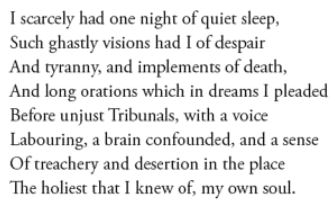
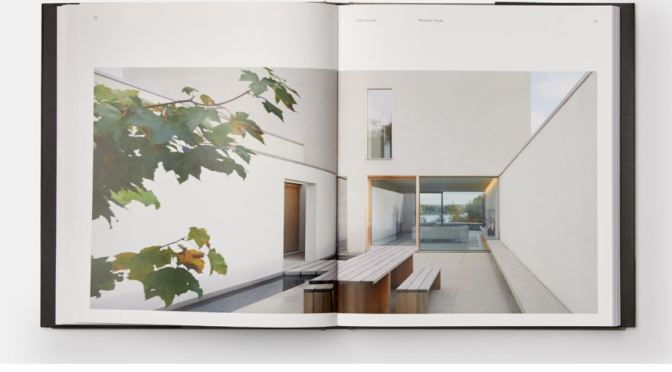
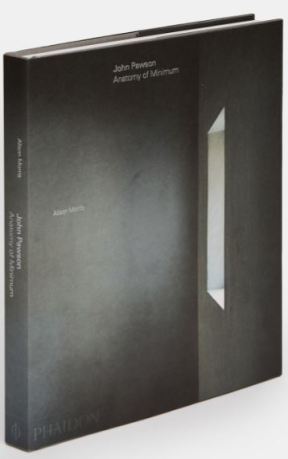 British architectural designer John Pawson has, in a career spanning over three decades, created an inimitable body of work characterized by its distillment of the fundamental ingredients of architecture into their most elemental, elegant expressions.
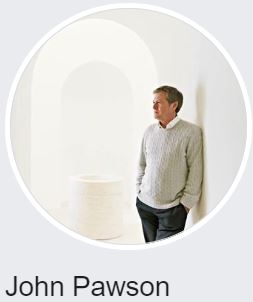 approach, Pawson is sensitive to the intimate rituals of daily life and his buildings are far from austere: instead, they elegantly make the case for the clarity and freedom to be found in the act of reduction.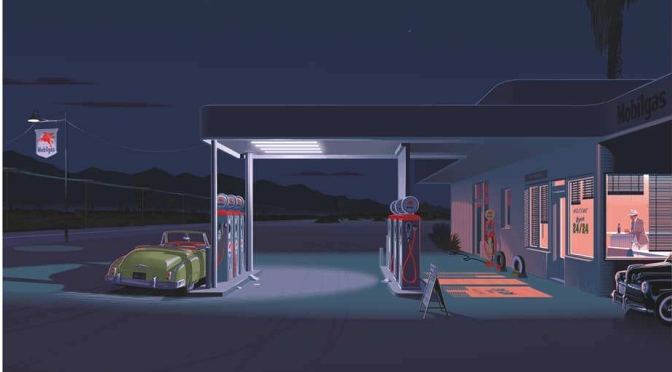
 Laurent Durieux is a famous Belgian illustrator well known to lovers of pop culture and collectors for his reinterpretations of posters of cult films. Each of his American exhibitions was sold out during the opening night and in the presence of thousands of enthusiastic fans.
 Boomers Daily