
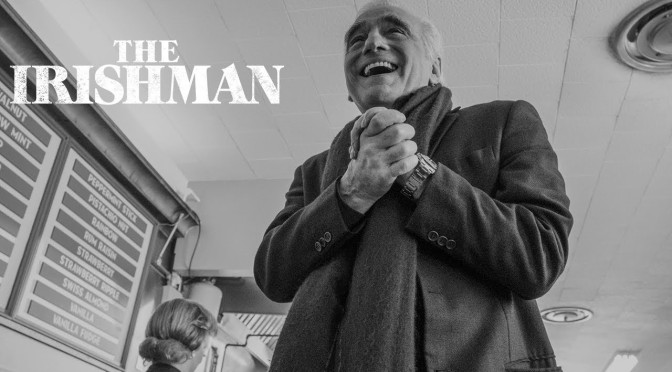
Robert De Niro, Al Pacino and Joe Pesci star in Martin Scorsese’s THE IRISHMAN, a saga of organized crime in post-war America told through the eyes of World War II veteran Frank Sheeran, a hustler and hitman who worked alongside some of the most notorious figures of the 20th century. Academy Award winning Director Martin Scorsese on his vision and the making-of THE IRISHMAN. Now playing in theaters and on Netflix.
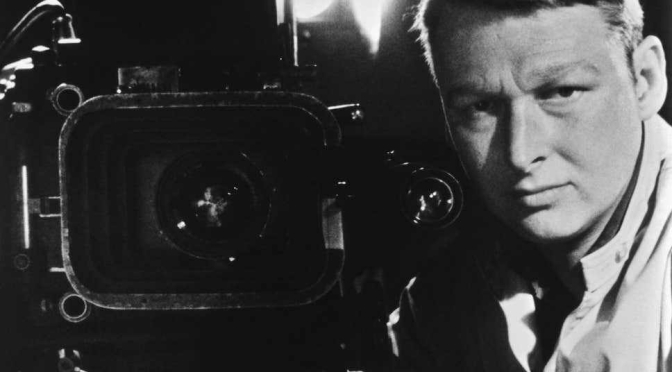
 Mike Nichols, who died in 2014, was a film and stage director of genius, and he wasted no time in showing it. The first two films he directed were “Who’s Afraid of Virginia Woolf?” and “The Graduate.” In the new oral history

 Jamie Lee Curtis comes from Hollywood royalty as the daughter of Janet Leigh and Tony Curtis. She credits her mother’s role in “Psycho” for helping her land her first feature role, as the lead in “Halloween,” in 1978. “I’m never going to pretend I got that all on my own,” she tells The New Yorker’s
 Ever since
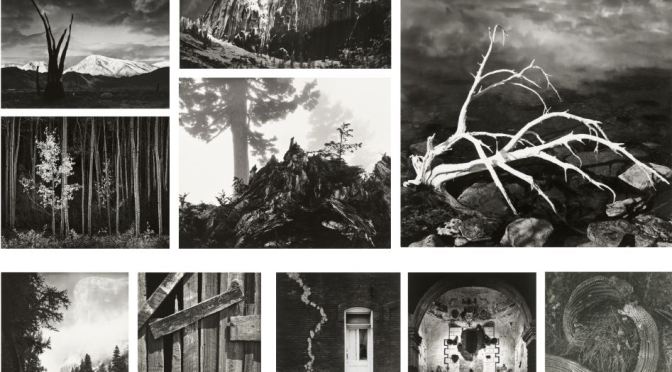
 Adams’ ‘visualisation’ strategy marked a shift away from Pictorialism, a much more manipulated photographic style, which had influenced his early work. His desire for sharper focus and deeper tone and contrast (he called it ‘an austere and blazing poetry of the real’) led to him becoming a leading figure in pure — or straight — photography.
 On 13 December, Amazon Prime will air the fourth season of The Expanse, a hardboiled space drama renowned for its working-class characters and real-world space physics. Showrunner Naren Shankar is part of the reason the science checks out. The veteran writer and producer for programs such as Star Trek: The Next Generation, Farscape, and the police procedural CSI: Crime Scene Investigation, has a doctorate in applied physics and electrical engineering.
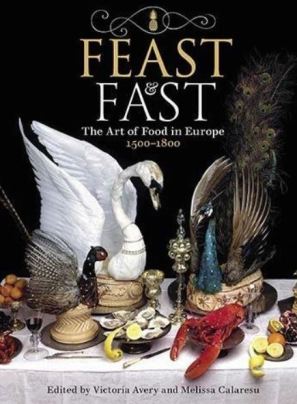 Food defines us as individuals, communities, and nations – we are what we eat and, equally, what we don’t eat. When, where, why, how and with whom we eat are crucial to our identity. Feast and Fast presents novel approaches to understanding the history and culture of food and eating in early modern Europe.
 Fifty-five years after co-founding the rock band The Who, Pete Townshend is still at it. The lead lyricist and guitarist says he actually doesn’t enjoy performing but views it as an “easy” job necessary to finance his lifestyle and support his family and staff. Economics correspondent Paul Solman sits down with Townshend to discuss aging, surviving child abuse and art’s ability to inspire hope.
 Boomers Daily