
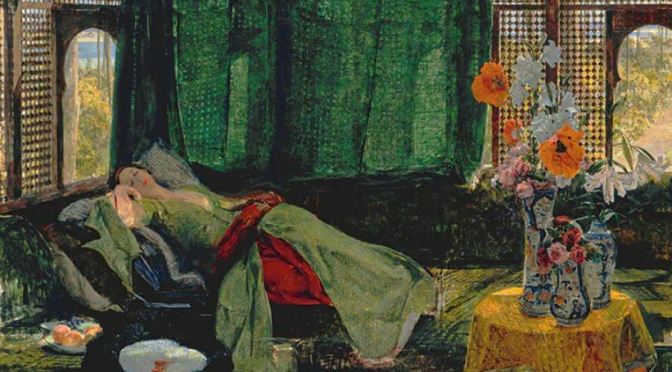
From an Apollo magazine online article:
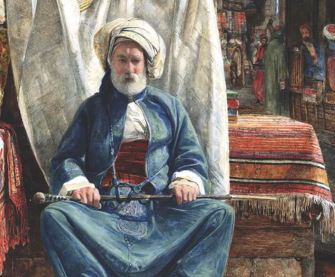 Things take an even stranger turn when he gets to Egypt, and his own features still appear again and again; not, as before, as a barely significant detail in an otherwise busy composition, but as a principal element. In a series of fine single-figure paintings brought together at the Watts Gallery, Lewis represents himself as a Syrian sheikh scanning the horizon of the Sinai desert; as the suave ‘bey’ of a Cairene household, lowering his eyelids as his servant offers him a water pipe; as an impassive carpet-seller in the Bezestein bazaar. In none of these, however, does he quite meet our eye.
In his mid thirties, an age at which most ambitious artists were making themselves as visible as possible, John Frederick Lewis (1804–76), a successful painter of sporting subjects and Mediterranean scenes, vanished from London for more than a decade. It was an audacious move. He spent two years in Italy, then followed in Lord Byron’s footsteps, travelling through Albania, Corfu, Athens and Smyrna, and after a year in Constantinople he sailed for Egypt. Once there Lewis fell in love with Cairo, and rather than returning to England with his sketchbooks he set up home, staying until 1851. Those years might have been something of a biographical blank had it not been for a visit in 1844 from his old friend William Makepeace Thackeray, who included a somewhat excitable account in his travel book Notes of a Journey from Cornhill to Grand Cairo (1846).

 America’s most storied urban underdog, Brooklyn has become an internationally recognized brand in recent decades—celebrated and scorned as one of the hippest destinations in the world. In Brooklyn: The Once and Future City, Thomas J. Campanella unearths long-lost threads of the urban past, telling the rich history of the rise, fall, and reinvention of one of the world’s most resurgent cities.
 After a great British breakfast, hopped on the Tube at Tower Hill and headed for the South Kensington station. Arrived at the Victoria & Albert Museum as it opened at 10.

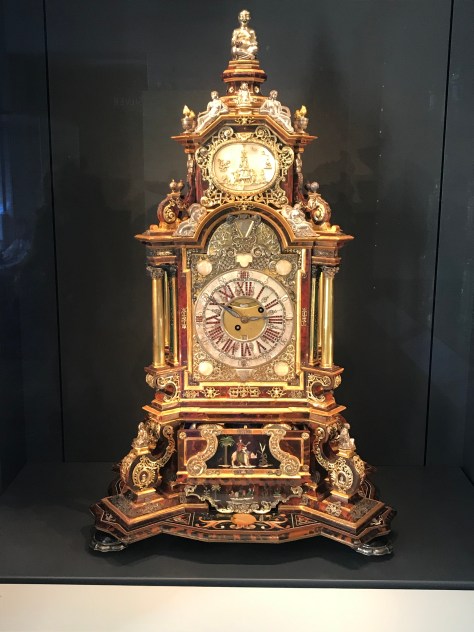

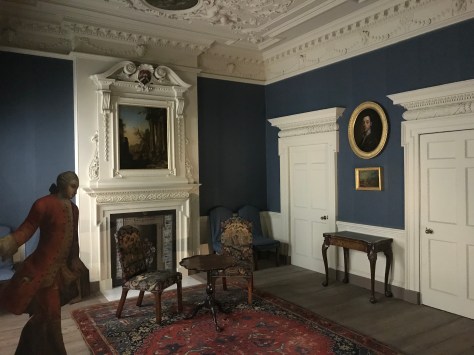

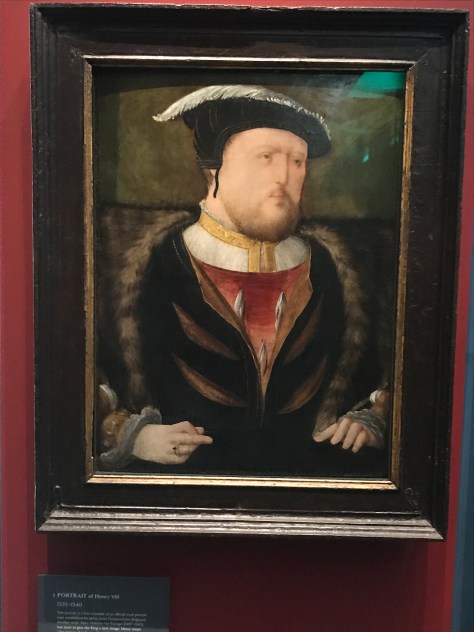

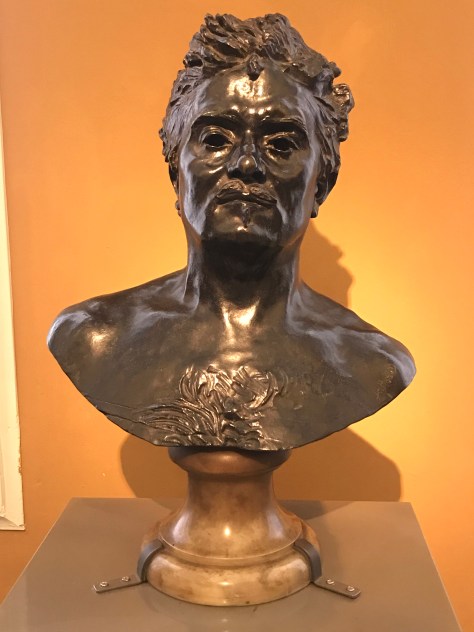

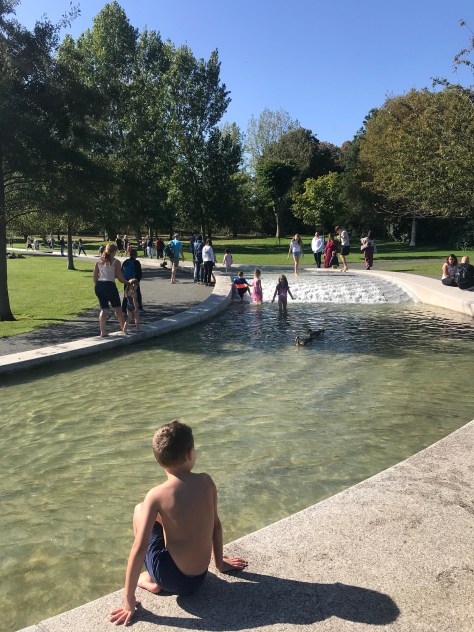


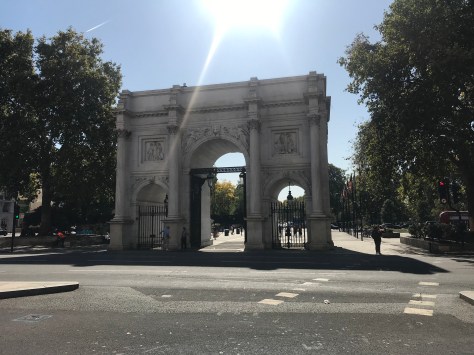







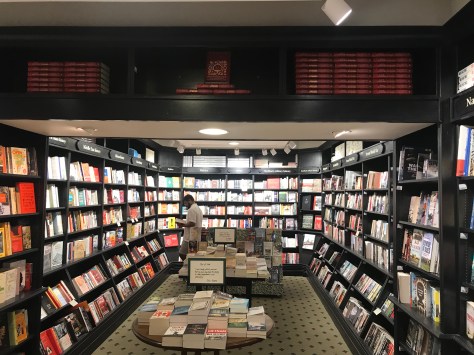
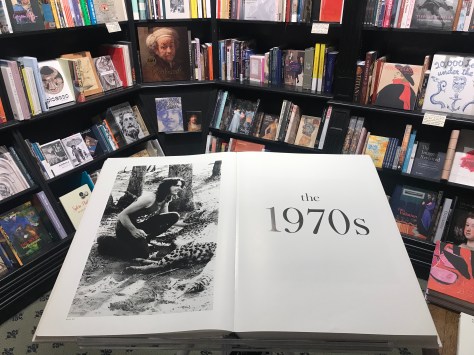





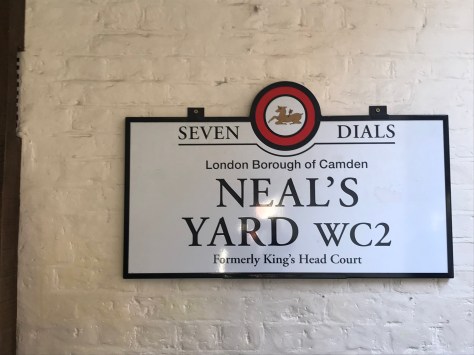
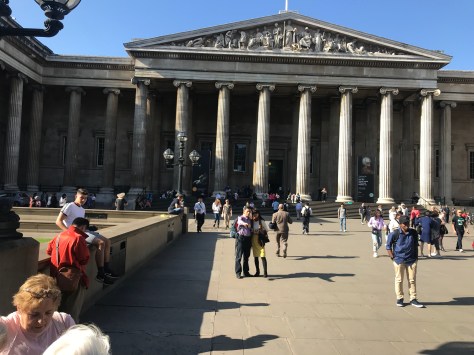
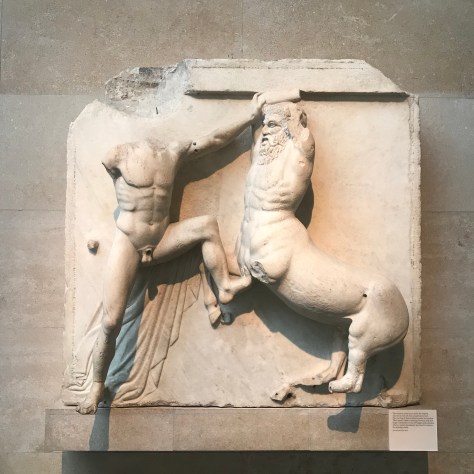
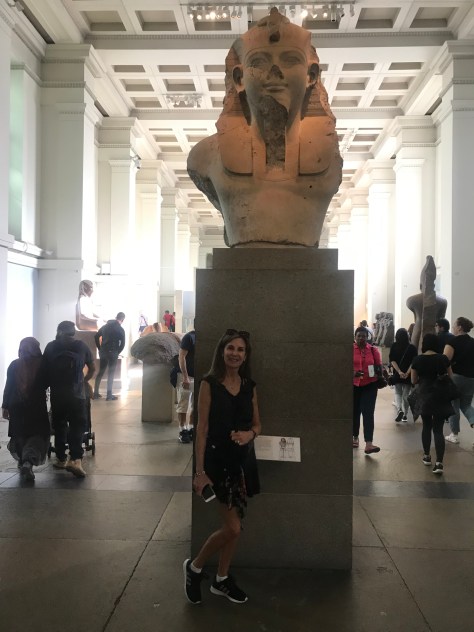
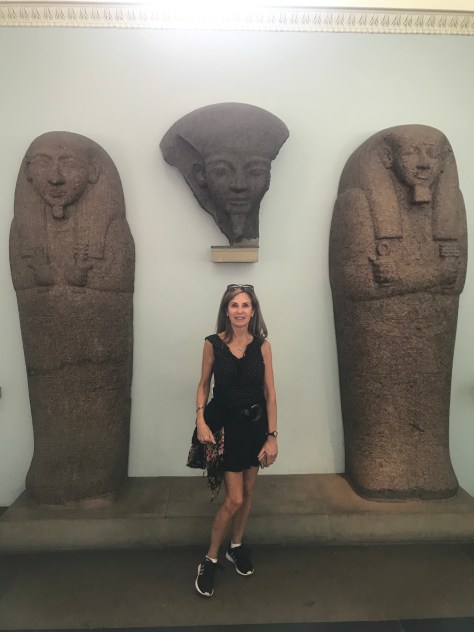
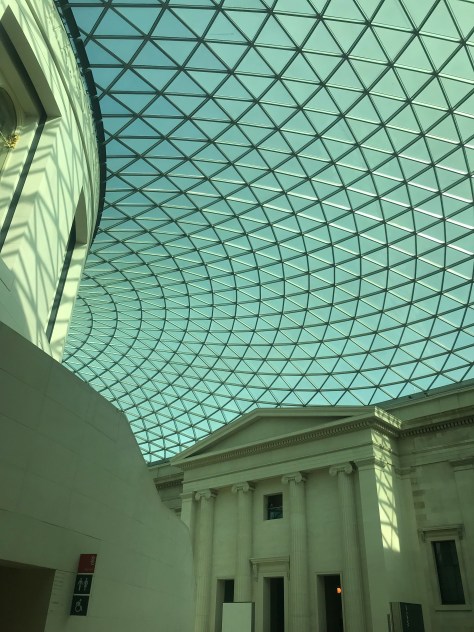


 Set out at 9 am across Tower Bridge and experienced South Bank.
 Borough Market is a must visit and it delivered delicious stall after stall of every cheese, meat, vegetable and savory or sweet foods.
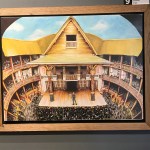 We then continued along the Thames for a quick view of Shakespeare’s Globe, followed by a tour of the Tate Modern.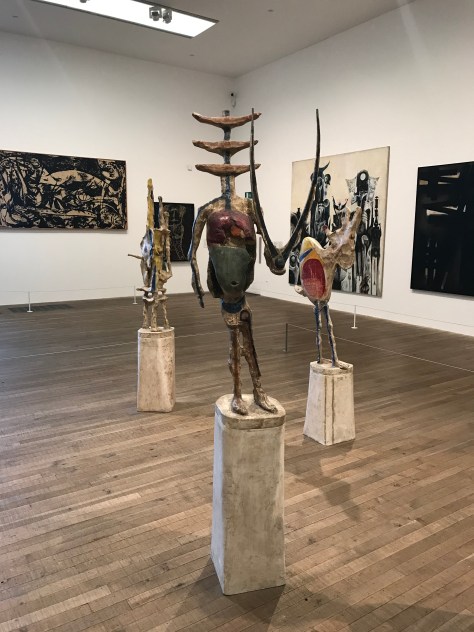
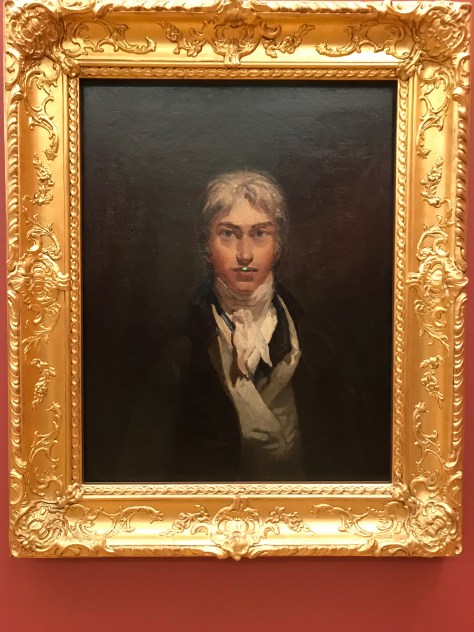
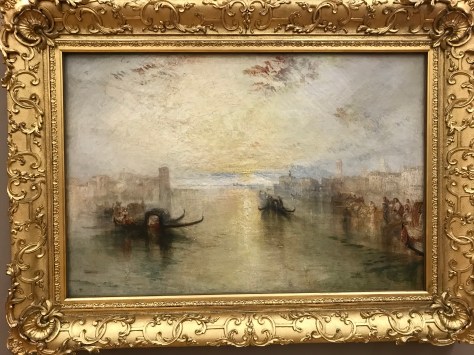
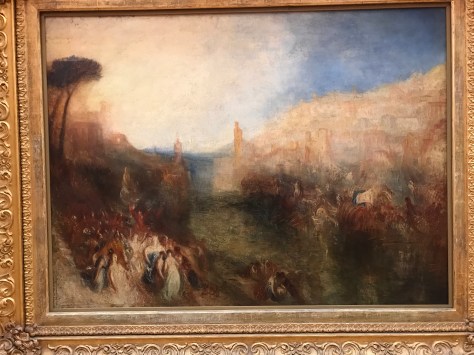
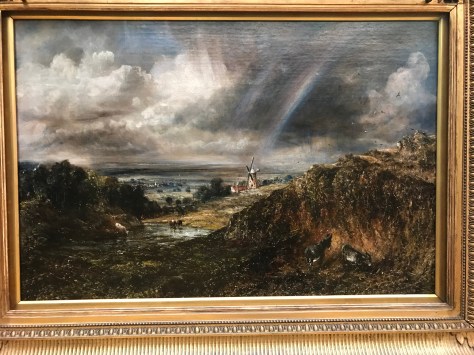
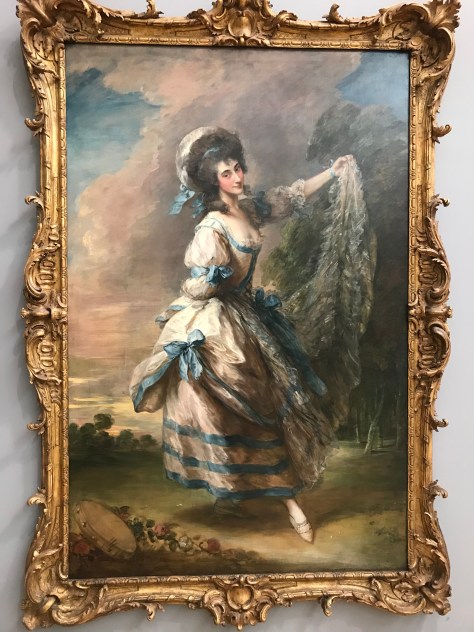
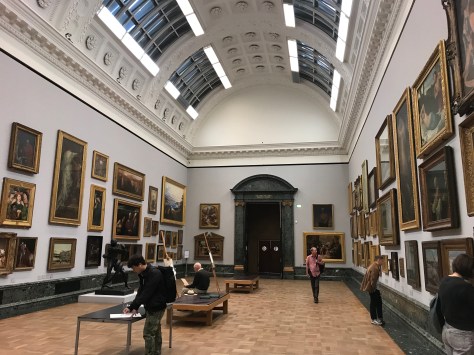
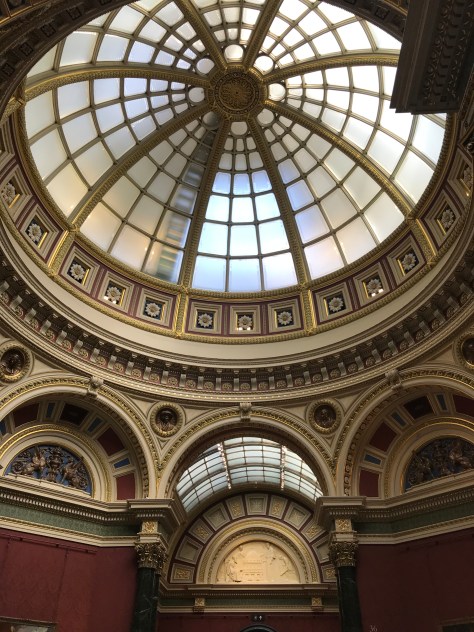
 Headed north to Buckingham Palace before walking through St. James Park to the National Gallery.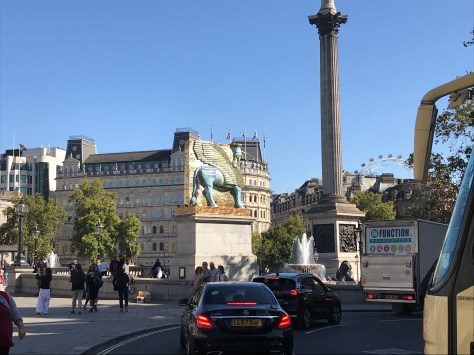
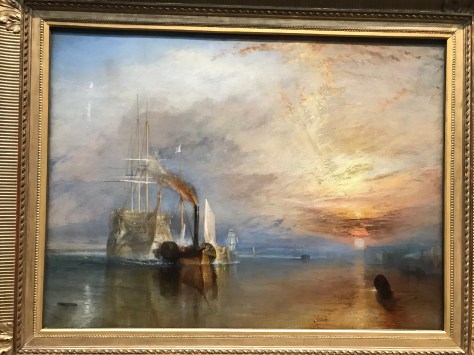
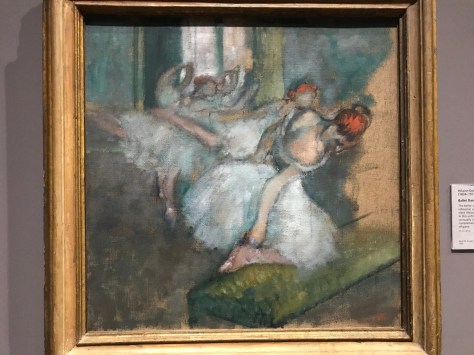
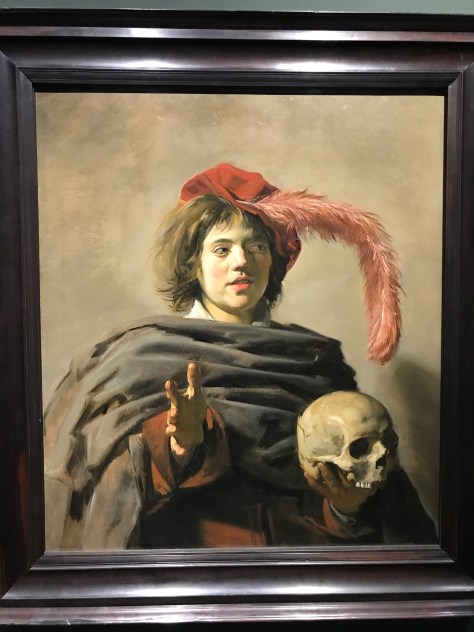
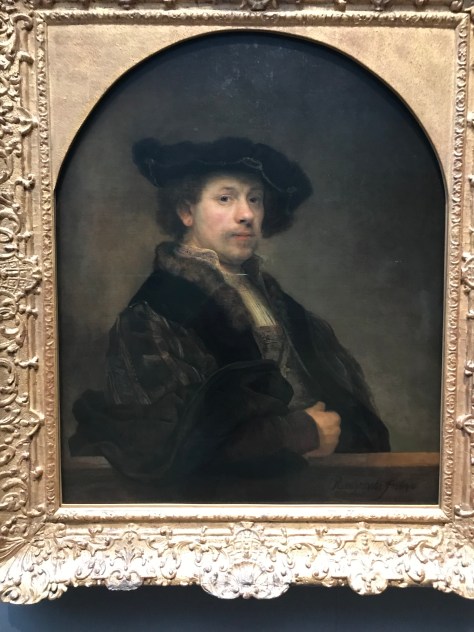

 Édouard Manet was a provocateur and a dandy, the Impressionist generation’s great painter of modern Paris. This first-ever exhibition to explore the last years of Manet’s short life and career reveals a fresh and surprisingly intimate aspect of this celebrated artist’s work. Stylish portraits,
  luscious still lifes, delicate pastels and watercolors, and vivid café and garden scenes convey Manet’s elegant social world and reveal his growing fascination with fashion, flowers, and his view of the parisienne—a feminine embodiment of modern life in all its particular, fleeting beauty.
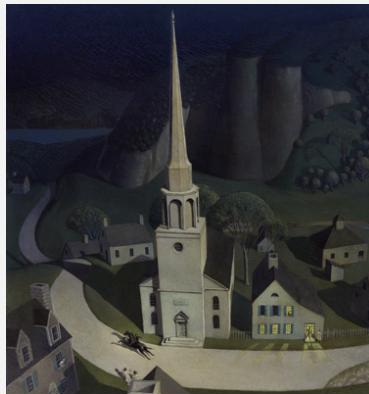 Revere’s place in history was cemented by
  The exhibition was organized by the



 Rigorously unsentimental in his attitude to the world around him, Mr. Frank deviated from form in 1950, taking what was arguably his most romantic picture. He had his reasons. He was in love. The year before he had met artist Mary Lockspeiser, who became his first wife. In “Tulip/Paris,” he photographed a young man who is holding behind his back a tulip — presumably intended for the woman standing in the background. An old man, at the other end of life’s arc, approaches the viewer. It is a classic romantic Paris street photograph.
 “It’s a way of life that’s gone and I don’t think it’s a bad state that it’s gone. But realistically it must’ve been livable on a level by pretty well everyone involved or it wouldn’t have gone on for a thousand years.”
 Boomers Daily