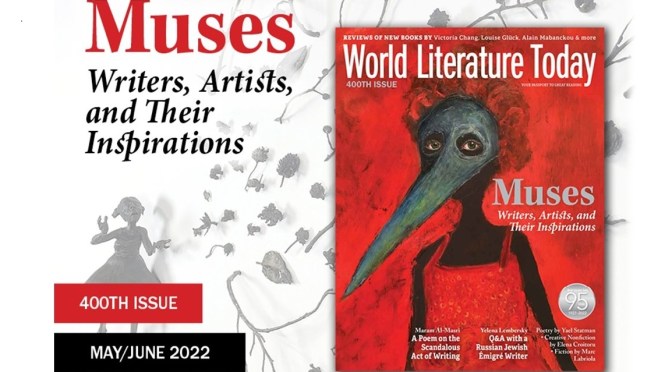
In a wide-ranging conversation that headlines World Literature Today’s November issue, we celebrate Ada Limón being named the 24th Poet Laureate Consultant in Poetry to the Library of Congress.
With your latest passport to great reading, the editors are also excited to launch an ambitious new editorial initiative to offer a greater number of shorter pieces to help further diversify the magazine’s coverage and facilitate reader engagement from a wider variety of cultural angles. Through literature, music, film, food, and art, WLT is finding more ways than ever to connect you to the global cultural landscape of the 21st century.
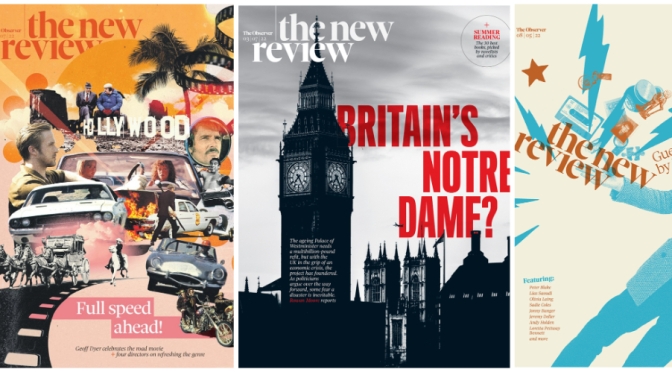
🍫NEW PODCAST EPISODE🍫 This week Adam is joined by @jonathancoe for a conversation about charting the state of the nation over seven decades – jubilees, World Cup wins, chocolate wars, pandemics and all! 🎧: https://t.co/fA8kK6EVFDpic.twitter.com/G4DAhKC38j
From the bestselling, award-winning author of Middle England comes a profoundly moving, brutally funny and brilliantly trueportrait of Britain told through four generations of one family
In Bournville, a placid suburb of Birmingham, sits a famous chocolate factory. For eleven-year-old Mary and her family in 1945, it’s the centre of the world. The reason their streets smell faintly of chocolate, the place where most of their friends and neighbours have worked for decades. Mary will go on to live through the Coronation and the World Cup final, royal weddings and royal funerals, Brexit and Covid-19. She’ll have children and grandchildren and great-grandchildren. Parts of the chocolate factory will be transformed into a theme park, as modern life and the city crowd in on their peaceful enclave.
This week: uproar over the National Gallery in London’s building plans—is it a sensitive makeover or like “an airport lounge”?
We talk to the director of the National Gallery, Gabriele Finaldi, about the gallery’s controversial plans for changes to its Sainsbury Wing, and to Rowan Moore, architecture critic at the Observer, about his views on the designs by the architect Annabel Selldorf, and how they respond to Robert Venturi and Denise Scott Brown’s original Post-Modern building.
Tokini Peterside-Schwebig, the director of Art X Lagos, tells us about the contemporary art scene in Nigeria’s most populous city, and how the fair is addressing the climate emergency, as devastating floods wreak havoc in West Africa. And this episode’s Work of the Week is Marc Chagall’s The Falling Angel (1923/1933/1947), the centrepiece of a new exhibition at the Schirn Kunsthalle in Frankfurt, Germany.Art X Lagos, Federal Palace, Lagos, Nigeria, 5-6 NovemberChagall: World in Turmoil, Schirn Kunsthalle, Frankfurt, Germany, until 19 February 2023 Hosted on Acast. See acast.com/privacy for more information.
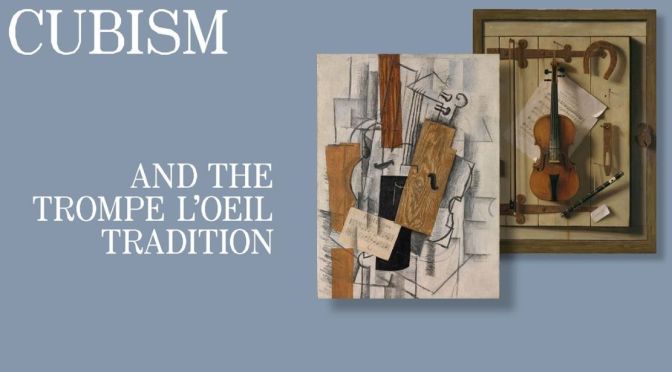
The Met – Join the exhibition’s curators Emily Braun and Elizabeth Cowling for a virtual tour of Cubism and the Trompe l’Oeil Tradition, which offers a radically new view of Cubism by demonstrating its engagement with the age-old tradition of trompe l’oeil painting.
A self-referential art concerned with the nature of representation, trompe l’oeil (“deceive the eye”) beguiles the viewer with perceptual and psychological games that complicate definitions of truth and fiction. Along with Cubist paintings, sculptures, and collages, the exhibition presents canonical examples of European and American trompe l’oeil painting from the seventeenth through the nineteenth centuries.
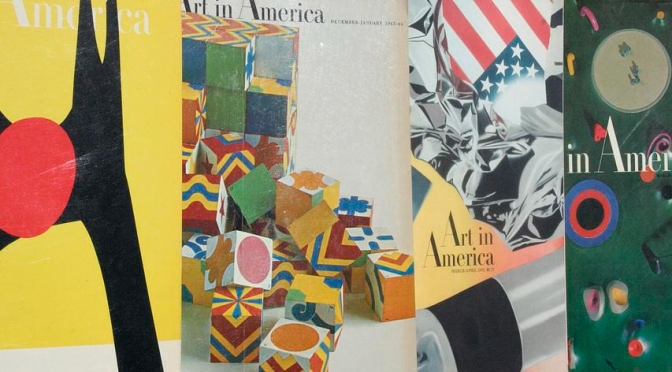
Art in America – The history of the Southwest is long and vexed. Many think of America as developing from east to west, from the original 13 colonies to settlements made in the name of Manifest Destiny. But the West in all its richness was there, of course, long before it was “discovered” by venturers from elsewhere. The region has been home to a palimpsest of cultures, but the gruesome theft of land from Indigenous people remains a defining trauma. The southernmost parts of the Southwest at one time belonged to Mexico; today that area is embroiled in battles over immigration, and scarred by a former president’s xenophobic desire to build a wall. Plagued by drought, the entire Southwest tolls the ominous bell of climate change.
GOD’S-EYE VIEWS by Jackson Arn
Aerial photography captures the Southwest’s natural splendor, explosive urban development, and military secrets.
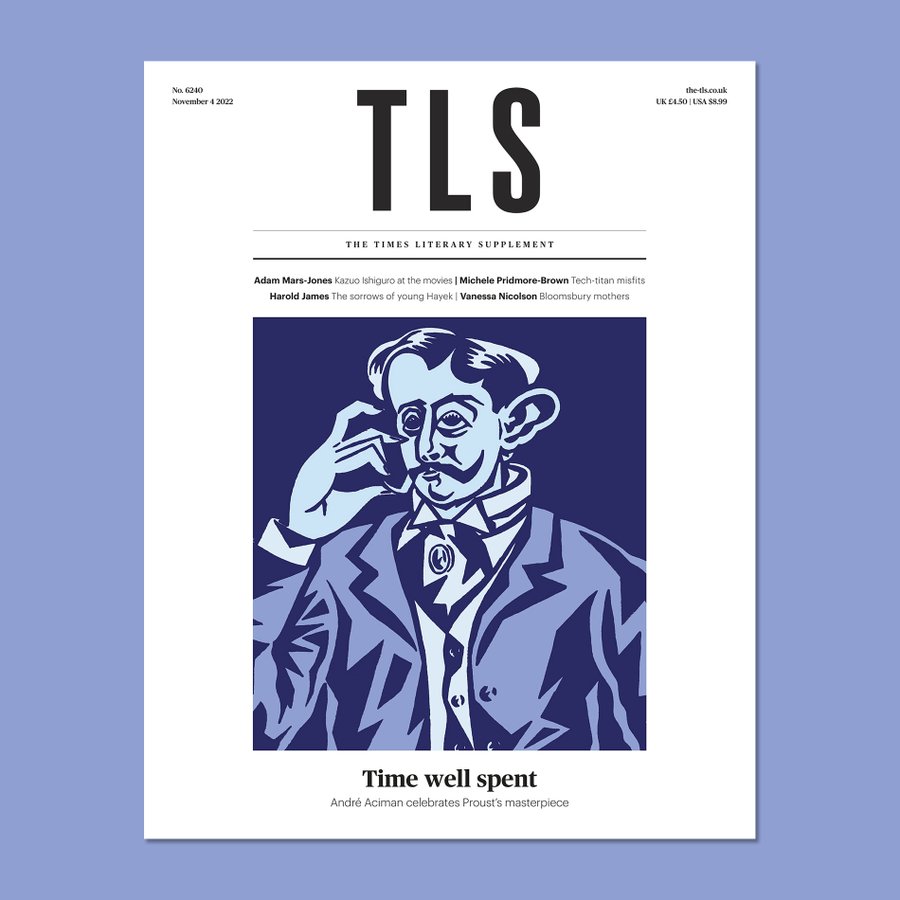
This week’s @TheTLS , featuring André Aciman on Proust; Margaret Drabble on Robert Aickman; @LucyHH on Naples; @AnnPettifor on climate refugees; @scheffer_pablo on Nona Fernández; @IsabelleBaafi on the poetry of June Jordan, Wanda Coleman and Rita Dove – and more.
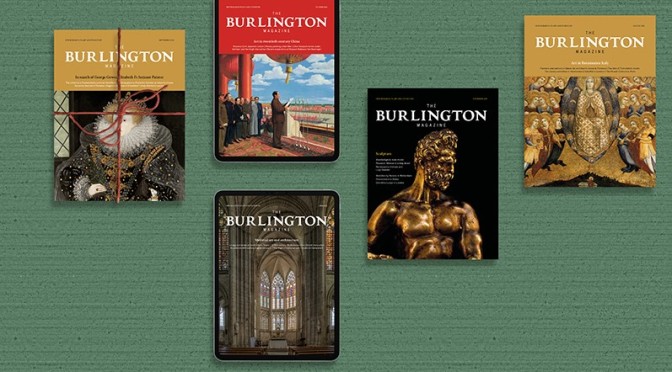
It is now forty years since Melina Mercouri, the Greek Minister for Culture from 1981 to 1989, famous also as a film star and singer, addressed UNESCO’s World Conference on Cultural Policies to draw international attention to the campaign with which she would be identified until her death in 1994, the repatriation to Athens of the Parthenon sculptures in the British Museum. ‘We are not asking for the return of a painting or a statue’, she said: ‘We are asking for the return of a portion of a unique monument, the privileged symbol of a whole culture’.
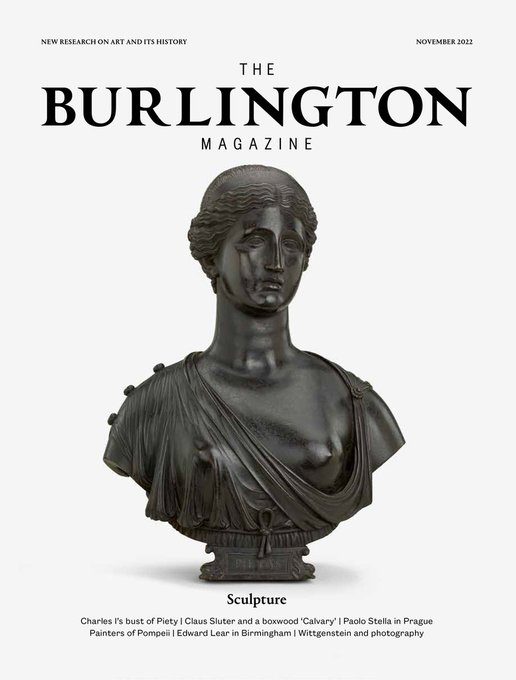
The Painters of Pompeii
As images, ancient Roman wall paintings command attention for their bold compositions, vibrant and saturated colours, convincing naturalism and the fantastical mythologies they depict. As objects they also captivate for the dramatic circumstances surrounding their near- destruction, the miracle (or rarity) of their survival and the alchemical nature of lime plaster and pigment.
News, Views and Reviews For The Intellectually Curious








 Boomers Daily