
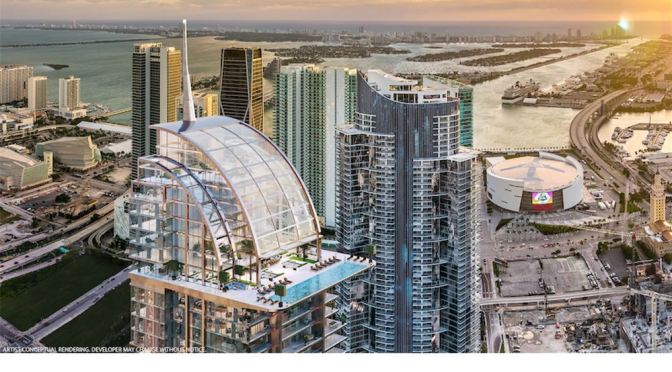
Equipped with a state-of-the-art medical facility and high-tech safety features, Legacy Hotel and Residences is not your typical high-rise building.
Category Archives: Architecture
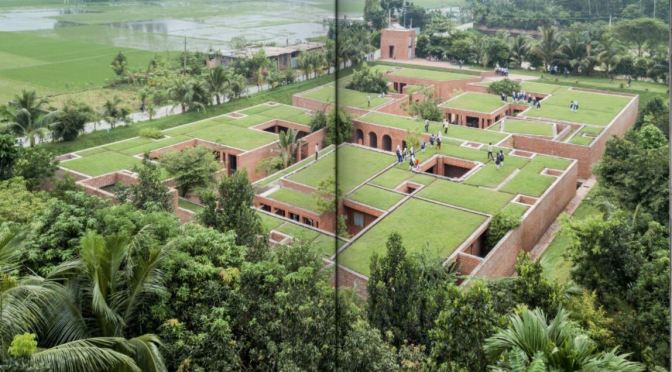
Architecture: ‘Building Bound to the Ground’
Dig deep into the origins of building. The ground, now often used as a passive foundation for going higher, is rife with possibilities. Bjarne Mastenbroek investigates the relationship architecture has, had, and will have, with site and nature. Through the photography of Iwan Baan and more than 500 analytical drawings by SeARCH, Dig it! dissects structures from the past millennia—some well-known, some previously overlooked. This global survey of nearly 1,400 pages, designed by Mevis & Van Deursen, brings architecture back in harmony with the Earth’s surface. Discover the book: https://www.taschen.com/04697yt
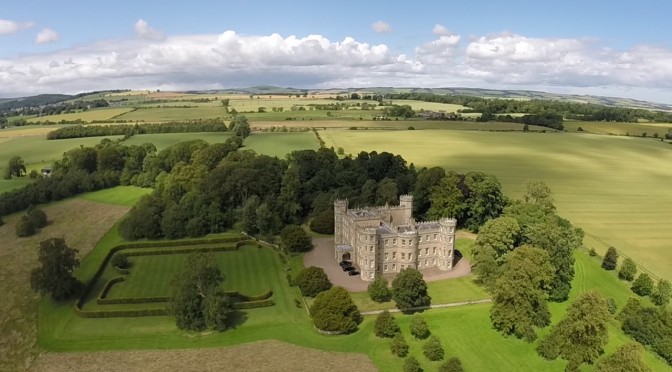
Scottish Country Houses: 18th C. ‘Wedderburn Castle’ In Berwickshire
Wedderburn Castle, Berwickshire, is one of Robert Adam’s less familiar commissions — yet just as extraordinary as many of his more famous buildings. Recently rescued from neglect by owners David Home Miller and Catherine Macdonald-Home, it has a fascinating story to tell about the development of his castle style.


The ‘castle style’ of the Georgian era might be said to have been invented by Vanbrugh, who aimed to give ‘something of the castle air’ with his additions to Kimbolton Castle, Huntingdonshire, in 1707–10 .
In practice, that amounted to little more than a battlemented parapet applied to a completely symmetrical building. In the late 18th century, the architect Robert Adam was undoubtedly influenced by Vanbrugh, whose mastery of what he called ‘movement’ in architectural composition — ‘the rise and fall, the advance and recess with other diversity of form, in the different parts of a building’ — he admired (although he deplored the Baroque master’s ‘barbarisms and absurdities’).
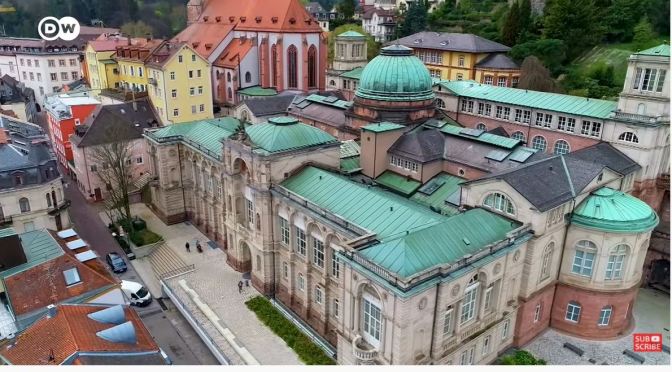
Travel: Germany’s New World Heritage Sites
Take a look at Germany’s new UNESCO World Heritage Sites. We take you to the spa towns of Baden-Baden, Bad Ems and Bad Kissingen, as well as the artist colony Mathildenhöhe in Darmstadt. We will also show you the Jewish heritage cities of Speyer, Worms and Mainz, and follow the footsteps of the Romans along the limes.
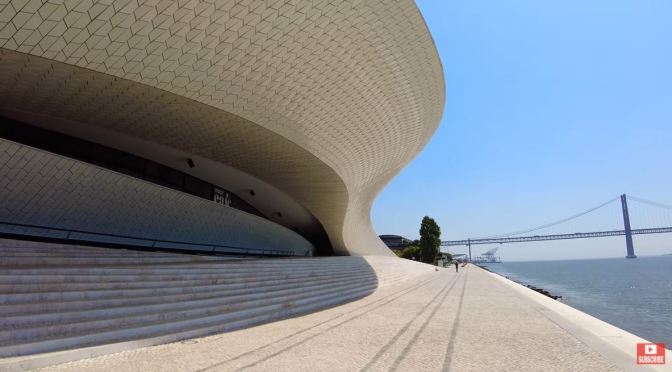
Architectural Views: MAAT Museum In Lisbon
MAAT – Museum of Art, Architecture and Technology is the new cultural centre for Lisbon. It’s a museum where these three areas intertwine within a space of debate, discovery, critical thinking and international dialogue.
It’s an innovative project which establishes a connection between the new building, designed by Amanda Levete Architects’ studio, and Central Tejo Power Station, one of Portugal’s most prominent examples of industrial architecture from the first half of the 20th century, and one of the most visited museums in the country.
MAAT’s ambition is to present national and international exhibitions by contemporary artists, architects and thinkers. The programme will also include various curatorial perspectives on EDP Foundation’s private Art Collection, reflecting current subject matters and trends.
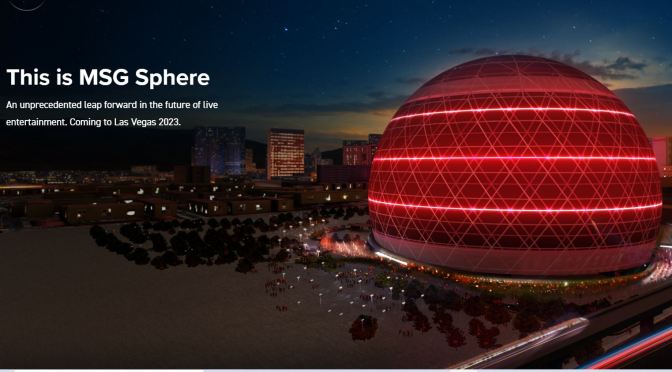
Views: The ‘MSG Sphere’ In Las Vegas Will Reshape The Entertainment Industry
The world-first spherical structure, containing the world’s largest and highest resolution LED screen that will not only transform the Las Vegas skyline, but quite literally reshape the live entertainment industry.
Since the days of Dean Martin and the Rat Pack in the 1960’s Las Vegas has been renowned for live entertainment and between showcase fights and residencies from Lady Gaga, Celine Dion, Britney Spears and Magic Mike the city is constantly raising the bar with what it has to offer.
Its latest offering, developed by Madison Square Garden Entertainment and located just off the strip behind the Venetian, is unlike anything anywhere else on Earth.
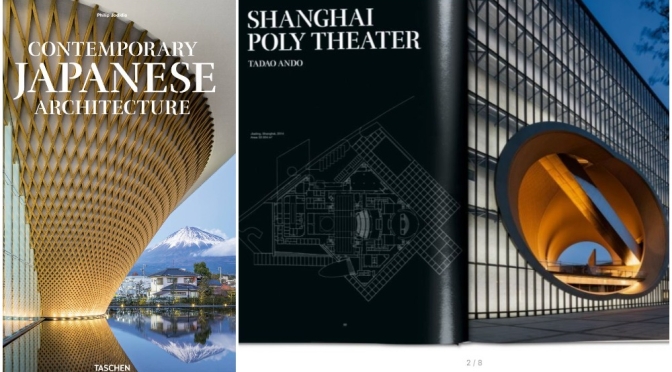
Books: ‘Contemporary Japanese Architecture’
The contemporary architecture of Japan has long been among the most inventive in the world, recognized for sustainability and infinite creativity. No fewer than seven Japanese architects have won the Pritzker Prize.
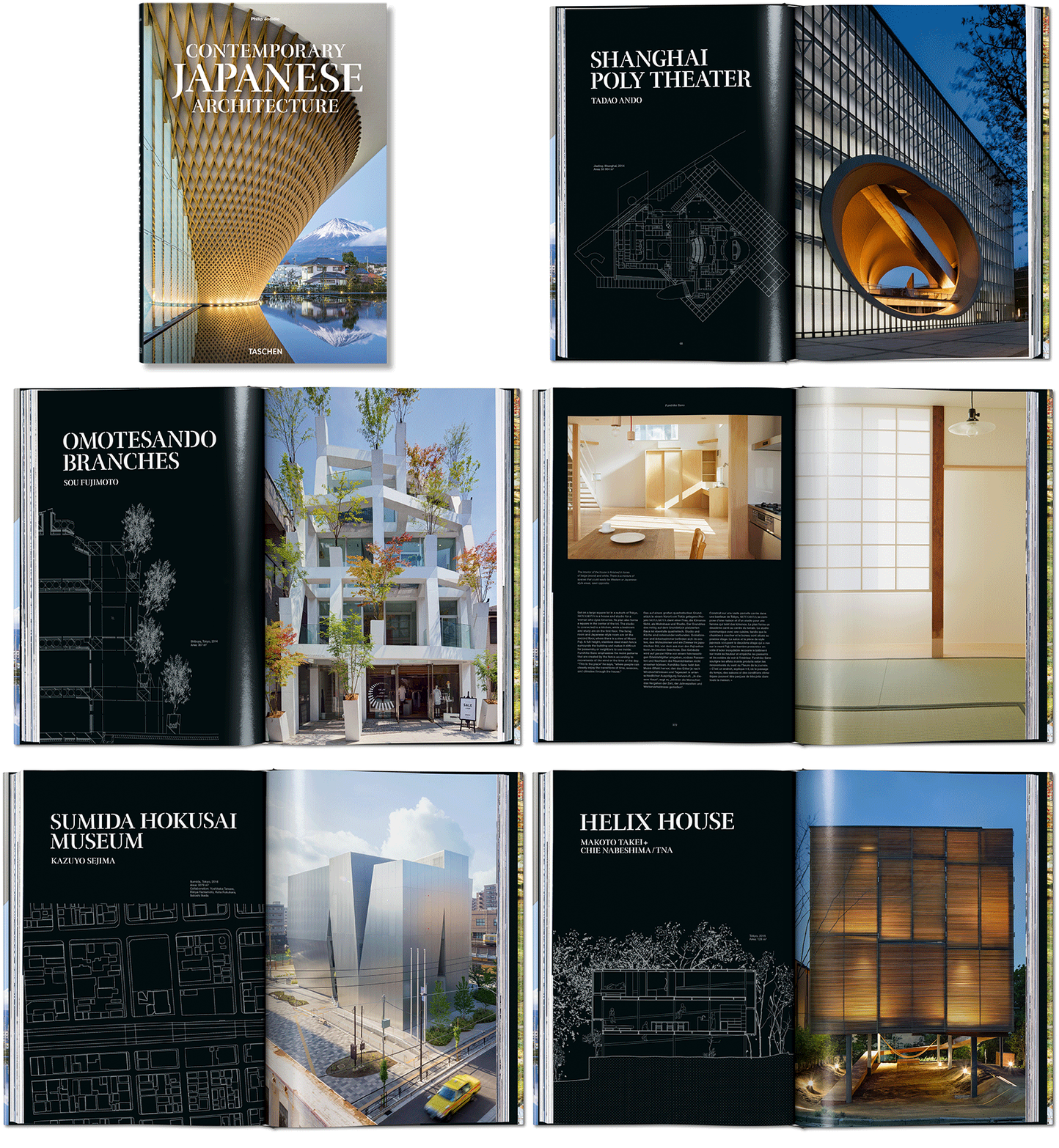
Since Osaka World Expo ’70 brought contemporary forms center stage, Japan has been a key player in global architecture. With his intentionally limited vocabulary of geometric forms, Tadao Ando has since then put Japanese building on the world’s cultural map, establishing a bridge between East and West. In the wake of Ando’s mostly concrete buildings, figures like Kengo Kuma (Japan National Stadium intended for the Olympic Games, originally planned for 2020), Shigeru Ban (Mount Fuji World Heritage Center), and Kazuyo Sejima (Kanazawa Museum of 21st Century Art of Contemporary Art) pioneered a more sustainable approach. Younger generations have successfully developed new directions in Japanese architecture that are in harmony with nature and connected to traditional building. Rather than planning on the drawing board, the architects presented in this collection stand out for their endless search for forms, truly reacting on their environment.
Presenting the latest in Japanese building, this book reveals how this unique creativity is a fruit of Japan’s very particular situation that includes high population density, a modern, efficient economy, a long history, and the continual presence of disasters in the form of earthquakes. Accepting ambiguity, as seen in the evanescent reflections of Sejima’s Kanazawa Museum, or constant change and the threat of catastrophe is a key to understanding what makes Japanese architecture different from that of Europe or America.
This XL-sized book highlights 39 architects and 55 exceptional projects by Japanese masters—from Tadao Ando’s Shanghai Poly Theater, Shigeru Ban’s concert hall La Seine Musical, SANAA’S Grace Farms, Fumihiko Maki’s 4 World Trade Center, to Takashi Suo’s much smaller sustainable dental clinic. Each project is introduced with photos, original floor plans and technical drawings, as well as insightful descriptions and brief biographies. An elaborate essay traces the country’s building scene from the Metabolists to today and shows how the interaction of past, present, and future has earned contemporary Japanese architecture worldwide recognition.
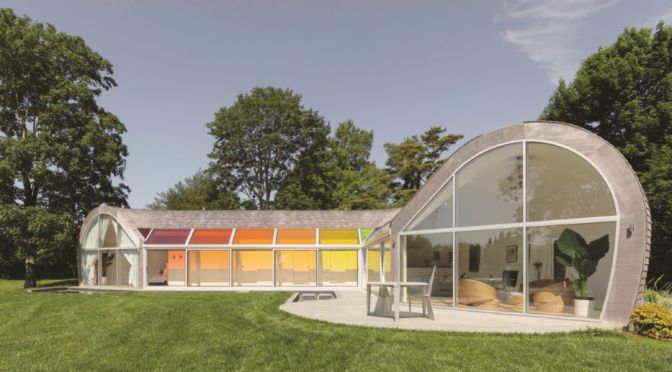
Design: ‘Cocoon Cottage’ In New York By Architect Nina Edwards Anker
After earning her doctorate at the Oslo School of Architecture and Design and working in Norway’s capital as a teacher and research fellow, architect Nina Edwards Anker came home to the U.S. with a refreshed perspective on environmental sensitivity. When the opportunity arose to build an eco-cottage on family land in Southampton, Long Island, Edwards Anker’s thought experiments resulted in a 1,738-square-foot vacation home completed in 2017, made striking for the combination of curved, shingle-clad walls that meet planes of glass, with some cast in bright, unexpected color.

Views: ODA Architects ‘Reimagines’ The Flower District in New York City
ODA introduces its new concept, dubbed ‘beyond the street,’ which seeks to transform new york city‘s streetscape with an extended public realm. the scheme blends existing infrastructure with a proposed new zoning regulation that would take advantage of the porous urban fabric, breaking open existing city blocks to create interior courtyards and pathways that will over time. with adaptive reuse together with new development and landscape design, ODA proposes a city that is even more walkable and blooming with green space accessible to all.
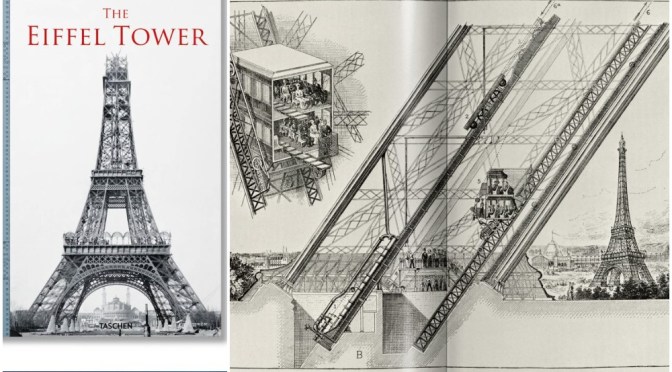
Architecture Books: ‘The Eiffel Tower’ (Aug 2021)
“The Tower is also present to the entire world… a universal symbol of Paris… from the Midwest to Australia, there is no journey to France which isn’t made, somehow, in the Tower’s name.” — Roland Barthes
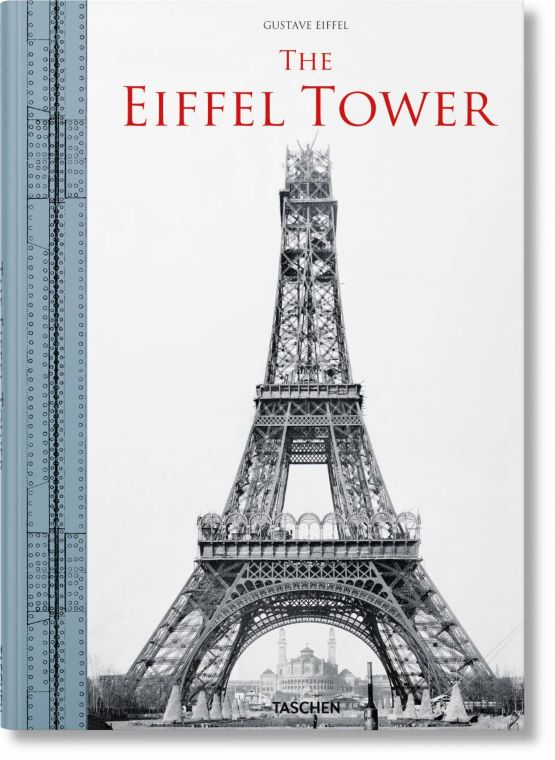
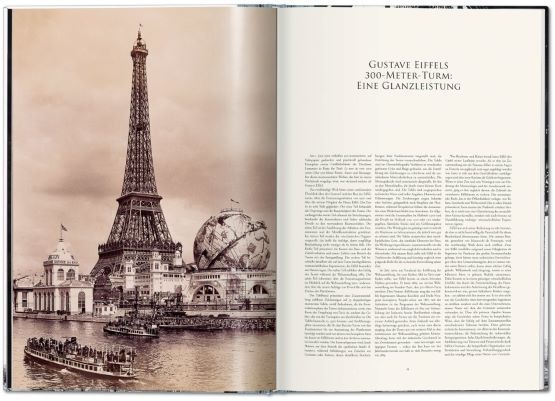
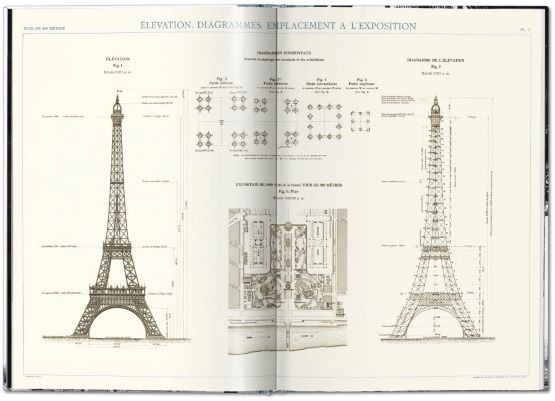
When Gustave Eiffel completed his wrought iron tower on Paris’s Champ de Mars for the World’s Fair in 1889, he laid claim to the tallest structure in the world. Though the Chrysler Building would, 41 years later, scrape an even higher sky, the Eiffel Tower lost none of its lofty wonder: originally granted just a 20-year permit, the Tower became a permanent and mesmerizing fixture on the Parisian skyline. Commanding by day, twinkling by night, it has mesmerized Francophiles and lovers, writers, artists, and dreamers from all over the world, welcoming around seven million visitors every single year.
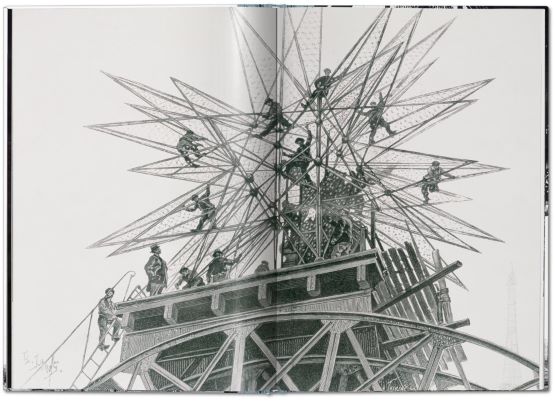
Based on an original, limited edition folio by Gustave Eiffel himself, this fresh TASCHEN edition explores the concept and construction of this remarkable building. Step by step, one latticework layer after another, Eiffel’s iconic design evolves over double-page plates, meticulous drawings, and on-site photographs, including new images and even more historical context. The result is at once a gem of vintage architecture and a unique insight into the idea behind an icon.
 Boomers Daily