
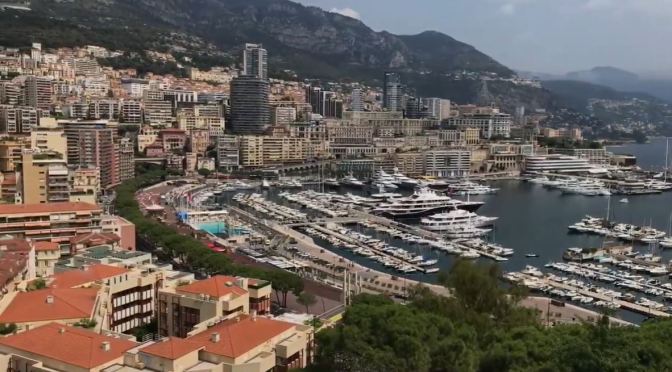
Monaco, officially the Principality of Monaco, is a sovereign city-state and microstate on the French Riviera close to the Italian region of Liguria, in Western Europe. It is bordered by France to the north, east and west, and the Mediterranean Sea to the south.
All posts by She Seeks Serene

Front Page Views: WSJ Weekend Edition (July 24)
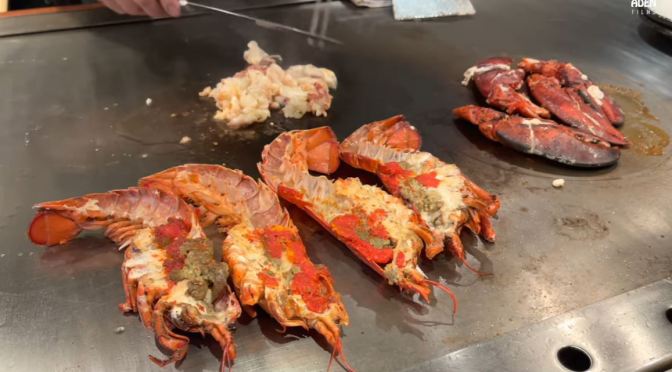
Views: Wagyu & Seafood Teppanyaki In Amsterdam
Casual Teppanyaki in Amsterdam, the chef is preparing mushrooms, scallops, lamb, lobster, wagyu beef and fried rice.

Saturday Morning: News & Stories From London
Georgina Godwin and the weekend’s top news stories, with fresh newspapers and Monocle editor in chief Andrew Tuck’s column.

Walks: Oia – Island Of Santorini, Greece (4K)
Santorini is the most spectacular island in Greece and one of the geologic treasures of Europe. Perched at the northern tip of this volcanic island and built into the rocky cliffside, Oia is the most picturesque and romantic village in Santorini.
Video Timeline Links: 00:00 – Oia, Santorini Walking Tour Intro 09:08 – Saint George Church (Agios Georgios) 19:37 – Virgin Mary Church (Panagia Platsani) 23:57 – Oia Blue Dome Viewpoint 33:17 – Castle of Oia (Agios Nikolaos) 34:17 – Oia Lookout Panoramic Viewpoint 44:30 – The Windmills
The village extends for almost 2 km (1.2 miles) along the northern edge of the caldera, at a height of between 70 and 100 m (230 and 330 feet) above sea level. It is built on the steep slope of the caldera and the houses and restaurants are built into niches carved into the caldera on the seaward side. Oia paths are very narrow and hence gets congested during the tourist season. The idyllic surroundings of the village have a complex of white washed, blue domed churches and charming, traditional Cycladic houses. Oia has some of the island’s best hotels and restaurants as well as high-end shopping. Our guided walking tour is about 1.86 miles (3 km) long, starts at Saint George Church (Agios Georgios) and covers most attractions and historic sites of Oia, Santorini.

Political Analysis: Brooks & Capehart On Capitol Hill Attack Investigation
New York Times columnist David Brooks and Washington Post columnist Jonathan Capehart join Judy Woodruff to discuss the week in politics, including the Jan. 6 insurrection investigation, the infrastructure and budget negotiations in Congress, and vaccination efforts in America.

Top New Book Catalogs: ‘Taschen – Summer 2021’

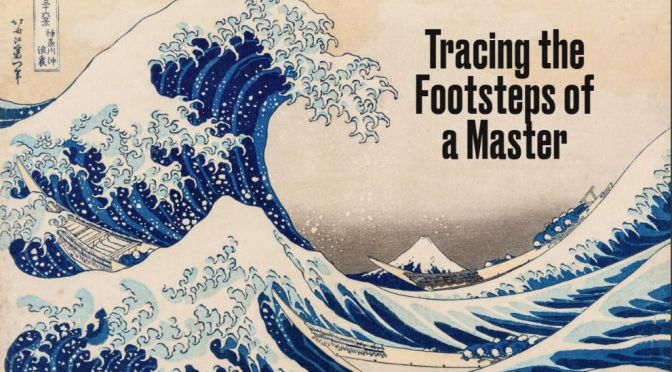
Art: ‘Hokusai. Thirty-Six Views Of Mount Fuji’
Mount Fuji has long been a centerpiece of Japanese cultural imagination, and nothing captures this with more virtuosity than the landmark woodblock print series Thirty-six Views of Mount Fuji by Katsushika Hokusai (1760–1849).
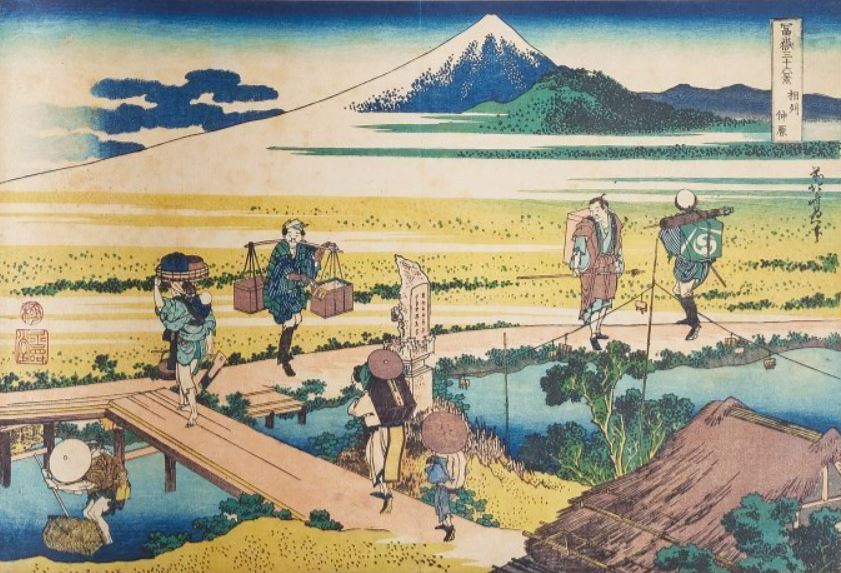
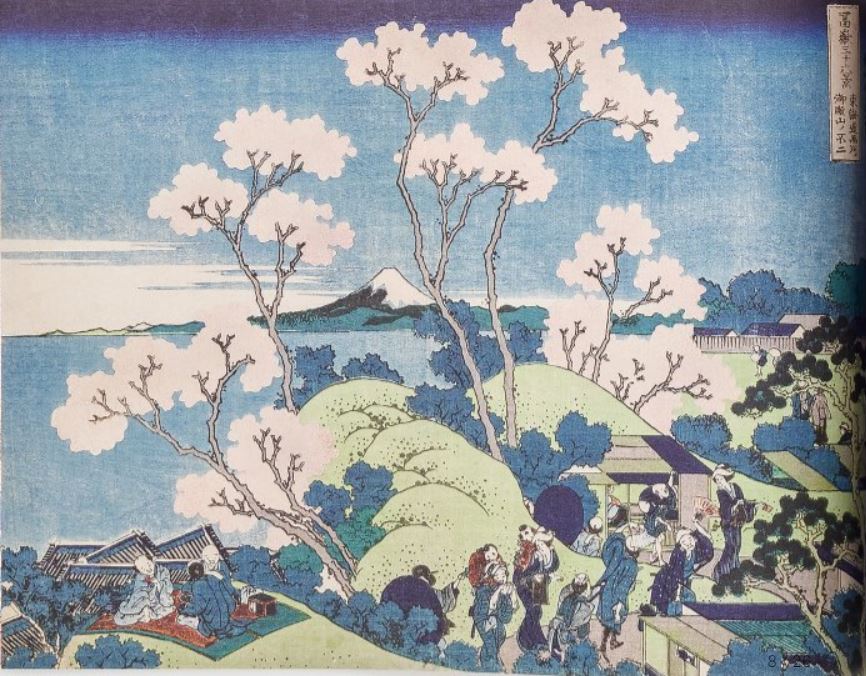
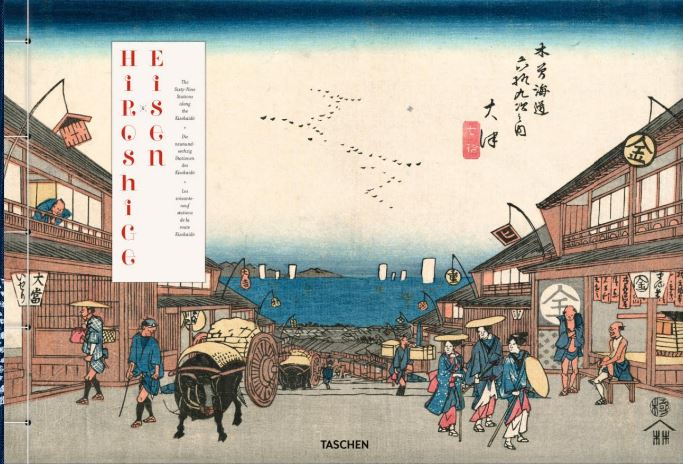
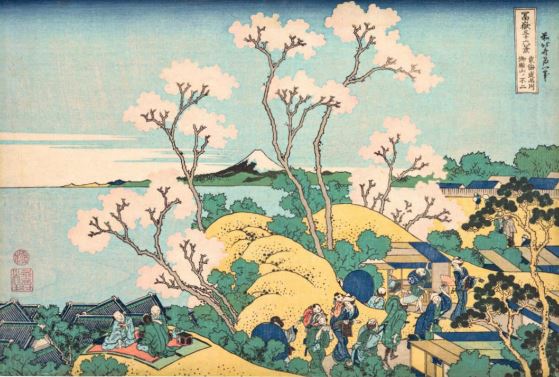
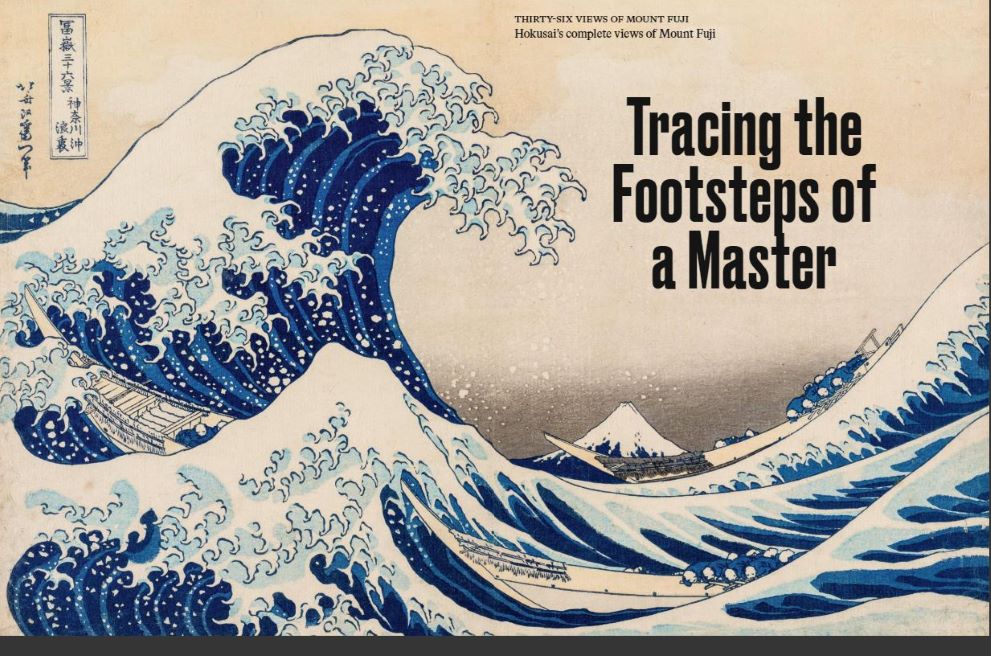
The renowned printmaker documents 19th-century Japan with exceptional artistry and adoration, celebrating its countryside, cities, people, and serene natural beauty. Produced at the peak of Hokusai’s artistic ambition, the series is a quintessential work of ukiyo-e that earned the artist world-wide recognition as a leading master of his craft.
The prints illustrate Hokusai’s own obsession with Mount Fuji as well as the flourishing domestic tourism of the late Edo period. Just as the mountain was a cherished view for travelers heading to the capital Edo (now Tokyo) along the Tōkaidō road, Mount Fuji is the infallible backdrop to each of the series’ unique scenes. Hokusai captures the distinctive landscape and provincial charm of each setting with a vivid palette and exquisite detail. Including the iconic Under the Great Wave off Kanagawa (also The Great Wave), this widely celebrated series is a treasure of international art history.

Views: Tufts ‘Health & Nutrition Letter’ (Aug ’21)


Western Drought: Expect More Fires & Water Wars
As of mid-June, nearly three-quarters of the US’s West has been experiencing “severe,” “extreme,” or “exceptional” drought conditions. In addition to the states above, it also includes northern states like North Dakota and Montana.
Overall, climate change is playing a role. But there are smaller factors at play that are tied to climate change as well. Including…
- Not enough rain. The National Oceanic and Atmospheric Association (NOAA) said the Southwest’s 2020 monsoon season (read: ‘nonsoon’) was “the hottest and driest summer/monsoon season on record.” And the decrease in rainfall is having an impact on today’s drought (think: not enough water for crops, lakes, or reservoirs). And for the little rain that has fallen, it could dry up faster because of…
- Warmer temps. The NOAA dubbed 2020 the second-hottest year on record. And in late June, a record-breaking heat wave hit the Pacific Northwest, with the temperature reaching up to 112 degrees Fahrenheit in places like Portland, OR. (Psst…if you’re dealing with hot weather, here are some tips to stay safe.) Hotter, drier weather creates a thirsty environment, which speeds up evaporation. Rising temps are also causing snowpacks to melt faster, and they’re reportedly producing less runoff – a vital water resource. All of which means there’s less water available for communities and ecosystems.
Experts are also worried that the current dry and hot conditions will have a ripple effect, which brings us to wildfires. Last year’s West Coast wildfire season was the worst ever. Fires in California killed 31 people, burned more than 4 million acres, and destroyed thousands of buildings and structures. And this year, states like Arizona have seen an early start to their wildfire season. But the effects of the drought stretch even further.
 Boomers Daily